Locanda San Lorenzo
In Residence
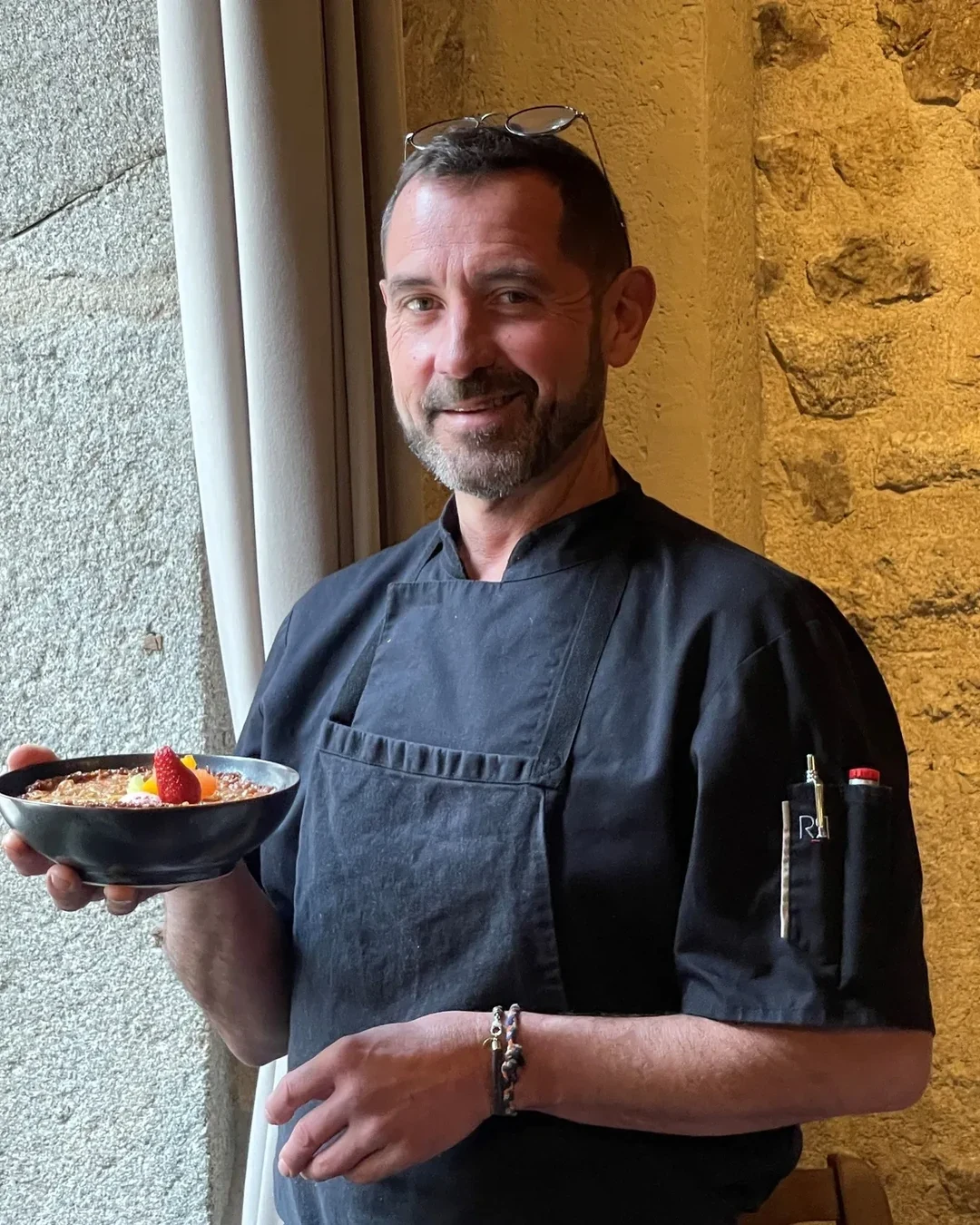
Benoît Corjon
Chef
- 01CuisineModern Italian Regional
- 02CityPuos d'Alpago, Italy
- 03RecognitionOne Michelin Star
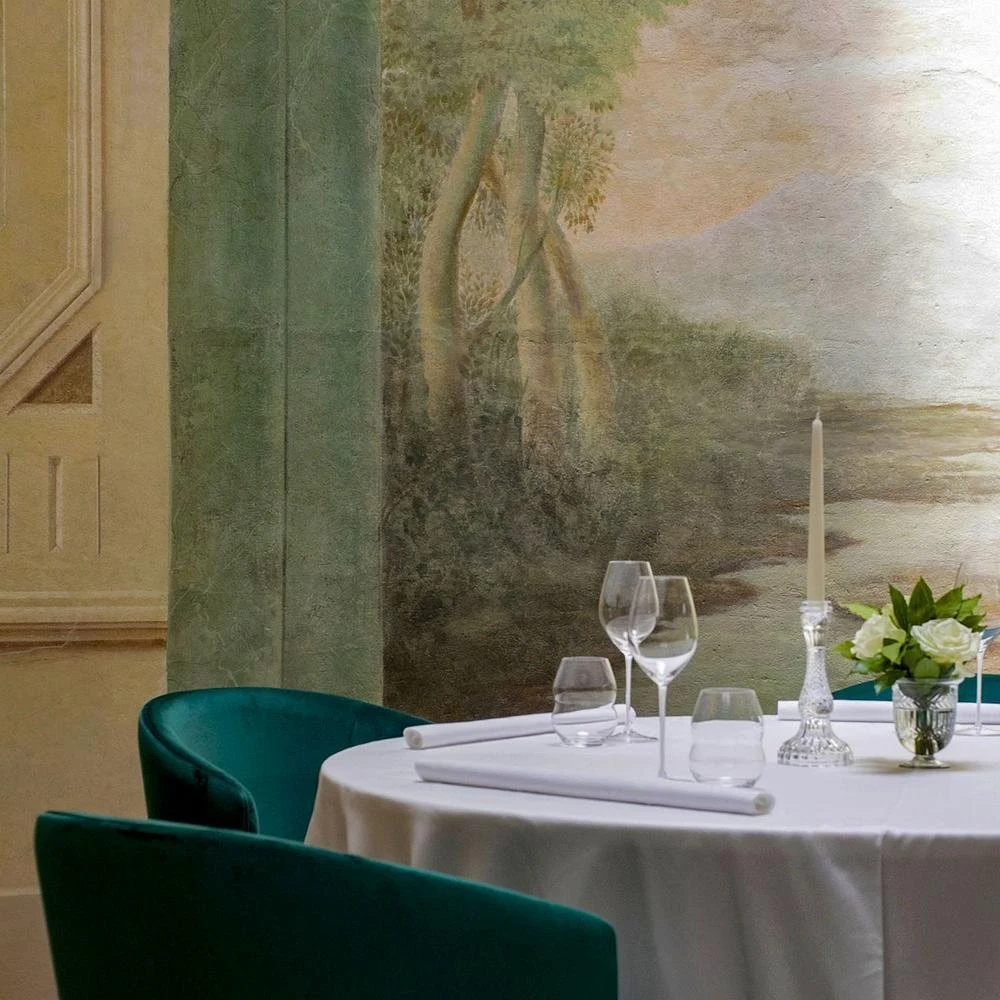
Locanda San Lorenzo is a restaurant in Puos d'Alpago. Explore its food and drink, and use its official website for current menus and visitor details.
- 1 Michelin Star · Michelin Guide
- Michelin 1 Star · 2026
- Falstaff Restaurant - 92 Falstaff Points · 2026
- Michelin 1 Star · 2025
- Michelin 1 Star · 2024
Regional ingredients held in line
Regional ingredients stay forward when Benoît Corjon, chef at Locanda San Lorenzo in Puos d'Alpago, keeps classical structure close to the plate. His role here sits beside his work at Restaurant Le France in Aubusson, where he has served as chef since 2022, and the through-line is control rather than display. At both addresses, the cooking depends on place, form, and a modern hand that does not crowd the ingredient. At this locanda, that means a regional Italian table shaped by the Alpago landscape, with the house's known dishes, lamb of Alpago, bigoli al torchio, and trota d'Alpago, carrying more weight than ornament.
The family history around him is older than the current pass. The inn began in 1900 as a simple osteria for workers at a nearby mill, then passed through the next generation in the 1950s before the restaurant's fine-dining identity settled into place. The house received a Michelin star in 1997 and still holds 1 star today. Corjon works inside that continuity rather than over it. The discipline is to let a locanda remain legible as a locanda, even when the plate has been tightened, edited, and brought into a modern register.
Alpago lamb, torchio pasta, lake fish
The program is regional before it is decorative. Lamb of Alpago gives the kitchen its deepest local anchor, a dish tied to the surrounding area rather than imported prestige. Bigoli al torchio brings the bench into view more directly, with pasta pressed through the torchio, a method whose weight and texture matter as much as the sauce that follows. Trota d'Alpago keeps the menu close to local water, and the house's modern approach gives those ingredients a cleaner frame without severing them from their older use.
The dining format allows both an à la carte path and a tasting menu, so the kitchen can either concentrate the sequence or leave the guest with a narrower line through the card. The wine program is curated rather than encyclopedic in the way it is presented, with bottles selected to sit beside regional cooking.
Two rooms and a quiet pass
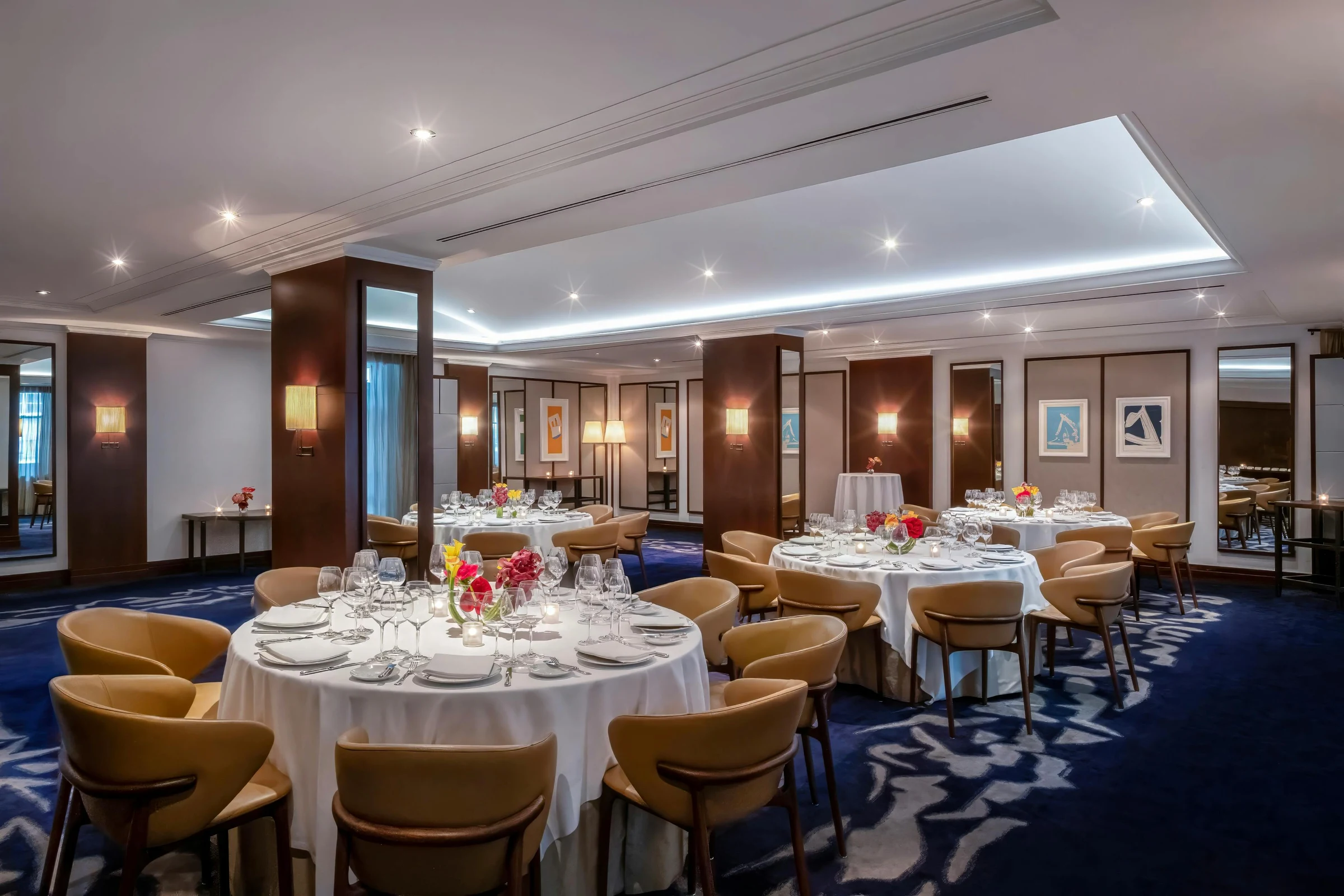
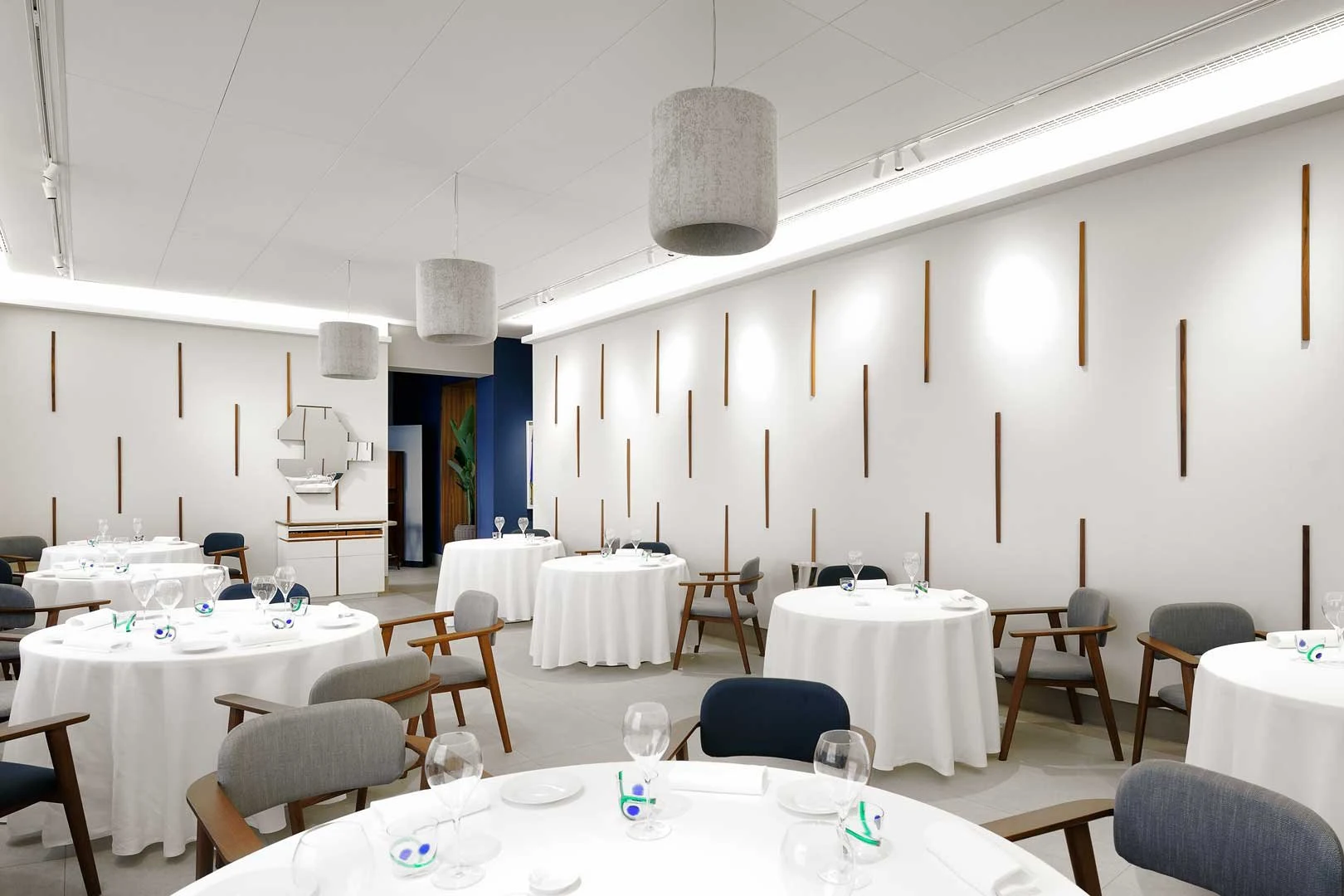
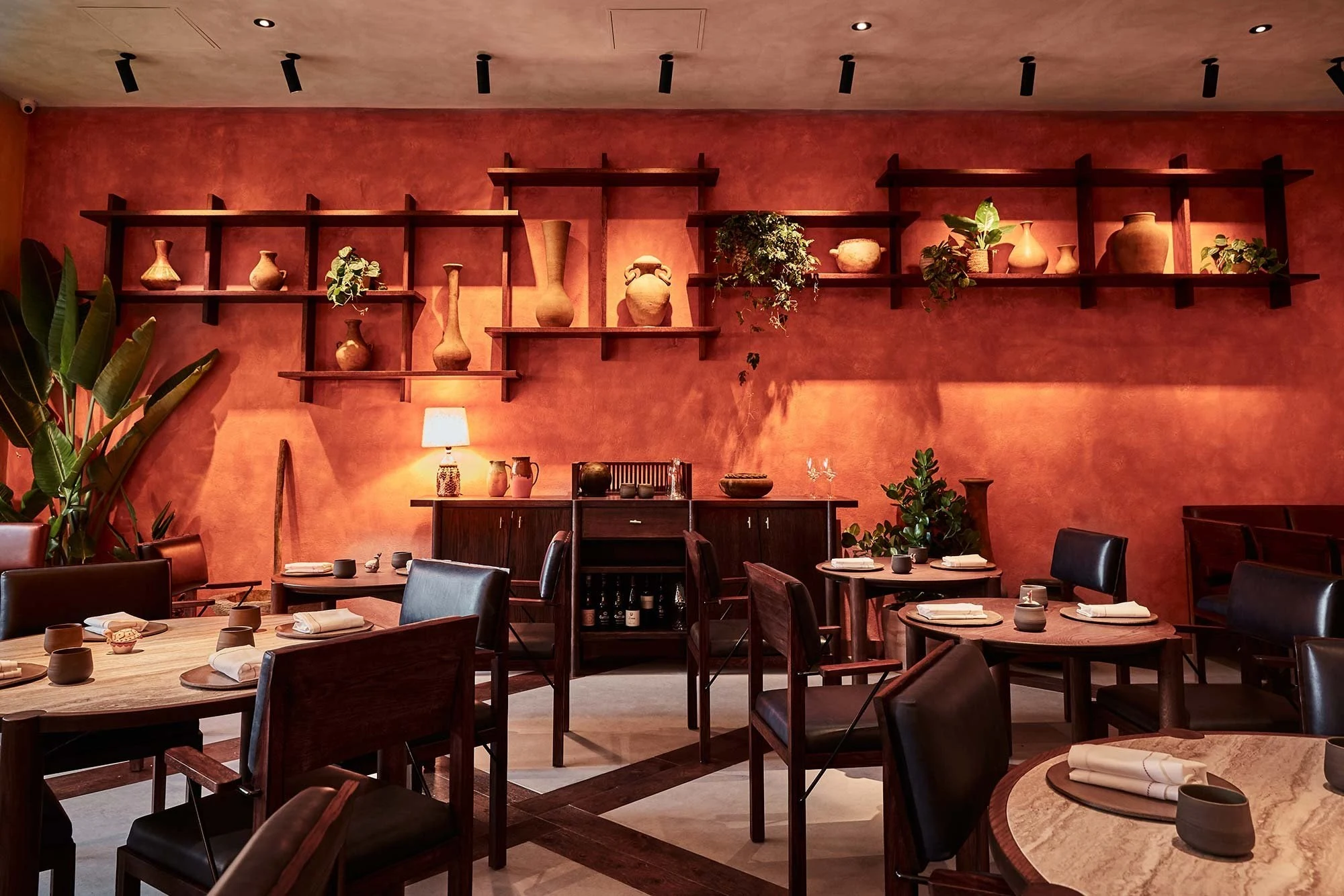
The room can move between a modern dining space and a rustic room with fireplace tables, and that split tells the story of the house better than a single design language would. One side carries the polish expected of a starred restaurant; the other keeps the feeling of an inn in the mountains, with wood, warmth, and the scale of a small dining room. The atmosphere is quiet, closer to conversation than performance.
Service follows that same register. Courses are explained with enough detail for guests who do not speak Italian, but the rhythm remains measured, not theatrical. Upstairs, simple guestrooms keep the old locanda structure intact, yet the restaurant is the working centre of the house. The close of the meal still belongs to the pass, where the memory is not a flourish but lamb of Alpago.
Questions
Frequently asked
Who is the chef at Locanda San Lorenzo?
Benoît Corjon is the chef at Locanda San Lorenzo in Puos d'Alpago. The cooking is described as regional Italian with a restrained modern hand.
What is the restaurant known for?
The menu is built around regional ingredients from Alpago, with lamb of Alpago, bigoli al torchio, and trota d'Alpago among the house's best-known dishes.
What kind of dining format does Locanda San Lorenzo offer?
The restaurant offers both an à la carte path and a tasting menu.
What should guests know about booking and visiting?
Reservations are recommended and are made directly. The dress code is smart casual, and there is on-site parking.
What recognition does Locanda San Lorenzo hold?
Locanda San Lorenzo holds one Michelin star.
The field
How it compares
| Place | Awards | Cuisine | Notes |
|---|---|---|---|
| Locanda San Lorenzo | Michelin 1 Star | Modern Italian Regional | Puos d'Alpago, $$$ |
| Azurmendi | Michelin 3 Stars, World's 50 Best | Modern Basque Fine Dining | Larrabetzu |
| Burnt Ends | Michelin 1 Star, World's 50 Best | Modern Australian Barbecue | Singapore |
| Daniel | Michelin 1 Star, World's 50 Best | Modern French Fine Dining | New York City |
| Il Luogo di Aimo e Nadia | · | Modern Italian Regional | Milan |
| KOL | Michelin 1 Star, World's 50 Best | Modern Mexican Fine Dining | London |
| Saison | Michelin 2 Stars, World's 50 Best | Modern Fire-Forward Fine Dining | San Francisco |
In residence
Similar places
Modern Basque Fine Dining
Azurmendi
Larrabetzu, Spain
★★★ · 50 Best
Modern Australian Barbecue
Burnt Ends
Singapore, Singapore
★ · 50 Best
Modern French Fine Dining
Daniel
New York City, United States
★ · 50 Best
Modern Italian Regional
Il Luogo di Aimo e Nadia
Milan, Italy
Modern Mexican Fine Dining
KOL
London, United Kingdom
★ · 50 Best
Modern Fire-Forward Fine Dining
Saison
San Francisco, United States
★★ · 50 Best