Luk Lak
- 01CuisineModern Fusion Vietnamese
- 02CityHanoi, Vietnam
- Michelin Bib Gourmand · Michelin Guide
- Michelin Bib Gourmand · 2026
- Michelin Bib Gourmand · 2025
- Michelin Bib Gourmand · 2024
Charcoal and the Hoàn Kiếm Dining Circuit
In Hanoi, the distance between a street stall and a Michelin-recognised table is often measured not in technique but in real estate and reliability. The old French Quarter grid around Hoàn Kiếm concentrates a tier of mid-range Vietnamese restaurants that have outgrown the pavement but kept faith with the charcoal. Luk Lak at 4A Lê Thánh Tông sits precisely at that intersection: a ₫₫ price point, two consecutive Bib Gourmand awards (2024 and 2025), and a kitchen oriented toward the smoky, grilled traditions that predate any guide's attention.
That two-year Bib Gourmand streak matters in context. The Bib designation, Michelin's marker for good cooking at moderate prices, is one contested category in a city where Vietnamese food at accessible price points is the norm rather than the exception. Holding it twice places Luk Lak in a comparable set with Tầm Vị, another ₫₫ Vietnamese address the guides have noticed, while sitting several tiers below high-end contemporary Vietnamese rooms like Gia (₫₫₫₫).
The Smoky Register: Bun Cha, Nem Nuong, and What the Grill Does
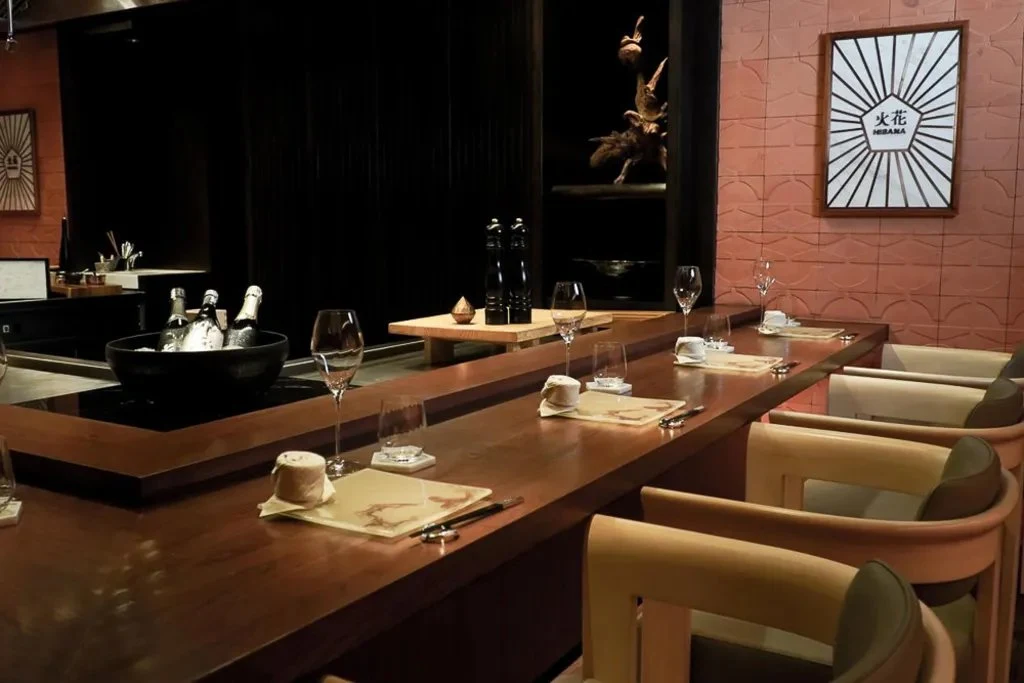
Vietnamese grilling operates on a logic distinct from the open-flame traditions of, say, Korean barbecue or the high-heat teppanyaki theatrics at a venue like Hibana by Koki (₫₫₫₫, at the opposite end of Hanoi's price spectrum). The charcoal here is a slow, patient medium. Bun cha, pork patties and fatty belly slices grilled over charcoal then lowered into a warm, sweet-sour broth, is Hanoi's most locally specific dish, the one that resists clean export and demands proximity to the smoke itself. The fat renders gradually, the meat chars at the edges while staying supple at the centre, and the dipping broth pulls the whole thing into balance with fish sauce, vinegar, and sugar.
Nem nuong, the grilled pork sausage that appears across central and southern Vietnam in varying registers, takes a slightly different form in Hanoi kitchens: firmer, less sweet than southern versions, and often served as a wrapping component alongside fresh herbs and rice paper. Both dishes reward a kitchen that controls its coals rather than its clock, which is the foundational skill of the tradition Luk Lak works within.
For visitors calibrating expectations: this is not the place to look for the Vietnamese contemporary format being developed at venues like Anan Saigon in Ho Chi Minh City or La Maison 1888 in Da Nang. Luk Lak's recognition comes from doing the grilled canon with precision and consistency, not from reinterpreting it.
Where It Sits in Hanoi's Mid-Range Vietnamese Scene
Hanoi's mid-range Vietnamese restaurant tier has expanded considerably in the past decade as domestic dining out has grown and international visitors have pushed further from the Old Quarter tour circuit. At the ₫ floor, addresses like 1946 Cua Bac and Bun Cha Ta on Nguyen Huu Huan Street represent the stripped-back, single-dish end of the market. Luk Lak's ₫₫ positioning implies a fuller service environment and broader menu range while staying within the reach of travellers who are not chasing a white-tablecloth experience.
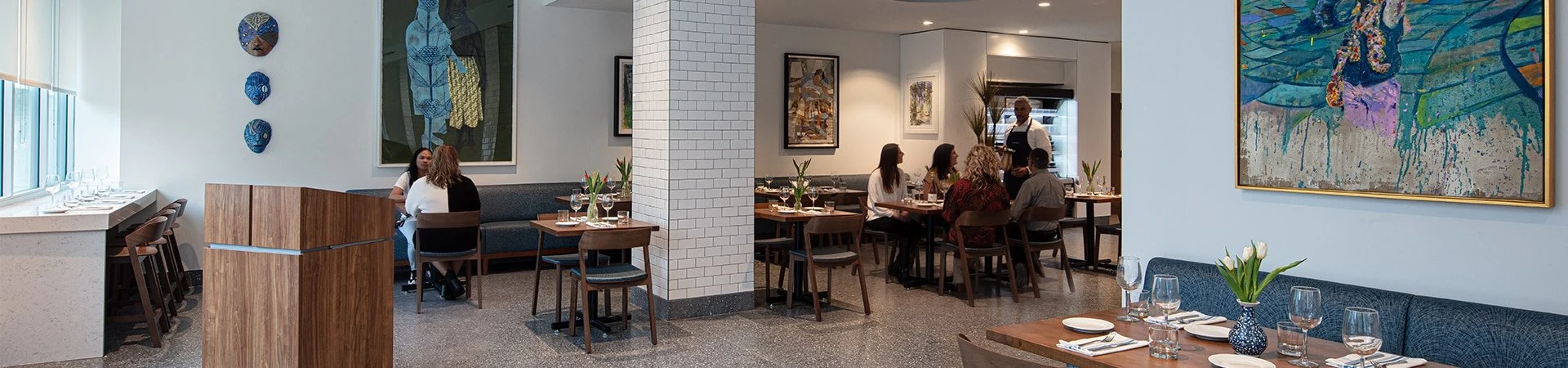
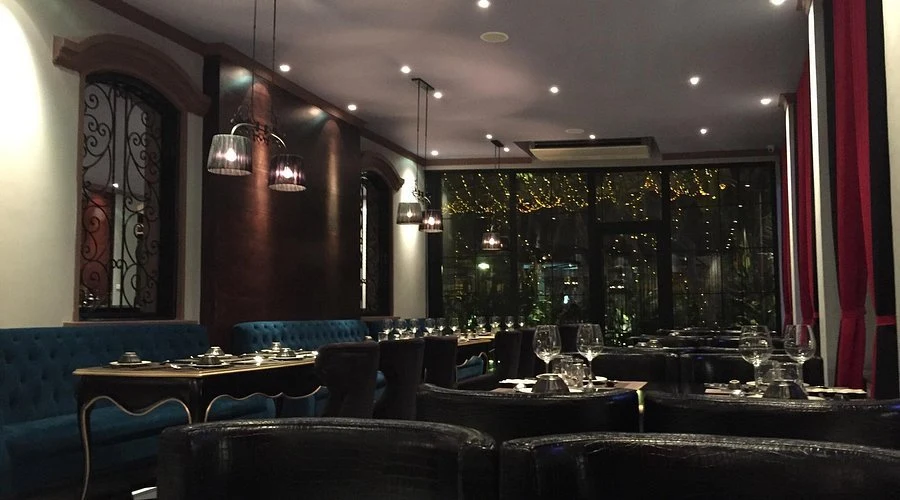
The Lê Thánh Tông address is worth noting for orientation. The street runs along the southern edge of the French Quarter, close to Hoàn Kiếm Lake, in an area that combines colonial-era architecture with the administrative and hotel infrastructure that has grown up around it. It is a more composed, less chaotic eating environment than the tighter lanes of the Old Quarter, which suits a sit-down meal over the pavement-stool format. Cau Go, another Vietnamese address in the Hoàn Kiếm orbit, occupies similar geographic territory.
The kitchen is under the direction of Chané Devonport, with the menu emphasis on charcoal-grilled Vietnamese classics suggesting a kitchen approach rooted in the local tradition rather than in fusion. The Bib Gourmand judges, who eat anonymously and pay their own bills, reached the same place two years running, which is especially useful credential on offer here.
Vietnamese Grilling Beyond Hanoi: The Broader Context
Grilled and charcoal tradition in Vietnamese cooking extends well beyond Hanoi's bun cha. In central Vietnam, nem lui (lemongrass skewers) and thit nuong (grilled pork over rice) define a different register of the same impulse. Internationally, Vietnamese restaurants in diaspora cities have carried these traditions in varying degrees of fidelity: Berlu in Portland and Camille in Orlando represent the American end of that spectrum, while Ăn Chơi in Hong Kong, An Nam in Singapore, and Ăn Thôi in Da Nang carry it across shorter cultural distances. None of them can replicate what Hanoi's coal-fired kitchens do in situ, the smoke, the immediacy, the specific pork cuts prepared for that specific broth, which is an argument for eating bun cha in Hanoi rather than a critique of what happens elsewhere.
Mountain cooking traditions feed into this broader picture too. A Bản Mountain Dew in Hanoi and Agave in Ubon Ratchathani represent the northern and cross-border dimensions of grilled and preserved food culture in the region, a context in which Luk Lak's Hoàn Kiếm address represents the urban, accessible end of a much wider culinary geography. Bếp Prime offers another reference point within the city's mid-to-upper Vietnamese register.
Planning the Visit
Luk Lak is located at 4A Lê Thánh Tông in the Phan Chu Trinh ward of Hoàn Kiếm, the central district that contains most of Hanoi's visitor infrastructure. The area is walkable from the major hotels along the lake and from the French Quarter cluster of restaurants and bars. Given the Bib Gourmand profile and the review volume, arriving early, particularly at lunch, when bun cha is most actively grilled, is the practical move for avoiding a wait.
Questions
Frequently asked
What recognition does Luk Lak hold?
Luk Lak holds a Michelin Bib Gourmand.
How expensive is Luk Lak?
Luk Lak is listed at a price level of $$.
Where is Luk Lak and what does it serve?
Luk Lak is in Hoan Kiem, Hanoi, serving Modern Fusion Vietnamese.
The field
How it compares
| Place | Cuisine | Notes | Awards |
|---|---|---|---|
| Luk Lak | Modern Fusion Vietnamese | Hoan Kiem, $$ | · |
| Chapter Dining | Modern Northern Vietnamese Fine Dining | Hanoi | · |
| Gia | Modern Vietnamese Fine Dining | Hanoi | Michelin 1 Star |
| Hibana by Koki | Michelin-Starred Japanese Teppanyaki | Hanoi | Michelin 1 Star |