Mandrarossa
- 01CityMenfi, Italy
- Falstaff Winery - Listed · 2026
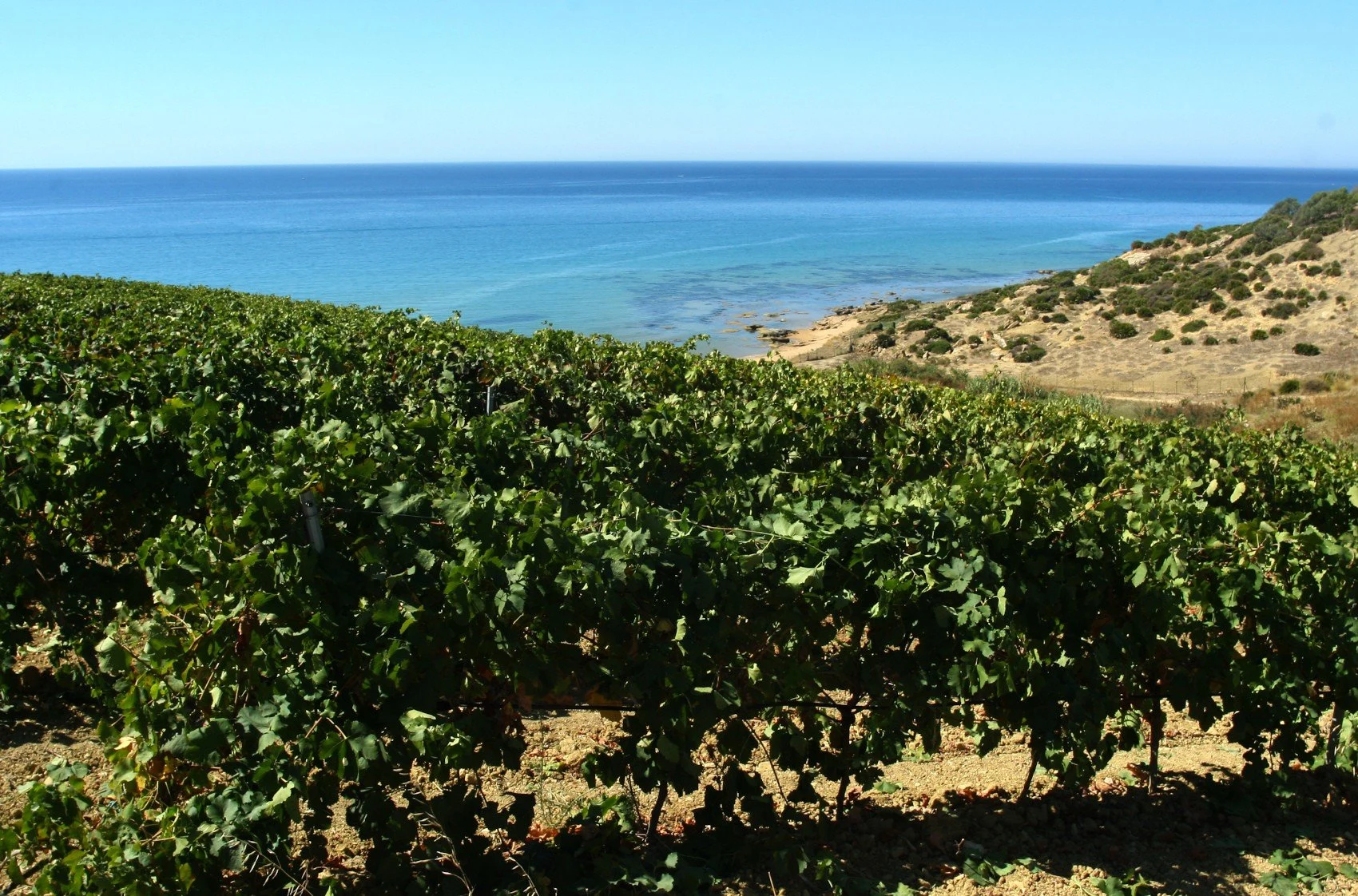
Approach Menfi wine country and the argument starts before the first glass: sun, limestone, sea air, and low agricultural horizons do much of the talking. Mandrarossa belongs to a contemporary Sicilian school where the tasting room is not detached from the vineyard, but frames why this part of the island can produce generous reds and salt-edged whites without reducing Sicily to heat and ripeness.
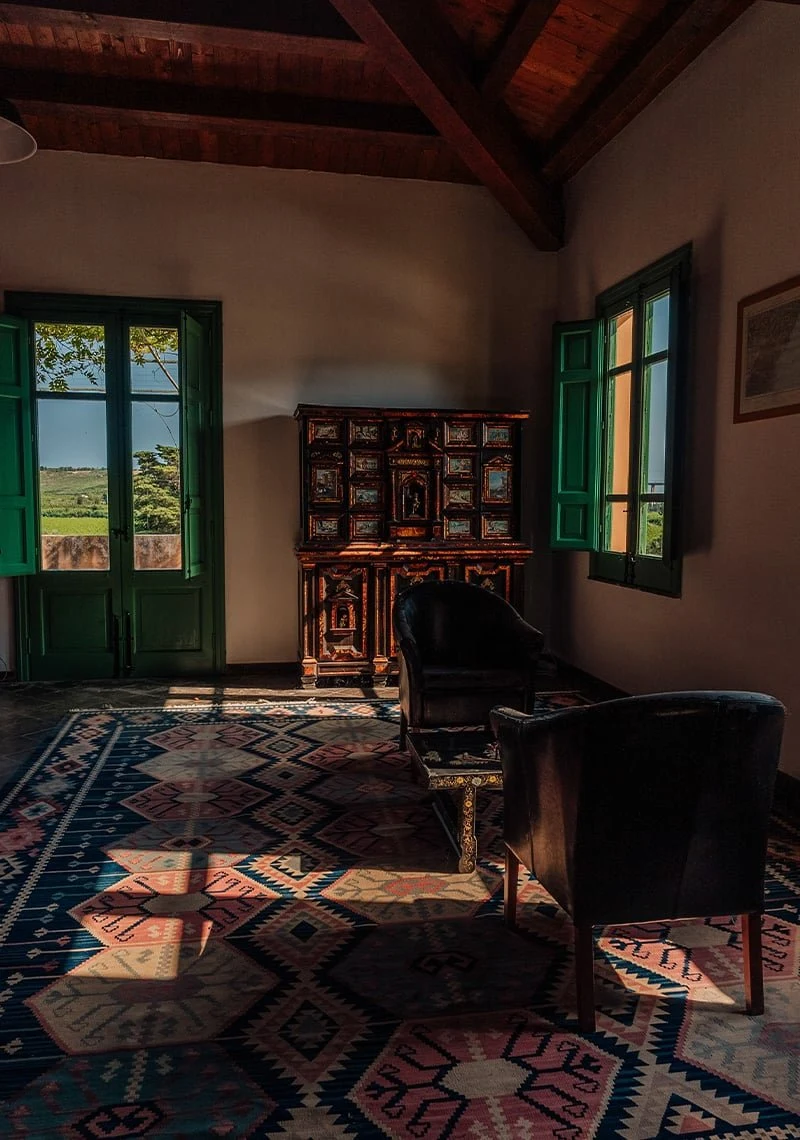
The winery’s hospitality setting is modern and terrace-led, with vineyard and sea views built into the experience, not treated as side scenery. That matters in Menfi, where wine tourism increasingly means reading the territory in real time: the sea moderating summer intensity, limestone shaping drainage and structure, and mixed elevations letting producers work beyond the old shorthand of Nero d’Avola alone.
Menfi terroir, translated through a broad Sicilian range
Mandrarossa was founded in 1999 after more than two decades of terroir study, which explains its emphasis on mapping, cultivar selection, and micro-vinification. The project is affiliated with Cantine Settesoli, giving it a scale and agricultural base unlike a small family cellar, but the editorial interest is how that scale is used: not as one uniform Sicilian voice, but to test varieties against site.
The grape list tells the story. Grillo, Nero d’Avola, Catarratto, Fiano, Sauvignon Blanc, Chardonnay and Zibibbo sit beside references to Etna wines and Passito di Pantelleria in the tasting program. That range places the winery within Sicily’s broader shift away from a single red-grape identity toward a polyphonic model: coastal whites, structured reds, sparkling Catarratto, dessert wine traditions, and island sub-regions brought into conversation through guided pours.
Menfi’s south-western position is central. Intense sunlight is a given, but the more useful detail is maritime influence: sea breezes and mild temperatures help keep freshness in the conversation. Limestone soils add another layer, especially for wines where line and tension matter. The result is not a claim of rustic authenticity; it is a technical, site-aware reading of Sicily, built around matching grape to habitat.
That research-driven approach separates the visit from a purely scenic tasting stop. Micro-vinification signals a cellar interested in trial, selection, and calibration. In a region with indigenous grapes and well-adapted international varieties, that matters. Petit Verdot, Merlot, Sauvignon and Chardonnay are not imported status symbols; they are part of a broader experiment in what Sicily’s exposures and soils can support.
Food pairings turn the tasting into a map of the island
The visitor program leans on guided tastings and food pairings, the right format for a producer with this much territorial range. A straight flight can flatten differences between Menfi, Etna, and Pantelleria; pairing formats give them clearer structure. “Origini e Tradizioni” includes five wines from Menfi, Etna and Pantelleria with local delicacies, while “Innovativi a tavola” places local cuisine beside a more experimental set of wines, including Alicante, Fiano, Merlot, Nero d’Avola, Petit Verdot and Sauvignon.
The formats are concise, not sprawling. Core tastings run about 60 to 90 minutes, with several experiences designed for groups of 2 to 24 people. The food program broadens the range: a Light Wine Lunch pairs wines from different Mandrarossa lines with lunch, while Calici di Stelle 2026 moves into event territory with terrace dining, music, and star-gazing elements. The smaller dinner format is capped at 6 guests, a useful sign that the premium end is managed by capacity rather than spectacle.
Prices sit in an accessible premium band for wine tourism, with listed experiences from €25 to €55 per person. The focus is format selection rather than status buying. Travelers seeking education should choose guided tasting and pairing structures; those treating Menfi as a celebratory stop will find the terrace events better aligned with the winery’s hospitality language.
The portfolio names show how the producer wants to be read. Calamossa, Catarratto Brut, Rosé, Varietals, Innovative, Cartagho, Rediscovered Stories and Lolio suggest brand architecture moving between everyday categories and concept-led lines. The point is not label design, but breadth: sparkling, still white, still red and dessert styles all sit within the same Sicilian research frame.
Where it fits in a Menfi wine itinerary
Mandrarossa is strongest for travelers wanting a designed, reservation-led winery visit with a clear educational spine. It is less about wandering into a cellar door than using a set format to understand south-western Sicily through grape, climate and food. The dress code is smart casual, the tone conversational, and the setting suits groups, celebrations, and wine education rather than children or loose drop-in grazing.
Within Menfi, it belongs on an itinerary built around wine, coast, and rural hospitality. Its connection to Cantine Settesoli gives it a different institutional character from smaller producers, while nearby planning can be rounded out through Our full Menfi wineries guide, Our full Menfi restaurants guide, Our full Menfi hotels guide, Our full Menfi bars guide, and Our full Menfi experiences guide.
For a wider reading of Italian and European wine travel, the Menfi circuit can sit alongside listings such as Planeta, Serra Ferdinandea, Tenuta Stoccatello, 3GP SRL in Treviso, 47 Anno Domini in Trebaseleghe, A Mano Wine in Noci, a6mani in Fragagnano, »der Steiner« Hans Steiner in Podersdorf am See, and & Handwein in Mannheim.
Recognition adds a final trust signal without turning the visit into an awards chase. Serapias Passito di Pantelleria Doc 2019 received a gold medal from Civiltà del bere, while Timperosse and Chardonnay Laguna Secca have been cited with gold and silver medals. The useful takeaway is that recognition appears across styles, reinforcing Mandrarossa as a broad Sicilian project rather than a producer built around one flagship bottle.
Questions
Frequently asked
How expensive is Mandrarossa?
Mandrarossa is listed at a price level of $$.
The field
How it compares
| Place | Notes | Awards |
|---|---|---|
| Mandrarossa | Puccia district, $$ | · |
| Cantine Settesoli | Menfi | · |
| Planeta | Menfi | · |
| Ruinart | Reims | World's 50 Best |
| Serra Ferdinandea | Menfi | · |
| Tenuta Stoccatello | Menfi | · |
| Valdicava | Montalcino | · |