Mani di Luna
- 01CityTorgiano, Italy
- Falstaff Winery - Listed · 2026
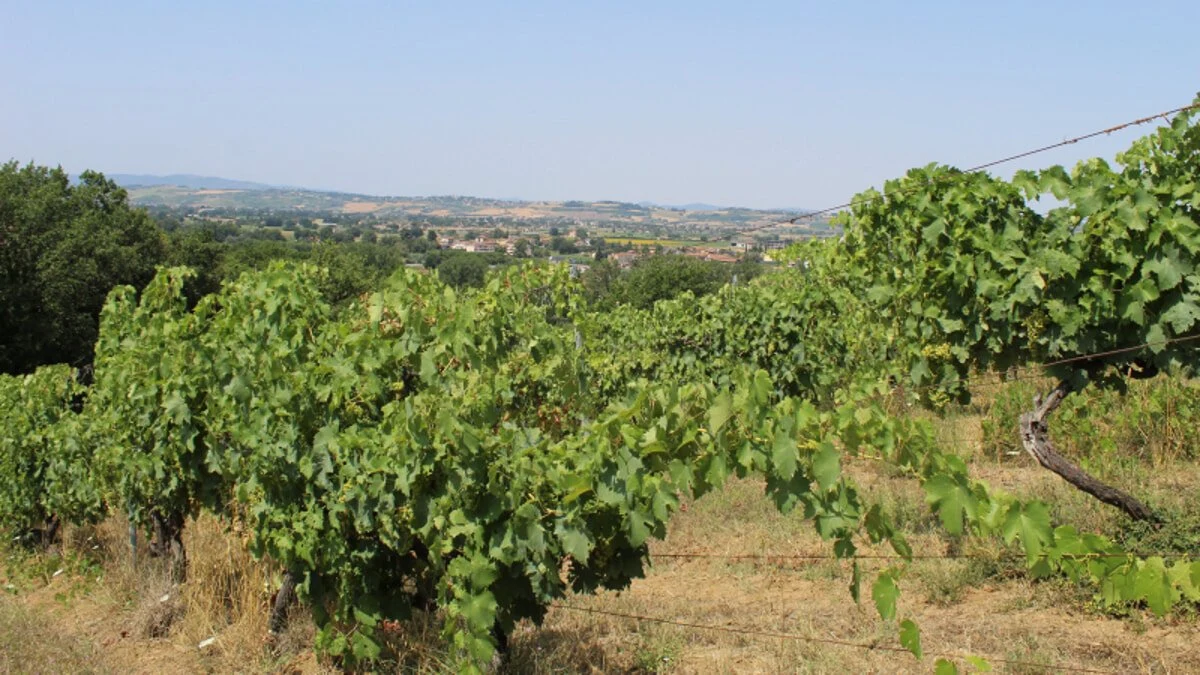
Mani di Luna in Torgiano is a small, hands-on natural winery and working farm in the Umbrian hills. The picture is rustic and close to the land: grapes are hand-harvested, foot-tread, and cellar work follows lunar cycles. Rather than presenting it as a polished hospitality venue, it is best understood as an authentic farm-winery shaped by manual work, nature and tradition. That distinction matters, because the appeal here is not built around sleek presentation or a long list of visitor amenities, but around the feeling of a place where agricultural labour remains central to the wine identity.
What can be said with confidence is that Mani di Luna belongs to the more intimate, agricultural side of Torgiano wine, where the emphasis is on natural practice and a direct relationship between farm work and cellar rhythm. For travellers, that makes it useful to approach the venue with expectations set around simplicity, craft and proximity to the land, rather than around a highly staged or formal winery experience.
Rustic natural winemaking in Torgiano
The central appeal of Mani di Luna is its small-scale, manual character. The winery is described as a working farm in the Umbrian hills, with a rustic and authentic feel rather than a highly formal or industrial presentation. Its practices include hand harvesting, foot treading and cellar work linked to lunar cycles. Taken together, those details create a coherent picture of a place where wine is treated as part of a wider farm rhythm, not as something separated from the land and the season.
That gives the estate a clear identity for travellers interested in natural wine and traditional farm work. The emphasis is less on spectacle and more on process: the physical gathering of grapes, the directness of foot treading, and the idea that cellar activity is timed in relation to natural cycles. Even without adding technical detail, those confirmed elements are enough to distinguish Mani di Luna from more anonymous or standardized wine settings.
For planning purposes, Mani di Luna is in Torgiano and is listed at a $$ price level. Those basics are useful as a starting point, but the stronger planning cue is stylistic: this is the sort of venue to consider when the priority is a grounded, rural and natural-wine-oriented experience.
A farm-winery defined by manual work
Mani di Luna’s story is strongest when kept simple: a small natural winery and working farm where the process remains physical and seasonal. Hand-harvested grapes and foot treading point to an approach that values touch, timing and tradition over scale or standardization. The language around the estate suggests work done close to the material itself, with human judgment and physical presence remaining visible parts of the process.
The lunar-cycle element is also part of the identity. Rather than treating it as a decorative detail, it helps explain the estate’s broader character: cellar work is presented as connected to natural rhythms, reinforcing the sense of a farm that works close to its environment. In this context, the reference to lunar cycles is best read as one more expression of the same underlying attitude: winegrowing and winemaking are not described as detached technical operations, but as activities shaped by seasonality, observation and tradition.
Specific claims about individual wines, grape varieties, aging vessels, fermentation details, sulfur use, vineyard soils, altitudes or appellations are not included in the facts provided here. Readers should treat this page as a concise orientation to the venue’s confirmed character, not as a technical wine dossier. That restraint is important, because Mani di Luna can be described meaningfully through its profile without filling in unconfirmed details. The reliable outline is already quite clear: a small natural winery, a working farm, hand work in the vineyard and cellar, and a rustic Umbrian setting.
How to place it within a Torgiano wine itinerary
Mani di Luna is well suited to travellers who want a small, rustic and nature-focused winery rather than a large or highly polished venue. Its confirmed strengths are the working-farm setting, the manual grape work and the tradition-minded cellar rhythm. If those are the qualities you are looking for in Torgiano, the venue’s appeal is direct: it offers a way to think about wine through farming practice and natural rhythm, rather than only through labels, lists or formal presentation.
Within Torgiano, it can be considered alongside other local dining and wine planning in a general sense, but no specific comparison venue is here beyond Mani di Luna itself. If you are building a broader itinerary, use the confirmed basics first: Torgiano location, $$ price level, small hands-on natural winery, working farm atmosphere and lunar-cycle cellar work. Those details help set the tone of the stop and prevent the common mistake of expecting a more polished hospitality model than the description supports.
The honest reason to pay attention to Mani di Luna is not an award, exact production statistic or named hospitality package. It is the chance to understand a rustic Umbrian farm-winery whose identity is grounded in hand work, nature and tradition. For the right traveller, that simplicity is the point: Mani di Luna reads as a place where the farm, the cellar and the surrounding Umbrian hills remain closely connected.
Questions
Frequently asked
How expensive is Mani di Luna?
Mani di Luna is listed at a price level of $$.
The field
How it compares
| Place | Notes | Awards |
|---|---|---|
| Mani di Luna | Torgiano, $$ | · |
| Cantina Daniele Rossi | Torgiano | · |
| Catena Zapata | Agrelo | World's 50 Best |
| Château Pontet-Canet | Pauillac | · |
| Lungarotti | Torgiano | · |
| Masseto | Castagneto Carducci | · |
| Ridge Vineyards | Cupertino | World's 50 Best |