Dumaine Street and the Quarter's Quieter Register
The French Quarter operates on two distinct frequencies. There is Bourbon Street's high-volume commercial strip, and then there are the residential side streets where New Orleans actually lives, where the ironwork is older, the foot traffic thinner, and the bars tend to have a point of view. Dumaine Street sits in that second register. At 508 Dumaine, Manolito occupies a space on 508 Dumaine Street in the French Quarter.
That location matters as editorial framing, not just geography. Bars on the quieter Quarter streets operate with different economics and different audiences than those on or adjacent to Bourbon. They rely on reputation, return visits, and the kind of word-of-mouth that travels between people who take cocktail programs seriously. It is the same dynamic that shapes places like Jewel of the South.
Cuban Reference in a City Built on Caribbean Exchange
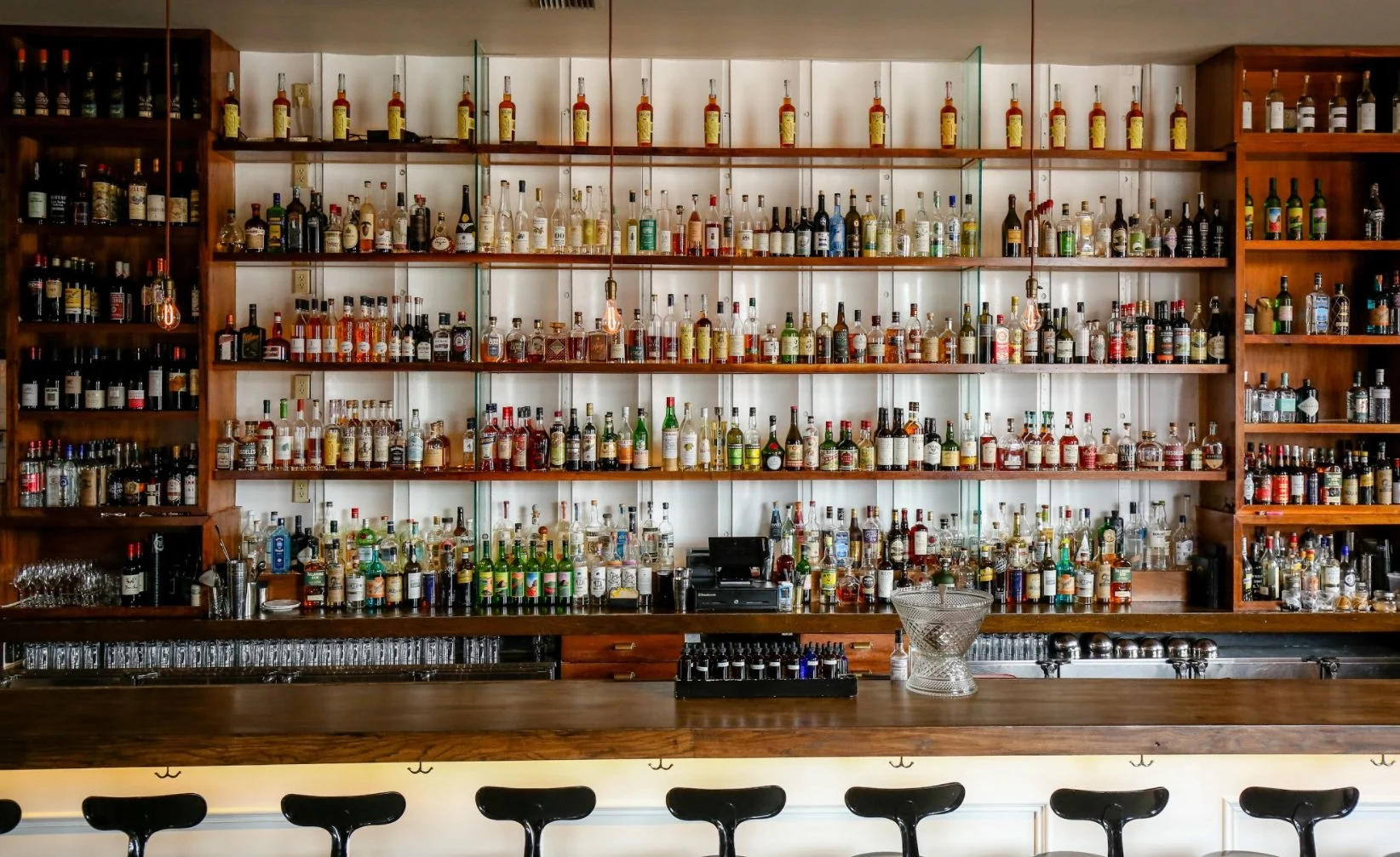
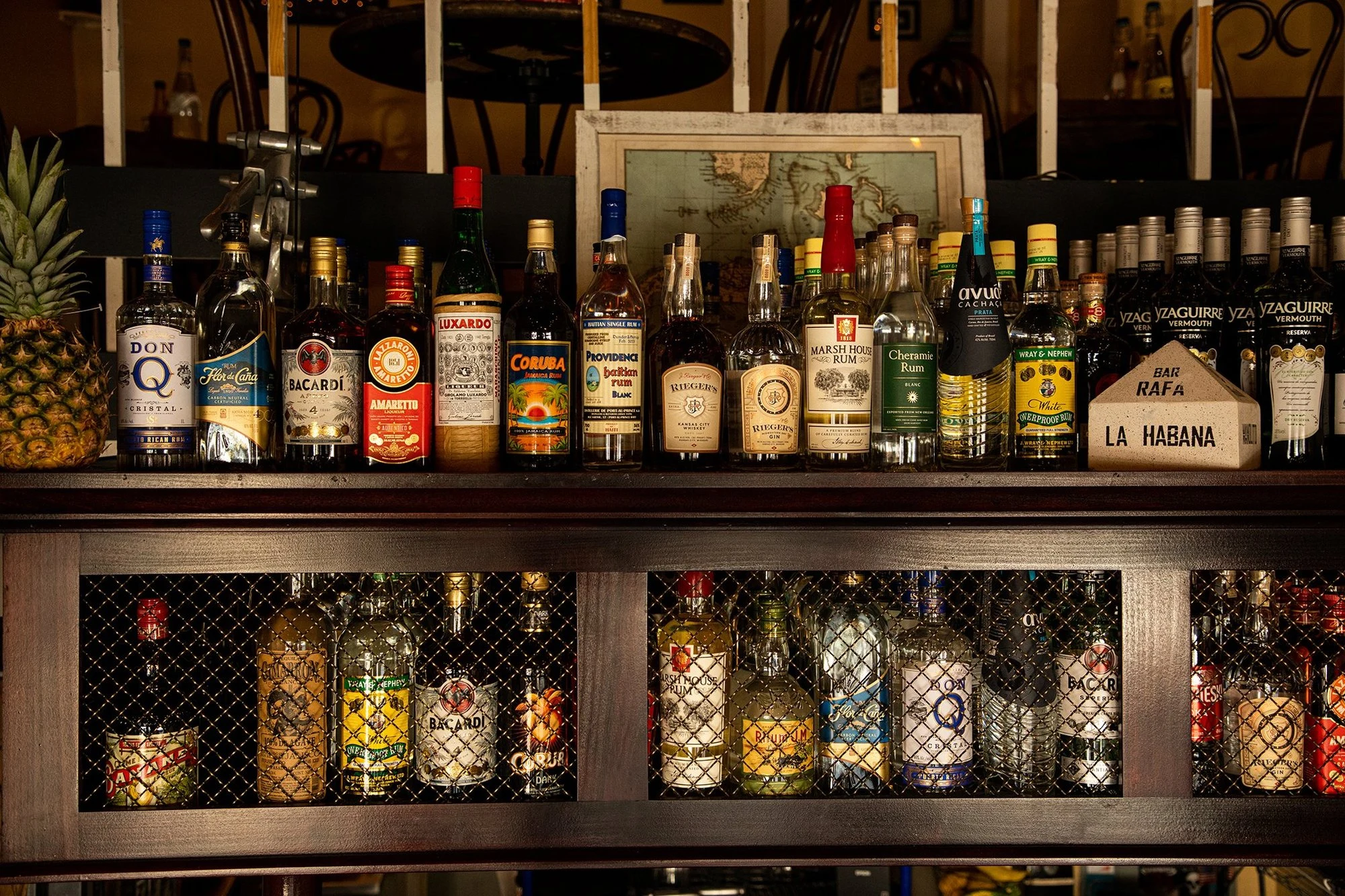
New Orleans has always been a Caribbean city in temperament, trade history, and flavour. Its relationship with rum, sugar, and Spanish Colonial influence predates the American acquisition of Louisiana, and that history gives a Cuban-leaning bar like Manolito a cultural anchor that would feel forced in, say, Minneapolis but reads as almost natural here. The bar draws on Havana's mid-century drinking culture, daiquiris in their true, unadorned form, mojitos without the corner-bar dilution, and a rum selection oriented toward aged and agricole expressions rather than the sweet mixing bottles that fill most back bars.
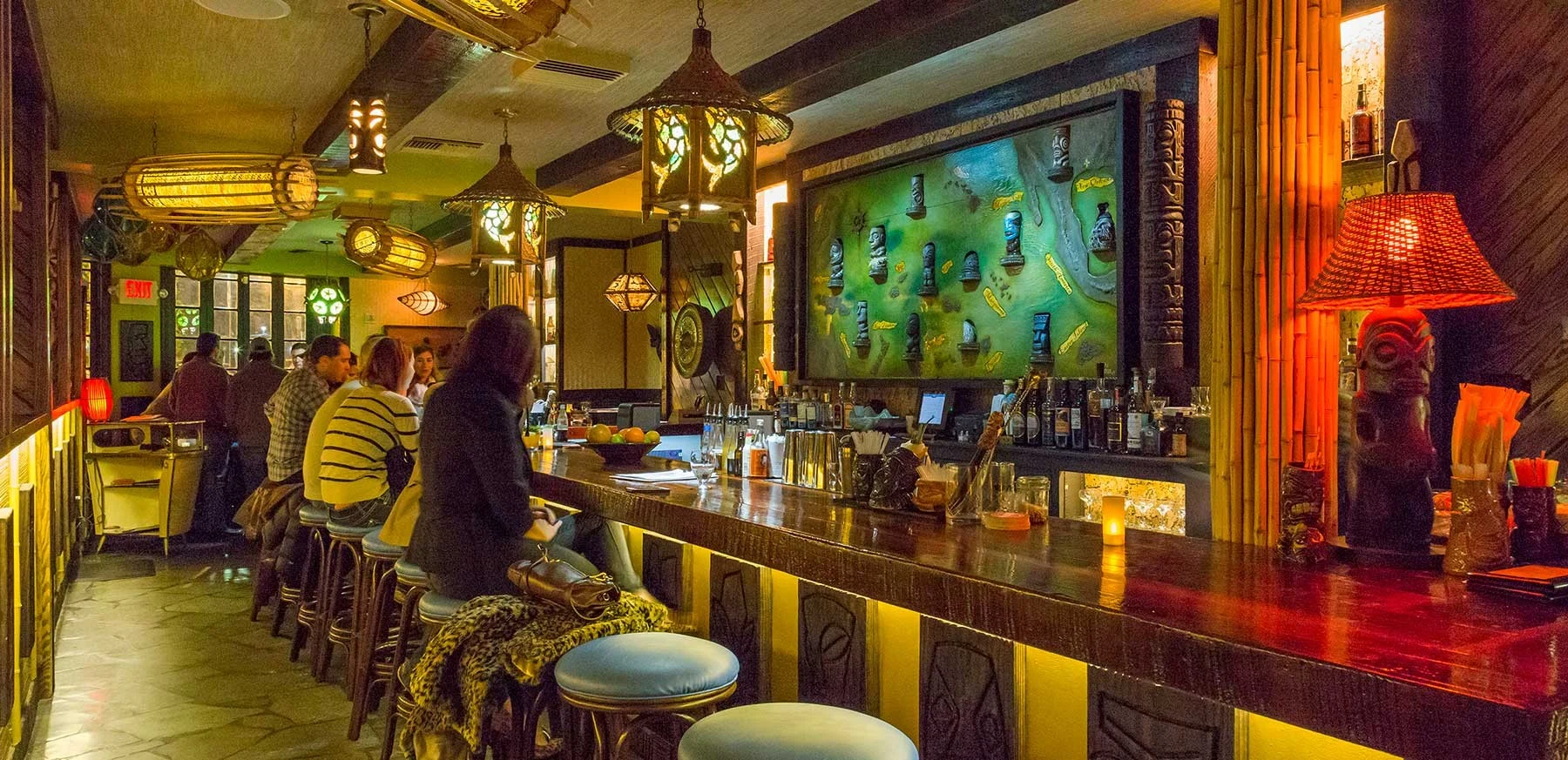
This Cuban register places Manolito in an interesting position relative to New Orleans' broader cocktail scene. The city's most recognised bars, Cure on Freret Street, Beachbum Berry's Latitude 29 in the Roosevelt Hotel, have built identities around distinct drink traditions: the former through rigorous American cocktail craft, the latter through tiki's specific canon. Manolito's Cuban focus is narrower in geographic reference but no less serious in execution. Across the wider American bar scene, this kind of focused-Caribbean approach appears in a handful of serious programs: Superbueno in New York City runs a similar Latin-inflected seriousness, and Julep in Houston has built its identity around a single spirit category with comparable discipline.
The French Quarter as Context, Not Liability
There is a tendency among cocktail enthusiasts to dismiss any French Quarter address as inherently compromised by tourism. That reading flattens the neighbourhood. The Quarter contains some of the city's most historically significant drinking establishments alongside its most cynically commercial ones, and the distinction between them has always been a matter of what the bar is actually doing behind the counter. Manolito's address on Dumaine, residential, quieter, away from the souvenir corridor, signals which category it belongs to without making a show of it.
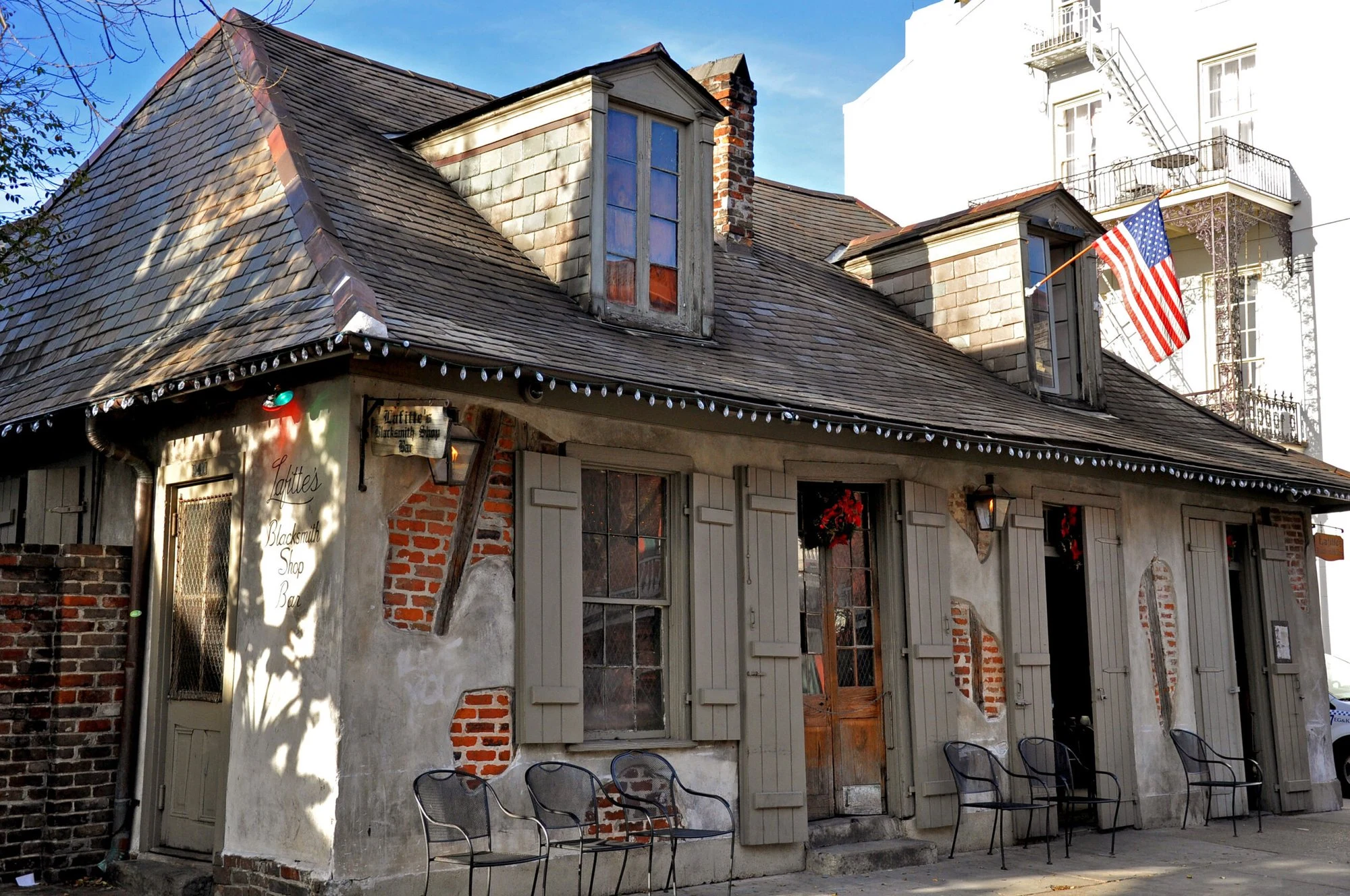
The physical environment on that block is consistent with the bar's register: narrow nineteenth-century buildings, the particular light quality of the lower Quarter in the evening, the ambient sound of a neighbourhood rather than a theme park. Visitors arriving from outside New Orleans often underestimate how much the Quarter's character changes street by street and block by block. Coming to Manolito from, say, the immediate vicinity of Jackson Square involves a short walk that functions as a genuine transition in atmosphere.
For context on how place-specific cocktail bars operate across the country at this level of focus, it is worth noting that bars like Kumiko in Chicago, ABV in San Francisco, and Allegory in Washington, D.C. each operate from a similarly defined conceptual position, a specific tradition or spirit category executed with enough seriousness to attract an audience beyond the immediate neighbourhood. Manolito belongs to that peer group, even if its address puts it in one of America's most visited tourist districts rather than a residential bar corridor.
Where It Sits in the New Orleans Drinking Order
New Orleans has a deep and well-documented cocktail history, the city's claim on the Sazerac, the Ramos Gin Fizz, and the Hurricane (however debased that last drink has become) is part of the public record. That history creates both an asset and a constraint for bars operating here: the reference points are rich, but there is constant pressure to either perform heritage or react against it. Manolito's Cuban angle represents a third path, drawing on a parallel Caribbean drinking culture that is adjacent to, but distinct from, the New Orleans canon.
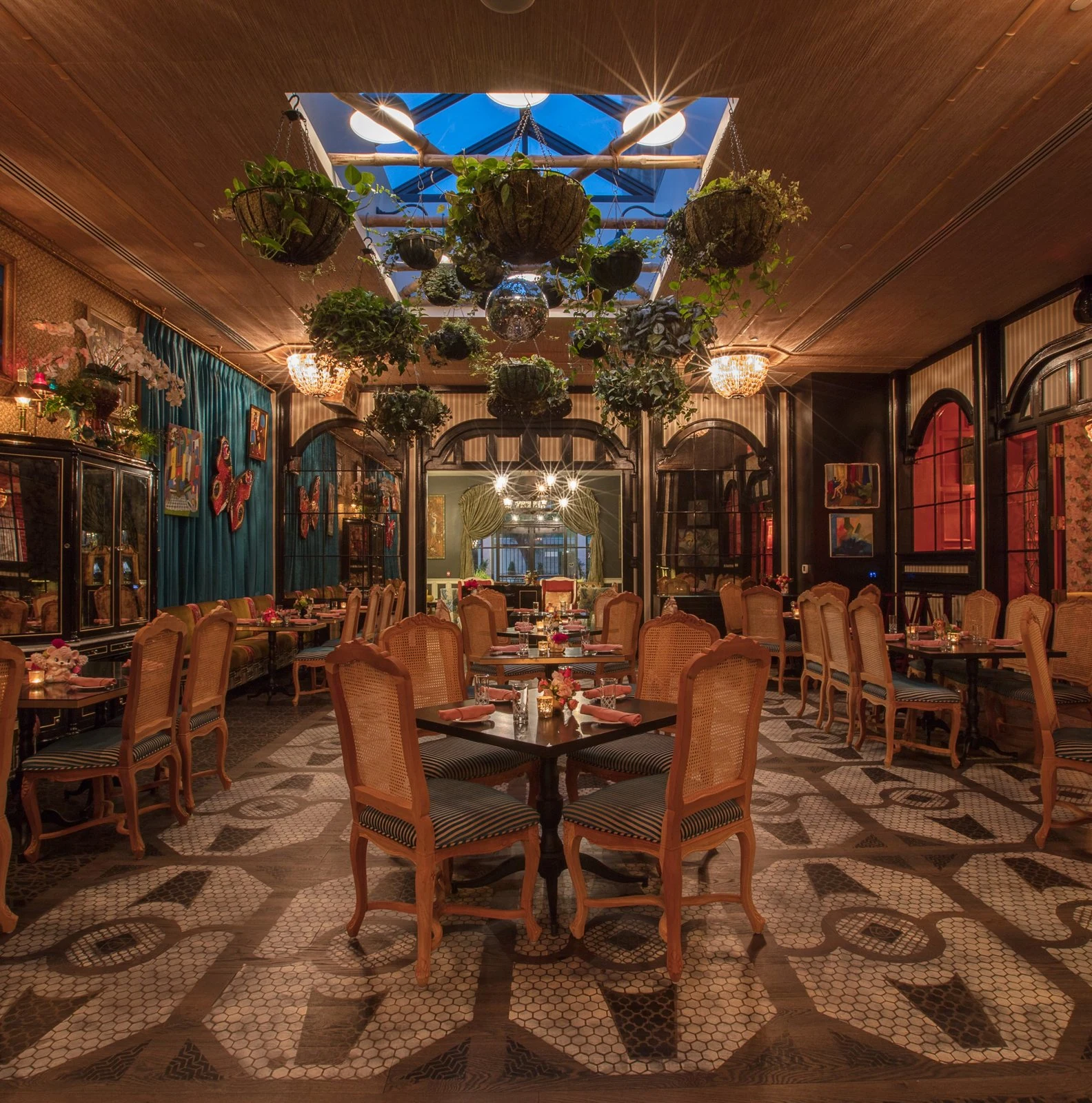
That positioning is coherent. It does not compete with the classic-cocktail focus of Jewel of the South or the tiki specificity of Latitude 29. It occupies a lane that the city's bar scene had not fully covered, and it does so from an address that the neighbourhood itself validates. Internationally, this kind of focused import of a specific Caribbean bar tradition into a different city context has become a recognisable format: The Parlour in Frankfurt on the Main similarly transplants a specific cocktail tradition into a city whose own drinking culture is defined by different defaults.
For those compiling a New Orleans drinking itinerary, Manolito fits logically between a stop at a heritage cocktail institution and something more contemporary. See our full New Orleans restaurants and bars guide for a fuller picture of how the city's scene maps across neighbourhoods. The bar also sits in reasonable walking distance of the Quarter's food corridor, making it a natural stop before or after dinner in the surrounding blocks. A companion listing worth noting for the non-drinkers or those eating earlier in the evening is 2 Phat Vegans, which operates in a completely different category but reflects the same tendency in New Orleans toward bars and food spots with a specific, committed identity rather than catch-all programming.
Planning a Visit
Manolito is located at 508 Dumaine Street in the French Quarter, a walkable distance from most Quarter hotels and a short ride from the CBD and Marigny. Given the bar's position in the neighbourhood's quieter residential section, the approach on foot from the river end of Dumaine is direct and gives a better sense of the block's character than arriving by rideshare directly to the door. Manolito is walk-in friendly and usually open Mon to Thu 3 to 11 PM, Fri to Sun 12 to 11 PM. Pricing is around $25 per person. The Quarter in general rewards visits on weeknights when foot traffic from the main strip does not spill into side streets, and Dumaine is no exception to that pattern.
Questions
Frequently asked
Who works at Manolito?
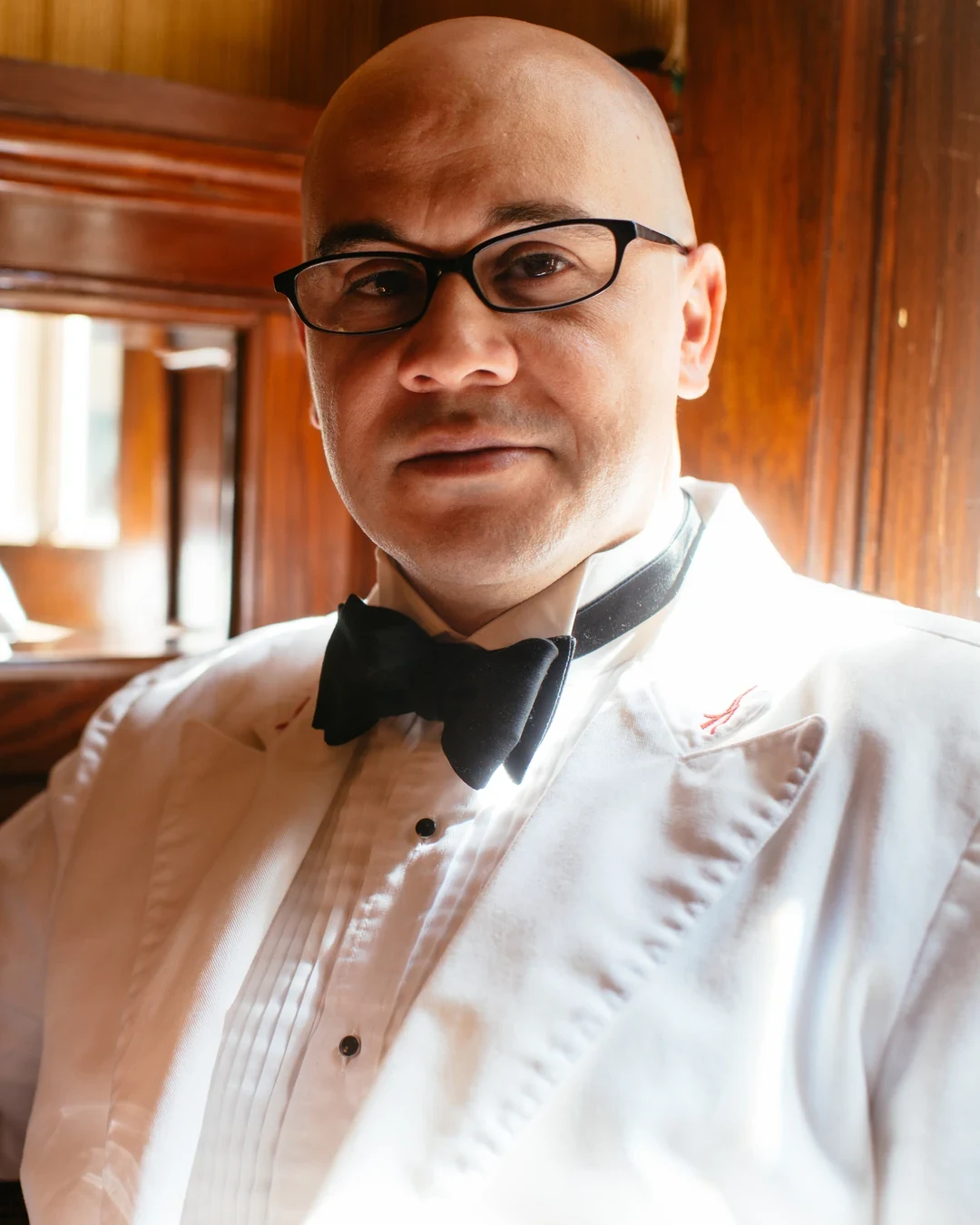
Made By profiles Chris Hannah (Other) at Manolito.
How expensive is Manolito?
Manolito is listed at a price level of $$.
The field
How it compares
| Place | Notes | Awards |
|---|---|---|
| Manolito | French Quarter, $$ | · |
| Beachbum Berry's Latitude 29 | New Orleans | World's 50 Best |
| Cure | New Orleans | World's 50 Best |
| Jewel of the South | New Orleans | · |
| Lafitte's Blacksmith Shop Bar | New Orleans | · |