Made ByRestaurant
Marcelle Restaurant
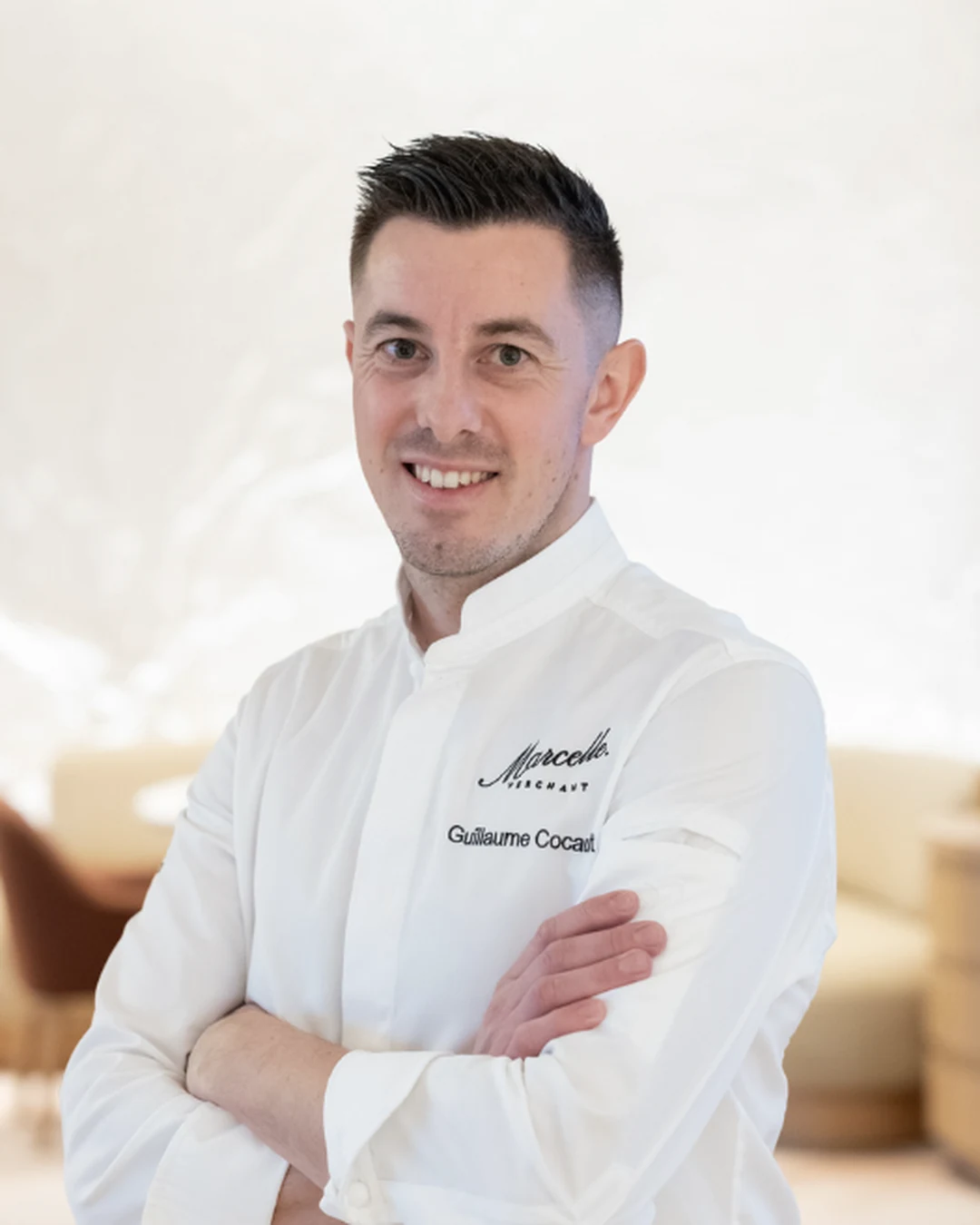
Chef in Residence
Guillaume Cocault
Chef
- 01CuisineModern French fine dining in a wine estate setting
- 02CityCastelnau Le Lez Montpellier, France
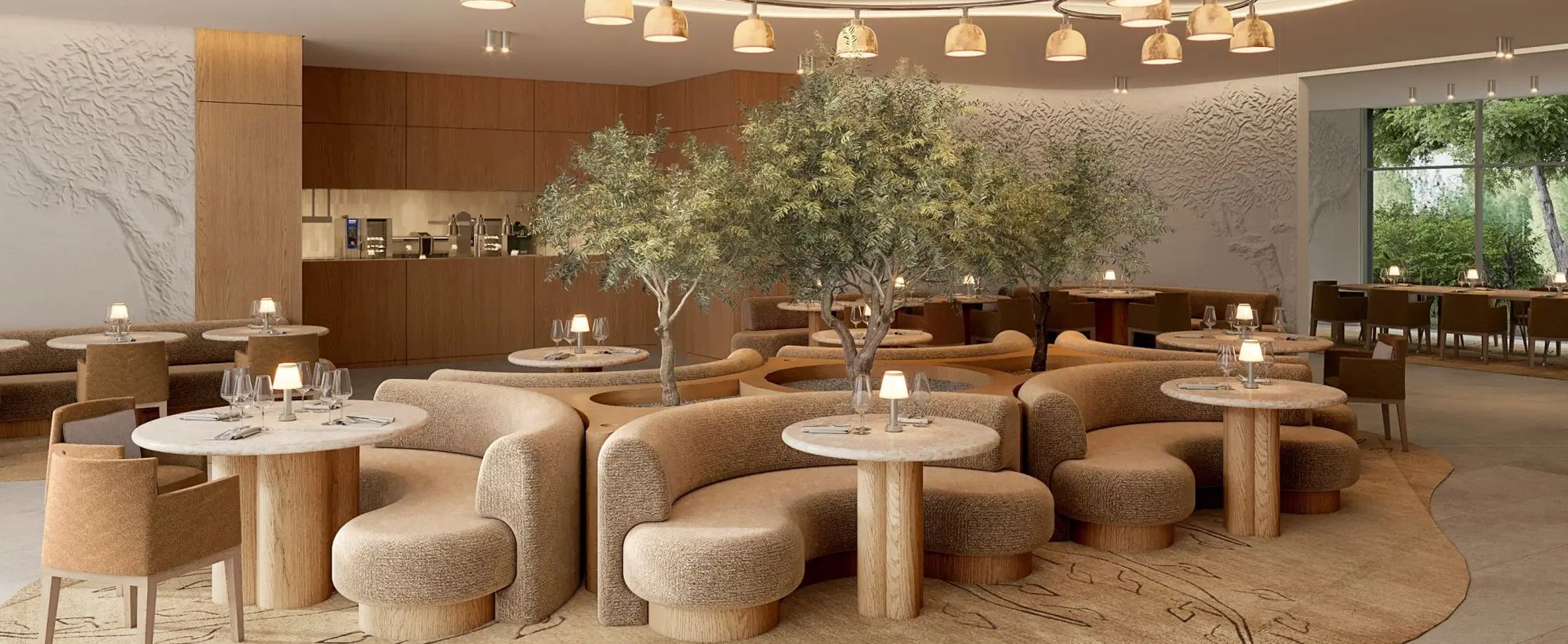
Marcelle Restaurant works in the terroir-led register of the Montpellier fringe, where market produce, estate-grown vegetables and nearby producers matter more than grand dining-room theatre. Chef Guillaume Cocault gives the cooking its authorship, but the point is regional expression: a table shaped by season, craft and the agricultural edge of Castelnau-le-Lez.
At a glance
- Cuisine
- Modern French fine dining in a wine estate setting
- Price
- $$$
- Per person
- $100
- Neighborhood
- Domaine de Verchant
<p>Approaching the eastern side of Montpellier, the city loosens into a different rhythm: boulevards, garden plots, low-rise residential edges and the agricultural memory that still sits close to the table in the Hérault. That setting matters at Marcelle Restaurant because terroir here is not a decorative word. It means vegetables grown on the estate where possible, produce selected from trusted local suppliers, and a kitchen vocabulary built around season rather than spectacle.</p><p>Castelnau-le-Lez occupies an interesting position in the Montpellier dining map. It is close enough to the city to share its appetite for contemporary restaurants, yet far enough from the historic centre to avoid the tourist-facing pressure that can flatten menus into clichés. The stronger addresses in this belt tend to define themselves through sourcing, pacing and a tighter relationship with producers. For a broader read on the local scene, see our full Castelnau Le Lez Montpellier restaurants guide, with nearby context across hotels, bars, wineries and <a href="https://www.enprimeurclub.com/experiences/castelnau-le-lez-montpellier">experiences</a>.</p><h2>Terroir cooking on Montpellier's suburban edge</h2><p>The useful way to read this table is against the modern French return to locality. Across France, terroir-led restaurants have moved beyond rustic nostalgia: the sharper versions use regional produce as a discipline, not a costume. Marcelle Restaurant sits in that category, with an emphasis on seasonal produce, artisanal savoir-faire and ingredients drawn either from its own vegetable garden or from local producers. That combination gives the kitchen a clear brief: cook from the land around Montpellier without reducing the region to a postcard.</p><p>Chef Guillaume Cocault is the named author of the restaurant’s culinary direction, but the chef story is valuable here only because it explains the cooking’s centre of gravity. His role is not framed through biography or grand personal myth; it is expressed through a produce-first approach in which human craft and agricultural quality carry equal weight. In a region where tomatoes, herbs, olive oil, Mediterranean fish routes and inland farming all shape the pantry, that restraint is a serious choice. The kitchen’s stated focus on seasonal produce also places timing at the heart of the experience: what matters in spring will not be identical to what matters late in summer or during the cooler months.</p><p>Among nearby comparables, La Plage dans les Vignes offers a useful local contrast through its bistro-style register. Marcelle belongs to a more terroir-explicit lane, closer in spirit to restaurants where the relationship between garden, producer and kitchen is the organizing principle. Out-of-metro comparisons such as La Langouste sur le Toit, Le Deck and Cortil point to the same broader category: French dining that treats origin, craft and seasonality as structural decisions rather than menu decoration.</p><h2>A chef-led table without chef-as-celebrity theatre</h2><p>The stronger terroir restaurants in France tend to avoid two traps. One is the museum version of regional cooking, where heritage becomes static. The other is technique-heavy dining that could happen in any affluent city. Marcelle’s positioning suggests a middle course: the producer network and vegetable garden anchor the restaurant locally, while Cocault’s hand gives the cooking enough authorship to move beyond simple market cooking. That is the kind of table that makes sense in the Montpellier orbit, where the Mediterranean climate meets Languedoc agriculture and the restaurant scene increasingly rewards specificity.</p><p>This also makes the restaurant a useful counterpoint to broader French destination dining. A Paris address such as <a href="https://www.enprimeurclub.com/restaurants/114-faubourg-paris-restaurant">114, Faubourg</a> operates inside a different economy of service, address and capital-city polish. Alpine and resort tables such as [S] Corner in Courchevel, <a href="https://enprimeurclub.com/restaurants/1920-megeve-restaurant">1920 in Megève</a> and <a href="https://enprimeurclub.com/restaurants/16ame-le-monetier-les-bains-restaurant">16âme in Le Monêtier-les-Bains</a> answer to mountain-season demand and a different produce calendar. Marcelle’s interest lies in a lower-key but more regionally fixed proposition: Montpellier-area terroir, interpreted through a chef-led kitchen rather than hotel-dining ceremony.</p><p>For readers mapping France through regional tables, the comparison is instructive. <a href="https://www.enprimeurclub.com/restaurants/1217-bagnols-restaurant">1217 in Bagnols</a>, 1387 in Strasbourg, 14 Avenue in La Baule, 1860 Le Palais in Marseille, 1899 in Tourgeville and....Et la Fourmi in Nantes each sit in their own local ecosystem. The relevant question is not which city wins, but how each kitchen translates place into a meal. Marcelle’s answer is rooted in garden produce, nearby artisans and the agricultural vocabulary of southern France.</p><h2>Who should put it on the Montpellier map</h2><p>This is the more compelling choice for diners who want the Montpellier area without reducing dinner to the historic-centre circuit. The address in Castelnau-le-Lez makes sense for travellers already exploring the city’s eastern side, staying outside the core, or building a food-led itinerary that includes producers, wineries and quieter neighbourhoods rather than only central squares. The restaurant’s appeal is strongest for guests who care about sourcing and seasonality, and weaker for those seeking a heavily theatrical format.</p><p>Its category also connects beyond France. Terroir-led dining is not a French monopoly: 4 Sajons in Ortisei Val Gardena and ALMA Restaurant in Tr Na show how regional expression changes when the pantry shifts from Mediterranean France to mountain Italy or the Adriatic. Marcelle’s place in that wider conversation is clear: it is a southern French address where terroir is treated as the main argument, with Chef Guillaume Cocault’s cooking acting as the translation.</p>
Know before you go
- Dress code
- smart_casual
- Reservations
- recommended
- Parking
- on_site_lot
- Payment
- cash, credit_card, debit_card, contactless
- Accessibility
- wheelchair_accessible, accessible_parking
- Outdoor seating
- Yes
- Groups
- Welcomed
Frequently asked
Is Marcelle Restaurant child-friendly?
Marcelle Restaurant is better suited to adults than a family-style lunch, given its terroir-led, chef-driven approach in Castelnau Le Lez Montpellier. The address is 1 Boulevard Philippe Lamour, which points to a destination dinner rather than a casual children’s outing.
What kind of setting is Marcelle Restaurant?
It is a terroir-focused restaurant in Castelnau Le Lez Montpellier, led by Chef Guillaume Cocault. The cooking draws on seasonal produce, the estate’s own vegetable garden, and trusted local producers.
Does Marcelle Restaurant have a Michelin star or similar recognition?
Marcelle Restaurant has received recognition including: Marcelle Restaurant flourishes under Chef Guillaume Cocault, who draws his inspiration from seasonal produce and artisanal savoir-faire. Whether cultivated in the estate's own vegetable garden or sourced from trusted local producers, the qu….
What's the cuisine at Marcelle Restaurant?
Marcelle Restaurant serves Expression of the terroir cuisine.
Where do I go for Marcelle Restaurant?
Marcelle Restaurant is located at 1 Boulevard Philippe Lamour, Castelnau Le Lez Montpellier.
Is Marcelle Restaurant chef-led?
The chef associated with Marcelle Restaurant is Chef Guillaume Cocault.
Do they take walk-ins at Marcelle Restaurant?
The venue sits at 1 Boulevard Philippe Lamour in Castelnau Le Lez Montpellier, so the practical assumption is a planned dinner rather than a spontaneous drop-in. Its chef-led format and seasonal focus make advance planning the safer approach.
Address
1 Boulevard Philippe Lamour
Domaine de Verchant
How it compares
- Cuisine
- Modern French fine dining in a wine estate setting
- Price
- $$$
- Awards
- —
- Notes
- Domaine de Verchant
- Cuisine
- Modern French Sharing Bistro
- Price
- $$$
- Awards
- —
- Notes
- Port Marianne
- Cuisine
- French Steakhouse
- Price
- $$$
- Awards
- —
- Notes
- Comédie
- Cuisine
- Provençal Bistro
- Price
- $$$
- Awards
- —
- Notes
- Historic Center
- Cuisine
- Traditional French Provençal
- Price
- $$$
- Awards
- —
- Notes
- Nimes
- Cuisine
- Creative Provençal French
- Price
- $$$
- Awards
- —
- Notes
- Carry-le-Rouet
In residence
Similar places
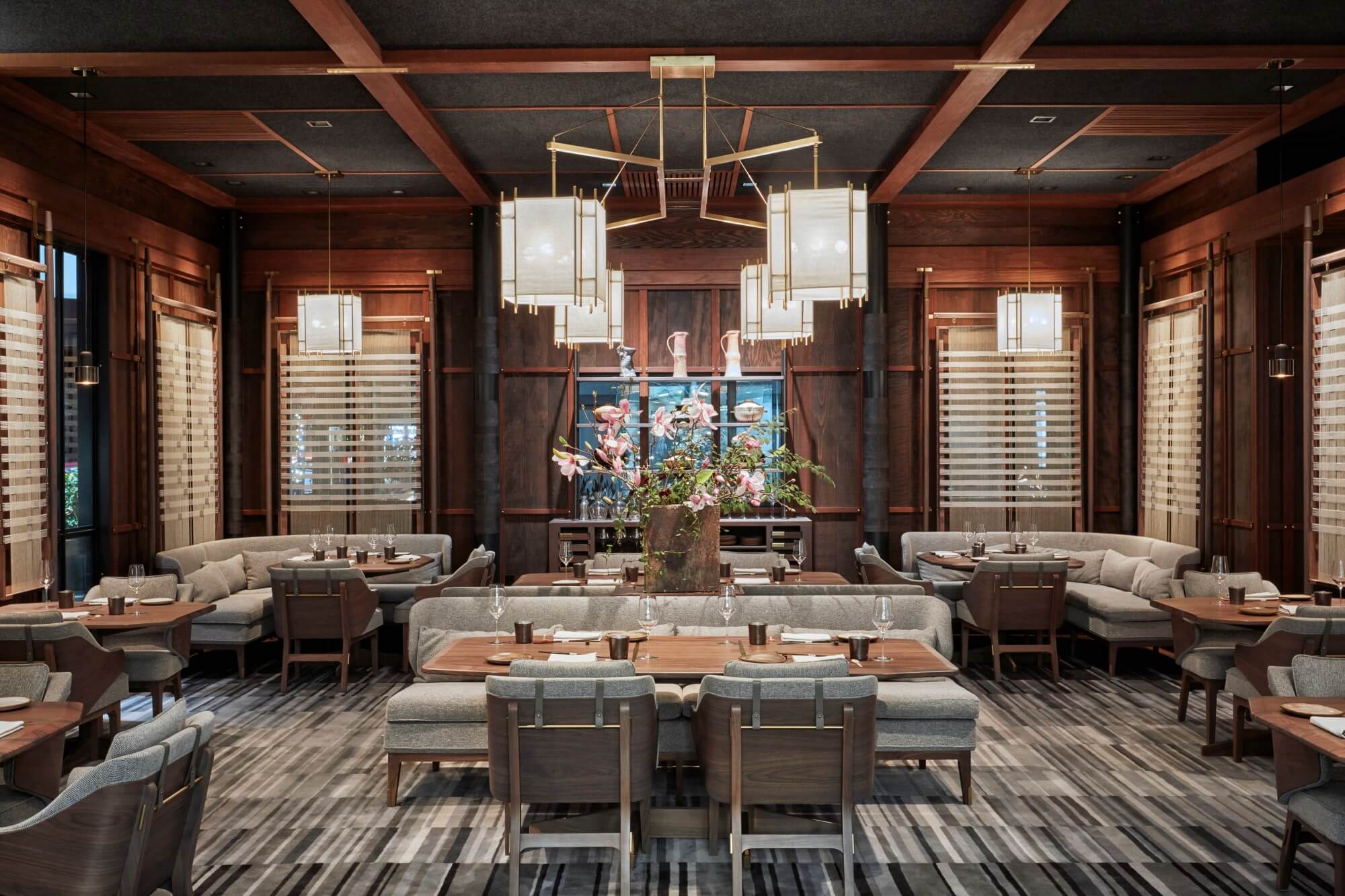
Japanese-influenced Californian Kaiseki
Single Thread Farm
Healdsburg, United States
★★★ · 50 Best
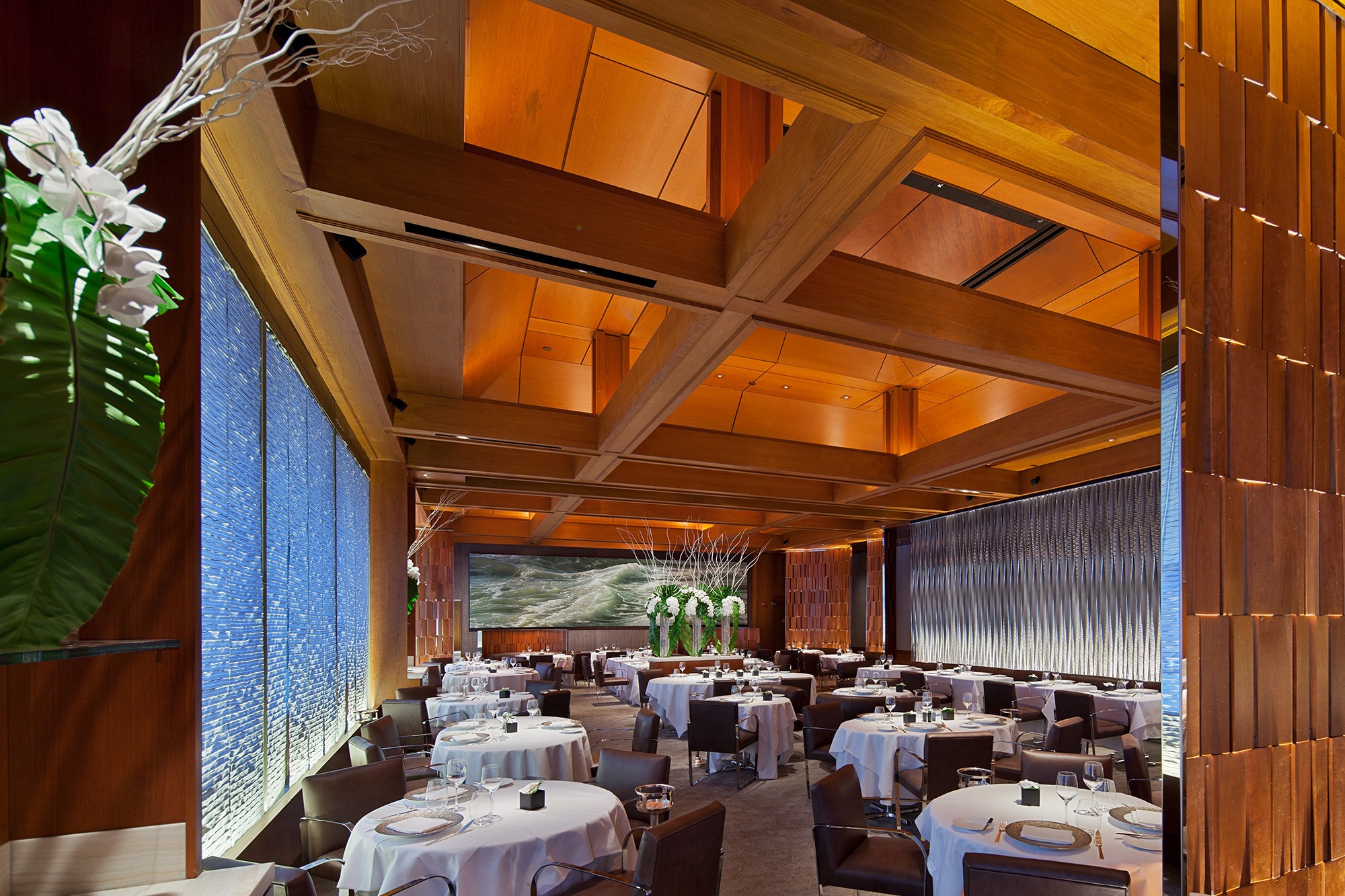
French Seafood Fine Dining
Le Bernardin
New York City, United States
★★★ · 50 Best
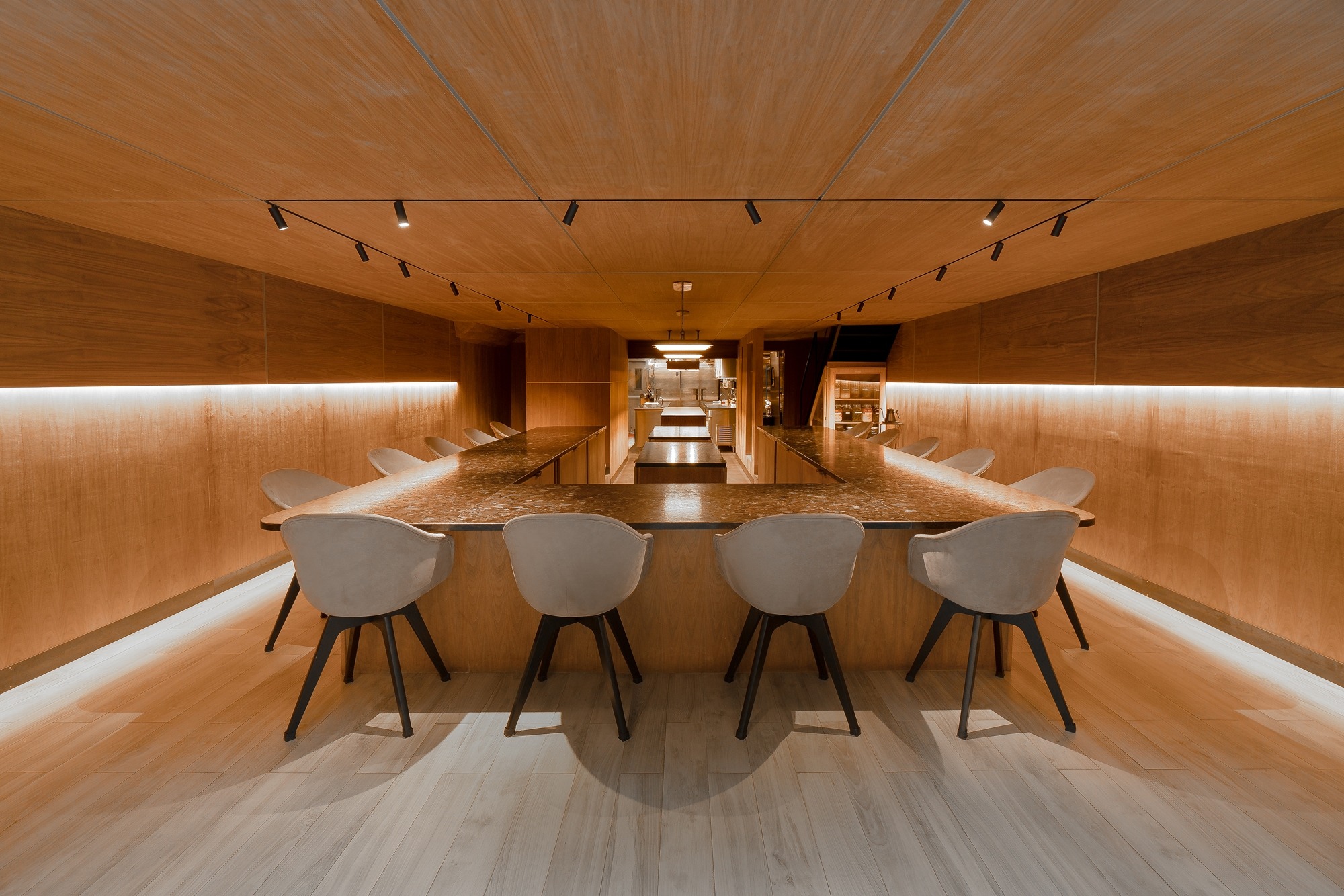
Modern Korean Tasting Menu
Atomix
New York City, United States
★★ · 50 Best
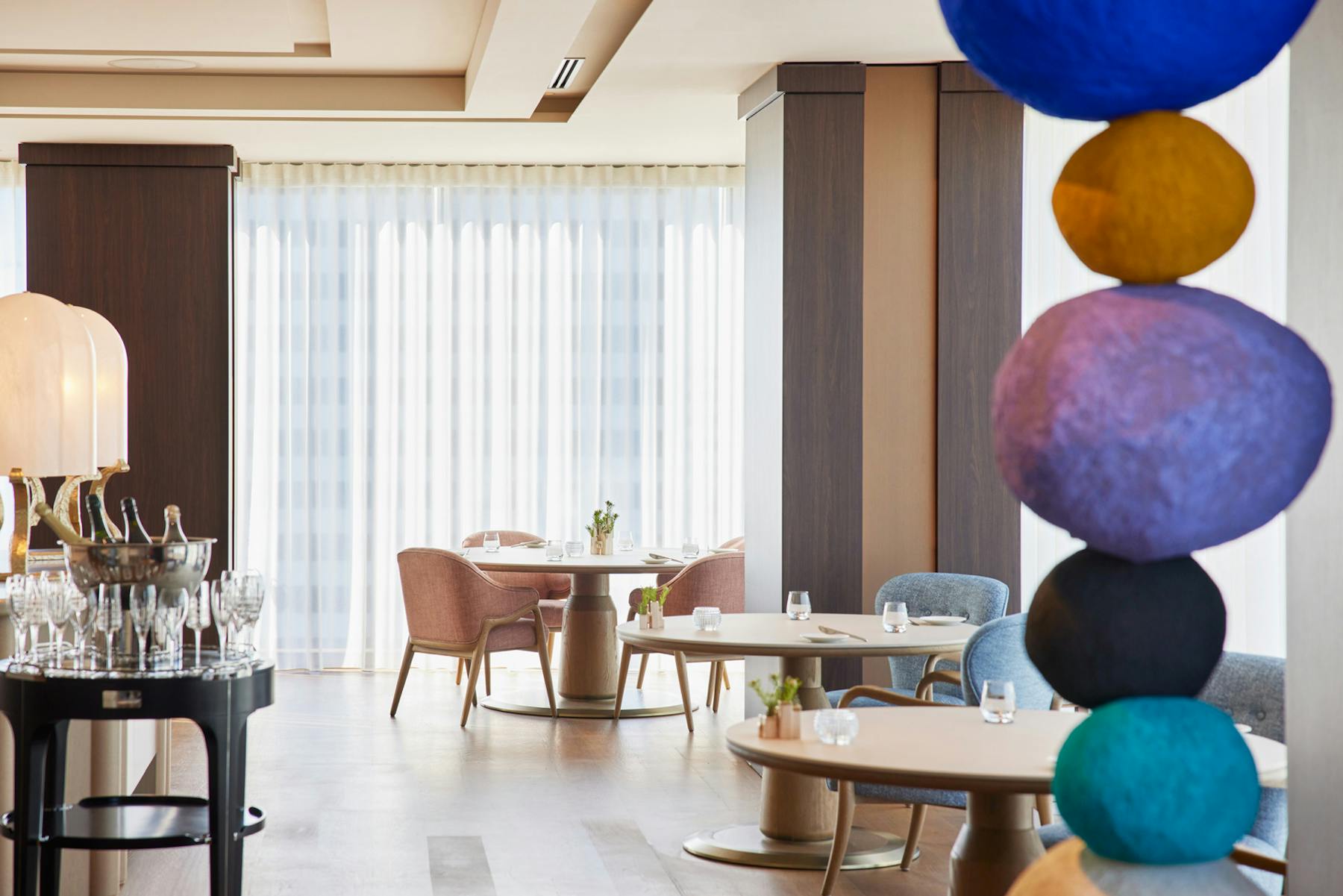
French
Sézanne
Tokyo, Japan
★★★ · 50 Best
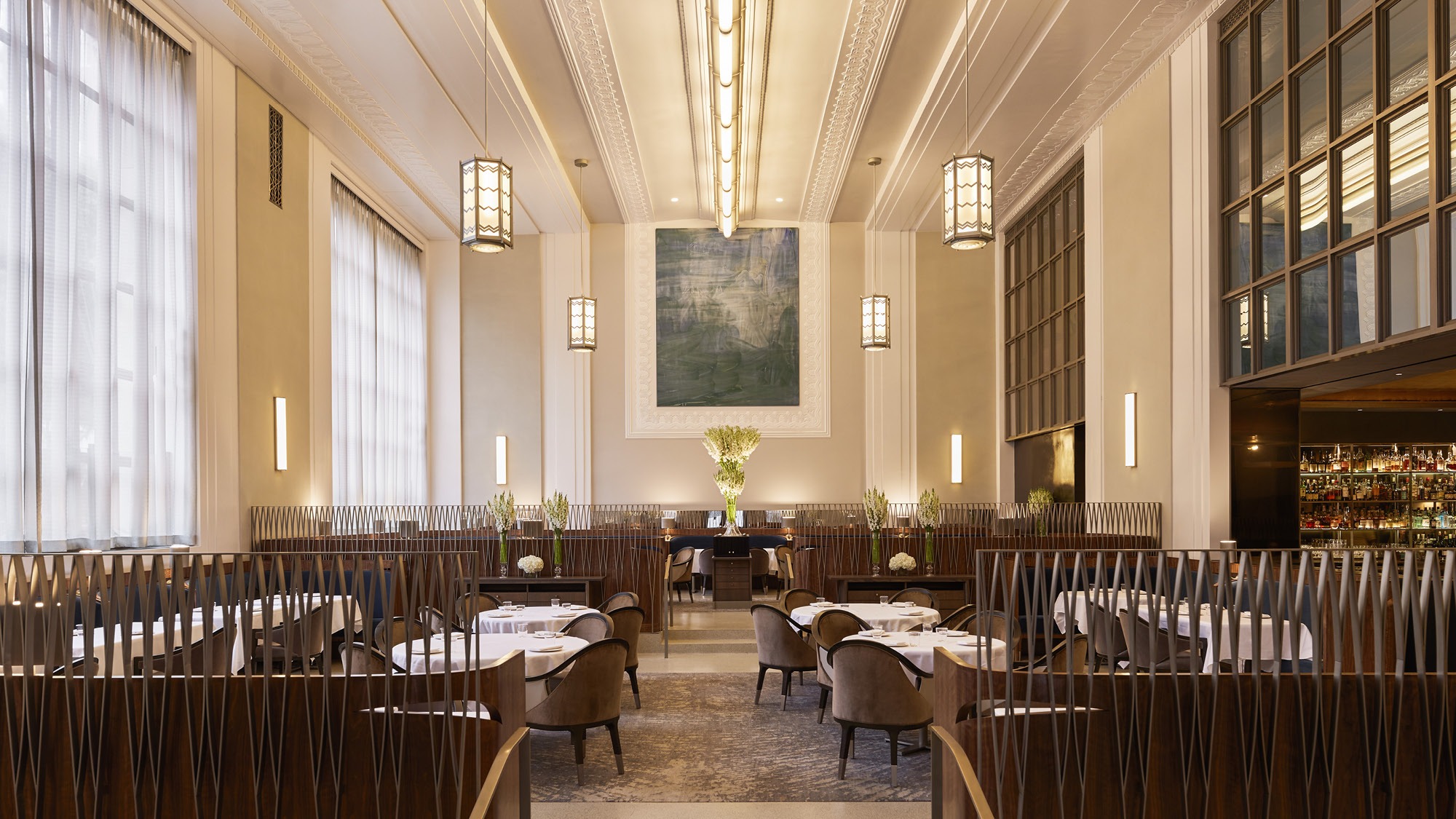
Contemporary Plant-Based Fine Dining
Eleven Madison Park
New York City, United States
★★★ · 50 Best
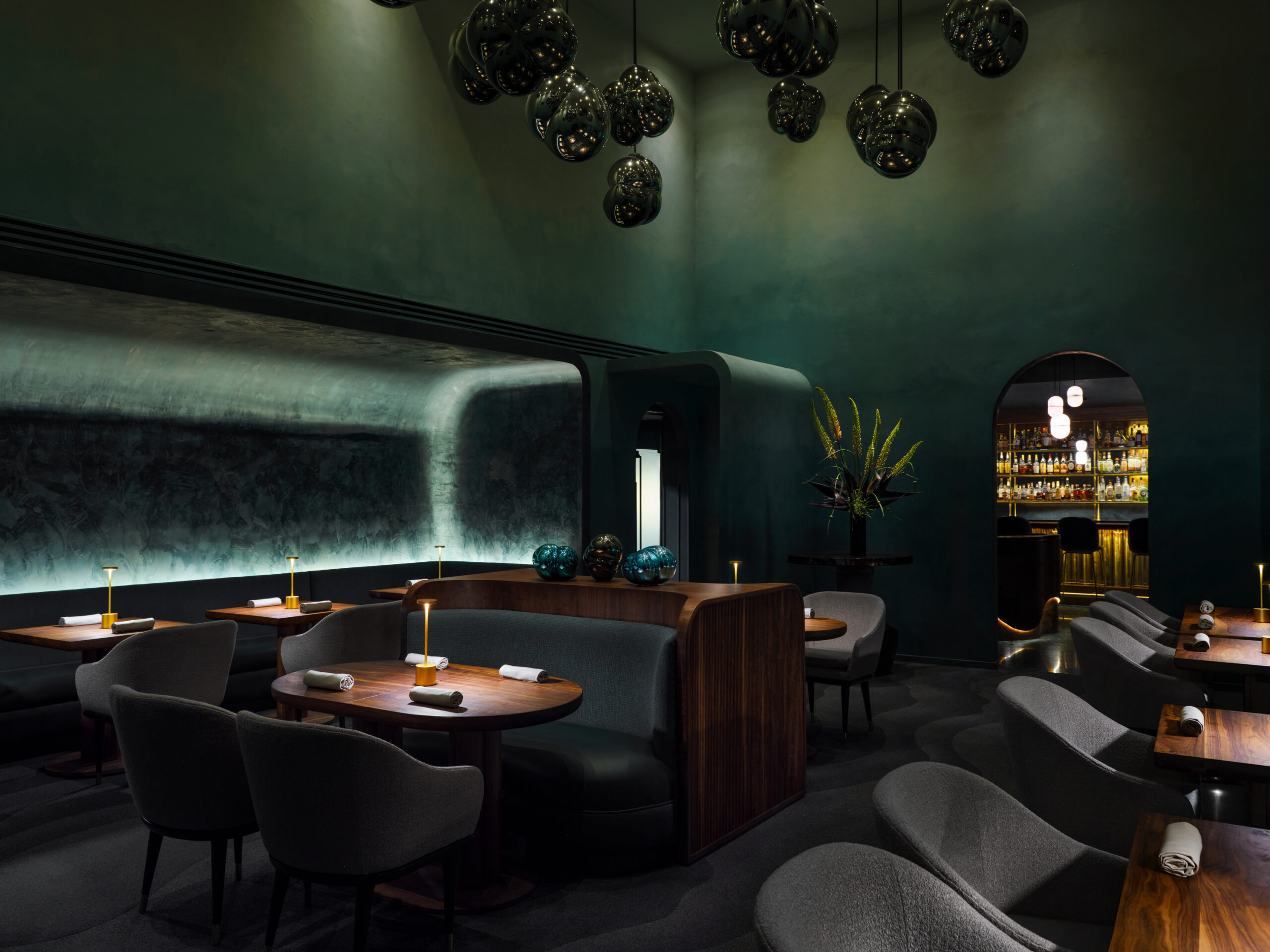
Modern Seafood Fine Dining
Providence
Los Angeles, United States
★★★ · 50 Best