Marquès de Montecierzo
- 01CityCastejon, Spain
- Falstaff Winery - 1 Stars · 2026
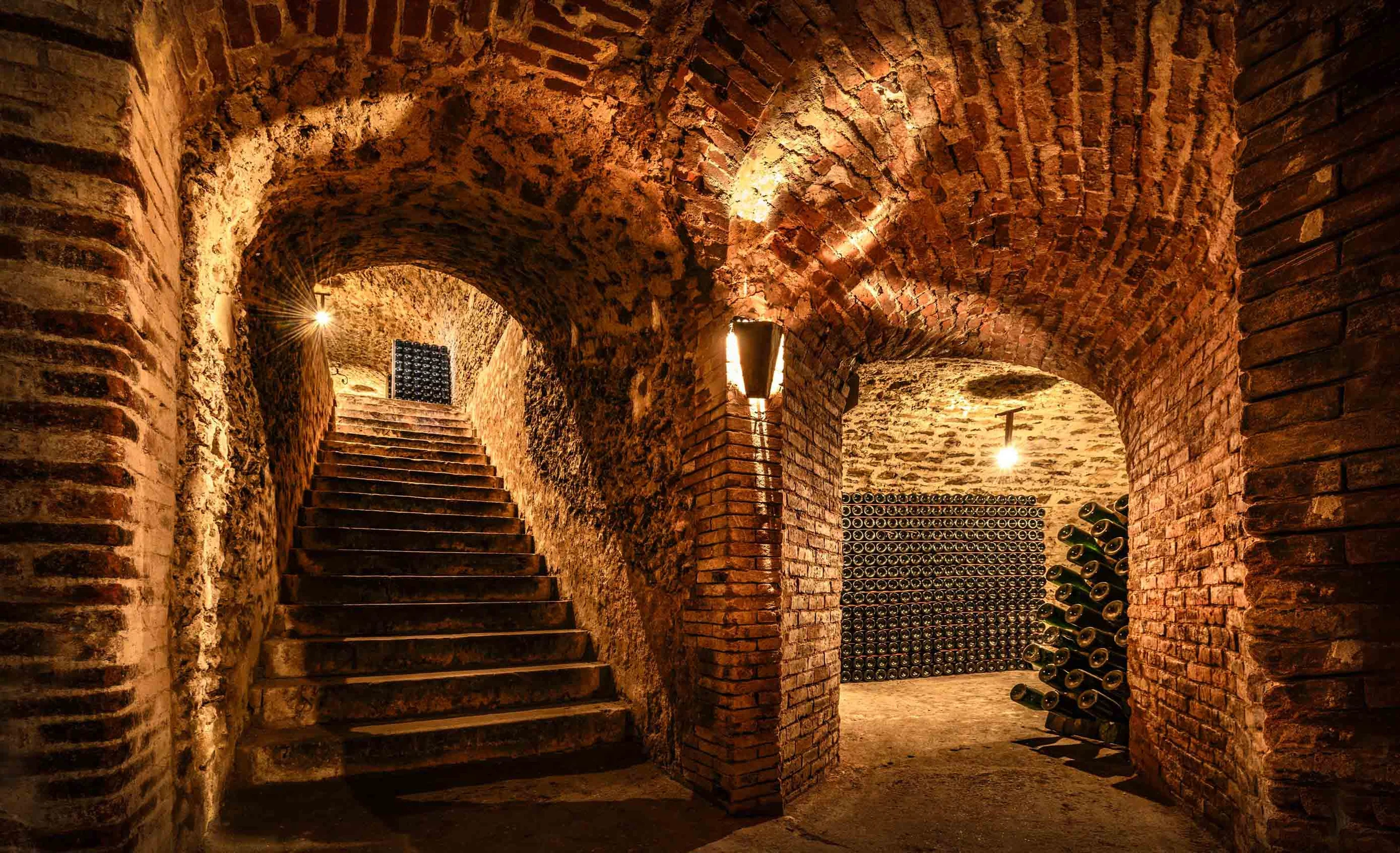
Stone basements change the tempo of a winery visit. At Marquès de Montecierzo in Castejon, the setting is not a decorative footnote but the main reason the visit stands out: a historic, rustic-industrial winery housed in a rehabilitated early-1900s flour mill. The building’s stone basements, museum machinery and warm family-run atmosphere give the experience a clear sense of place before a glass is poured.
The appeal is not simply nostalgia for old masonry. In a winery visit, architecture matters when it helps visitors understand how a working site can also carry local memory. Here, the rehabilitated flour mill frames the experience around wine culture, didactic tastings and the physical atmosphere of an older industrial building returned to use. The result is a visit that feels slower, more grounded and more interpretive than a quick stop built only around buying bottles.
A Castejon winery where the building shapes the visit
Marquès de Montecierzo is best understood through its setting. The facts point to a historic building with rustic-industrial character: stone basements, visible museum machinery and the scale of a family-run place rather than an anonymous tasting room. That combination gives visitors a concrete way to connect wine with site, craft and local heritage.
Because the available information is focused on the venue and atmosphere, it is better not to overstate the wine program with unconfirmed details about grape varieties, production scale, barrel choices or specific bottle styles. What can be said with confidence is that the experience is centered on wine culture and didactic tastings. In practice, that means the visit is presented as educational as well as sensory: the building, the machinery and the family-run tone all support the tasting rather than sitting outside it.
This is the kind of place where the room itself does part of the explaining. Stone basements suggest the old working logic of the structure; museum machinery keeps the former industrial life visible; and the rehabilitated mill gives the winery a strong identity before any discussion turns to individual wines. For visitors who prefer context over speed, that is the main draw.
The visit is built for learning, not for speed
The strongest theme at Marquès de Montecierzo is its didactic approach. Rather than presenting the winery as a fast, high-volume tasting stop, the available description points to a warm, family-run atmosphere focused on helping visitors understand wine culture. That makes it especially suitable for travelers who want explanation, setting and conversation to matter as much as the tasting itself.
It is also important to be precise about what is not confirmed. Those details may matter for planning, but they should be checked directly before a visit rather than assumed from an overview. The dependable editorial takeaway is narrower and more useful: this is a Castejon winery visit defined by a historic rehabilitated mill, stone basements, museum machinery and a family-run educational atmosphere.
The listed price is $11 per person. That gives the venue a clear planning reference, but it should not be expanded into claims about packages, inclusions or separate tasting tiers. If you are comparing options for a Castejon itinerary, treat the price as a starting point and confirm current details directly with the venue before arranging a visit.
The family-run character also matters because it sets expectations. This is not described as a glossy, large-scale hospitality complex or a restaurant-driven winery experience. The portrait is more intimate: rustic, historic, iconic in its building character, and oriented toward learning. Visitors who enjoy adaptive reuse, wine education and atmospheric cellar spaces are the natural audience.
How to fold it into a Castejon wine itinerary
In Castejon, Marquès de Montecierzo works well as the anchor for a slower wine-focused stop. The reason to go is the combination of a rehabilitated early-1900s flour mill, stone basements, museum machinery and a guided, educational sensibility around wine culture. That is enough to distinguish it from more generic tasting rooms, even without relying on claims about awards, menus, production details or services.
For broader trip planning, keep the comparison local and simple: look at other dining or hospitality options in Castejon generically, then decide whether Marquès de Montecierzo fits the pace of the day. If the priority is a historic winery setting and a didactic tasting atmosphere, it belongs high on the list. If the priority is a full restaurant meal, nightlife or a detailed service package, those elements are not established by the venue data and should be researched separately.
The editorial read is clear: come for a grounded Castejon winery visit where the building, family-run hospitality and wine culture are inseparable. The value is not in a long list of unconfirmed features, but in the core: a rustic-industrial historic mill, stone basements, museum machinery and a warm educational tasting atmosphere at $11 per person.
Questions
Frequently asked
How expensive is Marquès de Montecierzo?
Marquès de Montecierzo is listed at a price level of $$.
The field
How it compares
| Place | Notes | Awards |
|---|---|---|
| Marquès de Montecierzo | Castejón, $$ | · |
| Abadía Retuerta | Sardón de Duero | World's 50 Best |
| Champagne Salon | Le Mesnil-sur-Oger | · |
| Château Cheval Blanc | Saint-Émilion | · |
| Château Pape Clement | Pessac | World's 50 Best |
| Domaine Georges Roumier | Chambolle-Musigny | · |
| Screaming Eagle | Napa | · |