Masala an TAKUMI
- 01CuisineIndian Fusion with Japanese & French Influences
- 02CityNara, Japan
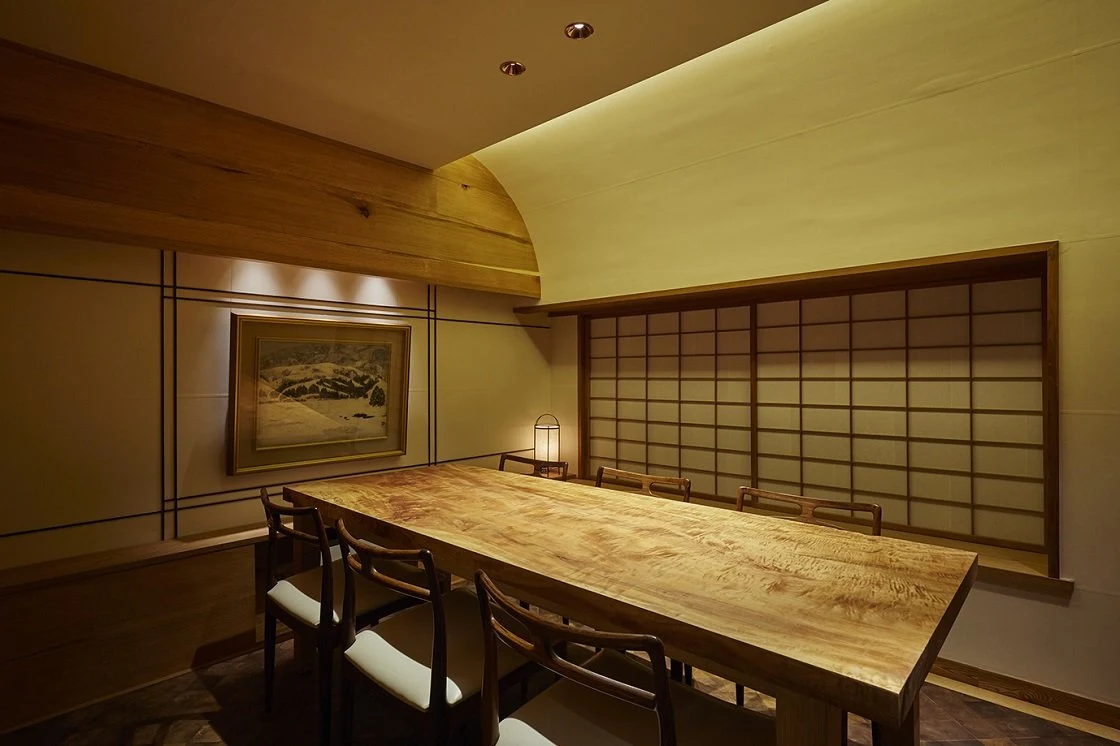
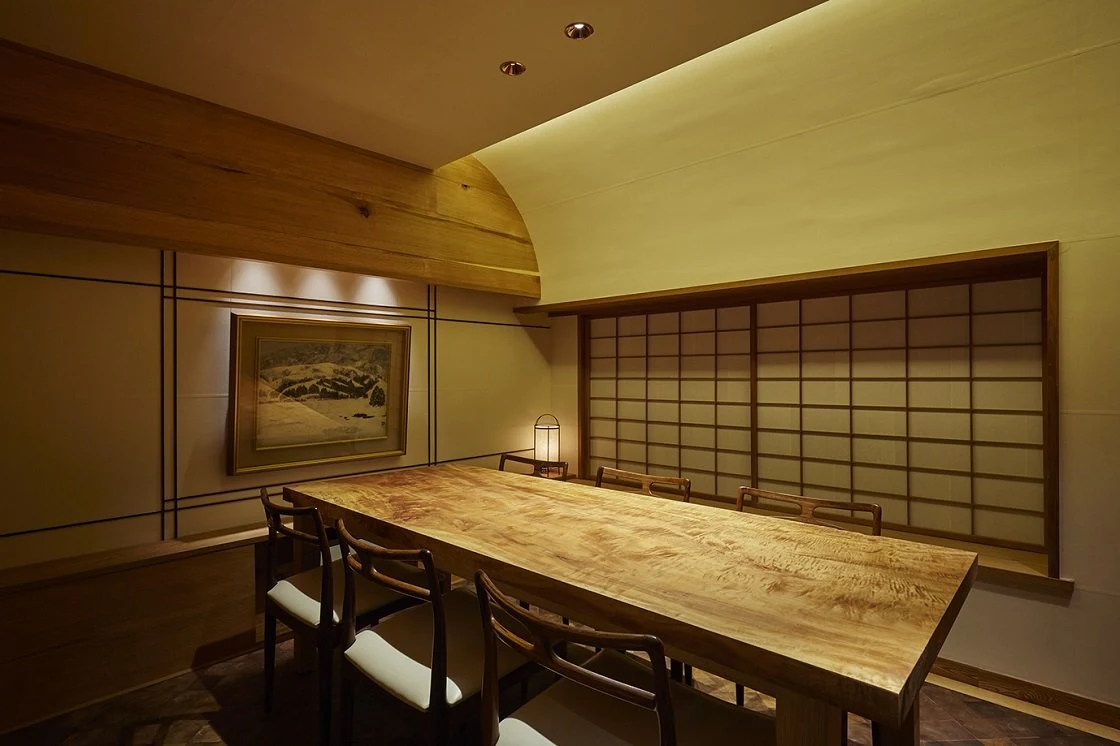
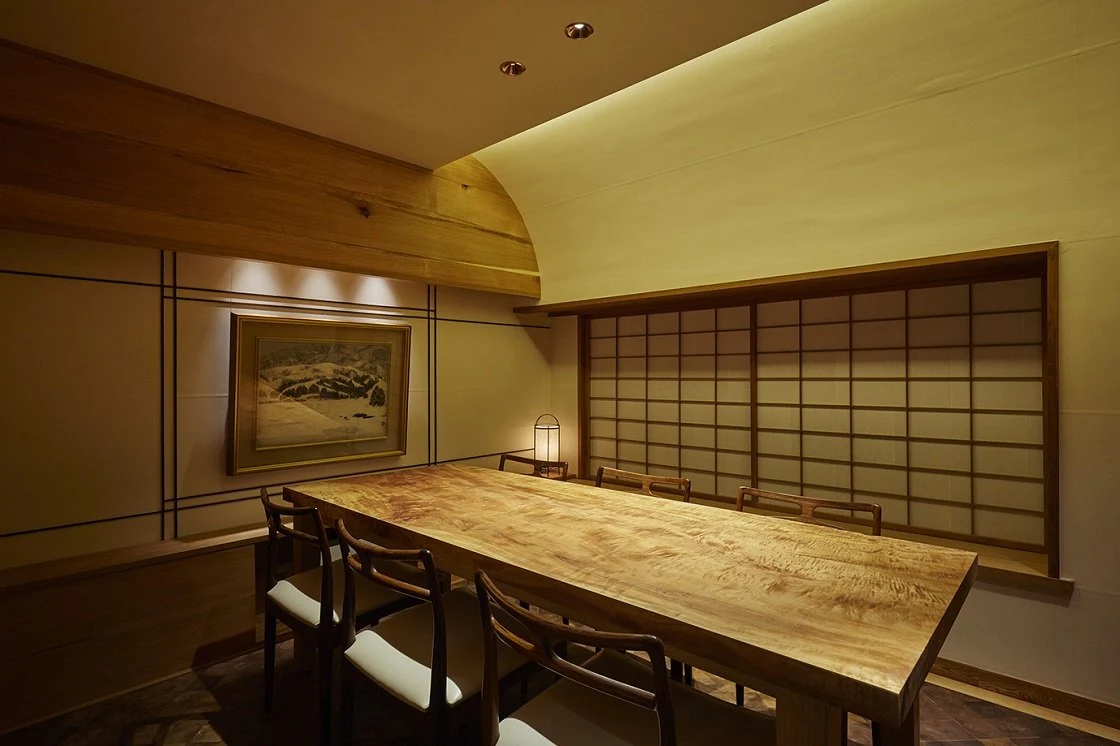
Masala Hassun in a farmhouse room
- Michelin Bib Gourmand · Michelin Guide
- Michelin Bib Gourmand · 2026
- Michelin Bib Gourmand · 2025
- Michelin Bib Gourmand · 2024
Spice worked through a Nara station
The masala is handled as a decision, not a flourish. Takumi Sakanaka runs Masala an TAKUMI in Nakamachi, Nara, an Indian kitchen shaped by Japanese ingredients and French technique, and the name of the house translates as a hermitage of spices. He opened it on 10 April 2015 after converting the building himself, and his wife handles the service, so the whole operation stays inside two pairs of hands.
That scale matters in Nakamachi. The restaurant sits in a renovated 160-year-old Japanese rice farmhouse, a setting that could easily turn the cooking into atmosphere. The kitchen instead carries its argument through the plate: Indian spice, local sourcing, Japanese pacing, and French presentation held in the same pass. The restaurant has Bib Gourmand recognition in 2025 and 2024, a category built around good cooking at good value rather than spectacle. The task is not to make Indian food louder for its old timbered setting. It is to keep the hand steady enough that curry, tandoori heat, somen, and gratin can share one progression without losing their edges.
A set menu built on spice and sequence
The program runs through a set menu, with the work concentrated in sequence rather than choice. Masala Hassun opens the frame: an appetizer form borrowed from the Japanese hassun idea, then turned toward spice, pickles, pulses, fish, meat, or vegetables as the kitchen decides. After that, the restaurant can move through tandoori dishes, lamb vindaloo, Miwa pasta, curry gratin, and other plates that place Indian technique beside Nara reference points.
Miwa pasta is the clearest local marker. The dish draws on Miwa somen, a regional noodle, and places it in a kitchen that also works with curry, naan, and spice blends. Curry gratin points in another direction, toward French-informed comfort and browning, while lamb vindaloo keeps the sharper Goan reference in view. The craft is in preventing these lines from collapsing into novelty. Heat must arrive in measure. Acidity must cut through fat. A tandoori plate has to carry smoke and seasoning without overwhelming the dishes that follow. The room may be small, but the method has breadth.
Earthen walls around the pass
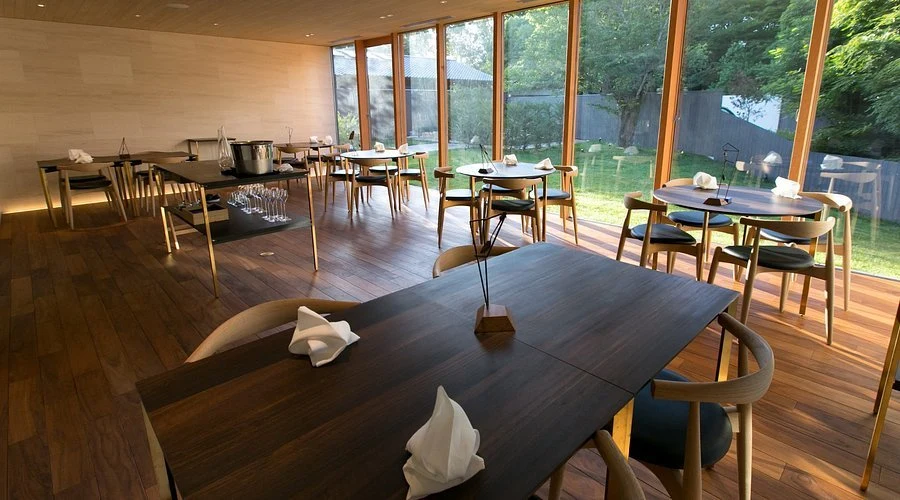
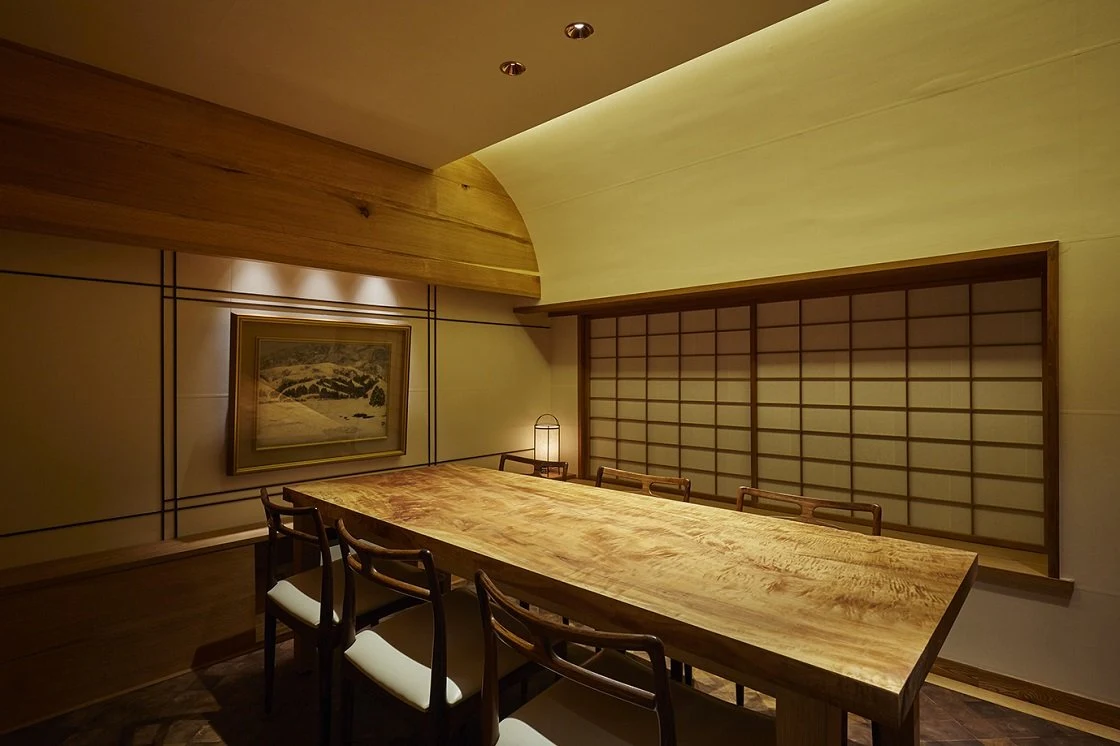
The room holds the work close. Original earthen walls, exposed wooden beams, and sliding door partitions give Masala an TAKUMI the scale of a private residence, not a dining room built to announce itself. Conversation stays low enough for the sequence to register: the arrival of a spice-led appetizer, the change in scent as tandoori cooking comes forward, the softer interval of noodle or gratin before curry returns the meal to its base.
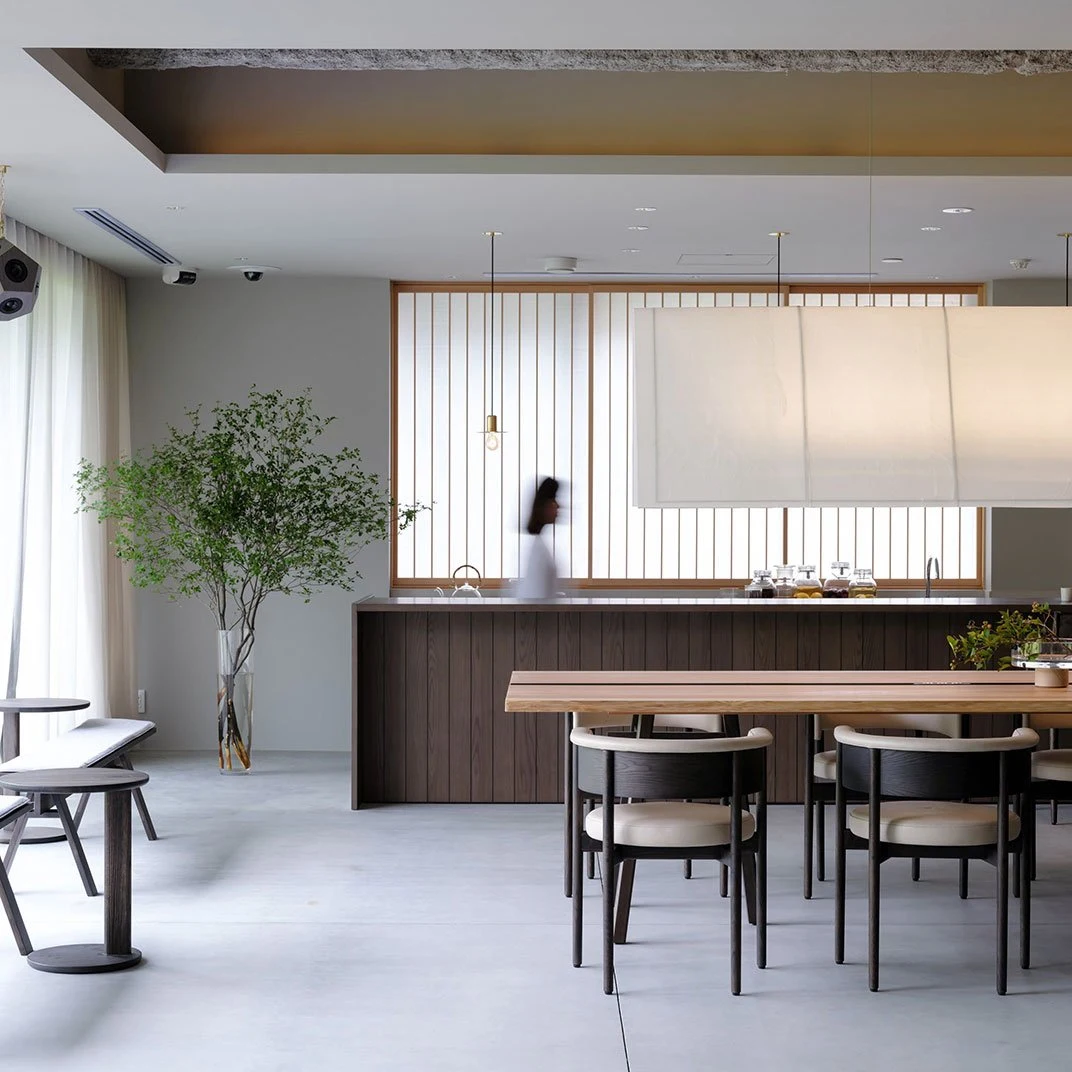
In that setting, the farmhouse does not act as decoration. It slows the meal down. The counter and pass are read through wood, clay, and partitioned space, materials that ask for patience from both kitchen and guest. Nara has many ways of presenting season and locality; here the gesture is different, but the discipline is related. The final memory is not simply curry in an old house. It is Masala Hassun carried through earthen walls in Nakamachi.
Questions
Frequently asked
What sort of cooking does Masala an TAKUMI do?
Masala an TAKUMI serves Indian fusion cooking shaped by Japanese ingredients and French technique. The menu moves through dishes such as Masala Hassun, tandoori dishes, lamb vindaloo, Miwa pasta, and curry gratin.
Who runs the restaurant?
Takumi Sakanaka runs the kitchen, and his wife handles the service. The restaurant opened on 10 April 2015 after he converted the building himself.
What is the setting like?
The restaurant is inside a renovated 160-year-old Japanese rice farmhouse in Nakamachi, Nara. It has original earthen walls, exposed wooden beams, and sliding door partitions.
Does it have any recognition?
Masala an TAKUMI has Michelin Bib Gourmand recognition in 2024 and 2025.
What should visitors know before booking?
Reservations are essential. The restaurant is open for lunch and dinner on Monday and from Wednesday to Sunday, and it is closed on Tuesday.
The field
How it compares
| Place | Cuisine | Notes | Awards |
|---|---|---|---|
| Masala an TAKUMI | Indian Fusion with Japanese & French Influences | Nara, $$$ | · |
| akordu | Modern Spanish with Nara Influences | Nara | Michelin 2 Stars |
| Kaiseki Morimoto | Traditional Kaiseki | Nara | Michelin 1 Star |
| LA TRACE | Modern French with Nara Seasonal Ingredients | Nara | Michelin 1 Star |
| Oryori Hanagaki | Two Michelin-Star Kaiseki | Nara | Michelin 2 Stars |
| Tsukumo | Modern Kaiseki | Nara | Michelin 2 Stars |
| Wa Yamamura | Traditional Kaiseki | Nara | Michelin 1 Star |