Mathias Hirschi Weinbau
- 01CityWeiningen, Switzerland
- Falstaff Winery - Listed · 2026
Approaching a small Swiss winery changes the scale of wine travel. The cues are quieter and more human: a personal atmosphere, an informal rhythm, and hospitality built around direct contact with customers rather than a built-out visitor center. Mathias Hirschi Weinbau belongs to that low-volume side of Swiss wine culture, where the estate visit is less about staged theatre and more about a simple encounter at the winery. In this kind of setting, the value is not in abundance or spectacle, but in proximity: the sense that the tasting is connected to the working life of the estate and to the people who make the place function.
Swiss wine visits can vary widely in format, but the picture here is deliberately modest. Mathias Hirschi Weinbau is a small, family-run wine estate in Weiningen, with simple farm-style tastings available by appointment. The estate’s price level is listed as $$, which places it in an approachable middle tier for planning purposes. That framing matters because it helps set the right expectations before arrival: this is not presented as a luxury hospitality destination or a large-scale tour operation, but as a direct winery visit with a clear, personal focus.
A small-estate reading of Swiss wine hospitality
The most useful way to read this estate is through scale. A small family-run winery changes the visitor’s relationship to the experience: there is less separation between the people receiving guests and the day-to-day life of the property, and more emphasis on direct, informal contact. Mathias Hirschi Weinbau’s strongest editorial signal is not a grand visitor infrastructure, but the opposite: a compact, personal wine-estate setting in Weiningen. That compactness gives the visit a different texture from more formal wine tourism, where the guest experience can be shaped by fixed routes, scripted presentations, or a more commercial sense of arrival.
Because the public details are limited, the safest way to plan around the estate is to treat it as a quiet appointment visit rather than a drop-in tasting destination with a broad hospitality program. The appeal is the simplicity of the format: a winery setting, a family-run atmosphere, and a tasting style that is farm-like rather than highly staged. For broader planning, pair the visit with other dining or activities in Weiningen generically, rather than assuming a large winery-tour circuit. This is especially important for travellers building a day around wine: the estate can provide a focused stop, but it should not be burdened with expectations that belong to a larger visitor complex.
Appointment hospitality without the performance layer
Hospitality format is plain in the useful sense. Visits are by appointment, tastings are simple and farm-style, and the atmosphere is personal and informal. The estate is better read as a direct-contact winery than a leisure venue designed around a polished visitor center or long-format entertainment. That directness is part of the appeal. An appointment-based visit naturally narrows the experience to the essentials: arriving at the winery, meeting the setting on its own terms, and keeping the focus on the tasting rather than on peripheral services.
That makes Mathias Hirschi Weinbau better suited to visitors who prefer quiet, classic, low-key wine stops. Expectations should be modest and practical: arrange the tasting in advance, keep the visit focused, and do not assume extensive hospitality services beyond the appointment-based winery experience. The right mindset is closer to visiting a small producer than attending a curated wine attraction. Travellers who enjoy informal exchanges and a slower pace are likely to understand the tone more readily than those looking for a full-service outing with multiple layers of programming.
The estate’s small scale is the main point. Rather than relying on spectacle, the visit centers on the relationship between guest and producer in a calm Weiningen setting. For travellers who value understated places, that simplicity is the reason to pay attention. It offers a reminder that wine travel does not always need a dramatic frame to feel worthwhile; sometimes the more meaningful stop is the one that stays close to the basics and lets the atmosphere remain unforced.
How to place it in a wider wine itinerary
Within a wine itinerary, Mathias Hirschi Weinbau works as a quiet anchor rather than a headline spectacle. It suits travellers who want a personal, informal winery visit in Weiningen, with simple tastings arranged by appointment. For broader contrast, consider other dining or wine-related stops in the area generically, while keeping Mathias Hirschi Weinbau as the defined venue for this listing. Its role is best understood as a measured, low-key point in the day: a place to slow the itinerary down, make contact with a small family-run estate, and avoid treating every wine stop as a major production.
Questions
Frequently asked
How expensive is Mathias Hirschi Weinbau?
Mathias Hirschi Weinbau is listed at a price level of $$.
The field
How it compares
| Place | Notes | Awards |
|---|---|---|
| Mathias Hirschi Weinbau | Männedorf, $$ | · |
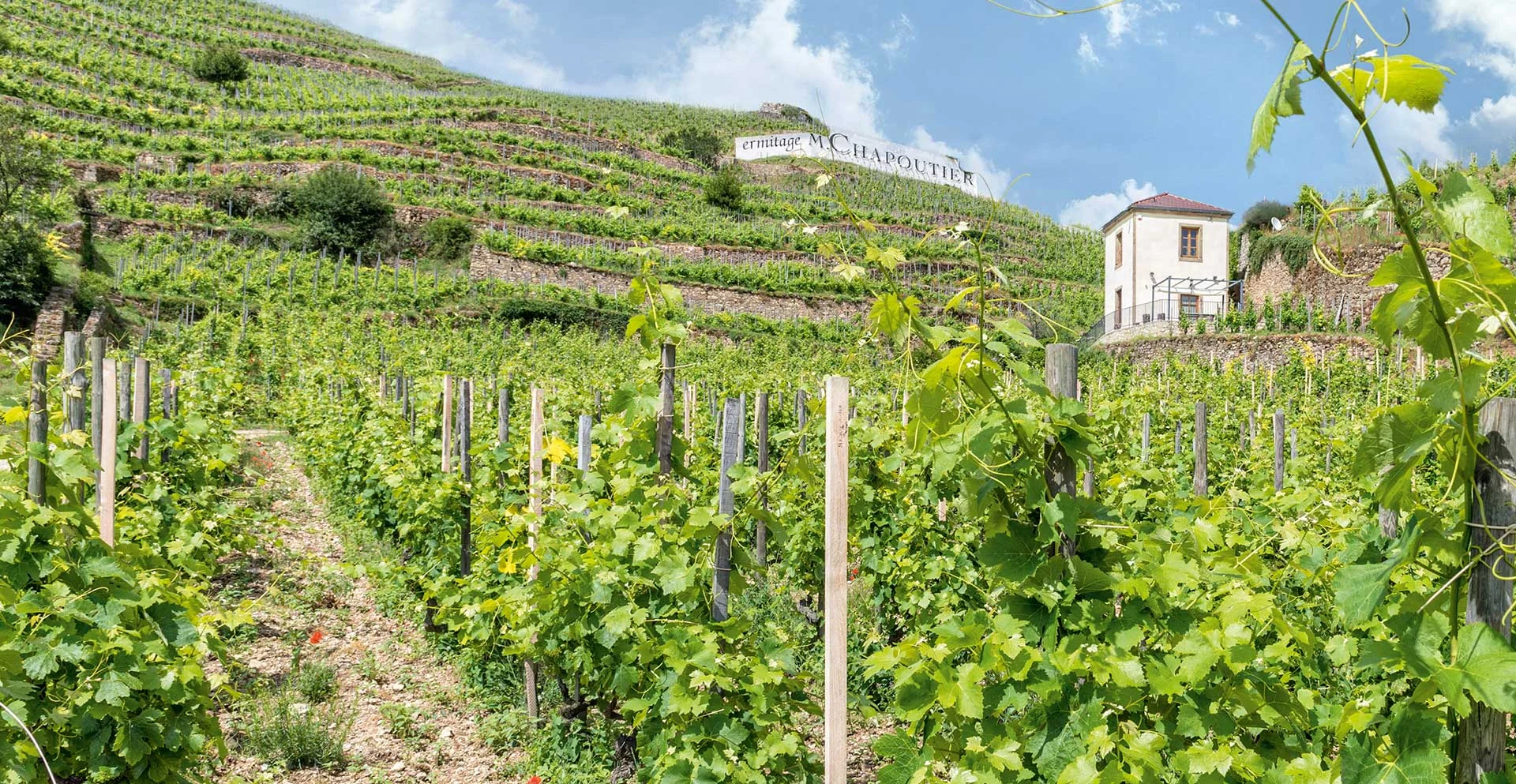
| Chapoutier | Tain-l'Hermitage | World's 50 Best |
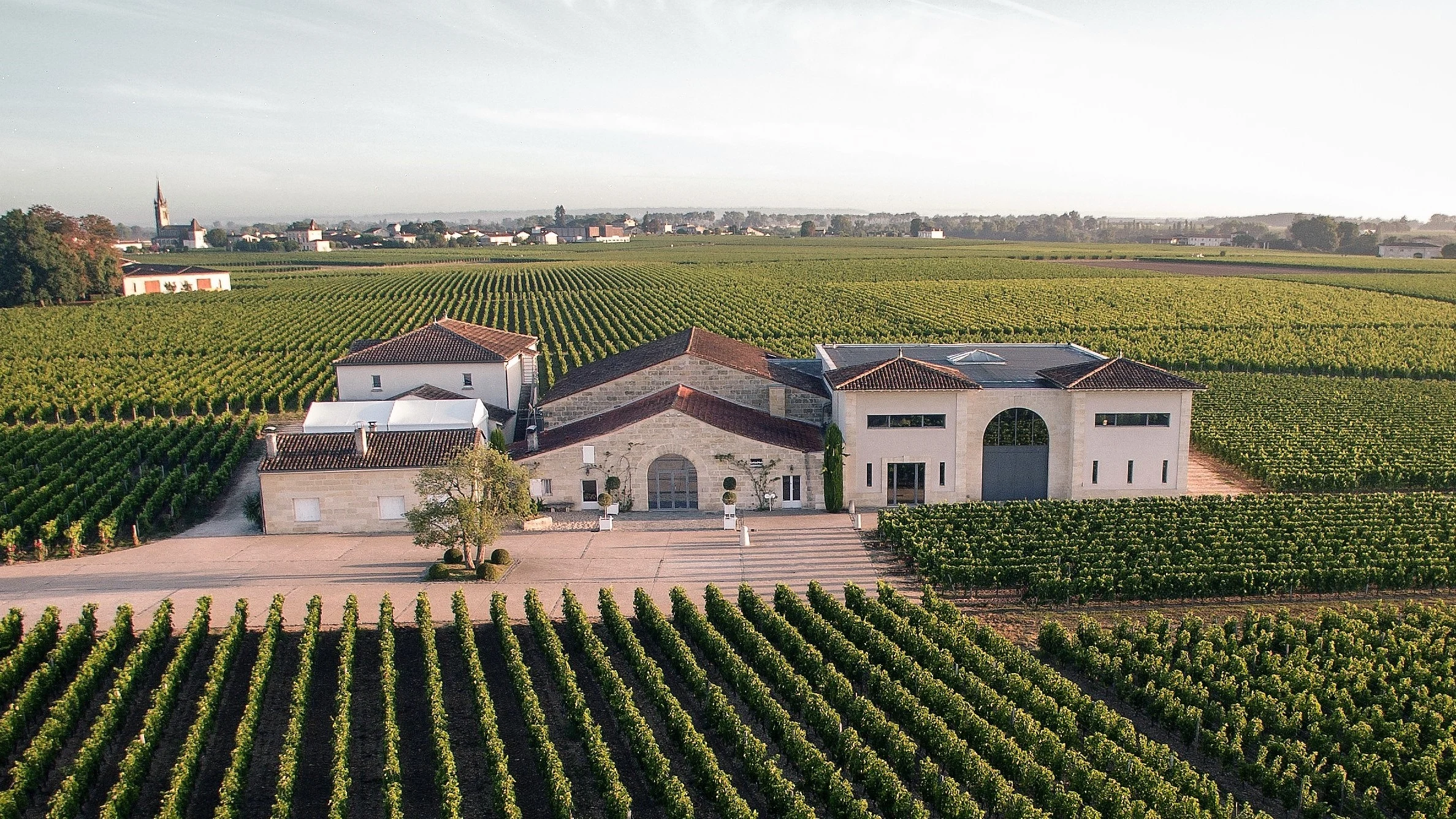
| Château La Conseillante | Pomerol | · |
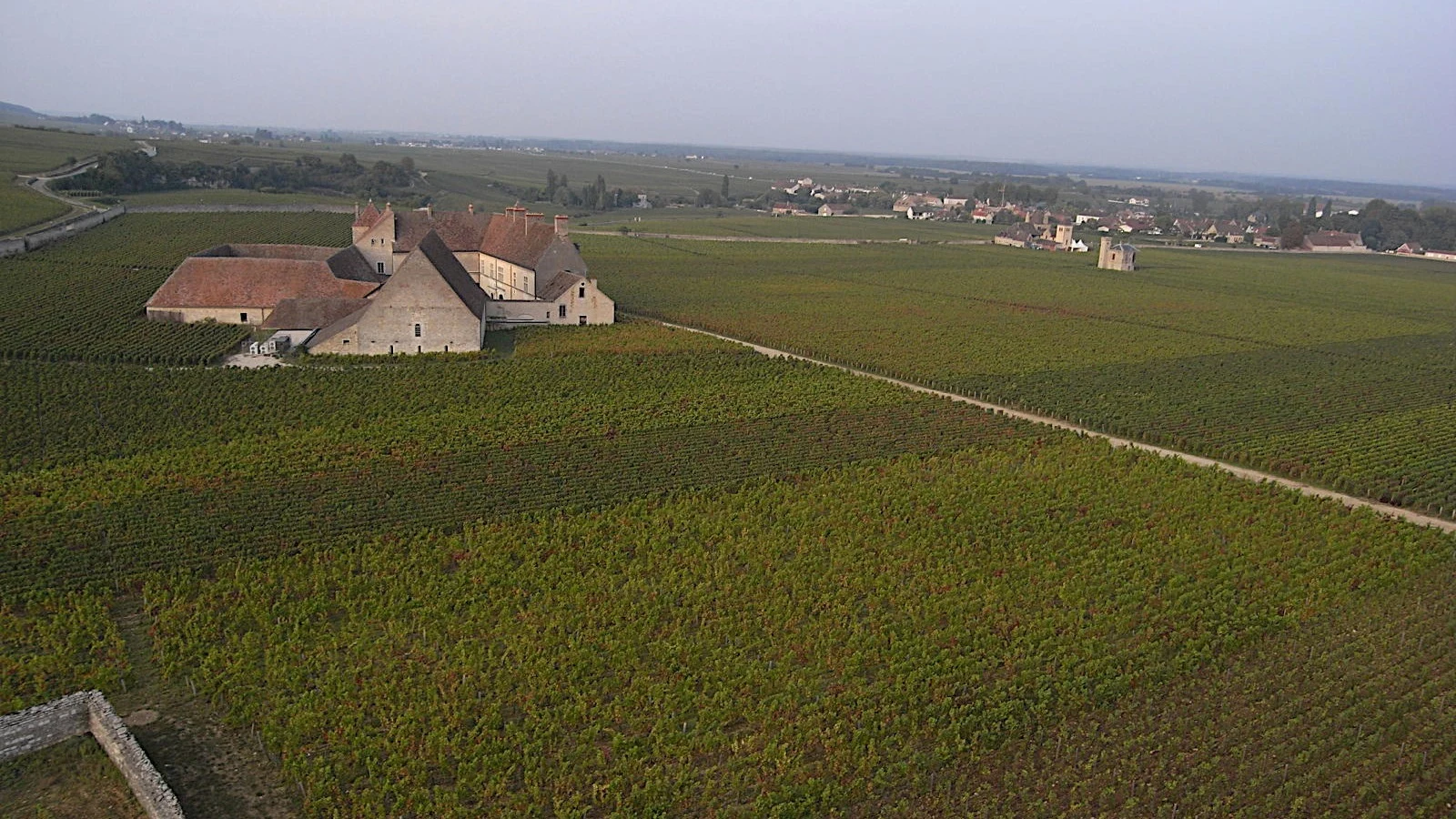
| Domaine Henri Jayer | Burgundy | · |
| Domaine Hubert Lignier | Morey-Saint-Denis | · |
| Domaine Leflaive | Puligny-Montrachet | · |
| Yamazaki (Suntory) | Shimamoto | · |