Made ByRestaurant
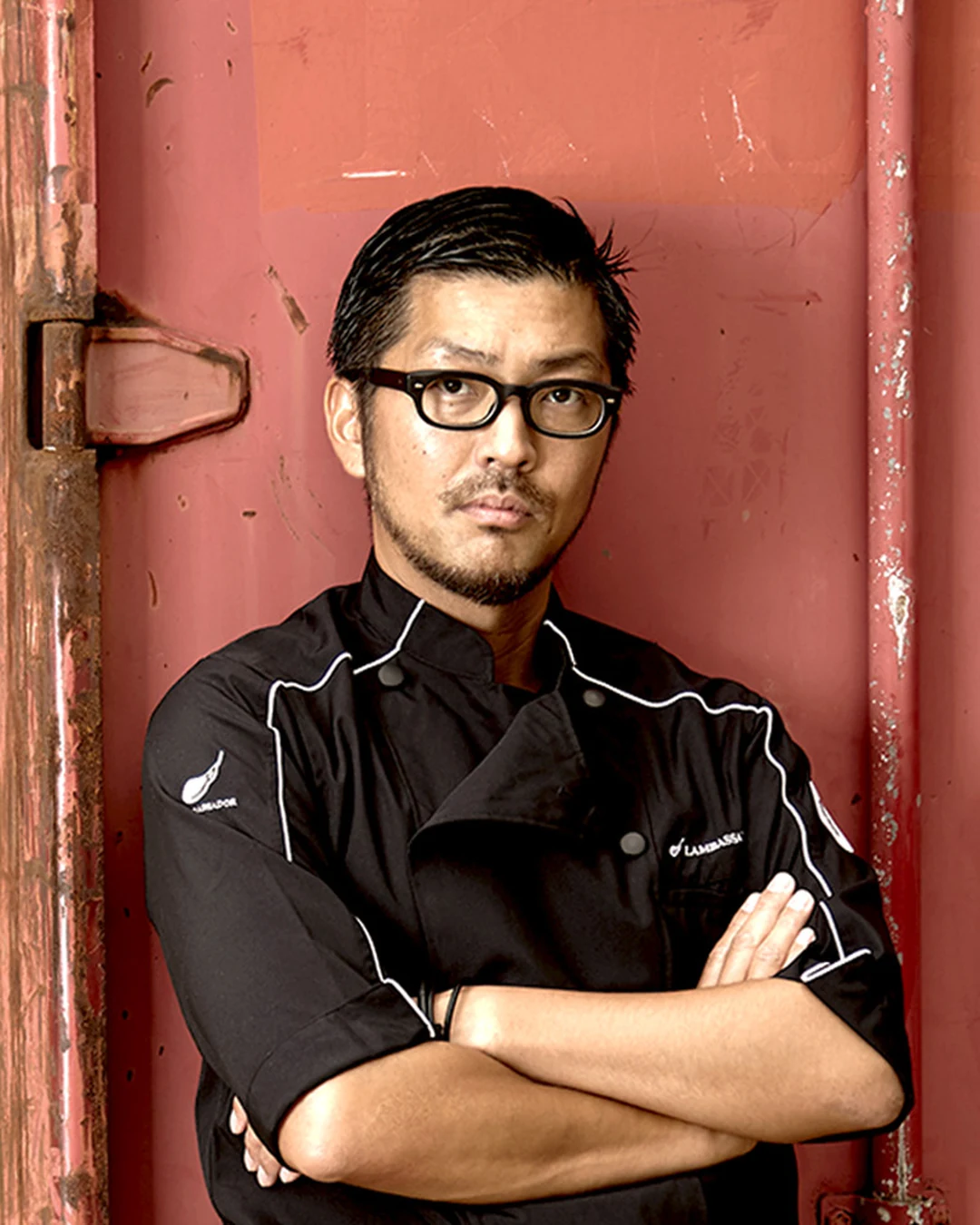
Tomoharu Shono, Chef at Mensho Tokyo in San Francisco, holds ramen to broth, noodle, and topping as one disciplined system.
At a glance
- Cuisine
- Ramen
The bowl kept under discipline
Broth, noodle, and topping stay in one system under Tomoharu Shono, Chef at Mensho Tokyo in San Francisco. He works ramen as a form that rewards repetition: depth first, then precision, then restraint in the finish. The line reaches back to Menya Shono, which he founded in 2005, and it continues at this Geary Street restaurant without treating ramen as a vehicle for novelty alone. Shono has described the pull of the craft in plain terms: “Everything links back to ramen since I was 20 years old, it's really my life.” At Mensho Tokyo, that statement sits close to the bench. It explains why the bowls can move across registers, from Toripaitan to Duck Matcha, without leaving the discipline of ramen behind. His Michelin Guide California recognition in 2017 belongs to the same arc: one format, returned to again and again, adjusted through taste rather than announcement. The work here is not a replica of an idea from Tokyo, nor a Californian loosening of it. It is Shono holding the center of the bowl while allowing the surface to change.
Toripaitan as the base note
The program at Mensho Tokyo begins with ramen treated as a complete construction, not a broth with additions. Signature Toripaitan Ramen points toward a creamy, full-bodied base; Signature A5 Wagyu Toripaitan Ramen w/ Truffle places luxury on that foundation without making it the foundation itself. Duck Matcha shifts the color and aromatic frame. Wagyu Tantanmen brings richness through another register of texture and heat. These bowls show Shono working by contrast, but the method stays legible: protect the core, then extend it. A topping changes the first impression; the broth decides whether the bowl holds. The noodles have to carry both. That is where ramen becomes a discipline of proportion, not abundance. At Mensho Tokyo, the combinations are varied, but they still answer to the same pass, the same demand that broth, noodle, fat, seasoning, and garnish arrive as one sentence rather than several.
A petite room on Geary Street
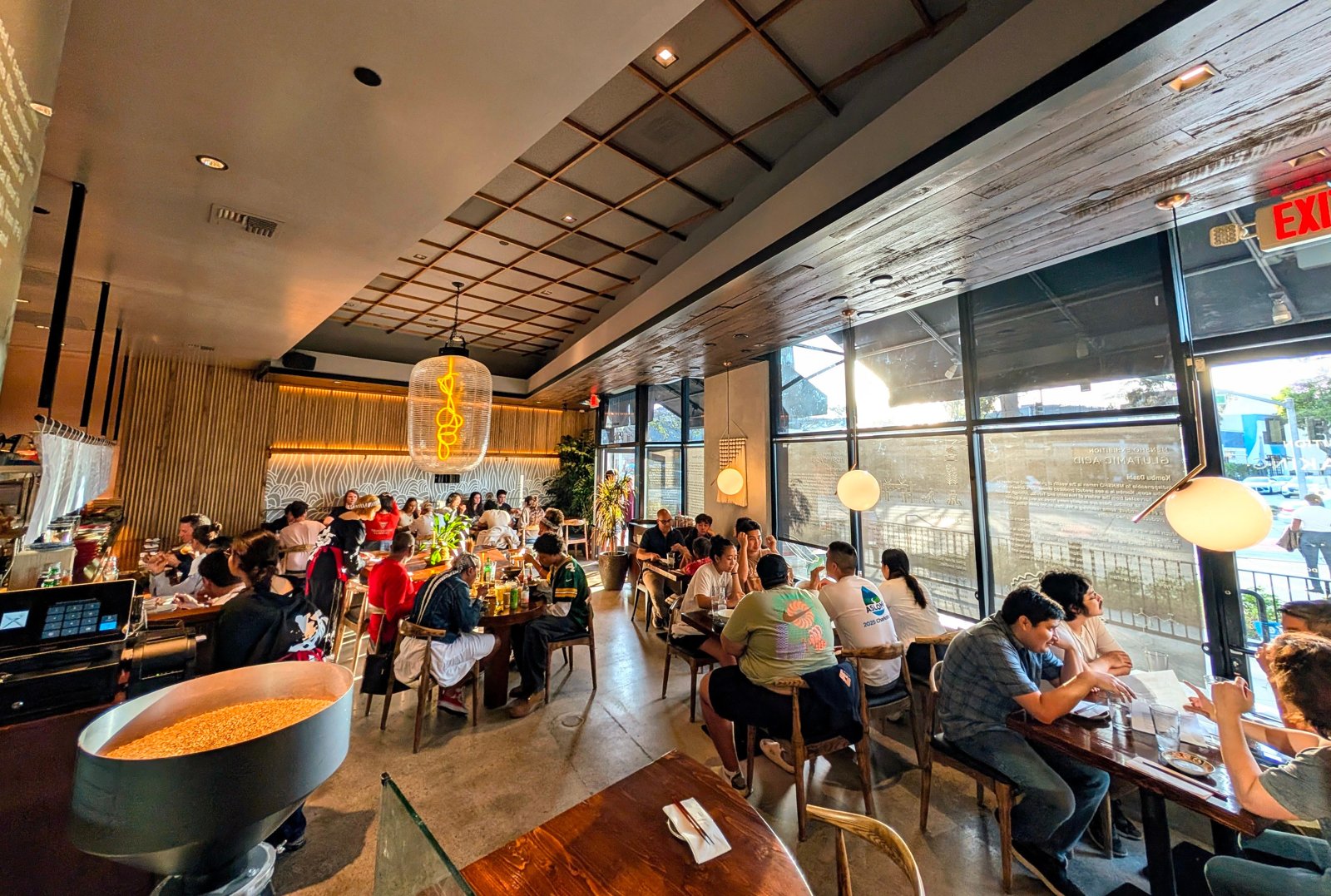
The room at 672 Geary St is described plainly enough from the outside: petite, modern, built for ramen rather than ceremony. Inside, the counter rhythm matters. Bowls move from the pass with their surfaces already telling the order of decisions, pale Toripaitan, darker heat, green matcha, the sheen of wagyu or truffle when the bowl calls for it. The place does not need a large room to carry the work. Ramen compresses the craft into a short distance between kitchen and guest, and Mensho Tokyo uses that compression well. The first lift of noodles tests the broth; the second confirms whether the bowl was balanced from the bench. San Francisco gives the restaurant its address, but the grammar remains Shono’s.
The craft held in one format
What matters here is the refusal to let ramen become a loose category. Shono’s career keeps returning to one format with enough pressure to make small changes count. The next bowl may lean richer, greener, sharper, or more spare, but it still has to pass through the same test: broth, noodle, and topping working together at Mensho Tokyo.
Address
572 Geary St, San Francisco, California, United States
In residence
Similar places
Modern Fire-Forward Fine Dining
Saison
San Francisco, United States
★★ · 50 Best
Modern French Fine Dining
Quince
San Francisco, United States
★★★ · 50 Best
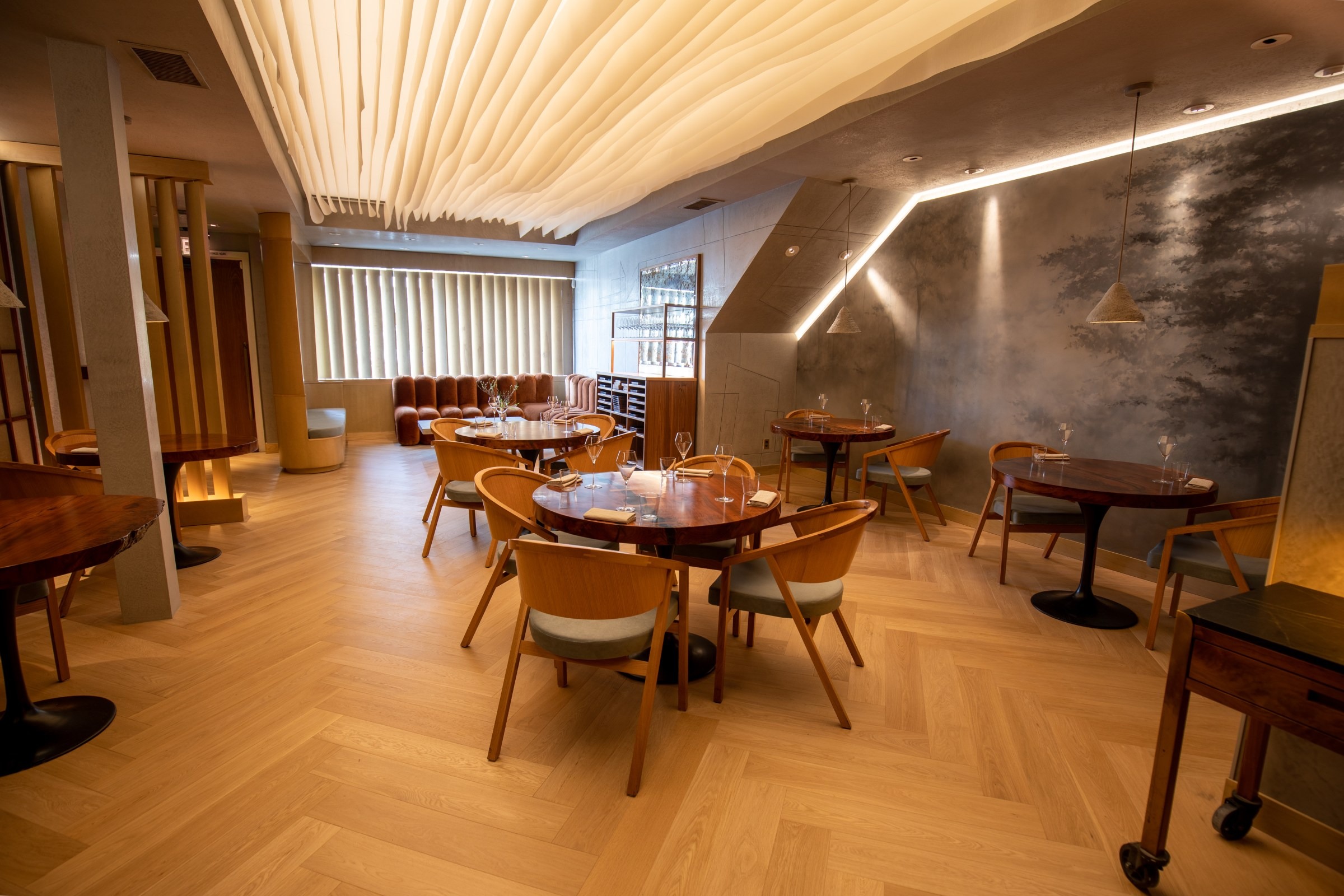
french
Atelier Crenn
San Francisco, United States
★★★ · 50 Best
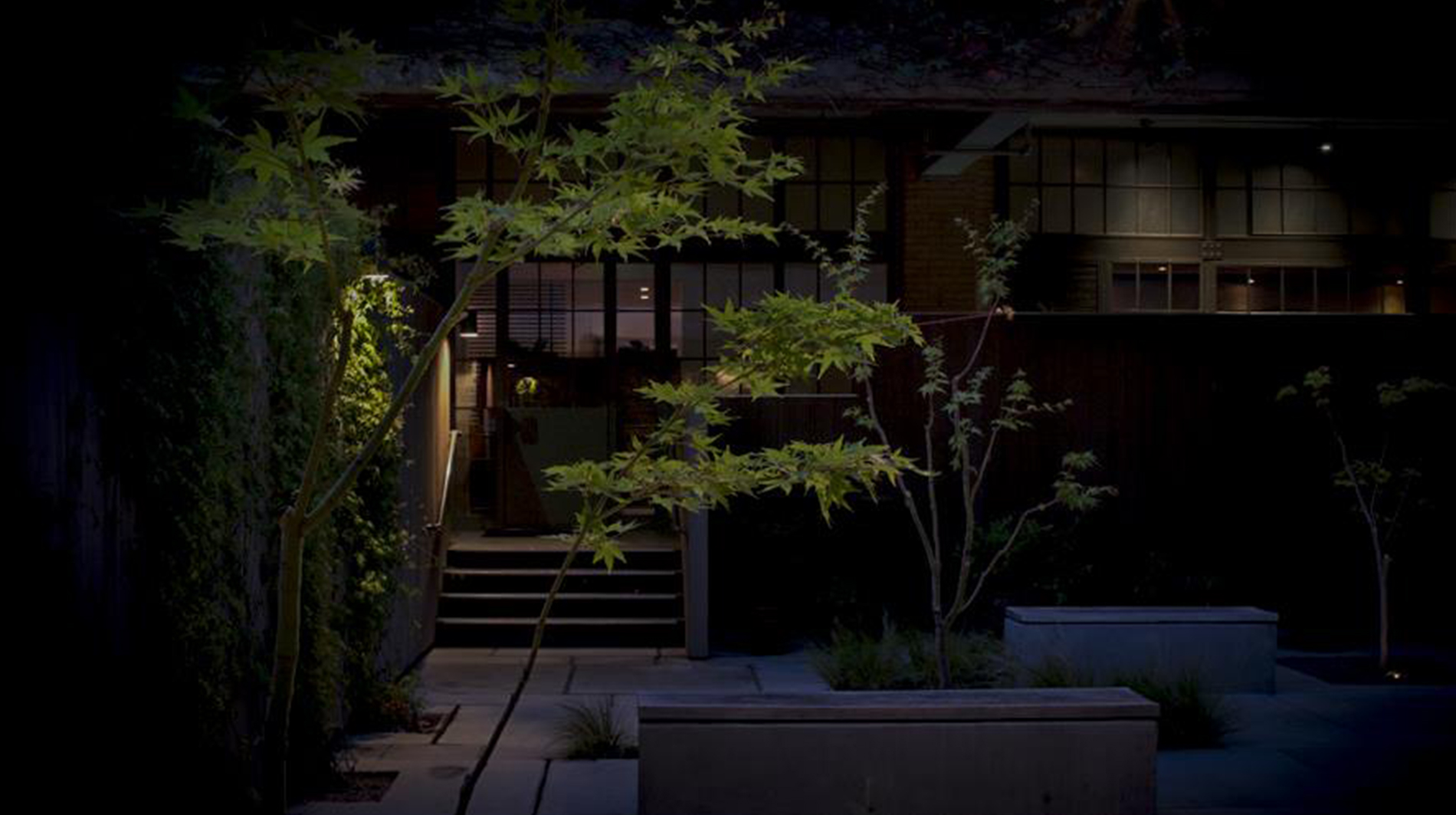
Modern Asian Fusion Fine Dining
Benu
San Francisco, United States
★★★ · 50 Best
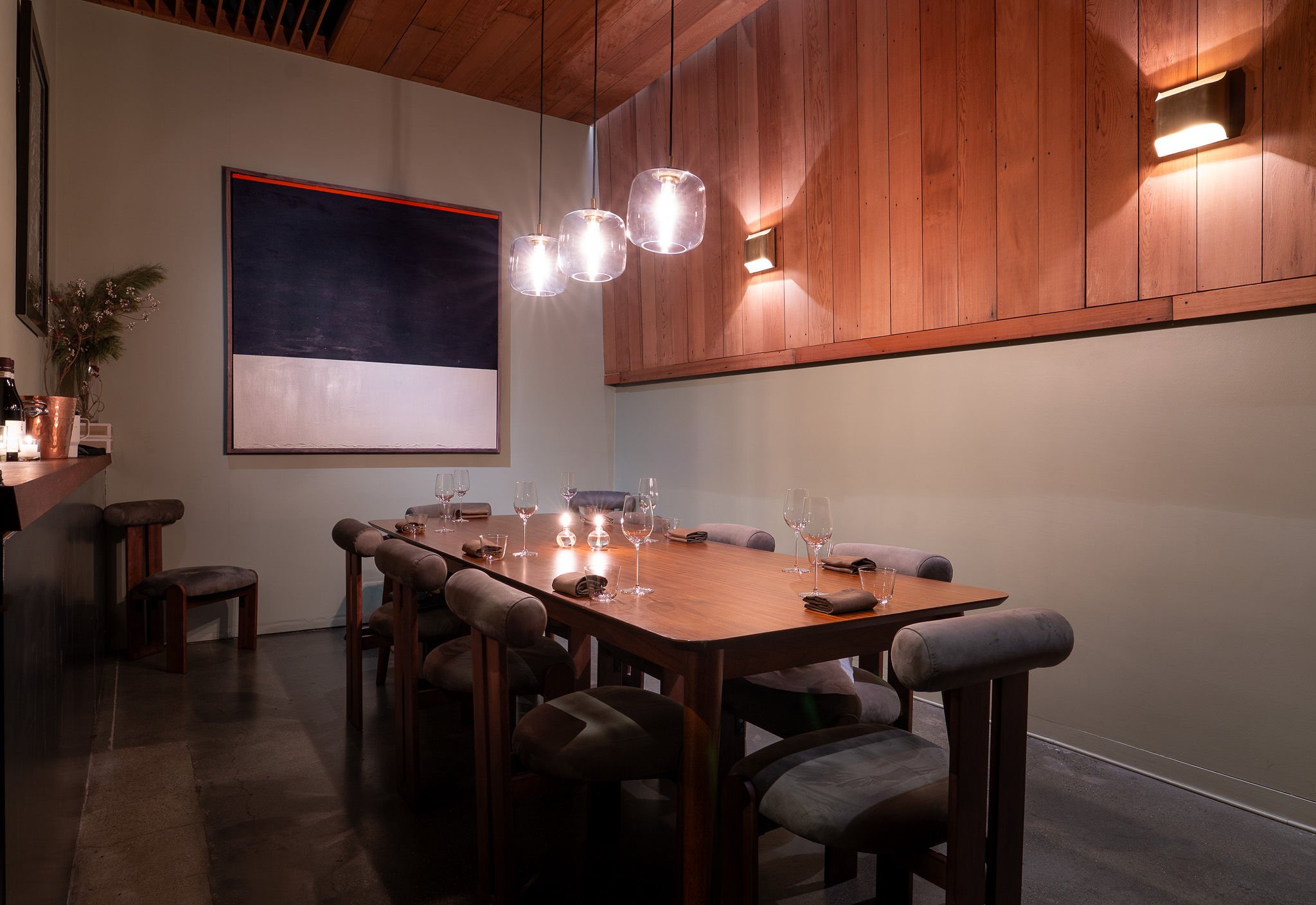
New Nordic Fine Dining
Sons & Daughters
San Francisco, United States
★★ · 50 Best
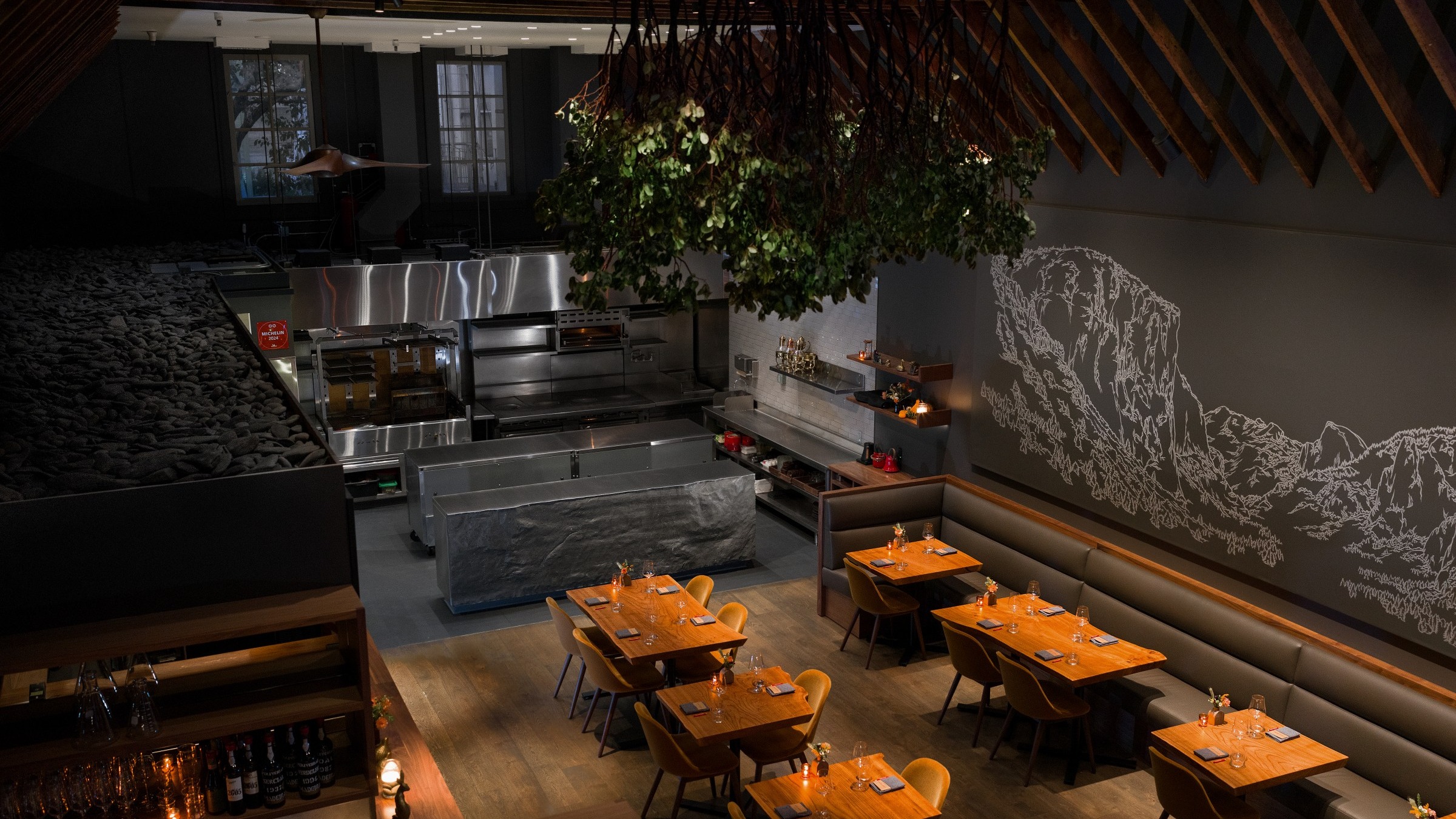
Innovative
Lazy Bear
San Francisco, United States
★★ · 50 Best