Mercouri Estate sits in the Peloponnese village of Korakochori, where the western peninsula's maritime air and ancient indigenous varieties converge in wines that carry a genuine sense of place. Recognised with a Pearl 2 Star Prestige award in 2025, the estate occupies a position within Greece's most compelling regional winemaking tier, one where terroir expression consistently outweighs commercial formula.
<h2>Land, Wind, and Vine on the Western Peloponnese</h2><p>There is a particular quality to the light that falls across the coastal lowlands of Elis, the prefecture that holds Korakochori within its borders. The Ionian Sea sits close enough to temper summer heat without diluting the sun's intensity, and the resulting diurnal shifts produce grapes that retain acidity long after ripeness has arrived. This tension between warmth and maritime cool is the essential fact of the western Peloponnese's wine character, and it explains why producers working in this corridor occupy a distinct position within the broader Greek wine conversation, quieter than the Nemea corridor, less written about than Santorini, but capable of wines with genuine structural complexity.</p><p>Mercouri Estate, located at Korakochori in the 271 00 postal zone, draws its identity from this specific geography. The estate's 2025 Pearl 2 Star Prestige recognition places it within the upper tier of assessed Greek producers, not a casual listing but an evaluation that speaks to consistency and place-specificity over successive vintages.</p><h2>The Terroir Logic of Elis</h2><p>Greek wine's international profile has been built largely on three pillars: Santorini's volcanic Assyrtiko, Naoussa's Xinomavro, and Nemea's Agiorgitiko. The western Peloponnese has historically operated outside that triumvirate, which has both limited its international press coverage and preserved a production culture less shaped by export-market expectations. Elis, and by extension, the territory around Korakochori, sits in a zone where Refosco, an indigenous red variety of Venetian-era ancestry, and the rare white Fileri have survived in a way they have not elsewhere in Greece.</p><p>These are not varieties that arrived through academic rediscovery programs in the 1990s; they have been cultivated continuously in this corner of the Peloponnese as a practical agricultural reality. That continuity matters for terroir expression. Varieties adapted over generations to a specific soil type and climate profile carry information that recently introduced clones cannot replicate. The clay-rich soils along the Alpheios river basin, combined with the estate's coastal-adjacent positioning, create conditions in which these older varieties find a natural equilibrium, lower yields without the stress signals that push wines toward rusticity.</p><p>Producers working comparable indigenous-variety programs across Greece illustrate the range of approaches within this niche. <a href="https://www.enprimeurclub.com/wineries/abraams-vineyards-komninades-winery">Abraam's Vineyards in Komninades</a> and <a href="https://www.enprimeurclub.com/wineries/acra-winery-nemea-winery">Acra Winery in Nemea</a> both operate in terroir-first frameworks, with Acra's Nemea appellation providing a useful peer comparison on how well-known indigenous reds translate at estate scale. The Mercouri position, centred on less-publicised varieties in a less-publicised region, sits at the more specialist end of that spectrum.</p><h2>Atmosphere and Setting</h2><p>The estate's physical environment follows the logic of older Peloponnese wine properties: land-focused, agricultural in scale, with the working vineyard as the central visual fact rather than a backdrop for designed hospitality experiences. The approach road through Korakochori's flat, olive-framed terrain gives a clear sense of the agricultural character before any arrival formality. Visits to estates in this part of the Peloponnese typically reward those who come with a working interest in the wines rather than an expectation of resort-scale infrastructure, the experience is built around the cellar, the vineyard walk, and the tasting room rather than curated peripheral programming.</p><p>This positions Mercouri within a tier of Greek wine estates that prioritise production-led engagement. Comparable in that respect to <a href="https://www.enprimeurclub.com/wineries/artisans-vignerons-de-naoussa-stenimachos-winery">Artisans Vignerons de Naoussa in Stenimachos</a>, where the tasting experience is shaped by the winemaking story rather than hospitality theatre, or to <a href="https://www.enprimeurclub.com/wineries/alpha-estate-amyntaio-winery">Alpha Estate in Amyntaio</a>, whose northern Greek terroir focus sets a reference point for how estate visits can carry genuine educational weight. The western Peloponnese version of this model is quieter and less internationally trafficked, which makes timing and direct enquiry to the estate more important than at better-known appellations.</p><h2>Placing Mercouri Within the Greek Producer Tier</h2><p>The 2025 Pearl 2 Star Prestige award is the primary verifiable credential in the public record for Mercouri Estate. Within EP Club's assessment framework, a 2 Star Prestige rating at the Pearl level signals wines that have passed evaluation on consistency, regional typicity, and production quality, not a participation listing but a substantive finding. That places the estate in meaningful company within the assessed Greek producer set.</p><p>For reference across the wider Greek wine scene, producers holding comparable or adjacent award profiles include <a href="https://www.enprimeurclub.com/wineries/artemis-karamolegos-winery-santorini-winery">Artemis Karamolegos Winery in Santorini</a>, whose Assyrtiko program occupies one of Greece's highest-profile appellations, and <a href="https://www.enprimeurclub.com/wineries/avantis-estate-chalkida-winery">Avantis Estate in Chalkida</a>, which has built recognition across both indigenous and international varieties. Mercouri's positioning within that field is specifically regional, the western Peloponnese gives it a distinct appellation identity that neither overlaps nor competes with Santorini or central Peloponnese frames of reference.</p><p>The longer history of Greek wine's commercial export phase is anchored by producers like <a href="https://www.enprimeurclub.com/wineries/achaia-clauss-patras-winery">Achaia Clauss in Patras</a>, whose 19th-century founding placed Patras on international wine maps when most Greek regions had no export profile at all. Mercouri, operating in the same western Peloponnese corridor, exists in a different production register entirely, smaller, variety-specific, assessment-driven rather than volume-driven, but the regional continuity is worth noting as geographic context. Patras and Elis share enough climatic and soil character that Mercouri's wines carry legible Peloponnese signatures while maintaining their own appellation specificity.</p><h2>Planning a Visit</h2><p>Korakochori sits in Elis, accessible from Patras via the national road network, a drive of roughly one hour depending on the entry point from the E65/A8 motorway axis. Visitors travelling from Athens typically route through Corinth and Patras before dropping south into Elis, a journey that rewards overnight stays along the way given the concentration of wine producers in the broader Peloponnese corridor. Producers including <a href="https://www.enprimeurclub.com/wineries/aiolos-winery-palaio-faliro-winery">Aiolos Winery in Palaio Faliro</a> and <a href="https://www.enprimeurclub.com/wineries/akrathos-newlands-winery-panagia-winery">Akrathos Newlands Winery in Panagia</a> illustrate the geographic spread of Greek wine estates that can be incorporated into a multi-day itinerary.</p><p>The most reliable approach is to contact Mercouri Estate directly via enquiry at the physical address (M8G5+FM, Korakochori 271 00) or through local wine tourism networks that cover the Elis region. The harvest window across the western Peloponnese generally runs from late August through October, with white varieties arriving before reds, visiting during this period provides the fullest picture of how the estate's production rhythm connects to the agricultural calendar. For those building broader Greek wine itineraries, <a href="https://www.enprimeurclub.com/wineries/aoton-winery-peania-winery">Aoton Winery in Peania</a>, <a href="https://www.enprimeurclub.com/wineries/anatolikos-vineyards-xanthi-winery">Anatolikos Vineyards in Xanthi</a>, and <a href="https://www.enprimeurclub.com/wineries/apostolakis-distillery-volos-winery">Apostolakis Distillery in Volos</a> round out a map of Greek producers working across different regional and stylistic axes.</p>
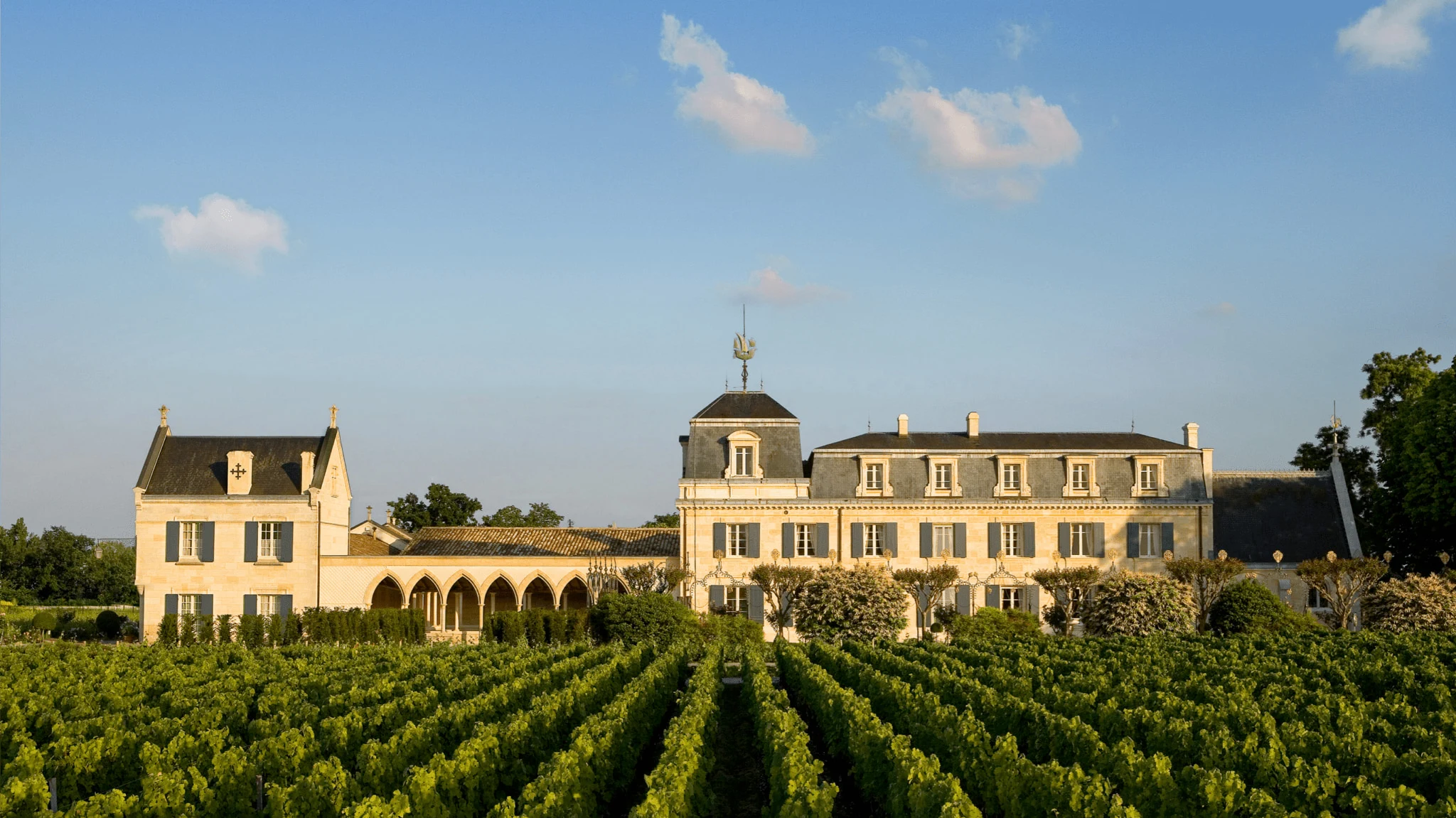
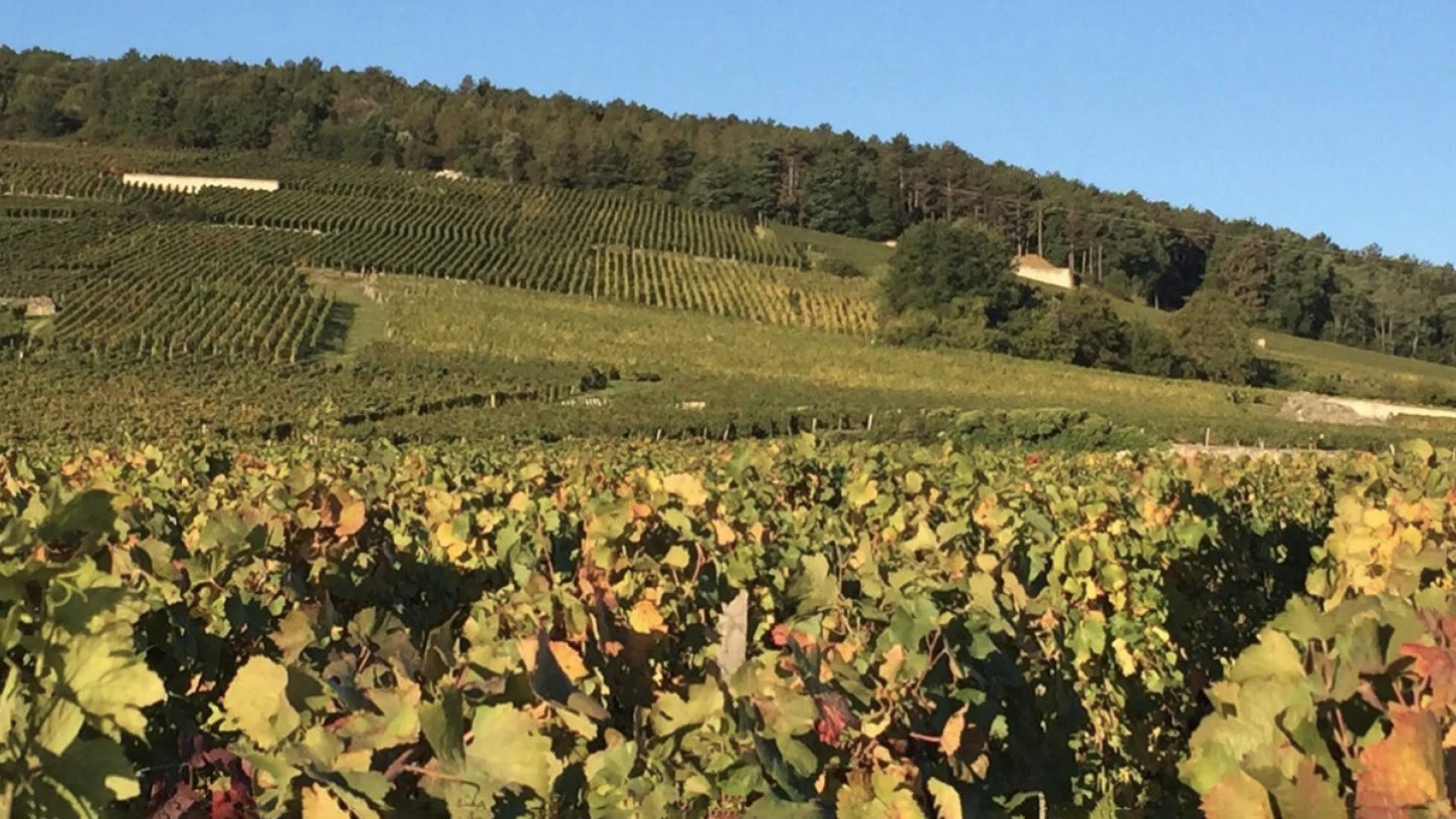
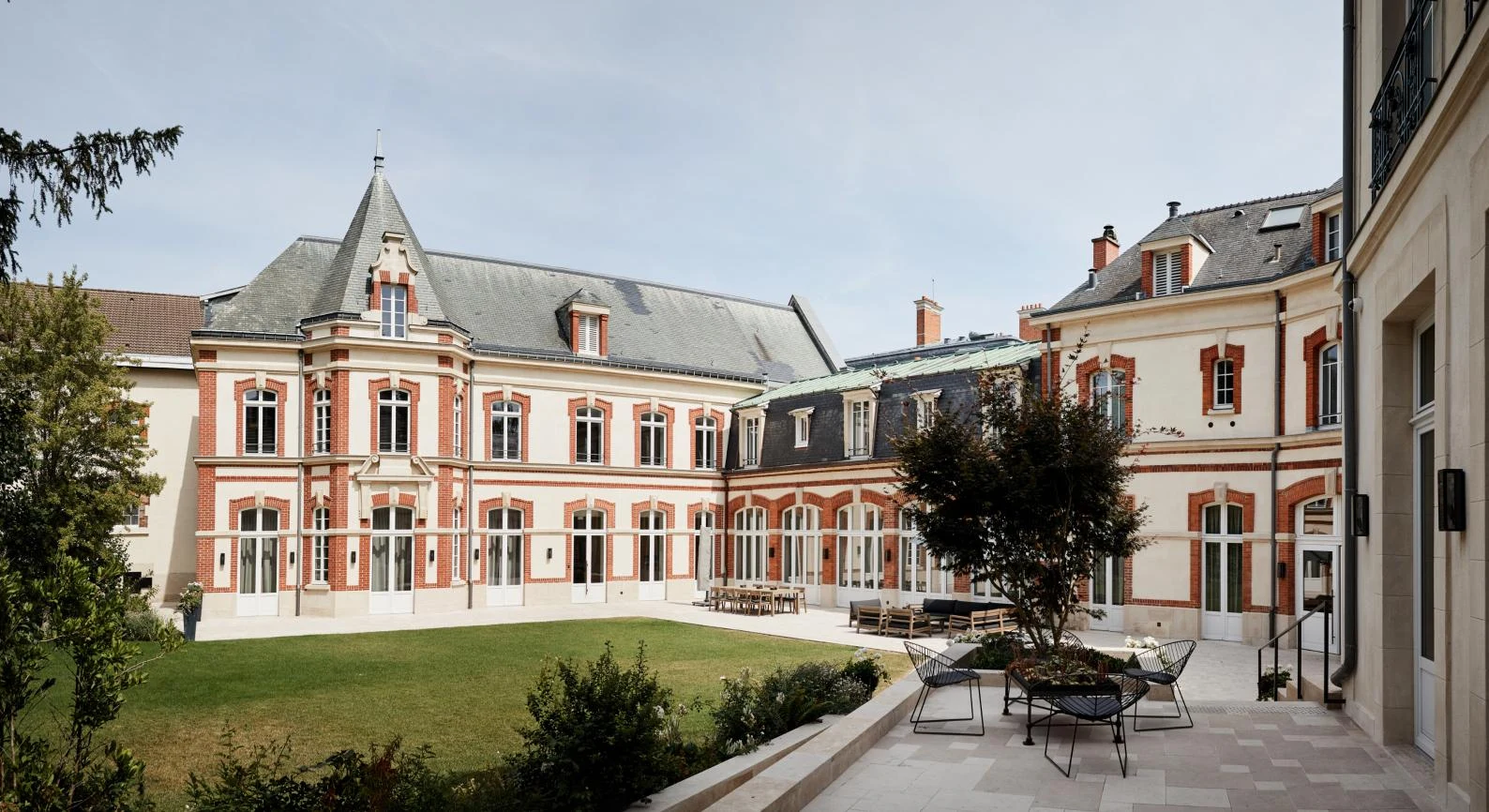
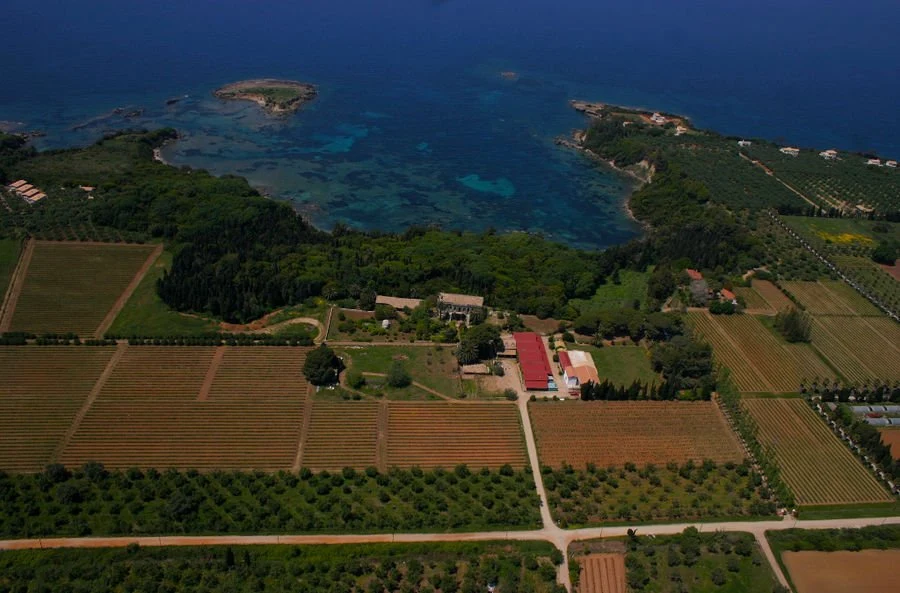
Mercouri Estate operates on the agricultural scale typical of older Peloponnese wine properties, with working vineyards as the dominant visual frame. The setting reflects Elis's coastal lowlands rather than the dramatic volcanic terrain associated with Santorini or the mountain-edged plots of Naoussa. Expect a land-focused environment where the production context is present and visible, not dressed up for tourism.
Mercouri Estate has received recognition including: Pearl 2 Star Prestige (2025).
The focus at Mercouri is the wine itself, produced from vineyards in Korakochori within one of Greece's less commercially prominent but climatically distinct regions. Elis offers a different terroir proposition from the Assyrtiko-dominated Cyclades or the Xinomavro belt of northern Greece, making the estate's range of particular interest to those mapping the country's broader varietal geography. Specific current releases are best confirmed directly before a visit.
Mercouri Estate is located at M8G5+FM, Korakochori 271 00, Korakochori.
The estate's 2025 Pearl 2 Star Prestige award from EP Club places it among assessed producers with a verifiable quality tier in the Greek wine landscape. Its primary credential is rooted in place: the Elis coastal lowlands represent an underrepresented appellation in international wine coverage, giving Mercouri a positioning that is defined more by geography than by varietal celebrity. That specificity is the producer's clearest strength.
Korakochori is accessible from Patras via the E65 national road, approximately one hour's drive, which makes Mercouri a workable half-day addition to a western Peloponnese itinerary. Contact details are not currently listed in public records, so confirming visit arrangements in advance through regional tourism channels or direct inquiry is advisable before making the trip the centrepiece of a day.
M8G5+FM, Korakochori 271 00
Korakochori