Made ByRestaurant
Mesón Octavio
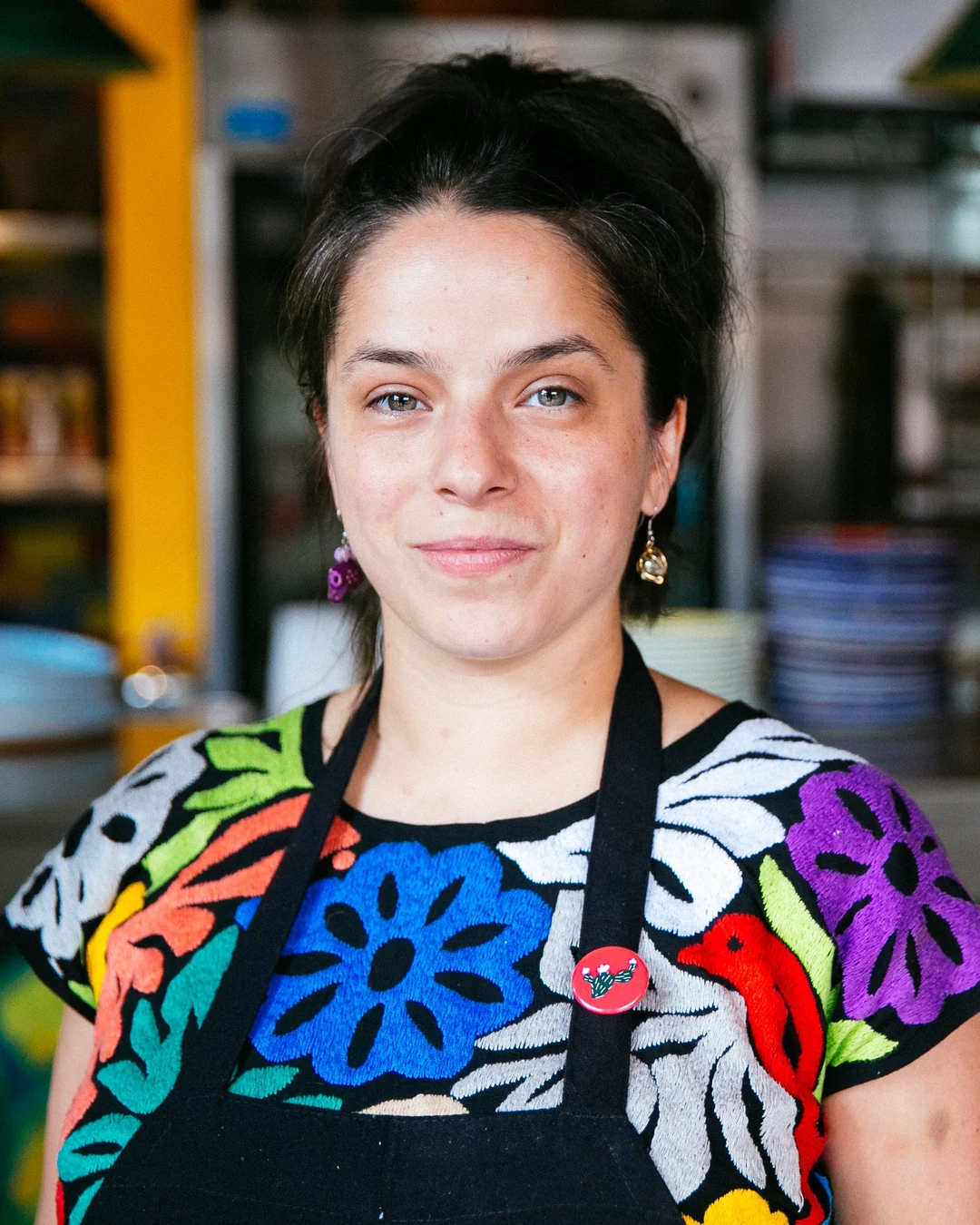
Chef in Residence
Diana Dávila
Chef
- 01CuisineTraditional La Mancha
- 02CityCiudad Real, Spain
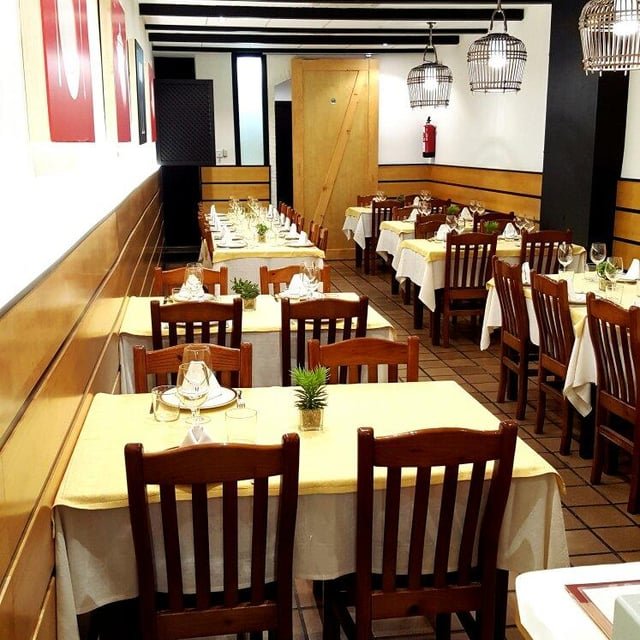
Mesón Octavio holds back-to-back Michelin Bib Gourmand recognition (2024 and 2025) for its rigorous commitment to La Mancha tradition. Run by three siblings on Calle Severo Ochoa, it centres on game from the region's hunting estates and beef from Sierra de San Vicente, with a menu that reads as a careful record of Castilian domestic cooking rather than a modernised interpretation of it.
- Michelin Bib Gourmand
At a glance
- Cuisine
- Traditional La Mancha
- Price
- $$
- Hours
- Mon: 2–5:30 PM; Tue: 2–5:30 PM; Wed: 2–5:30 PM; Thu: 2–5:30 PM; Fri: 2–5:30 PM; Sat: 2–5:30 PM; Sun: Closed
- Rating
- 4.6 (644)
<h2>Where La Mancha Cooking Stays True to Itself</h2><p><a href="https://www.enprimeurclub.com/restaurants/diverxo-madrid-restaurant">DiverXO in Madrid</a>, the marine laboratory of <a href="https://www.enprimeurclub.com/restaurants/aponiente-el-puerto-de-santa-maria-restaurant">Aponiente in El Puerto de Santa María</a>, and the multi-decade creative programmes of <a href="https://www.enprimeurclub.com/restaurants/arzak-san-sebastian-restaurant">Arzak in San Sebastián</a> or <a href="https://www.enprimeurclub.com/restaurants/el-celler-de-can-roca-girona-restaurant">El Celler de Can Roca in Girona</a>, there is a quieter but equally serious current running through Spanish dining. It belongs to places that treat the cuisine of a specific region as a discipline worth mastering in full, rather than a springboard for transformation. Mesón Octavio, on Calle Severo Ochoa in Ciudad Real, belongs firmly in that current. The Michelin Guide has recognised it with the Bib Gourmand in both 2024 and 2025.</p><p>The address sits inside a provincial capital that most international visitors pass through without stopping, which means the room functions first for locals who understand what they are eating and why it matters. That audience applies a harder standard than any critic. Dishes that misrepresent the region's cooking are noticed immediately. The kitchen is meeting that standard rather than approximating it.</p><h2>The Tradition the Menu Carries</h2><p>La Mancha cuisine is one of the more demanding regional traditions in Spain to execute well, not because its techniques are intricate in the modernist sense, but because so much of it rests on the quality of the underlying ingredient and the accuracy of very old methods. Game cookery is central to the territory. Venison, red-legged partridge, and wild boar have been staples of Castilian tables for centuries, tied to the open dehesa and hunting estates that define the region's landscape. The partridge preparation in particular carries weight as a marker of whether a kitchen genuinely understands the tradition: the bird demands patience and specific handling to avoid toughness, and shortcuts register clearly on the plate.</p><p>Beef from the Sierra de San Vicente adds another regional anchor. This is cattle raised at elevation on terrain that produces lean, characterful meat, and the preparation it receives at Mesón Octavio places it within that regional identity rather than abstracting it toward a generic fine-dining idiom. The à la carte format, rather than a set tasting sequence, allows the kitchen to frame these ingredients according to the logic of Castilian eating, where dishes arrive as distinct expressions of a larder rather than movements in a composed narrative. You find a similar approach at <a href="https://www.enprimeurclub.com/restaurants/auga-gijon-restaurant">Auga in Gijón</a> and at Auberge Grand'Maison in Mûr-de-Bretagne, where the discipline is similarly about faithfulness to a specific larder rather than departure from it.</p><h2>The Siblings and the Matrilineal Menu</h2><p>The editorial angle assigned to this page invites attention to chef background, and here the relevant detail is structural rather than biographical in the usual sense. The kitchen at Mesón Octavio operates under the joint direction of three siblings: Aurora, Belén, and José. The menu carries an explicit tribute to the female members of the family lineage, which positions the cooking not as an individual's signature but as an inheritance held collectively and transmitted forward. That framing aligns the restaurant with a category of Spanish dining that draws legitimacy from domestic continuity rather than professional credentialing.</p><p>Chef Diana Dávila is associated with the restaurant, situating her within a team that takes this inherited framework seriously. The practical outcome is a menu that the Michelin Guide describes as containing dishes with strong character, among them the pisto manchego (the region's canonical vegetable stew), migas del pastor with egg (fried breadcrumbs, a shepherd's staple refined through careful execution), wild boar meatballs, and a cod preparation named El Barquero. The range across these dishes moves from the pastoral to the coastal, which is characteristic of a Castilian table that historically received dried and salted fish from the Atlantic trade routes even at considerable distance from the sea.</p><h2>Reading the Price and the Recognition Together</h2><p>The Bib Gourmand classification operates at a different level of the Michelin hierarchy than the star programme. Where three-star houses such as <a href="https://www.enprimeurclub.com/restaurants/disfrutar-barcelona-restaurant">Disfrutar in Barcelona</a>, <a href="https://www.enprimeurclub.com/restaurants/martin-berasategui-lasarte-oria-restaurant">Martin Berasategui in Lasarte-Oria</a>, <a href="https://www.enprimeurclub.com/restaurants/mugaritz-errenteria-restaurant">Mugaritz in Errenteria</a>, <a href="https://www.enprimeurclub.com/restaurants/quique-dacosta-denia-restaurant">Quique Dacosta in Dénia</a>, or <a href="https://www.enprimeurclub.com/restaurants/azurmendi-larrabetzu-restaurant">Azurmendi in Larrabetzu</a> define Spain's top tier, the Bib operates within the €€ price range to recognise cooking that punches above its economic weight. Two consecutive designations signal that the kitchen is not coasting. The Google rating of 4.6 across 644 reviews adds a second data point that the performance is consistent rather than episodic.</p><p>For visitors to Ciudad Real, the price tier also matters practically. Eating at Mesón Octavio sits well within a mid-budget day in the city, which makes it a credible anchor for a broader regional visit rather than a special-occasion destination requiring a separate budget allocation.</p><p></p><h2>Orienting Yourself Before You Go</h2><p>Mesón Octavio is located at Calle Severo Ochoa 6, 13005 Ciudad Real. Reservations are recommended, and the dress code is smart casual. Hours run Monday through Saturday from 2 to 5:30 PM; Sunday is closed.</p>
Know before you go
- Dress code
- smart_casual
- Reservations
- recommended
- Payment
- credit_card
Frequently asked
Which chef is Mesón Octavio associated with?
The chef associated with Mesón Octavio is Diana Dávila.
How do I find Mesón Octavio?
Mesón Octavio is located at C. Severo Ochoa, 6, 13005 Ciudad Real, Spain, Ciudad Real.
What's the must-try dish at Mesón Octavio?
The Michelin inspectors specifically flag the pisto manchego and the wild boar meatballs as dishes with particular character. The migas del pastor with happy hen eggs also draws consistent attention as a showcase of the kitchen's commitment to La Mancha's pastoral traditions. Given the menu's strong emphasis on game, the venison and red-legged partridge preparations are worth prioritising if available on the à la carte.
Is Mesón Octavio more mid-range or high-end?
Pricing at Mesón Octavio is listed as €€.
Has Mesón Octavio won any awards?
Mesón Octavio has received recognition including: It’s very rare to come across a restaurant such as this one where every mouthful reminds us of our mothers’ and grandmothers’ cooking! Impressively run by three siblings (Aurora, Belén and José), its focus is on traditional La Mancha dishes….
Address
C. Severo Ochoa, 6, 13005 Ciudad Real, Spain
How it compares
- Cuisine
- Traditional La Mancha
- Price
- $$
- Awards
- Michelin Bib Gourmand
- Notes
- Ciudad Real
- Cuisine
- Traditional Spanish Asador
- Price
- $$$
- Awards
- Michelin Plate
- Notes
- Ciudad Real
Cantina La Estación
- Cuisine
- Modern Spanish Creative
- Price
- $$
- Awards
- Michelin Bib Gourmand
- Notes
- Úbeda
Kàran Bistró
- Cuisine
- Modern Spanish Bistro
- Price
- $$$
- Awards
- Michelin Bib Gourmand
- Notes
- Pozoblanco
- Cuisine
- Modern Spanish Bistro
- Price
- $$
- Awards
- Michelin Bib Gourmand
- Notes
- Nueva Espana
- Cuisine
- Modern Spanish Market Cuisine
- Price
- $$
- Awards
- Michelin Bib Gourmand
- Notes
- Goya
In residence
Similar places
Japanese-influenced Californian Kaiseki
Single Thread Farm
Healdsburg, United States
★★★ · 50 Best
French Seafood Fine Dining
Le Bernardin
New York City, United States
★★★ · 50 Best
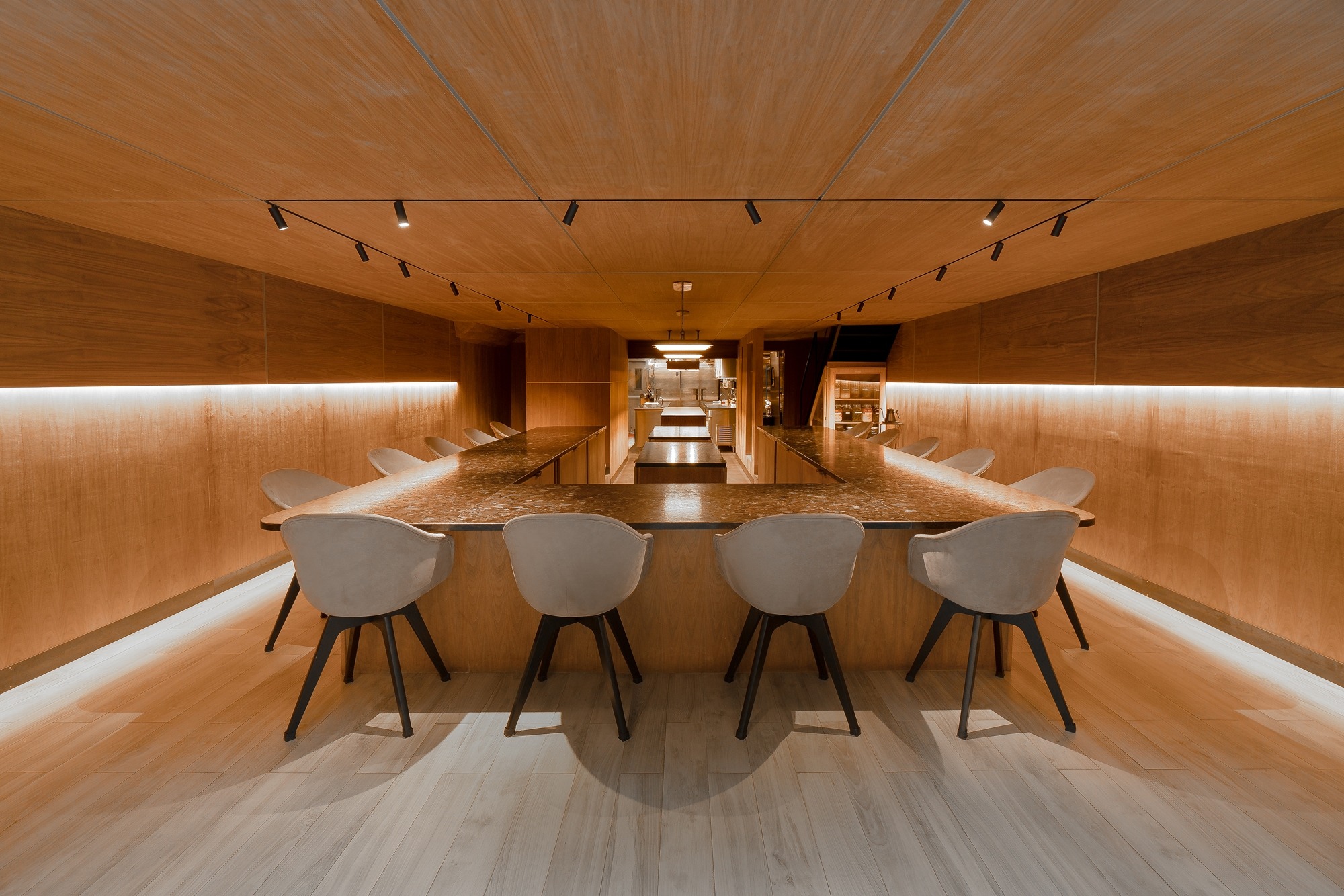
Modern Korean Tasting Menu
Atomix
New York City, United States
★★ · 50 Best
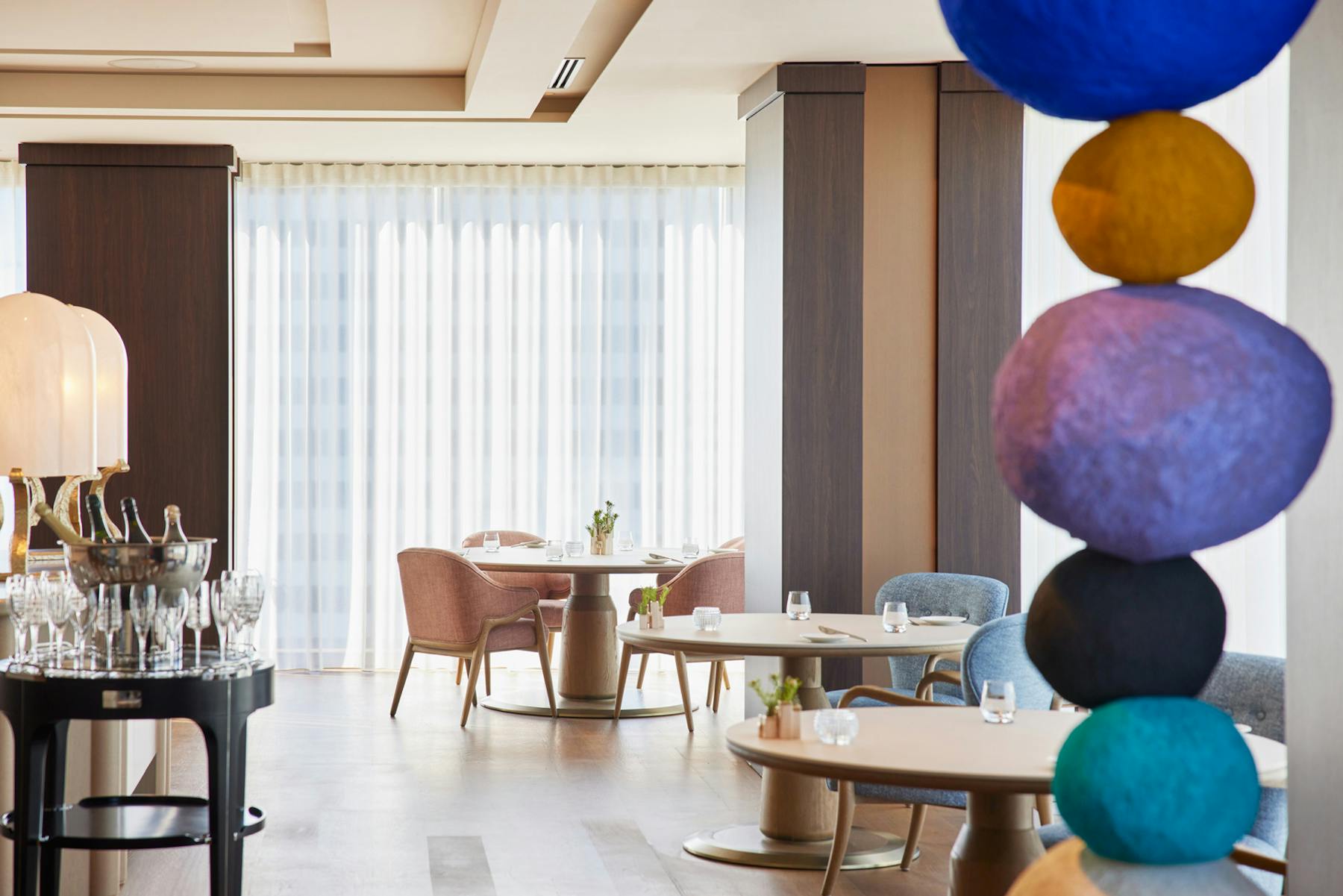
French
Sézanne
Tokyo, Japan
★★★ · 50 Best
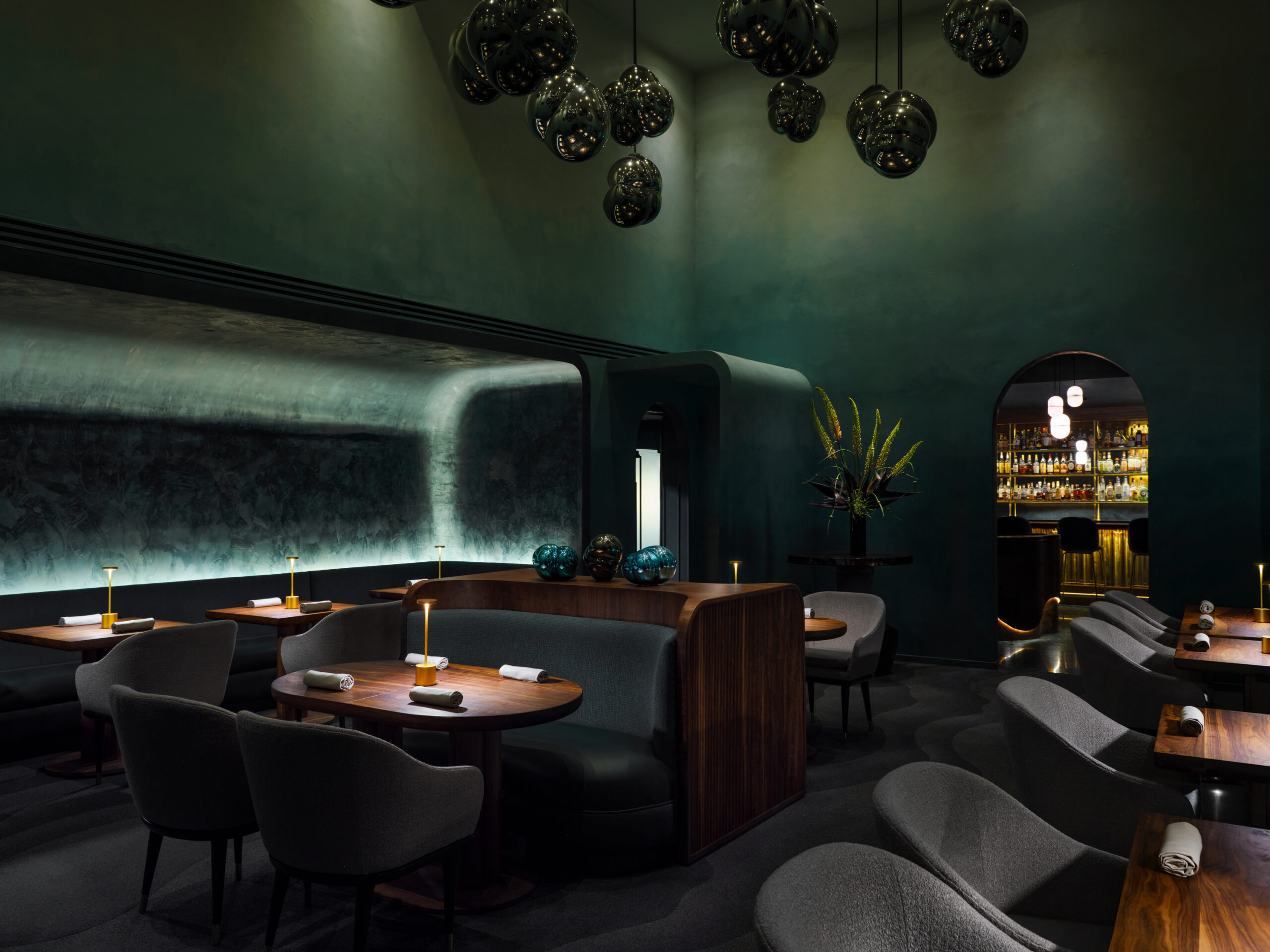
Modern Seafood Fine Dining
Providence
Los Angeles, United States
★★★ · 50 Best
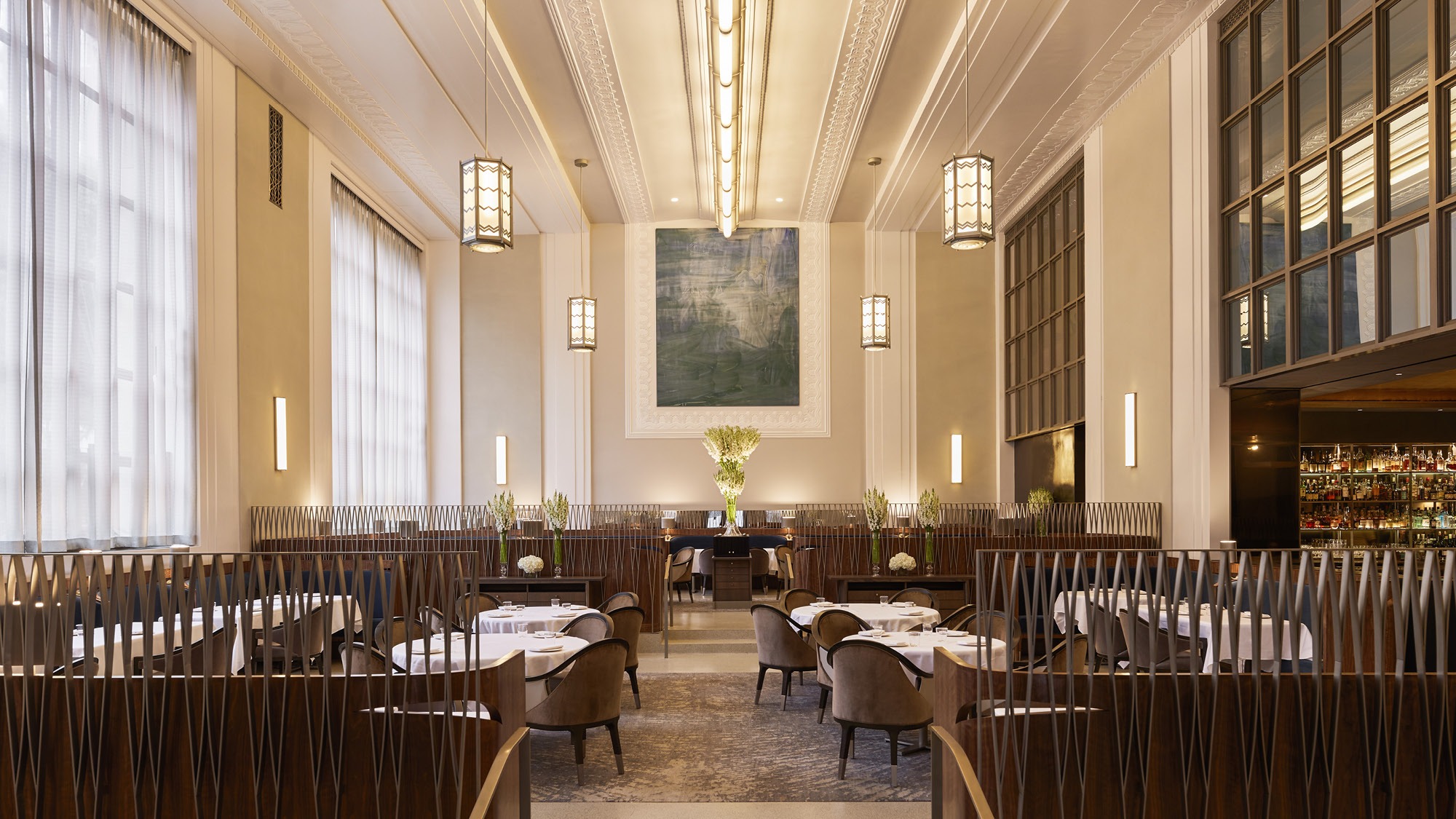
Contemporary Plant-Based Fine Dining
Eleven Madison Park
New York City, United States
★★★ · 50 Best