
From the people index
Recommended by
2 trusted voices point here.

Nine seats around the fryer
- Opinionated About Dining Top Restaurants in Japan Highly Recommended · 2026
- Tabelog Bronze #274: 4.2pts · 2026
- Tabelog 100 #92: 4.1pts · 2025
- Tabelog Bronze · 2025
- Opinionated About Dining Top Restaurants in Japan Ranked #139 · 2025
- Opinionated About Dining Top Restaurants in Japan Ranked #85 · 2024
- Opinionated About Dining Top Restaurants in Japan Ranked #81 · 2023
The same hand at the copper pot
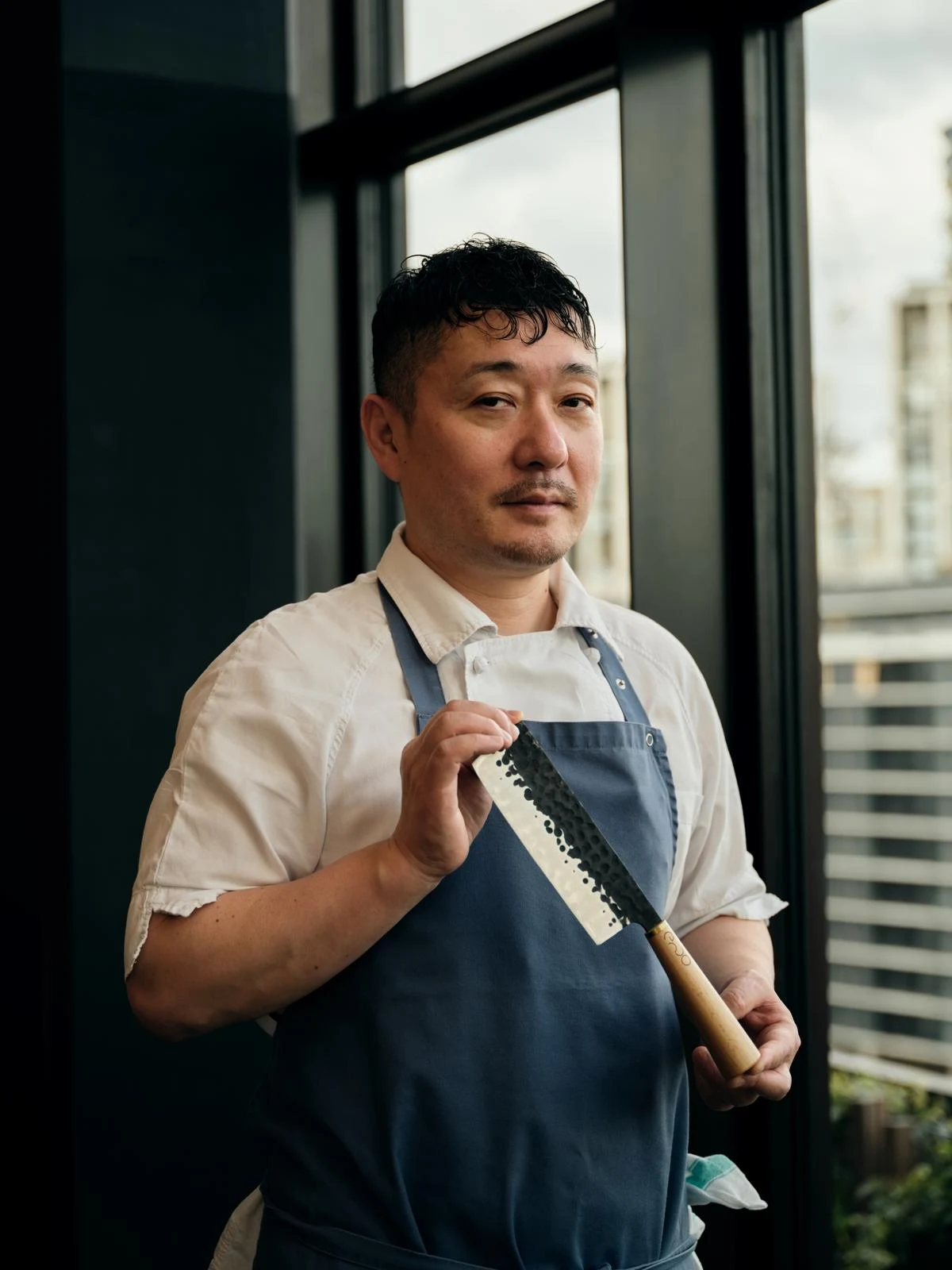
Tetsuya Saotome fries each piece himself, chef at Mikawa Zezankyo in Monzen-Nakacho, Tokyo, working from the copper pot to the counter with little distance between hand and guest. His career line stays narrow: dishwashing at Tensho in Ueno, tempura training from that first kitchen station, then ownership of a Tokyo tempura house. The importance is not range. It is repetition, carried long enough for the gesture to become legible.
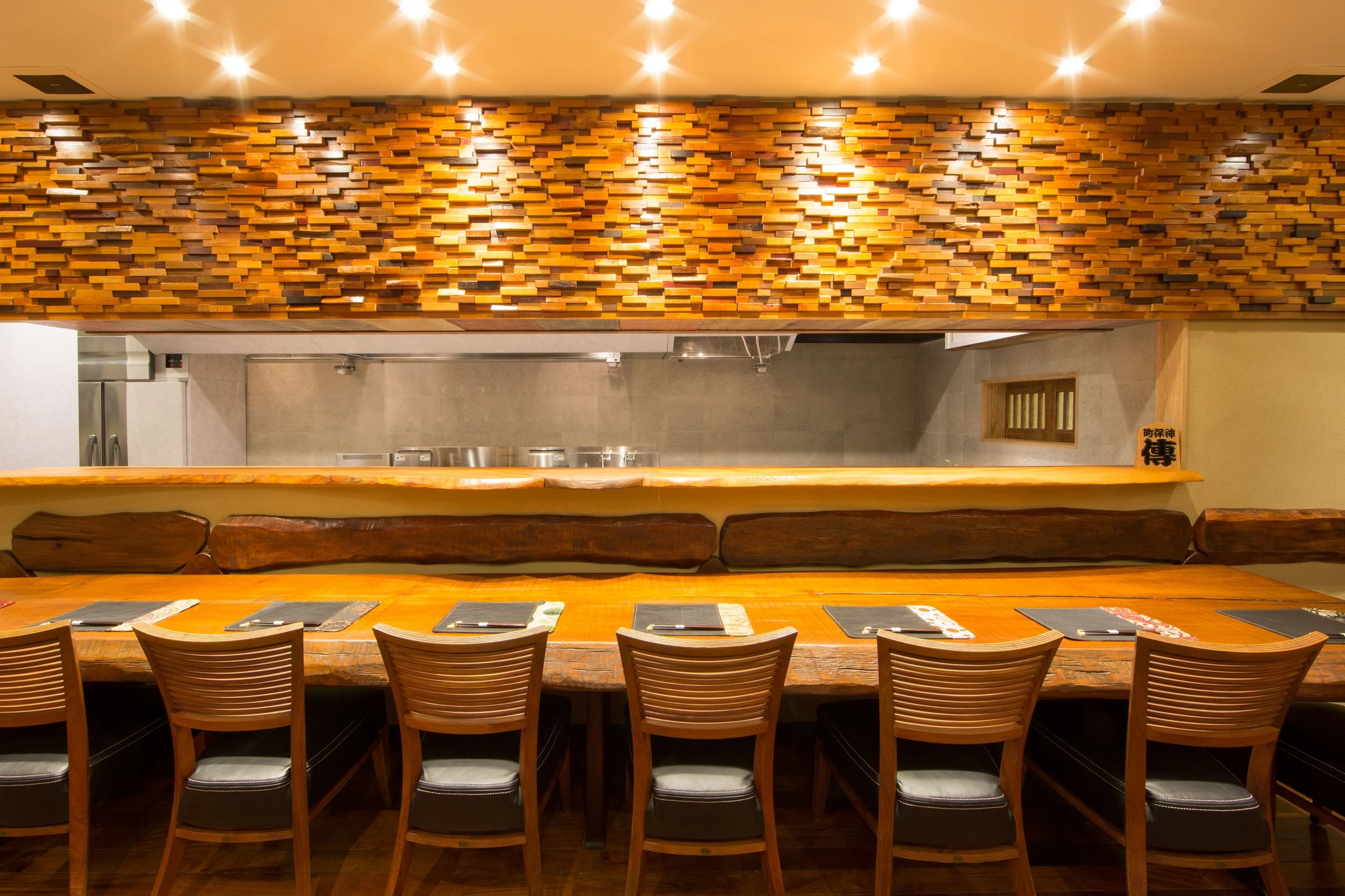
Saotome founded Mikawa Zezankyo in April 2009, after earlier Mikawa addresses had already made his name in Edo-style tempura. Here he remains owner-chef, which makes the station and the house inseparable. The first floor is built around a nine-seat wooden counter, close enough that guests can read the order of his hands: batter, oil, lift, rest, serve. The restaurant’s honors include a Michelin star in 2011 and a Tabelog Bronze award, but the working fact is simpler. Saotome still stands at the pot, making tempura the restaurant’s defining discipline rather than one part of a wider kitchen.
Batter, sesame oil, and the Edomae sequence
The omakase follows the discipline of the fryer rather than the sprawl of a menu. Prawn arrives in parts, including the sweet shrimp heads; fish such as kisu moves through the oil with a different timing; sumi ika asks for another texture; uni wrapped in shiso leaf carries heat into something fragile. The sequence is the point. Each piece leaves the pot when the coating has taken enough color and the ingredient inside has not lost its own register.
The house works in the Edomae tempura line, with seafood as the measure and a batter that should protect rather than bury. Sesame oil gives the surface its deeper tone, but the cooking depends on restraint at the moment of removal. Anago, vegetables, and kakiage close the course with a broader weight after the more tensile early pieces. There is a curated beverage program with sake as the natural companion, yet the center of gravity stays at the pass. The counter watches the oil.
A quiet counter with art upstairs
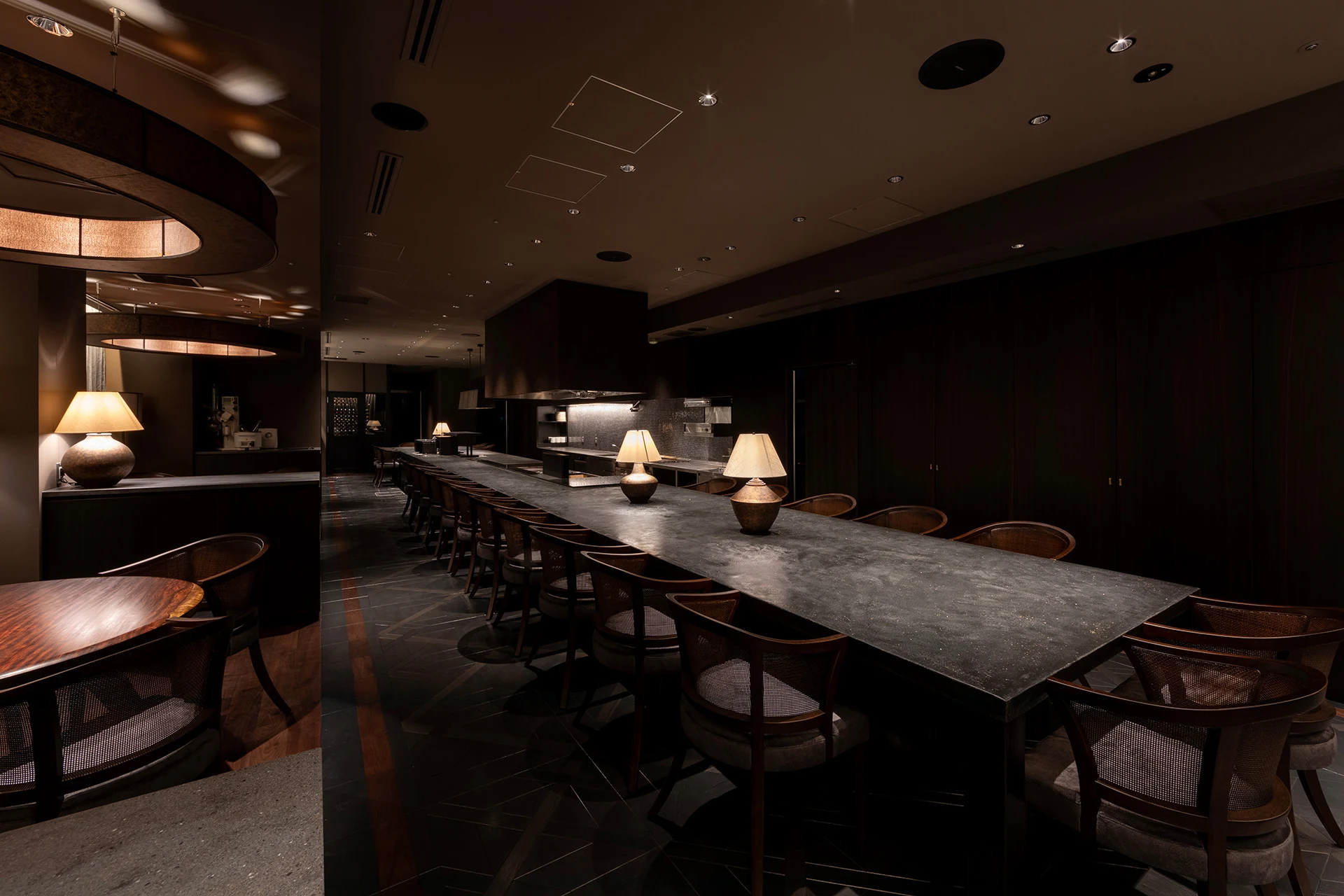
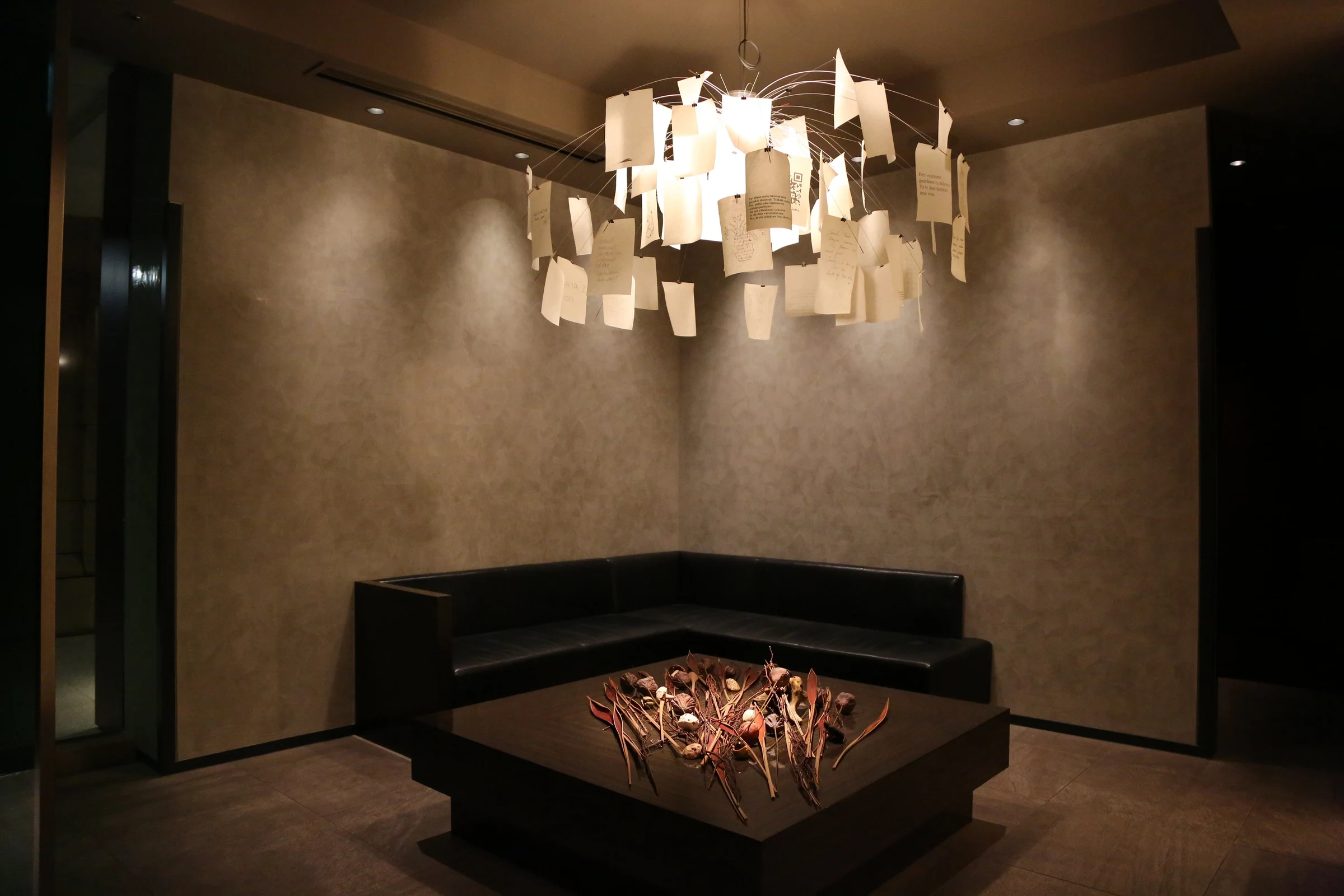
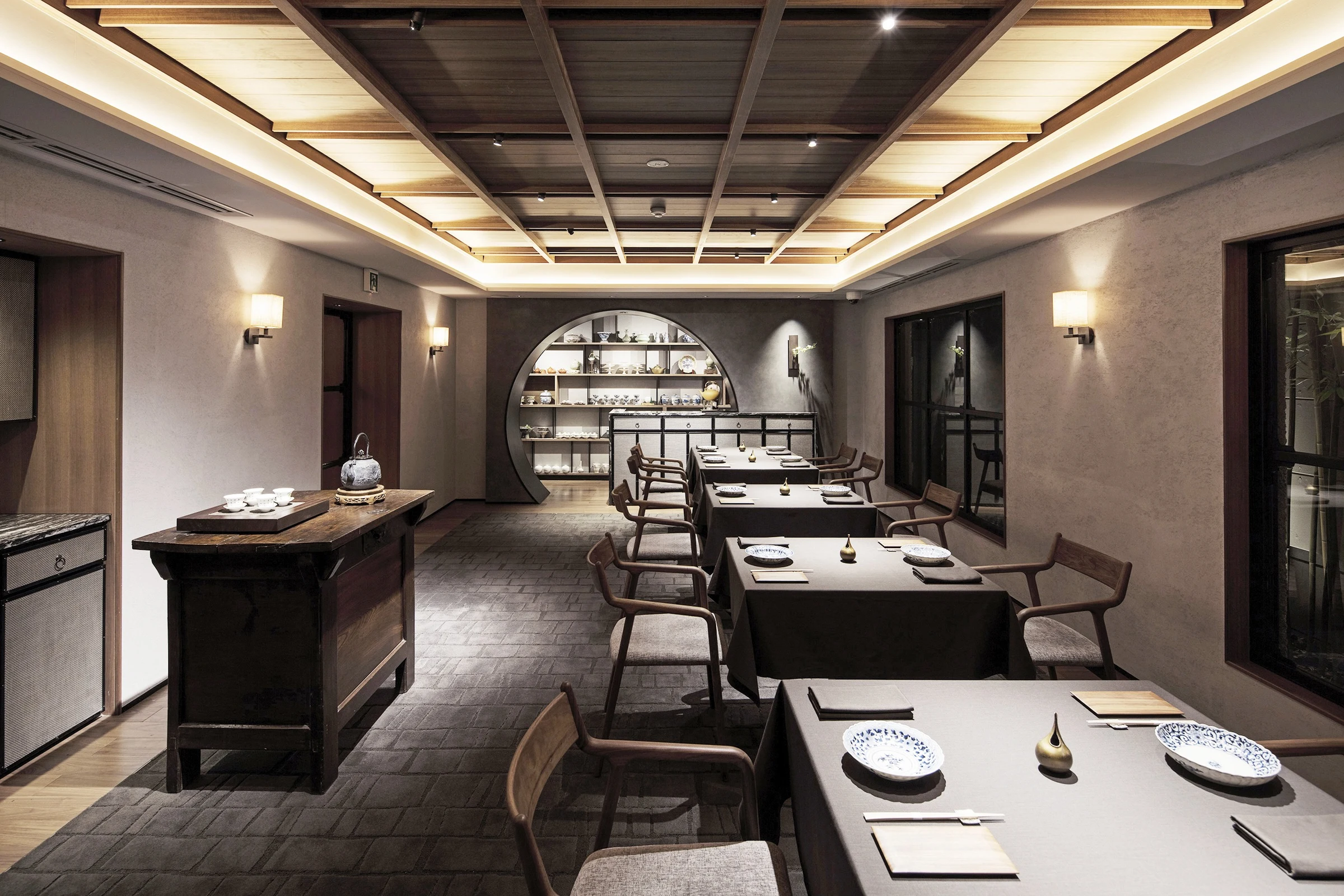
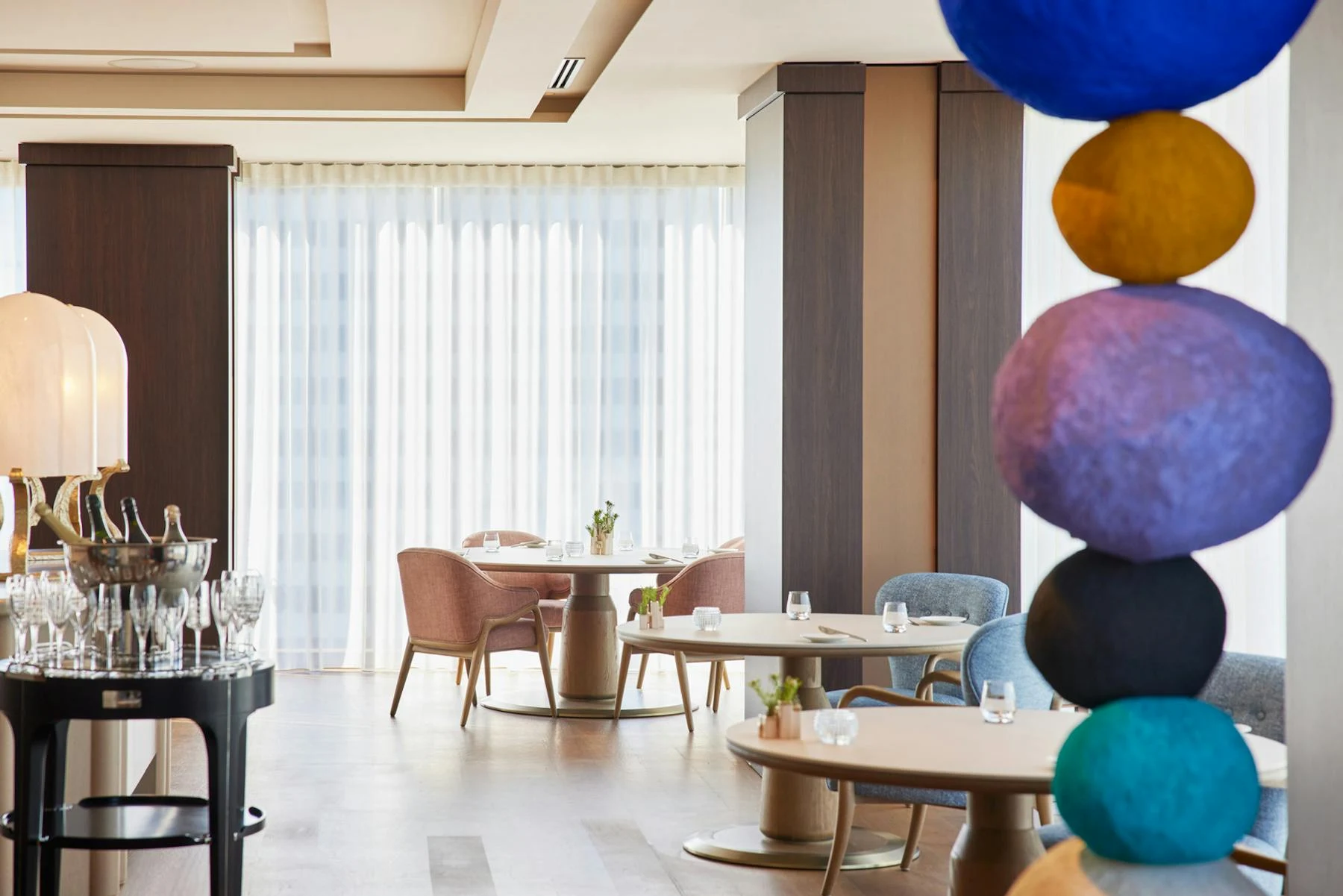
The room is calm, formal, and close to the work. A wooden counter faces the chef; above and around it, the house carries Saotome’s appetite for art as part of the experience, not as decoration pasted onto a dining room. Accounts of the building describe private tatami rooms upstairs and a third-floor salon used for artworks, giving the restaurant a gallery-like vertical life beyond the first-floor pass.
That mixture matters because the service itself has little excess. The diner receives tempura piece by piece, immediately after the lift from the oil, while the room stays quiet enough for small sounds to register: batter touching the pot, chopsticks setting down anago, the brief pause before the next ingredient. Monzen-Nakacho is not staged as spectacle here. The spectacle is the working distance between Saotome, the copper pot, and the nine-seat counter.
Questions
Frequently asked
What kind of restaurant is Mikawa Zezankyo?
Mikawa Zezankyo is an Edo-style tempura omakase restaurant in Monzen-Nakacho, Tokyo. It is built around a nine-seat wooden counter, with Tetsuya Saotome cooking at the copper pot himself.
Who is the chef at Mikawa Zezankyo?
The owner-chef is Tetsuya Saotome. He founded Mikawa Zezankyo in April 2009 and continues to work at the pot himself.
What is the food known for?
The omakase focuses on Edomae tempura, with seafood taking the lead. Dishes mentioned include uni wrapped in shiso leaf, sweet shrimp heads, kisu, and sumi ika.
Is booking required?
Reservations are essential, and bookings are taken through TableCheck. The dress code is smart casual.
The field
How it compares
| Place | Cuisine | Notes | Awards |
|---|---|---|---|
| Mikawa Zezankyo | Edo-style Tempura Omakase | Kōtō, $$$$ | · |
| Den | Modern Japanese Kaiseki | Tokyo | Michelin 2 Stars, World's 50 Best |
| Florilège | Modern French-Japanese Plant-Based Fine Dining | Tokyo | Michelin 2 Stars, World's 50 Best |
| Narisawa | Modern Japanese Satoyama Fine Dining | Tokyo | Michelin 2 Stars, World's 50 Best |
| Quintessence | Modern French Fine Dining | Tokyo | Michelin 3 Stars |
| Sazenka | Modern Chinese Fine Dining | Tokyo | Michelin 3 Stars, World's 50 Best |
| Sézanne | Modern French Fine Dining | Tokyo | Michelin 3 Stars, World's 50 Best |
In residence
Similar places
Modern Japanese Kaiseki
Den
Tokyo, Japan
★★ · 50 Best
Modern French-Japanese Plant-Based Fine Dining
Florilège
Tokyo, Japan
★★ · 50 Best
Modern Japanese Satoyama Fine Dining
Narisawa
Tokyo, Japan
★★ · 50 Best
Modern French Fine Dining
Quintessence
Tokyo, Japan
★★★
Modern Chinese Fine Dining
Sazenka
Tokyo, Japan
★★★ · 50 Best
Modern French Fine Dining
Sézanne
Tokyo, Japan
★★★ · 50 Best