Mosu
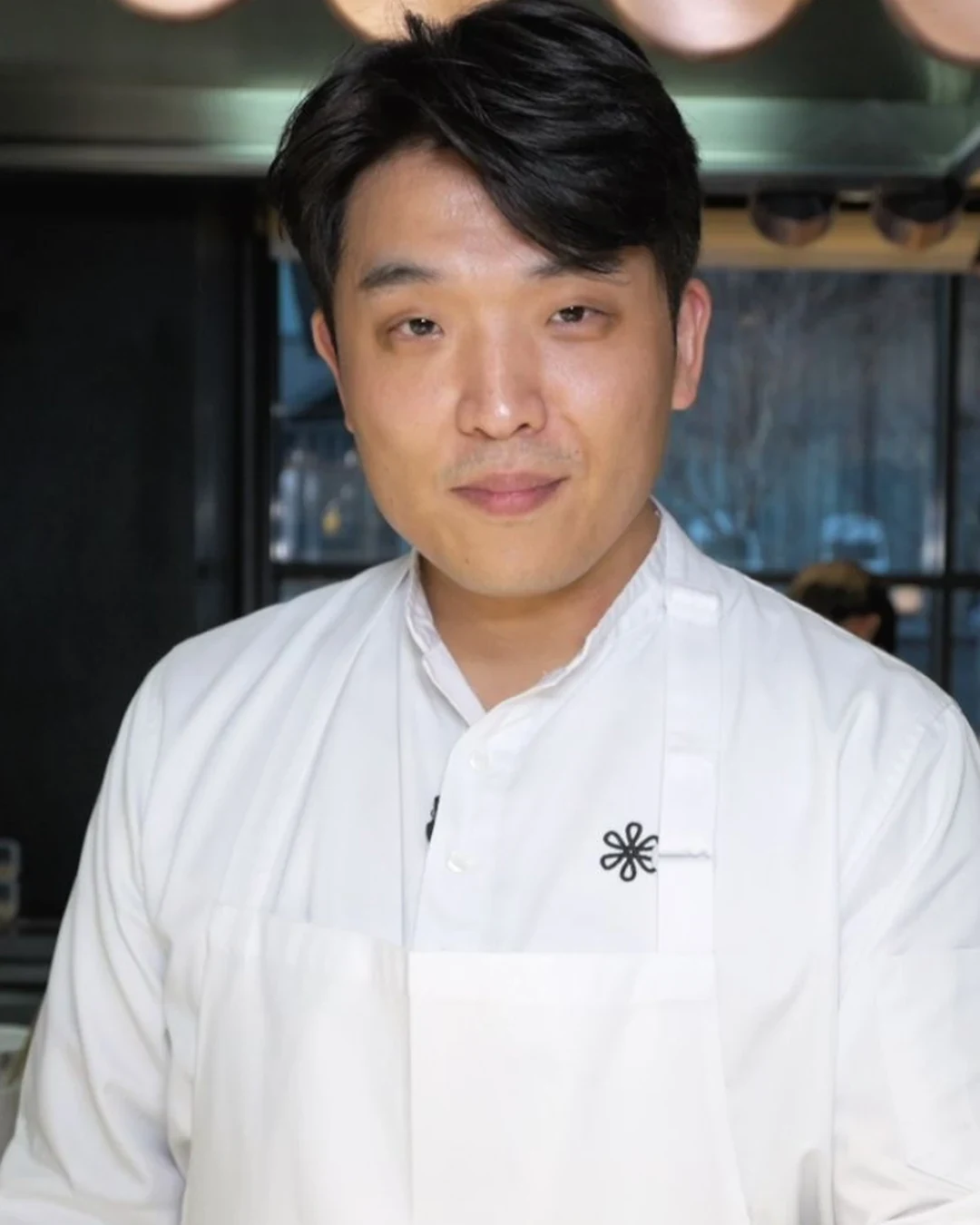
In Residence
Sung Anh
Chef
- 01CuisineModern Korean Fine Dining
- 02CityHong Kong, Hong Kong
- 03RecognitionWorld's 50 Best — No. 86
- World's 50 Best · #86 · World's 50 Best Restaurants
- Wine Spectator · Tier 1
- Michelin Plate · 2026
- Wine Spectator Award of Excellence · 2026
- Opinionated About Dining Top Restaurants in Asia Highly Recommended · 2026
- Black Pearl 1 Diamond · 2026
- Opinionated About Dining Top Restaurants in Asia Ranked #202 · 2025
- Tatler Best 20 Restaurants Hong Kong · 2025
- Michelin Plate · 2025
- Tatler Listed in Best Restaurants Asia-Pacific · 2025
- Opinionated About Dining Top Restaurants in Asia Ranked #4 · 2024
- World's 50 Best Best Restaurants #86 · 2024
- Michelin Plate · 2024
- Opinionated About Dining Top Restaurants in Asia Ranked #4 · 2023
Dining Inside the Museum: What the Room Signals Before the First Course
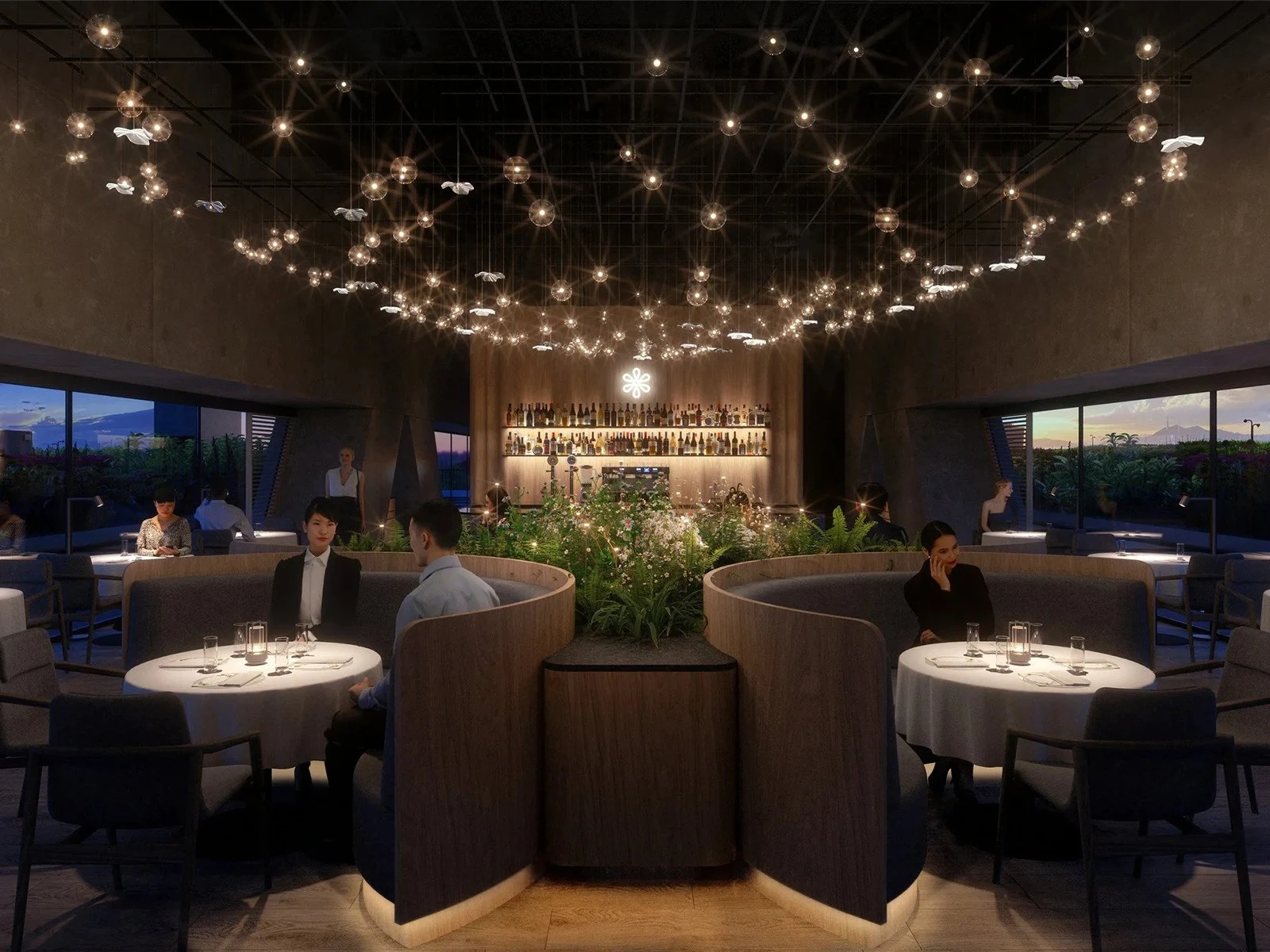
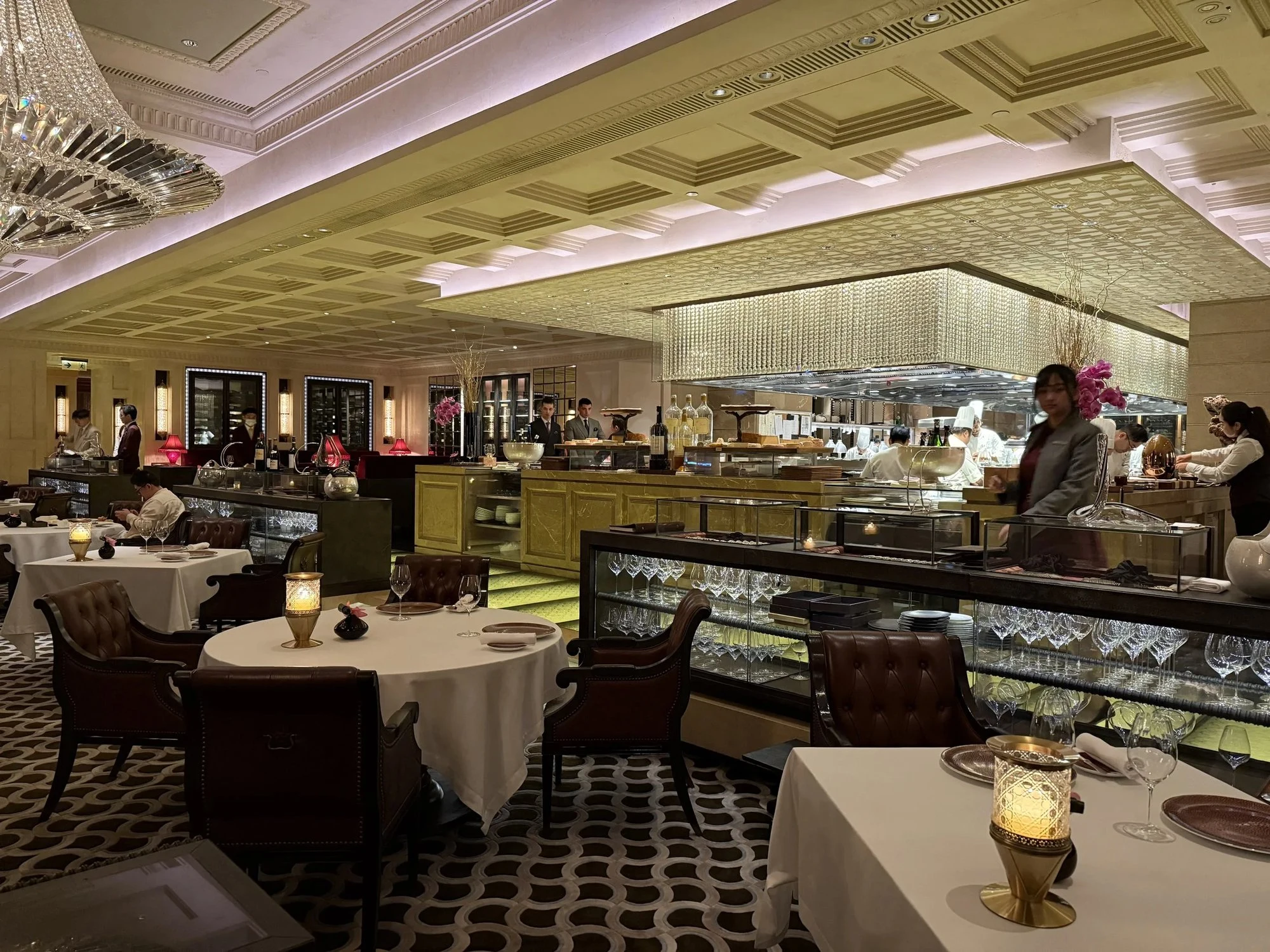
Mosu is a modern Korean fine dining restaurant in Hong Kong's West Kowloon Cultural District, led by chef Sung Anh and recognized on the World's 50 Best Restaurants list at No. 86 in 2024. Before a dish arrives, the physical context of Mosu does a great deal of editorial work. Concrete walls, a spacious room calibrated for low ambient noise, and lighting that creates a soft overhead canopy communicate a deliberate distance from the velvet-and-marble grammar of traditional Hong Kong fine dining. The harbour view through the glass adds a layer of geographic orientation that few city-centre rooms can match, you are placed, quite literally, inside culture and beside water.
This kind of setting is not incidental. Across Asia's premium dining tier, the museum-restaurant format has become a meaningful signal of intent. When a kitchen chooses to open inside a cultural institution rather than a hotel lobby or standalone shopfront, it is aligning itself with a different audience and a different set of expectations. The guests arriving at M+ Tower are already primed for considered experience. That pre-conditioning matters for how a multicultural tasting menu lands.
The Sunday letter
Find new places through the people who run them.
Our Sunday email brings you the chefs, winemakers and hoteliers behind our newest stories. See a sample before you subscribe.
See a sample of the Sunday emailOne email a week. Unsubscribe from any issue.
Where Mosu Sits in the Awards Structure
The critical reception around Mosu since its Hong Kong opening places it unambiguously in the upper tier of the city's creative-cuisine category. A ranking of #86 on the World's 50 Best Restaurants list in 2024 is significant context: only a small number of Hong Kong addresses appear in that bracket, and the list's methodology, ballots from travelling industry professionals, tends to weight consistency and originality over local celebrity. That ranking arrived alongside an Opinionated About Dining Asia position of #4 in both 2023 and 2024, a publication whose data-heavy methodology and peer-voting model is often considered a sharper instrument than broader popularity polls. In 2025, the OAD Asia ranking shifted to #202, reflecting either ballot recalibration or the natural volatility of peer-voted lists in a competitive regional field, but the Michelin Plate recognition in both 2024 and 2025 provides a floor of institutional credibility.
The comparison is instructive. Hong Kong's most-decorated fine-dining rooms occupy distinct award clusters. Amber and Caprice hold Michelin stars and operate within French-contemporary frameworks that the Michelin model rewards reliably. 8 1/2 Otto e Mezzo Bombana anchors Italian fine dining at the top of that category. Ta Vie sits at the Japanese-French intersection with its own Michelin recognition. Mosu, by contrast, has built its reputation through a different pathway, strong 50 Best and OAD positioning, which suggests its appeal lands more clearly with travelling professionals and repeat fine-dining visitors than with guests whose frame of reference is the Michelin star count alone.
For readers who follow creative-cuisine programs across Asia, Mosu belongs in conversation with Born and Nouri in Singapore, and with Gaggan Anand in Bangkok, restaurants where the awards narrative is intertwined with a specific cultural argument about what Asian fine dining can do when it refuses European hierarchy as its primary reference point.
The Menu's Cultural Argument
A multicultural tasting menu anchored in Korean culinary traditions is a specific proposition, not a vague fusion brief. In practice, the Korean foundation functions as a sensibility rather than an ingredient checklist: attention to fermentation, to textural contrast, to the choreography of courses that build without announcing themselves. Chef Sung Anh brings this framework to a room that sits geographically in Cantonese Hong Kong, and the tension between those two reference points gives the menu its editorial logic.
This approach has precedent in the broader creative-cuisine world. At Ultraviolet by Paul Pairet in Shanghai, the tasting-menu format is taken to its most controlled extreme. At Bo Innovation in Hong Kong, Chinese culinary tradition is processed through a modernist lens. Mosu's Korean-rooted framework operates differently from both, it is less theatrically driven than Ultraviolet, less anchored to a single source cuisine than Bo Innovation, and more interested in the quiet accumulation of precision than in set-piece moments. The Google rating of 4.4 across 194 reviews suggests consistent guest satisfaction.
For reference, Korean-rooted fine dining at this level has very few direct comparators in Asia. Atomix in New York, where the Korean tasting-menu model has arguably found its most-discussed expression in the West, operates with a similar award-cluster logic, using OAD and 50 Best positioning to define its comparable set. Mosu in Hong Kong is the closest regional equivalent to that conversation.
The West Kowloon Context
Opening in the Cultural District rather than Central or Wan Chai was a meaningful geographic decision. West Kowloon is not yet a dining destination in the way that Soho or Sheung Wan are, and M+ Tower is the primary draw to the area for visitors. That means Mosu's guests are largely making a dedicated trip rather than stumbling in from a neighbourhood stroll. The practical implication: the restaurant earns the full attention of its diners before they sit down, because the journey to the table is already an act of intention.
The Cultural District's infrastructure continues to develop, and the concentration of arts programming at M+ and the adjacent Xiqu Centre gives the neighbourhood a character that more established restaurant districts lack. For those planning an evening, the area connects to the broader Tsim Sha Tsui waterfront, and the MTR's West Rail and Tuen Ma lines serve the district, with the venue's address at 38 Museum Drive making the approach from the station a direct walk along the promenade.
Those tracking the creative-cuisine category across other cities may also find it useful to read alongside our coverage of Le Bernardin in New York and Lazy Bear in San Francisco, where the tasting-menu format operates under a different set of culinary traditions but comparable levels of critical scrutiny. Emeril's in New Orleans offers a useful counterpoint from the American fine-dining tradition for those mapping the global creative-cuisine conversation.
Questions
Frequently asked
What recognition does Mosu hold?
Mosu holds a place on the World's 50 Best list at number 86.
Who works at Mosu?
Made By profiles Sung Anh (Chef) at Mosu.
How expensive is Mosu?
Mosu is listed at a price level of $$$$.
Where is Mosu and what does it serve?
Mosu is in Yau Tsim Mong South, Hong Kong, serving Modern Korean Fine Dining.
The field
How it compares
| Place | Awards | Cuisine | Notes |
|---|---|---|---|
| Mosu | World's 50 Best #86 | Modern Korean Fine Dining | Yau Tsim Mong South, $$$$ |
| 8 1/2 Otto e Mezzo Bombana (Hong Kong) | Michelin 3 Stars, World's 50 Best | 3 Michelin-Star Italian Fine Dining | Hong Kong |
| Amber | Michelin 3 Stars, World's 50 Best | Contemporary French Fine Dining | Hong Kong |
| Caprice | Michelin 3 Stars, World's 50 Best | Contemporary French Fine Dining | Hong Kong |
| The Chairman | Michelin 1 Star, World's 50 Best | Traditional Cantonese | Hong Kong |
| Vea | Michelin 1 Star, World's 50 Best | Modern Chinese-French Fusion | Hong Kong |
| WING Restaurant | World's 50 Best | Modern Chinese Fine Dining | Hong Kong |
In residence
Similar places
3 Michelin-Star Italian Fine Dining
8 1/2 Otto e Mezzo Bombana (Hong Kong)
Hong Kong, Hong Kong
★★★ · 50 Best
Contemporary French Fine Dining
Amber
Hong Kong, Hong Kong
★★★ · 50 Best
Contemporary French Fine Dining
Caprice
Hong Kong, Hong Kong
★★★ · 50 Best
Traditional Cantonese
The Chairman
Hong Kong, Hong Kong
★ · 50 Best
Modern Chinese-French Fusion
Vea
Hong Kong, Hong Kong
★ · 50 Best
Modern Chinese Fine Dining
WING Restaurant
Hong Kong, Hong Kong
50 Best
The Sunday letter
Get the next Made By story in your inbox.
We send one email every Sunday morning with the places and people we covered that week.
See a sample of the Sunday emailOne email a week. Unsubscribe from any issue.