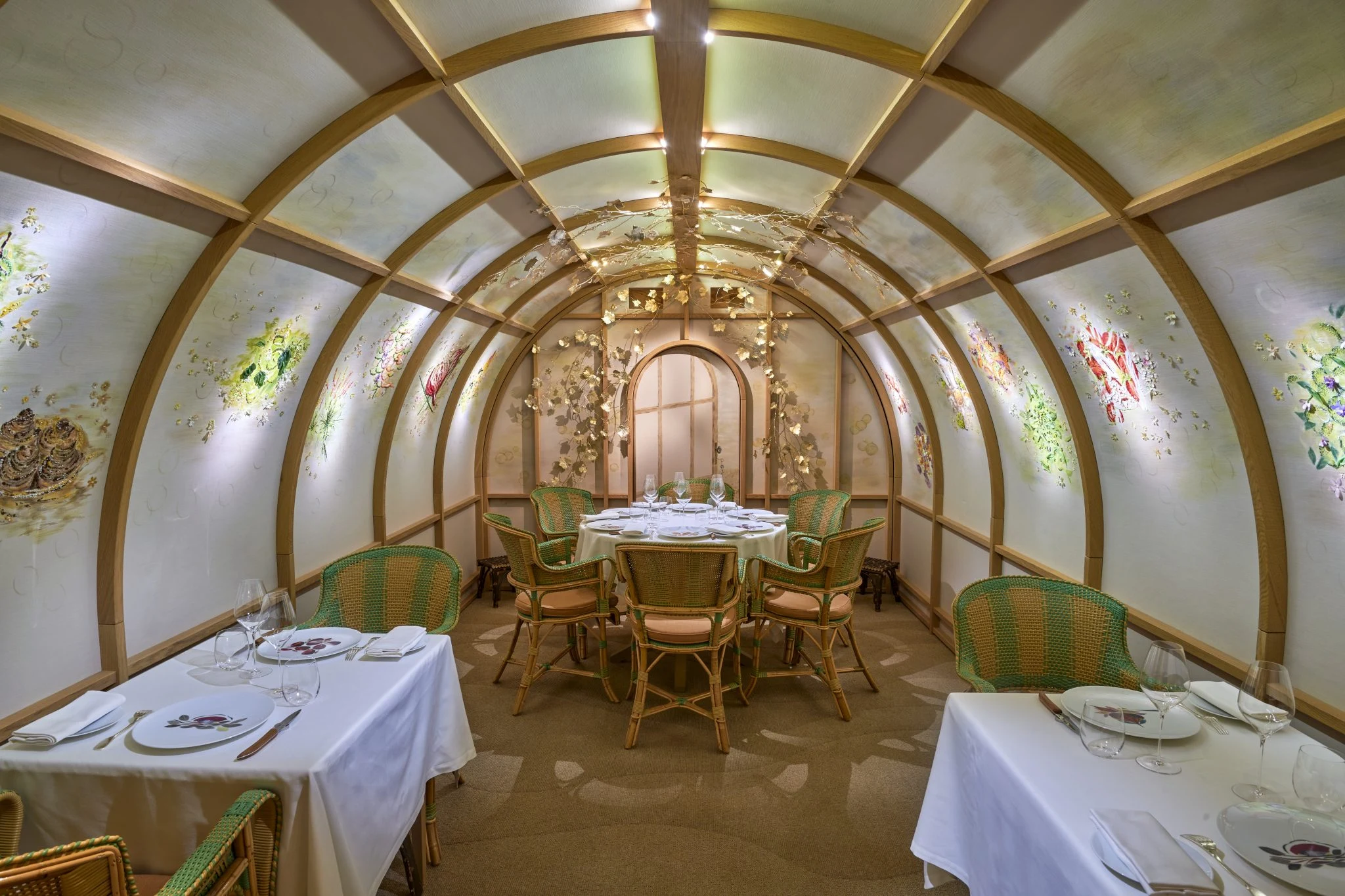
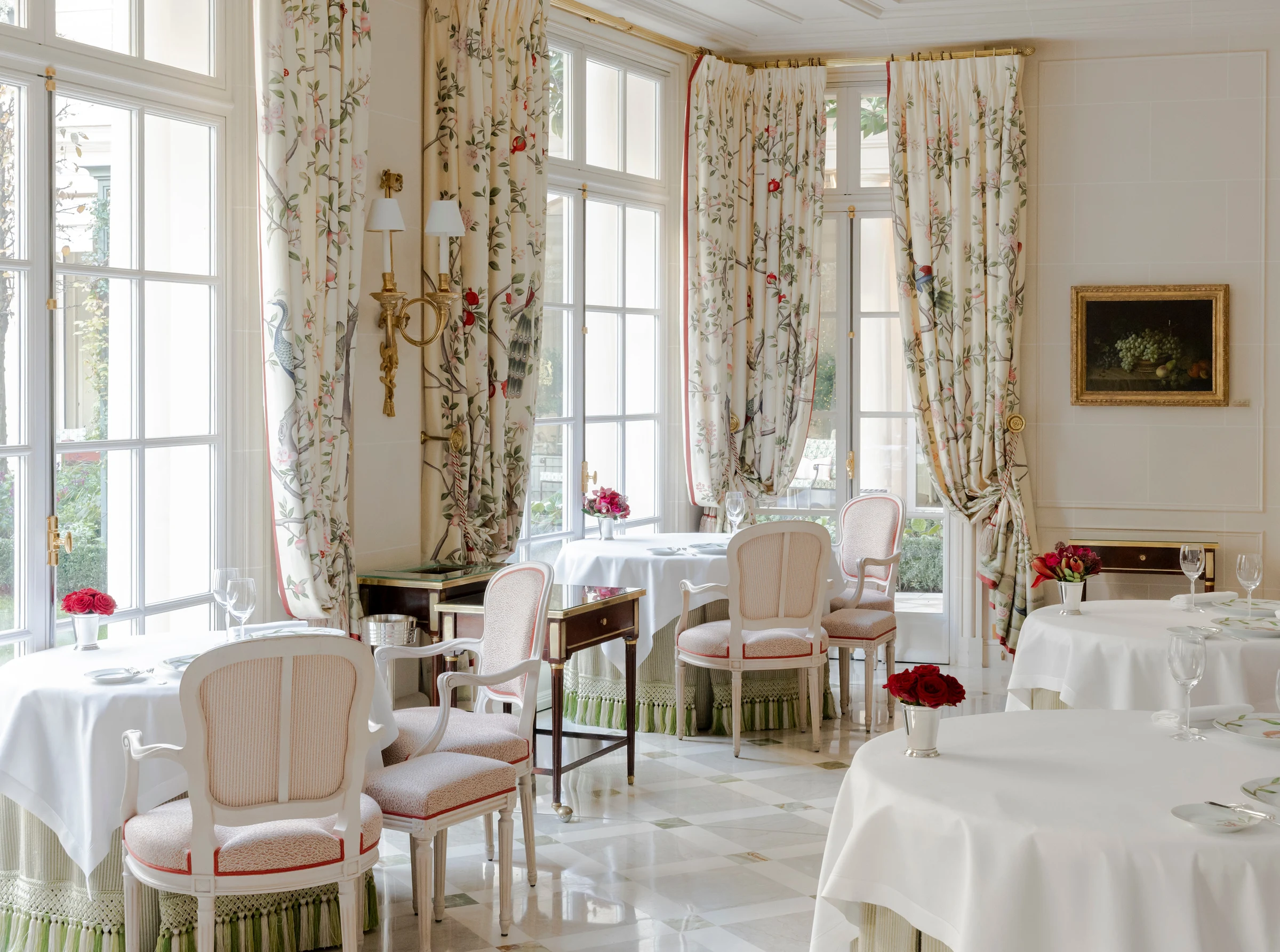
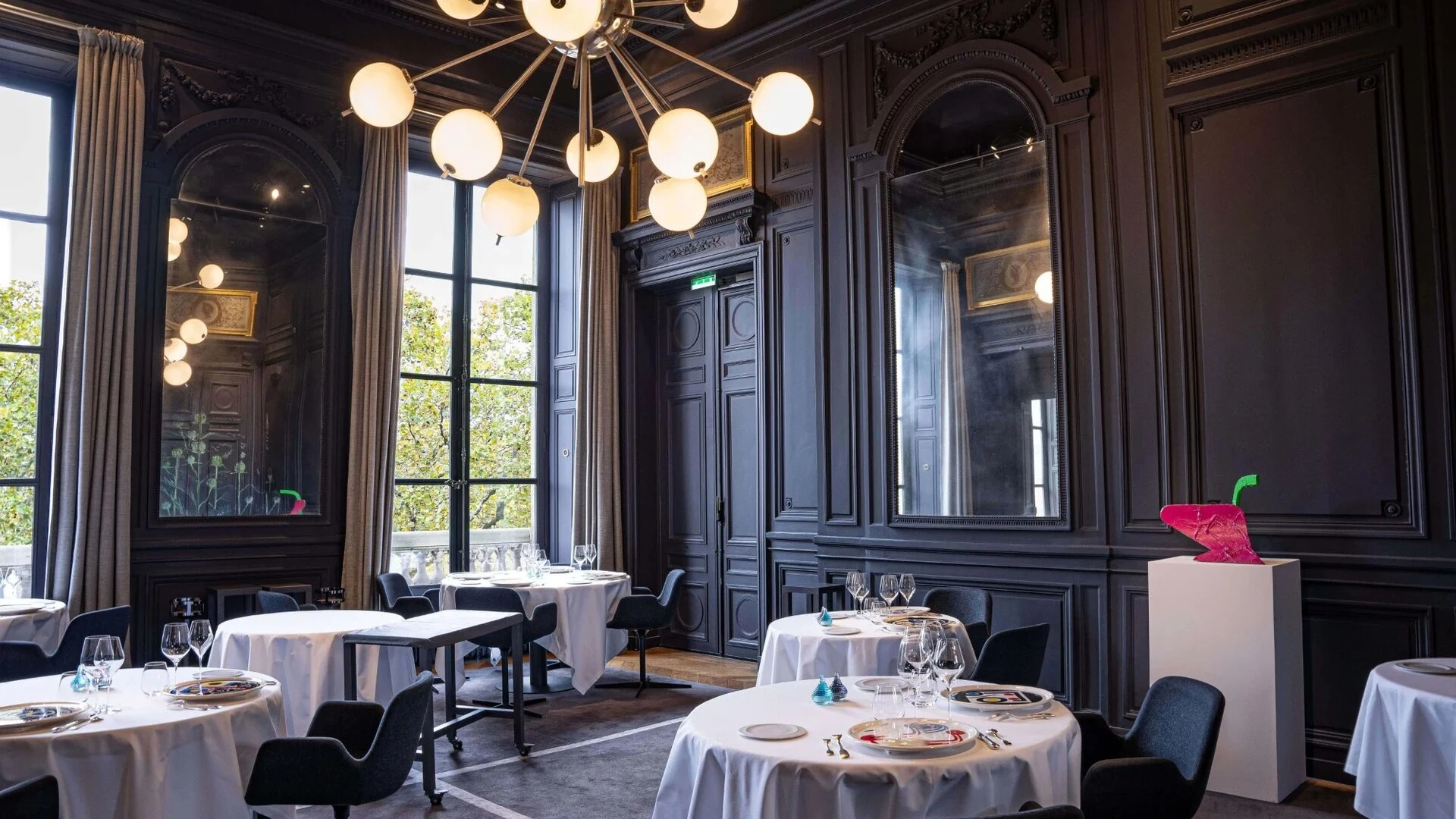
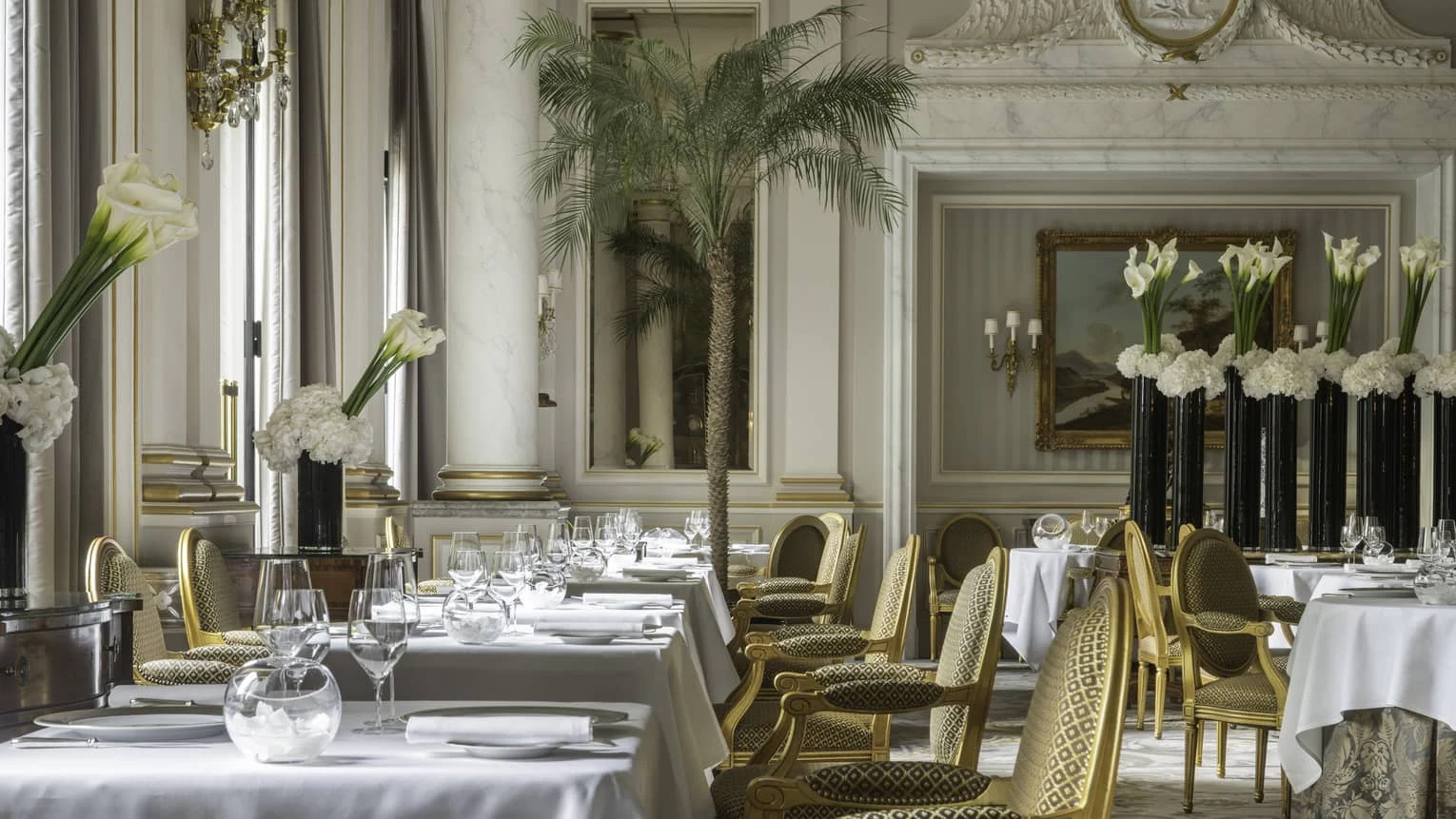
MoSuke
- 01CuisineFranco-Afro-Japanese Fusion
- 02CityParis, France
- 03RecognitionOne Michelin Star
- 1 Michelin Star · Michelin Guide
- Michelin 1 Star · 2026
- Gault & Millau Remarkable Restaurant: 15pts · 2025
- Michelin 1 Star · 2025
- Michelin 1 Star · 2024
The 14th Arrondissement and the Question of What French Cuisine Can Absorb
Paris's modern cuisine scene has, over the past decade, split into two recognisable camps. One group refines the classical canon with incremental creativity, tighter sourcing, lighter sauces, more attention to texture. The other, smaller group uses French technique as a platform for cross-cultural dialogue, where the provenance of a method and the provenance of an ingredient are treated as separate, combinable variables. MoSuke is a one-Michelin-star restaurant on Rue Raymond Losserand in Paris, serving Franco-Afro-Japanese Fusion cuisine at about €60 per person.
The 14th sits outside the traditional circuit of Parisian gastronomy. The 8th, with addresses like 114, Faubourg and Accents Table Bourse, remains the institutional centre of gravity. The 14th's character is different: more residential, less monument-adjacent, more inclined toward the kind of quietly serious cooking that earns recognition without needing a famous postcode to do it. MoSuke's sustained Michelin recognition, with one star in 2024 and 2025, confirms its place in the city.
Local Ingredients, Global Technique: The Structural Premise
The intersection of imported culinary methods and French-sourced produce is not a new idea in Paris. Amâlia works a similar seam from a different cultural starting point, as does Anona in its own register. What distinguishes the more serious addresses in this category is the degree to which the cross-cultural framework is structural rather than decorative. When a kitchen uses non-French technique as a genuine organisational principle, shaping how heat is applied, how seasoning is layered, how a dish's internal tension is resolved, the result reads differently than a French preparation finished with an exotic spice.
MoSuke operates at the structural end of this spectrum. The cooking draws on West African culinary logic alongside French classical foundations, and the combination is treated as a coherent vocabulary rather than a series of fusion gestures. This places it in a lineage that includes, at the international level, addresses like Frantzén in Stockholm and FZN by Björn Frantzén in Dubai, where the operating premise is a confident synthesis rather than a dominant tradition with foreign inflections. In each case, what makes the argument land is the degree of technical discipline applied to both sides of the equation.
Within the French context specifically, this approach invites comparison with a tradition of kitchens that have absorbed external influence without losing precision. Mirazur in Menton built its reputation on Mediterranean-Argentine tension; Flocons de Sel in Megève works with Alpine produce through a framework shaped by global technique. The commonality is specificity: each kitchen knows exactly which tradition it is drawing from and why.
Placing MoSuke in the Paris Modern Cuisine Tier
At the €€€€ price point, Paris's modern cuisine category is competitive and increasingly well-defined. Alléno Paris au Pavillon Ledoyen occupies the three-star register with a programme built around sauce-as-architecture. Kei operates a Franco-Japanese synthesis with two Michelin stars. L'Ambroisie represents the classical pole at three stars, and Le Cinq at the Four Seasons George V holds three stars with a format built for the international luxury traveller. Plénitude works contemporary French idiom at two stars from its Cheval Blanc base.
MoSuke at one star sits below that upper tier in Michelin terms, but the Remarkable classification is a meaningful signal: it indicates a restaurant that the guide's inspectors regard as having a distinctive identity worth tracking. A sustained two-year star alongside that classification, in a city where one-star restaurants are plentiful, suggests a kitchen with consistent execution and a clear point of view. For a traveller whose interest is in cross-cultural modern cooking rather than French classicism, MoSuke occupies a comparable set that is defined by ambition and direction rather than accolade count.
For comparison with other cross-cultural modern addresses in Paris, Accents Table Bourse and Amâlia both operate in similar territory at comparable price points. The decision between them is largely one of which cultural dialogue a diner finds most compelling in any given meal.
The French Culinary Tradition MoSuke Is Working Against
To understand what MoSuke is doing, it helps to know what it is departing from. French haute cuisine's post-war consolidation, represented at its most durable by addresses like Paul Bocuse - L'Auberge du Pont de Collonges in Collonges-au-Mont-d'Or, Auberge de l'Ill in Illhaeusern, Troisgros - Le Bois sans Feuilles in Ouches, and Bras in Laguiole, established a set of assumptions about where meaning lives in a dish: in classical technique applied to regional French produce, with the cook's identity expressed through refinement rather than rupture.
The generation of Paris kitchens working in the cross-cultural modern mode are not rejecting that tradition so much as expanding the frame. The technical rigour is maintained; what changes is the source of the organising logic. West African flavour architecture, for instance, has its own internal rules about how fat carries spice, how fermentation functions as seasoning, and how a dish builds across multiple simultaneous registers rather than a single dominant note. When those rules are applied to French produce with French-trained precision, the result is a cooking style that cannot be reduced to either tradition alone.
This is the context in which MoSuke's Remarkable classification reads most clearly. Michelin's secondary designations tend to flag kitchens that have established a coherent, revisitable identity, not merely a technically proficient one. In a city where technical proficiency is close to a baseline expectation at this price point, identity is the differentiator.
Planning a Visit
MoSuke is located at 11 Rue Raymond Losserand, 75014 Paris, in the Pernety neighbourhood of the 14th arrondissement. The address is within walking distance of Pernety metro station on line 13, which connects directly to Montparnasse and Saint-Lazare.
| Venue | Stars | Primary Register | Cultural Frame |
|---|---|---|---|
| MoSuke | 1 (2024, 2025) | Modern Cuisine | Franco-West African synthesis |
| Kei | 2 | Contemporary French / Japanese | Franco-Japanese synthesis |
| Alléno Paris au Pavillon Ledoyen | 3 | Creative | French classical, technique-led |
| L'Ambroisie | 3 | Classic French | French classical canon |
| Plénitude | 2 | Contemporary French | Contemporary French, hotel context |
Questions
Frequently asked
What recognition does MoSuke hold?
MoSuke holds 1 Michelin star.
How expensive is MoSuke?
MoSuke is listed at a price level of $$$$.
Where is MoSuke and what does it serve?
MoSuke is in 14th Arrondissement, Paris, serving Franco-Afro-Japanese Fusion.
The field
How it compares
| Place | Awards | Cuisine | Notes |
|---|---|---|---|
| MoSuke | Michelin 1 Star | Franco-Afro-Japanese Fusion | 14th Arrondissement, $$$$ |
| Arpège | Michelin 3 Stars, World's 50 Best | Vegetable-Focused French Fine Dining | Paris |
| Epicure | Michelin 3 Stars | Contemporary French Fine Dining | Paris |
| Guy Savoy | Michelin 2 Stars, World's 50 Best | Classic French Fine Dining | Paris |
| Le Cinq | Michelin 3 Stars, World's 50 Best | Modern French Fine Dining | Paris |
| Le Taillevent | Michelin 2 Stars, World's 50 Best | Classic and Modern French Fine Dining | Paris |
| Pierre Gagnaire | Michelin 3 Stars, World's 50 Best | Avant-Garde French Fine Dining | Paris |
Similar places
Vegetable-Focused French Fine Dining
Arpège
Paris, France
★★★ · 50 Best
Contemporary French Fine Dining
Epicure
Paris, France
★★★
Classic French Fine Dining
Guy Savoy
Paris, France
★★ · 50 Best
Modern French Fine Dining
Le Cinq
Paris, France
★★★ · 50 Best
Classic and Modern French Fine Dining
Le Taillevent
Paris, France
★★ · 50 Best
Avant-Garde French Fine Dining
Pierre Gagnaire
Paris, France
★★★ · 50 Best