Musso
- 01CityBarbaresco, Italy

- Falstaff Winery - 3 Stars · 2026
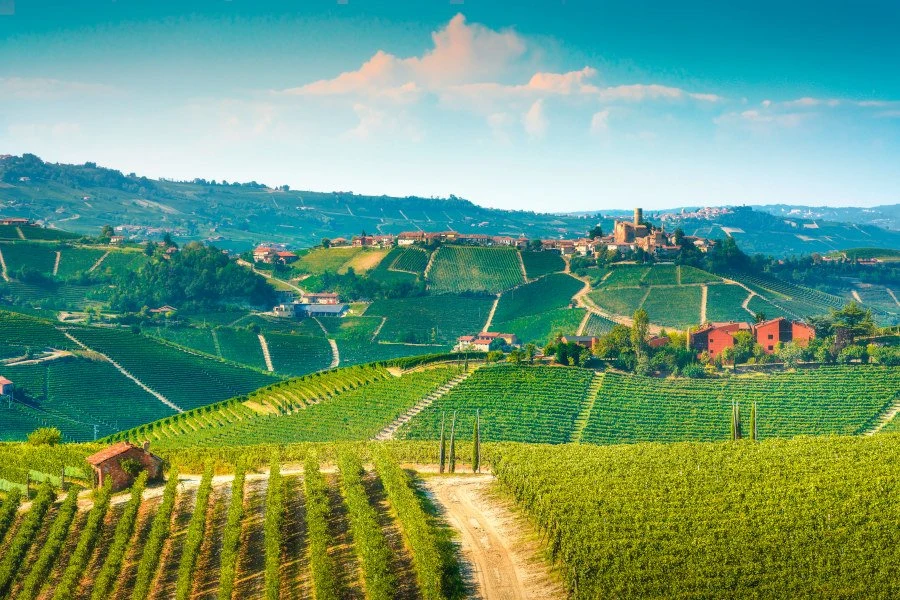
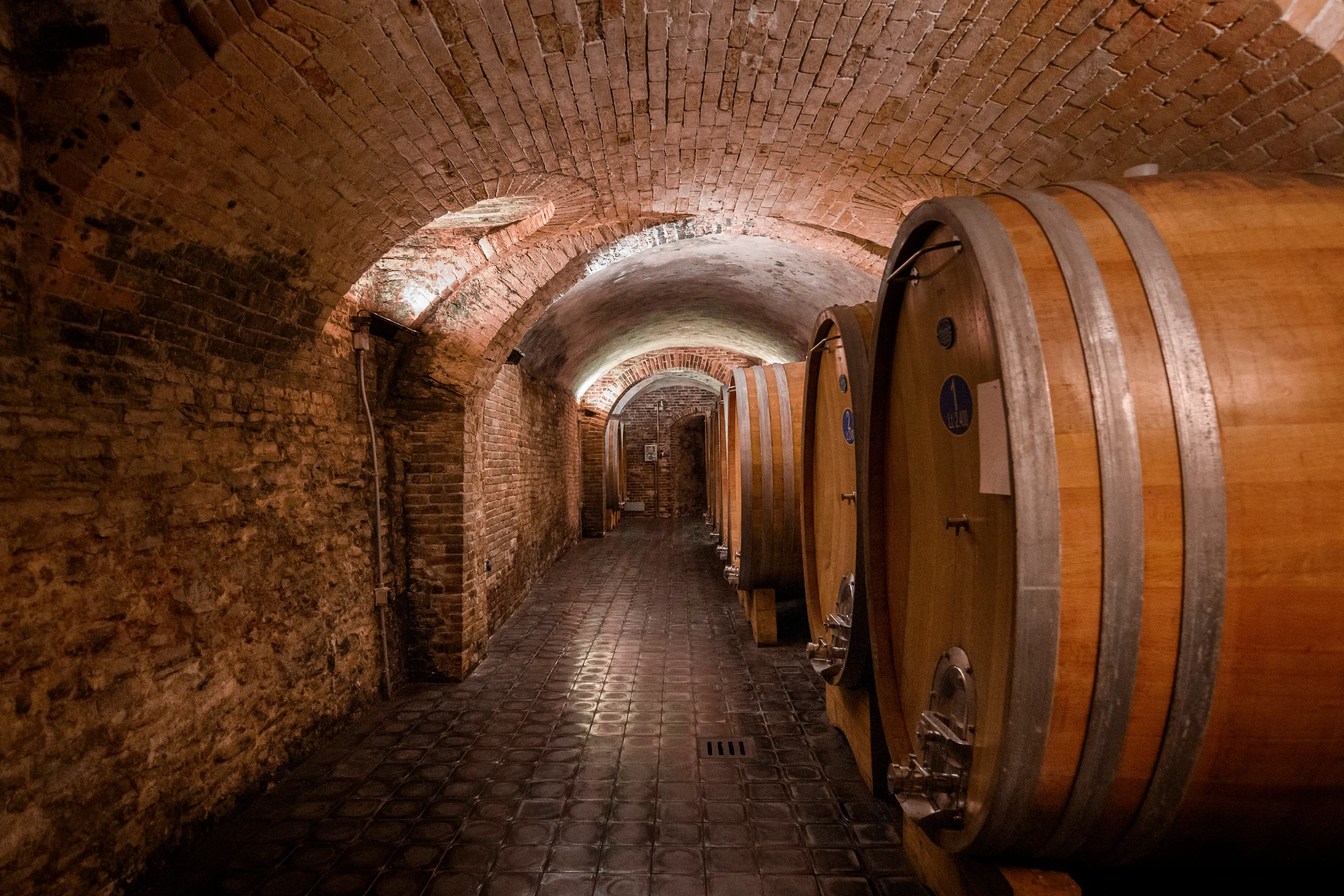
In Barbaresco, Musso is best understood as a small, family-run estate woven into the historic village center rather than as a large destination complex. Its traditional cellar is integrated into the house at the entrance to town, giving the experience a domestic, old-village character that fits the setting. That distinction is important: the estate is not presented here as a polished hospitality campus, but as a wine address whose character comes from proximity, continuity and a sense of belonging to the village itself.
The picture is concise: Musso is a Barbaresco estate with an emphasis on refined, classic Piedmontese elegance in its wines. The atmosphere is classic, romantic and scenic, with the estate’s identity tied closely to Barbaresco itself. More detailed claims about specific vineyards, production figures, grape lists, founding dates, tasting formats or visitor services should be confirmed directly before planning around them. In the absence of those finer points, the most useful reading is a restrained one: Musso is compelling because it reflects a small-estate idea of Barbaresco, where place, house and cellar are closely connected.
Barbaresco through a small-estate lens
The most reliable way to frame Musso is through its scale and setting. It is a small, family-run estate in Barbaresco, and its cellar is part of the house rather than a separate showpiece. That matters because the place reads as part of the village fabric: intimate, traditional and rooted in the local wine culture. The experience suggested by that setting is quieter and more personal than grand; the emphasis falls on the relationship between the estate and its immediate surroundings.
House style is best described in classic Piedmontese terms: refined and elegant rather than flashy. Without details on individual labels, vineyard holdings or production methods, the honest editorial emphasis is on the estate’s Barbaresco identity and the traditional character of the cellar setting. This is a useful way to understand the address: not by stretching beyond what is confirmed, but by recognizing the consistency between its village location, small family scale and the elegant, restrained language associated with the wines.
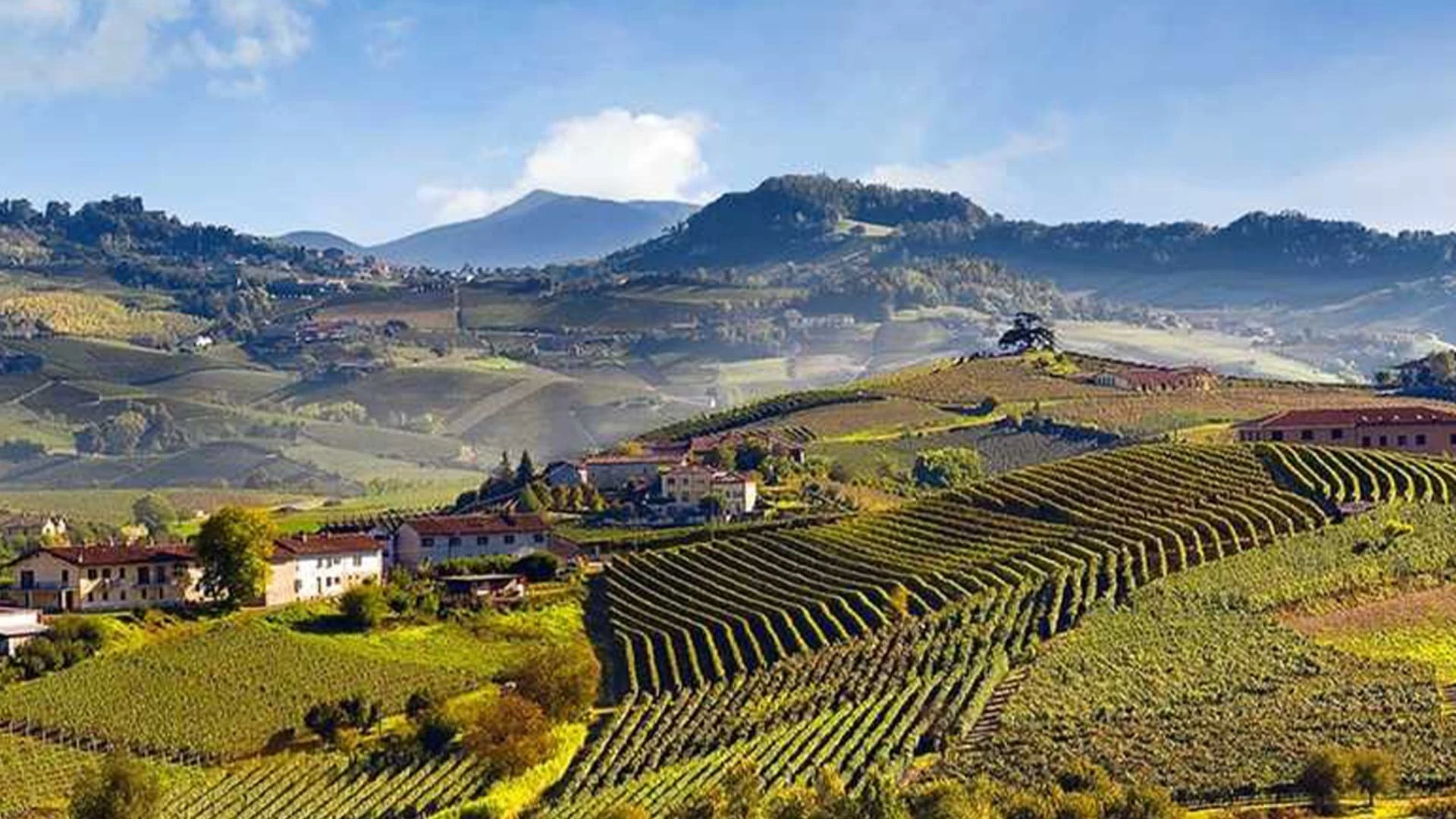
For travelers, Musso’s appeal is not built on a long list of public-facing amenities. It is the kind of address to approach as a village estate with a classic, romantic feel and a close connection to Barbaresco’s wine landscape. The scenic quality comes less from any promised facility than from the wider context of being in Barbaresco and encountering an estate that appears embedded in that environment rather than set apart from it.
What can be said is that Musso’s setting suggests a focused estate experience rather than a broad hospitality complex: a traditional cellar integrated into a family house in Barbaresco. That focus gives the address its clarity. Visitors should think of it as a place where the built setting and the wine identity are closely aligned, with the domestic scale reinforcing the impression of continuity and tradition.
That makes Musso most compelling for visitors who value atmosphere and context. The appeal is in understanding a small Barbaresco estate within the historic village environment, where the cellar and house form part of the same traditional structure. It is especially well suited to travelers who appreciate understatement: the romance here is not described through spectacle, but through the intimacy of a family estate set within one of Piedmont’s defining wine villages.
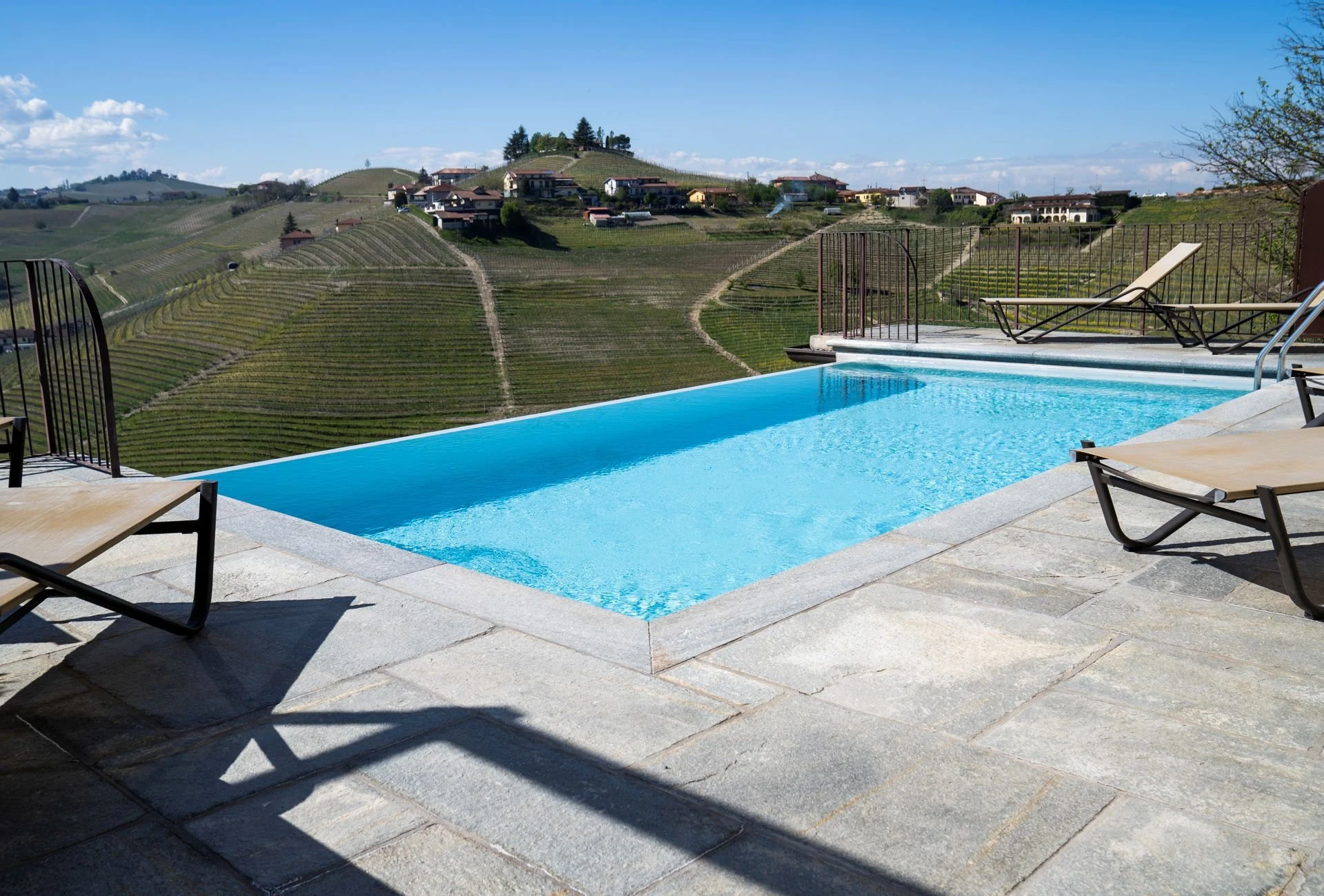
Details such as food service, outdoor seating, parking, group capacity or dietary accommodations are not confirmed in the public record. Check directly with the estate before relying on any of those practical points. The same cautious approach should apply to any assumptions about how visits are organized, what wines may be available to taste, or what level of hospitality infrastructure is in place at a given time.
How to place it in a Barbaresco itinerary
Musso is listed in the $$$ price tier and suits travelers looking for a classic, scenic and romantic Barbaresco wine stop. Because operational details are limited, it is best treated as a place to confirm in advance rather than one to plan around assumptions. That means the address may fit best into an itinerary built with flexibility, where the confirmed appointment or direct response from the estate shapes the timing and expectations.
For broader planning around the village, consider Musso alongside other dining and wine options in Barbaresco in a general way. Musso should be evaluated on its own strengths: small family ownership, a traditional cellar setting and classic Piedmontese elegance. Its role in a trip is therefore less about checking off amenities and more about adding a grounded, village-scale perspective to the Barbaresco experience. In that sense, it can provide a useful counterpoint to more elaborate or service-heavy stops, provided the practical details are before arrival.
Questions
Frequently asked
How expensive is Musso?
Musso is listed at a price level of $$$.
The field
How it compares
| Place | Notes | Awards |
|---|---|---|
| Musso | Barbaresco village, $$$ | · |
| Azienda Agricola Montaribaldi | Barbaresco | · |
| Cascina Morassino | Barbaresco | · |
| Gaja | Barbaresco | World's 50 Best |
| Guido Rivella | Barbaresco | · |
| Produttori del Barbaresco | Barbaresco | · |
| Roagna | Barbaresco | · |