Nestor
- 01CityHalbturn, Austria

- Falstaff Winery - 3 Stars · 2026
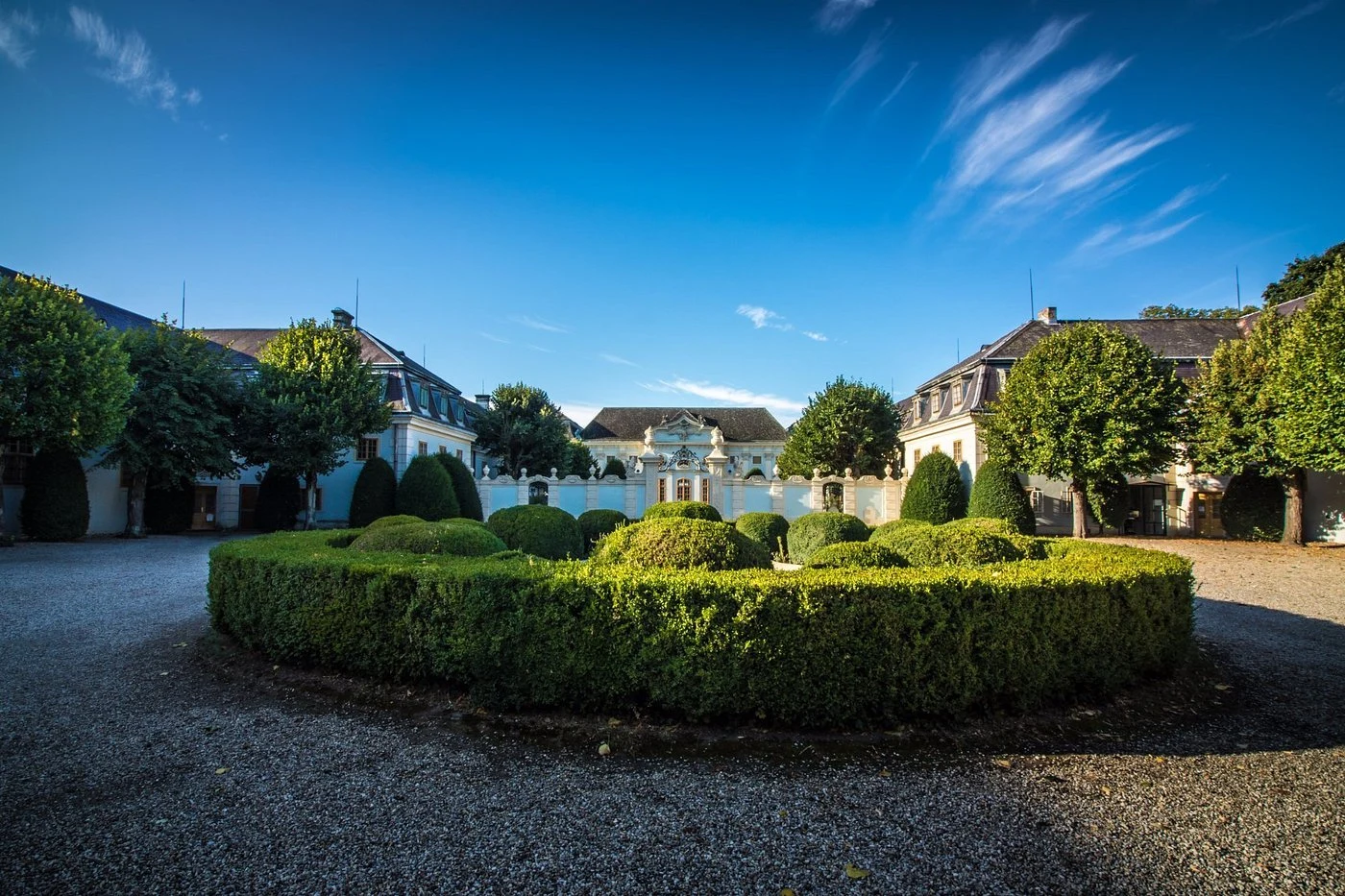
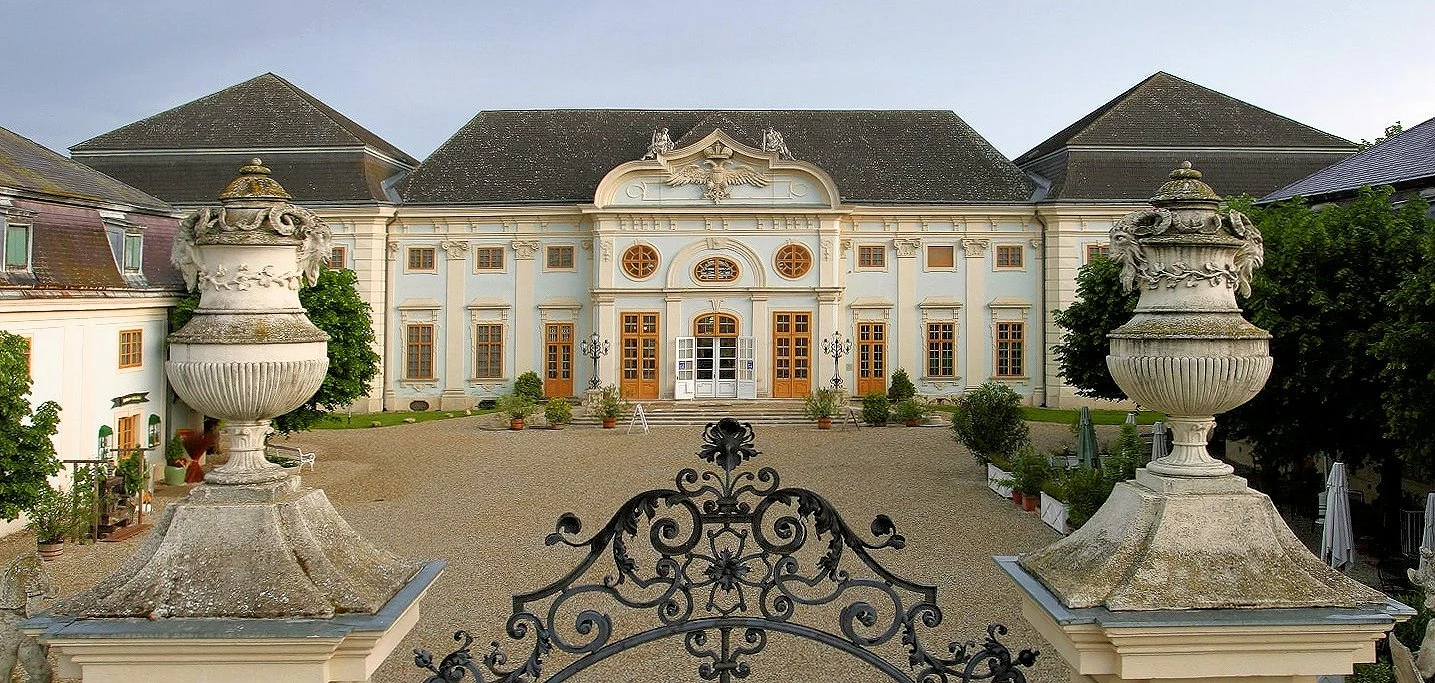
Approaching wine country around Halbturn, the emphasis at Nestor is not on spectacle but on place: vineyards, open sky, and the moderating influence of Lake Neusiedl. The project is best understood as a quiet, precise and terroir-focused winery shaped by the soils around Halbturn, with balanced and expressive wines presented as the main evidence. In that sense, Nestor reads less like a destination built around noise or display, and more like a carefully defined expression of its immediate surroundings. The useful frame is geographical and sensory: the village, the land around it, the nearby lake, and the way those elements are allowed to remain central rather than being pushed into the background.
Lake Neusiedl helps shape the wines
Nestor’s identity is closely tied to Halbturn and to the microclimate influenced by Lake Neusiedl. That context helps explain the winery’s focus on balance rather than showiness, with the surrounding soils and local climate treated as central to the character of the wines. The lake’s role is not presented as a decorative detail, but as part of the larger environmental setting through which the wines should be understood. It gives the description of Nestor a natural anchor: these are wines discussed through origin, moderation, and expression, not through exaggerated claims or theatrical framing.
The house impression is one of restraint and precision. Rather than framing the winery through an elaborate visitor concept or a broad hospitality narrative, the useful way to read Nestor is through its stated emphasis on terroir, sustainability, and expressive wines rooted in the Halbturn area. That restraint is important, because it keeps the focus on what is actually confirmed: a winery project whose language returns again and again to place, soils, and balance. It suggests a style of attention that rewards people who are interested in how a wine reflects its origin, rather than those looking mainly for spectacle.
For planning purposes, it is safest to treat Nestor as a focused Halbturn winery project whose confirmed appeal lies in its balanced, soil-driven wines and its sustainability ethos. This makes the winery easier to understand in a practical way: it is not necessary to build a story around unsupported details when the central point is already strong. Nestor’s appeal comes from the clarity of that positioning, from the idea that the wines are meant to communicate something specific about Halbturn and the landscape around it.
Sustainability is central to the identity
Nestor’s positioning includes a strong sustainability ethos. That does not require adding technical claims about vineyard practices, cellar equipment, yields, barrels, or production scale; the grounded point is that sustainability is part of how the project presents its relationship to Halbturn and its wines. It belongs to the same vocabulary as terroir and balance, not as an isolated marketing phrase but as a way of describing a measured, place-conscious approach. The emphasis remains broad but meaningful: a winery identity shaped by care, restraint, and attention to local conditions.
The same restraint should guide expectations. Nestor is not best described through unconfirmed production details, but through a quieter vocabulary: precision, terroir, balance, and the influence of the soils and lake-moderated climate around Halbturn. That vocabulary gives the page its proper scale. It avoids overstating what is known, while still making clear why the winery matters within its local context. The point is not to turn Nestor into something more elaborate than the confirmed information supports, but to recognize the strength of a project that can be described through concise, consistent ideas.
For visitors and wine drinkers, that means the most reliable reason to pay attention is the winery’s connection to place. Nestor’s identity is rooted in Halbturn, with wines shaped by local soils and the moderating microclimate of Lake Neusiedl rather than by a showy destination-winery premise. Anyone approaching it should therefore expect the discussion to revolve around origin and expression. The wines are presented as the primary argument, carrying the story of the soils, the surrounding climate, and the calm precision that defines the project’s public character.
A focused choice for people who care about origin
Nestor will make the most sense to people who want to understand a Halbturn winery through origin, balance, sustainability, and the relationship between soil and climate. It is a particularly clear fit for those who prefer a wine page to stay close to the evidence: where the wines come from, what shapes them, and how the winery describes its own priorities. The attraction is not built on abundance of detail, but on the coherence of the few details that matter most.
The essential appeal is clear even without those extra specifics: Nestor is a quiet, precise and terroir-focused winery project in Halbturn, with balanced, expressive wines shaped by the soils around the village and the moderating microclimate of Lake Neusiedl. That concise description carries the weight of the profile. It places the winery in its landscape, explains the importance of its environmental context, and keeps attention on the qualities that have been consistently stated: balance, expression, sustainability, and a close relationship to origin.
For broader planning, compare Nestor with other dining and wine options in Halbturn generically, and confirm current visit details directly before making arrangements. That final step matters because the most accurate way to approach a focused winery project is to separate the stable identity from the practical details that may need direct confirmation. What can be said with confidence is that Nestor belongs in a Halbturn plan for people who care about place-led wines and a restrained, terroir-focused point of view.
Questions
Frequently asked
How expensive is Nestor?
Nestor is listed at a price level of $$.
The field
How it compares
| Place | Notes |
|---|---|
| Nestor | Halbturn, $$ |
| Artisan Wines | Halbturn |
| Biohof Lang | Halbturn |
| Schloss Halbturn Winery | Halbturn |
| Weingut Heinrich und Elisabeth Thury | Halbturn |
| Weingut Silvia und Gerhard Pitzer | Halbturn |
| Weingut Unger | Halbturn |