Nihon Ryori Takamura
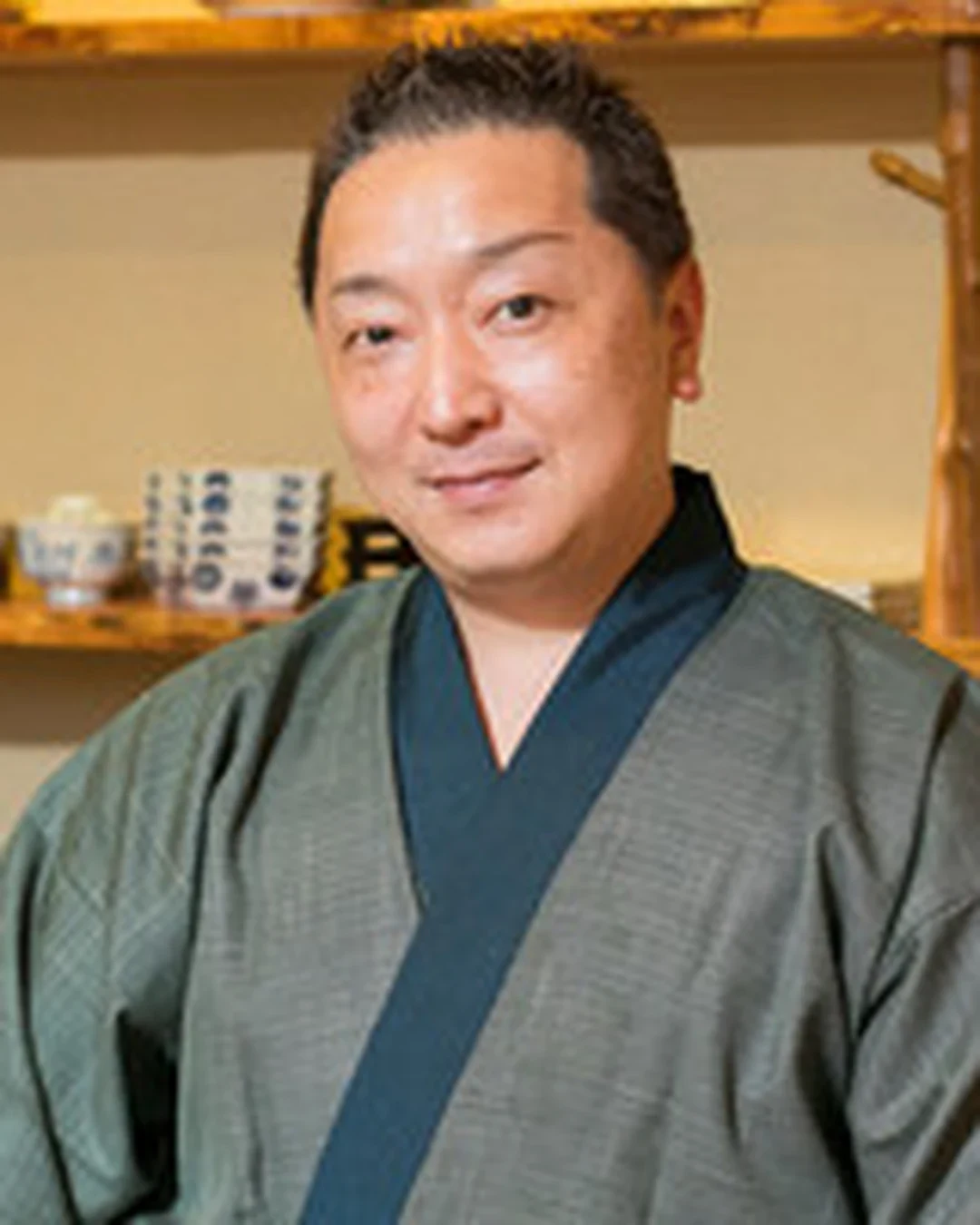
In Residence
Hiroki Takamura
Chef
- 01CuisineEdo Ryori (Traditional Tokyo-Style Japanese Cuisine)
- 02CityAkita, Japan
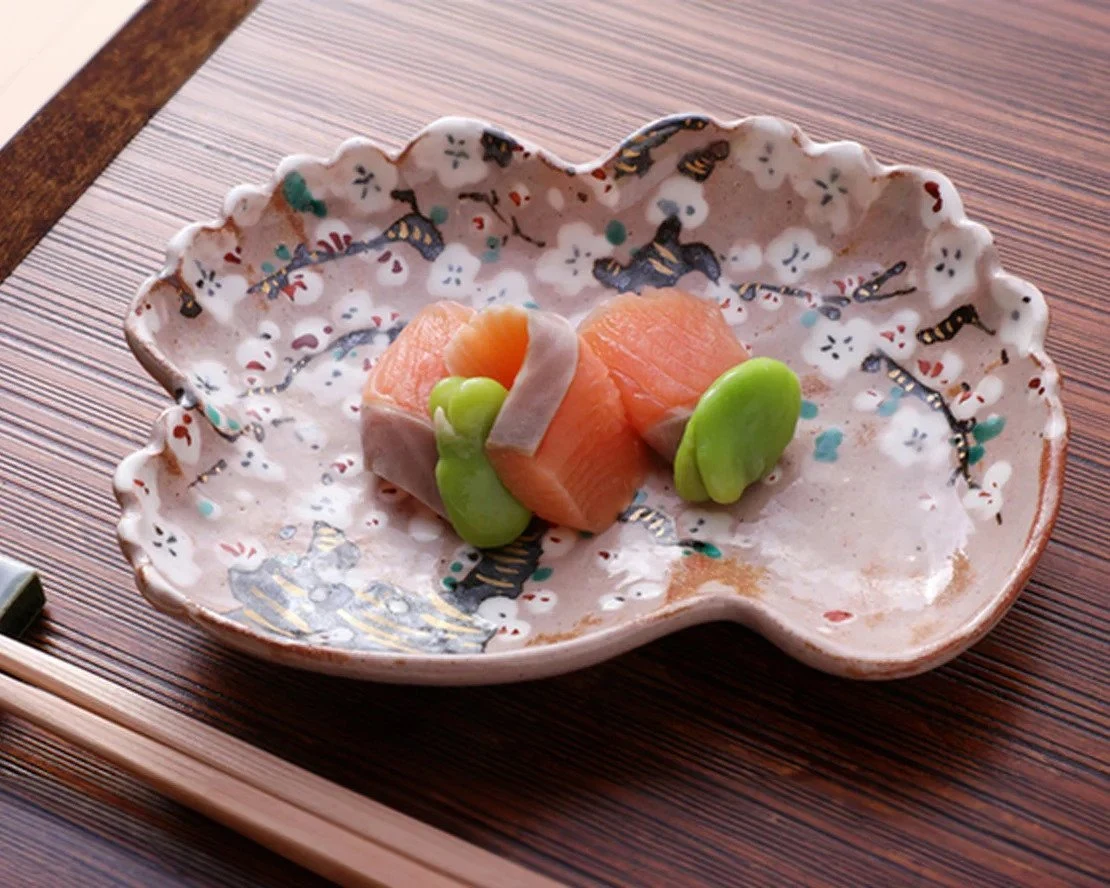
Eight seats, Edo ryōri discipline
- Tabelog Silver #137: 4.4pts · 2026
- Opinionated About Dining Top Restaurants in Japan Ranked #79 · 2026
- Tabelog 100 #34: 4.4pts · 2025
- Tabelog Silver · 2025
- Opinionated About Dining Top Restaurants in Japan Ranked #61 · 2025
- Opinionated About Dining Top Restaurants in Japan Ranked #48 · 2024
- Opinionated About Dining Top Restaurants in Japan Ranked #58 · 2023
- The Japan Times Destination Restaurants Destination Restaurants Selection #3 · 2021
The hand that brought Edo north
Hinai jidori meets the mizu konro at the counter, close enough for the first lift of charcoal to reach the room. Hiroki Takamura, Chef at Nihon Ryori Takamura in Akita, built this station around that kind of nearness, with the hands visible and the pacing held in front of eight seats. He opened the restaurant in 1999, at 28, after working as itamae at Takohachi in Tokyo’s Mejiro district, a house associated with Edo ryōri. The move was not a retreat from the capital’s discipline. It was a decision to carry that discipline back to Akita, into a residential setting where the counter rather than a private room became the center of the meal. Takamura’s cooking keeps the Edo frame intact, restraint, season, broth, cut, and proportion, while allowing Akita ingredients to speak inside it. After 27 years, the place still reads as a chef’s room, not a concept with a chef attached. The lineage sits in the method: the open counter, the multicourse omakase structure, the refusal to hurry a dish past its proper temperature or texture.
Turnip, charcoal, and the measure of restraint
The program at Nihon Ryori Takamura turns on small acts of control. Kabura mochi begins with turnip pureed and set into a cube, then grilled and finished with caviar and gold leaf. The dish carries luxury, but its base is a root vegetable, treated with enough patience that texture becomes the point. Hinai jidori, Akita’s local chicken, moves differently through the meal. Takamura prepares it away from the counter, then brings the wheeled mizu konro forward so the final grilling happens in the guests’ line of sight. The charcoal is not decoration. It changes the pace of the room, introduces aroma before the plate arrives, and turns the pass into a working threshold between kitchen and counter. The menu is omakase-only, calibrated to the season, with premium local sake set alongside the courses rather than poured as an afterthought. Edo ryōri can look quiet from a distance; here, its discipline sits in the sequence, in how much is left untouched, and in how the ingredient is allowed to finish the sentence.
Eight seats facing the pass
The room is small enough that every gesture has consequence. Ceramics and lacquerware carry the food without crowding it, and the quiet is part of the service rather than an absence of sound. From the counter, the open kitchen gives the meal its line: the cut before the broth, the plate before the pour, the mizu konro wheeled forward only when the dish needs heat in the room. Akita remains present without scene-setting. Seafood, produce, sake, and hinai jidori arrive through the menu, not through speech. The house’s formality is a discipline of spacing and timing, the kind that lets an eight-seat counter feel exact rather than theatrical. At Hiroki Takamura’s counter, it gathers force through kabura mochi and hinai jidori.
Questions
Frequently asked
Who is behind Nihon Ryori Takamura?
Hiroki Takamura is the chef behind Nihon Ryori Takamura in Akita. He opened the restaurant in 1999, at 28, after working as itamae at Takohachi in Tokyo’s Mejiro district, a house associated with Edo ryōri.
What kind of cooking does the restaurant do?
The restaurant works in Edo ryōri, or traditional Tokyo-style Japanese cuisine. The cooking keeps that frame intact through restraint, season, broth, cut, and proportion, while allowing Akita ingredients to speak inside it.
What is the dining format?
Nihon Ryori Takamura is built around an eight-seat counter and an omakase-only menu. The open counter and visible kitchen are part of the meal’s pacing.
What are some signature dishes?
Kabura mochi with caviar and gold leaf is one signature dish, made from turnip that is pureed, set into a cube, grilled, and finished with caviar and gold leaf. Hinai jidori over the mizu konro charcoal grill is another, with the final grilling done in guests’ line of sight.
What should a booking plan account for?
Reservations are essential, and the restaurant is open Monday to Saturday from 6:00 PM to 10:30 PM. It is closed on Sundays.
The field
How it compares
| Place | Cuisine | Notes | Awards |
|---|---|---|---|
| Nihon Ryori Takamura | Edo Ryori (Traditional Tokyo-Style Japanese Cuisine) | Akita, $$$$ | · |
| Geranium | Modern New Nordic Pescatarian | Copenhagen | Michelin 3 Stars, World's 50 Best |
| Odette | Modern French Fine Dining | Singapore | Michelin 3 Stars, World's 50 Best |
| Osteria Francescana | Avant-Garde Italian Contemporary | Modena | Michelin 3 Stars, World's 50 Best |
| Paco Roncero | Avant-Garde Spanish Fine Dining | Madrid | Michelin 2 Stars |
| Restaurant Sat Bains | Modern British Fine Dining | Nottingham | Michelin 2 Stars |
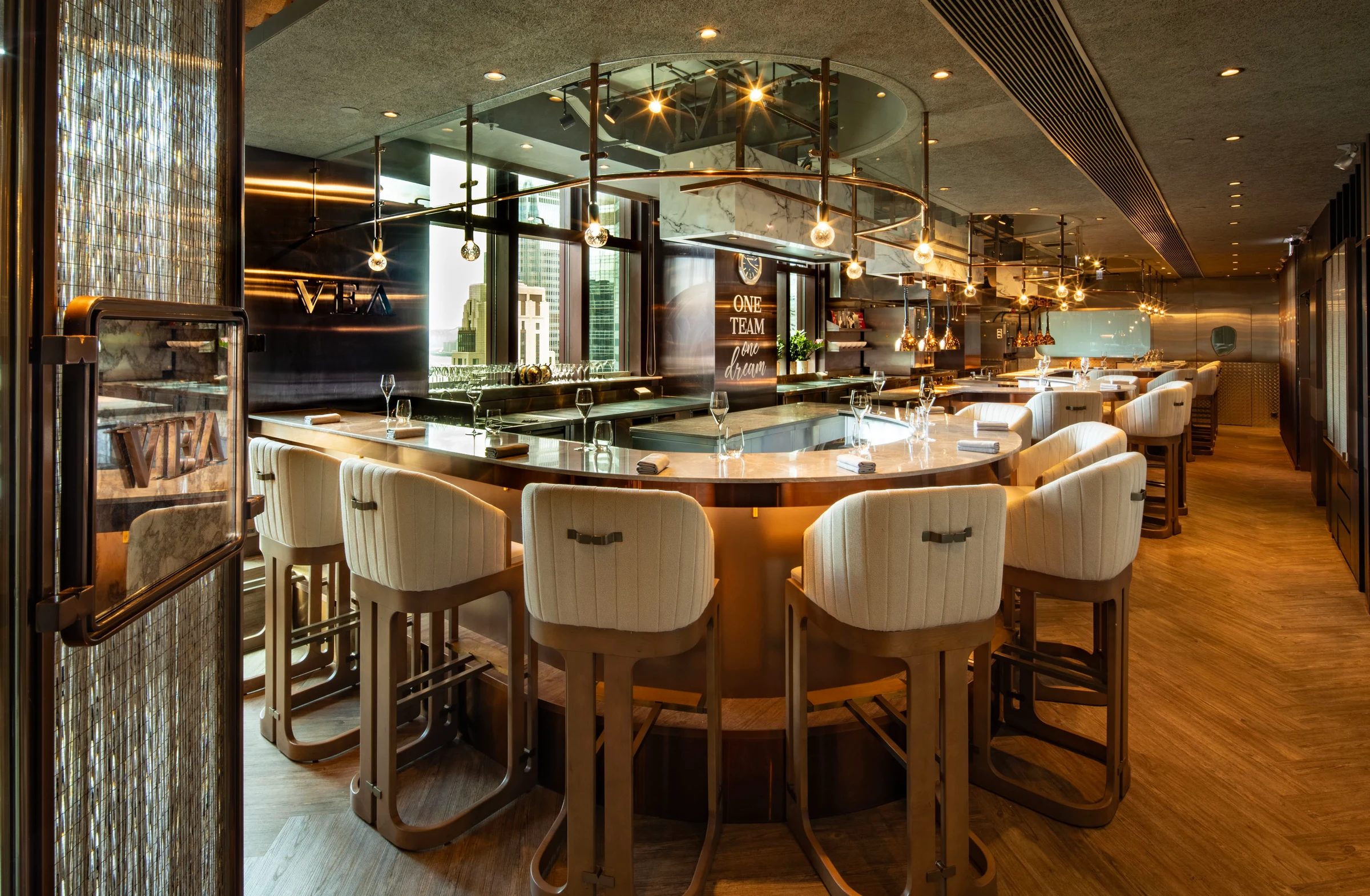
| Vea | Modern Chinese-French Fusion | Hong Kong | Michelin 1 Star, World's 50 Best |
In residence
Similar places
Modern New Nordic Pescatarian
Geranium
Copenhagen, Denmark
★★★ · 50 Best
Modern French Fine Dining
Odette
Singapore, Singapore
★★★ · 50 Best
Avant-Garde Italian Contemporary
Osteria Francescana
Modena, Italy
★★★ · 50 Best
Avant-Garde Spanish Fine Dining
Paco Roncero
Madrid, Spain
★★
Modern British Fine Dining
Restaurant Sat Bains
Nottingham, United Kingdom
★★
Modern Chinese-French Fusion
Vea
Hong Kong, Hong Kong
★ · 50 Best