Nopa
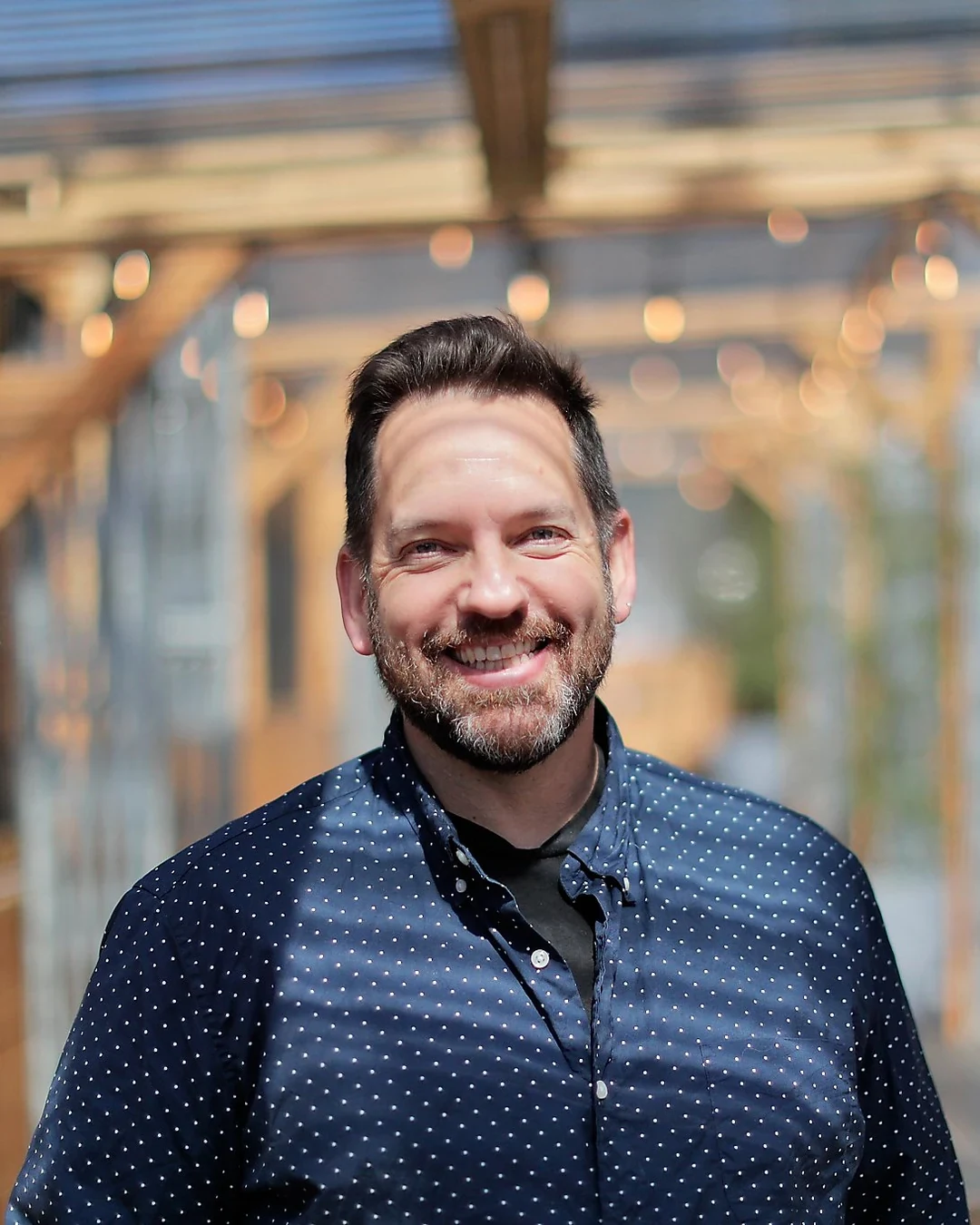
In Residence
Laurence Jossel
Chef
- 01CuisineModern Californian New American
- 02CitySan Francisco, United States
- Star Wine List · 2026
- Opinionated About Dining Casual in North America Recommended · 2026
- Opinionated About Dining Casual in North America Ranked #786 · 2025
- Opinionated About Dining Casual in North America Ranked #468 · 2024
- World's Best Wine Lists Awards WBWL Category Winner · 2023
- Opinionated About Dining Gourmet Casual Dining in North America Recommended · 2023
- World's Best Wine Lists Awards WBWL 2-Star · 2023
- World's Best Wine Lists Awards WBWL 3-Star · 2022
Divisadero After Dark: What Nopa Says About San Francisco's Neighbourhood Dining Tradition
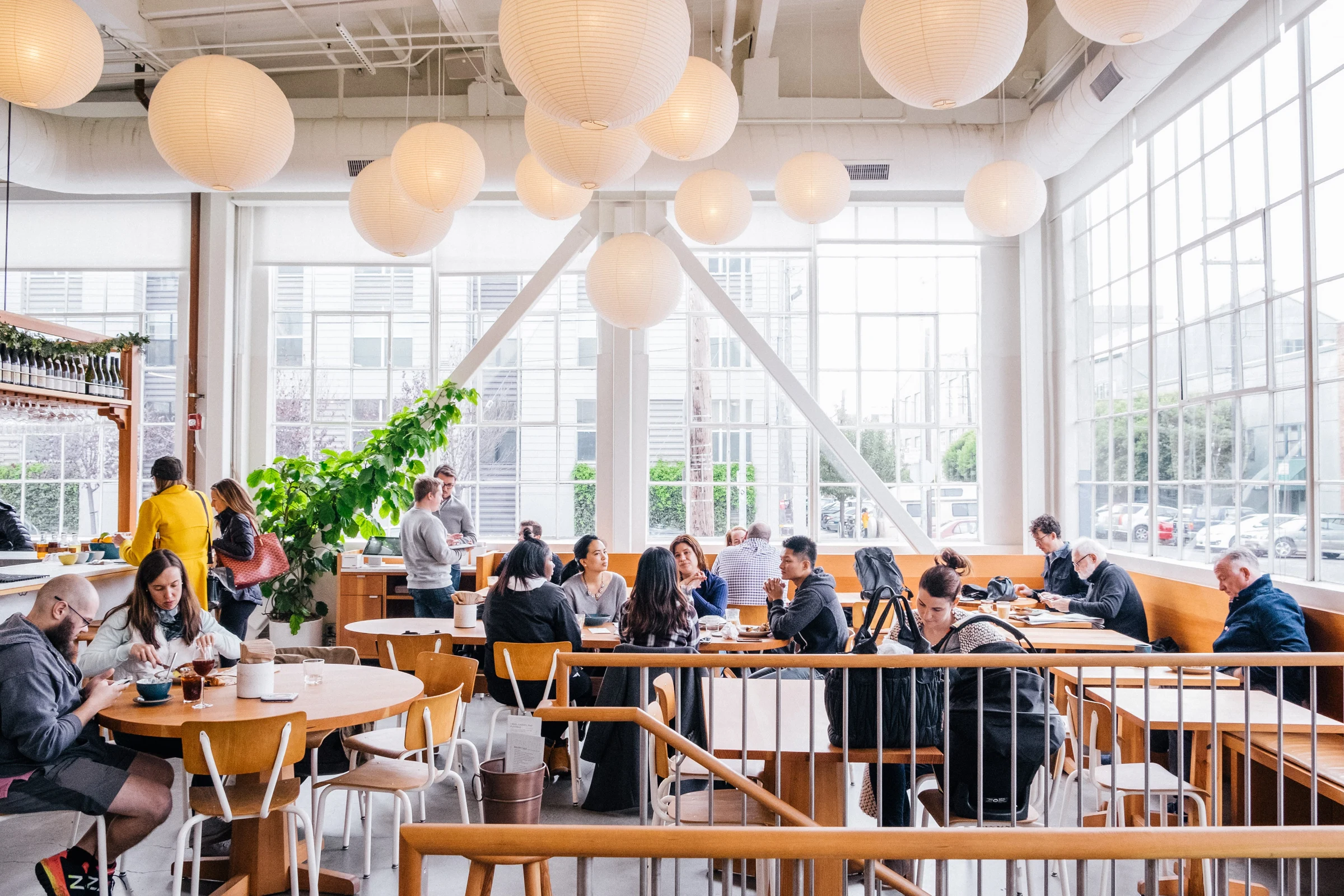
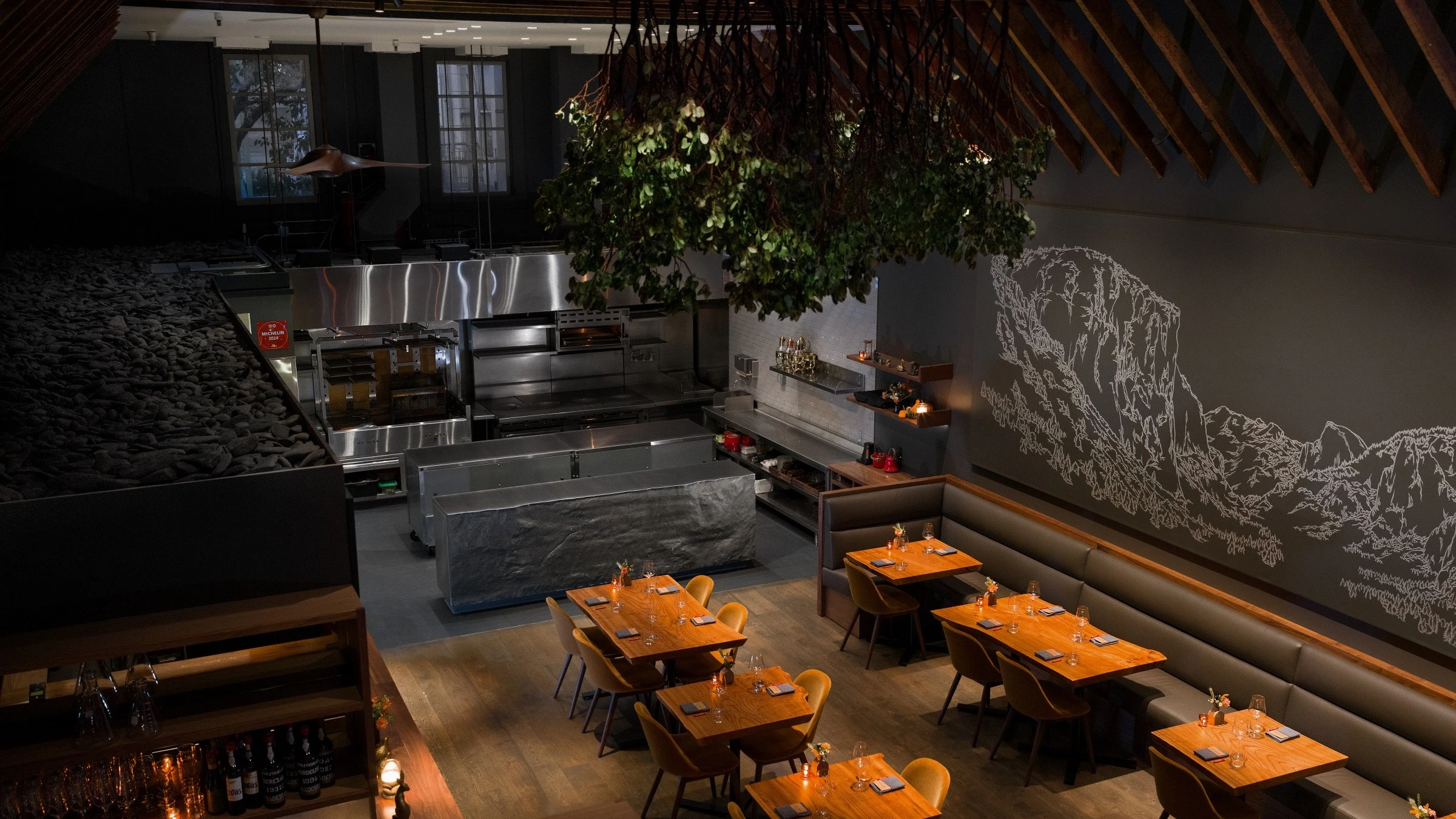
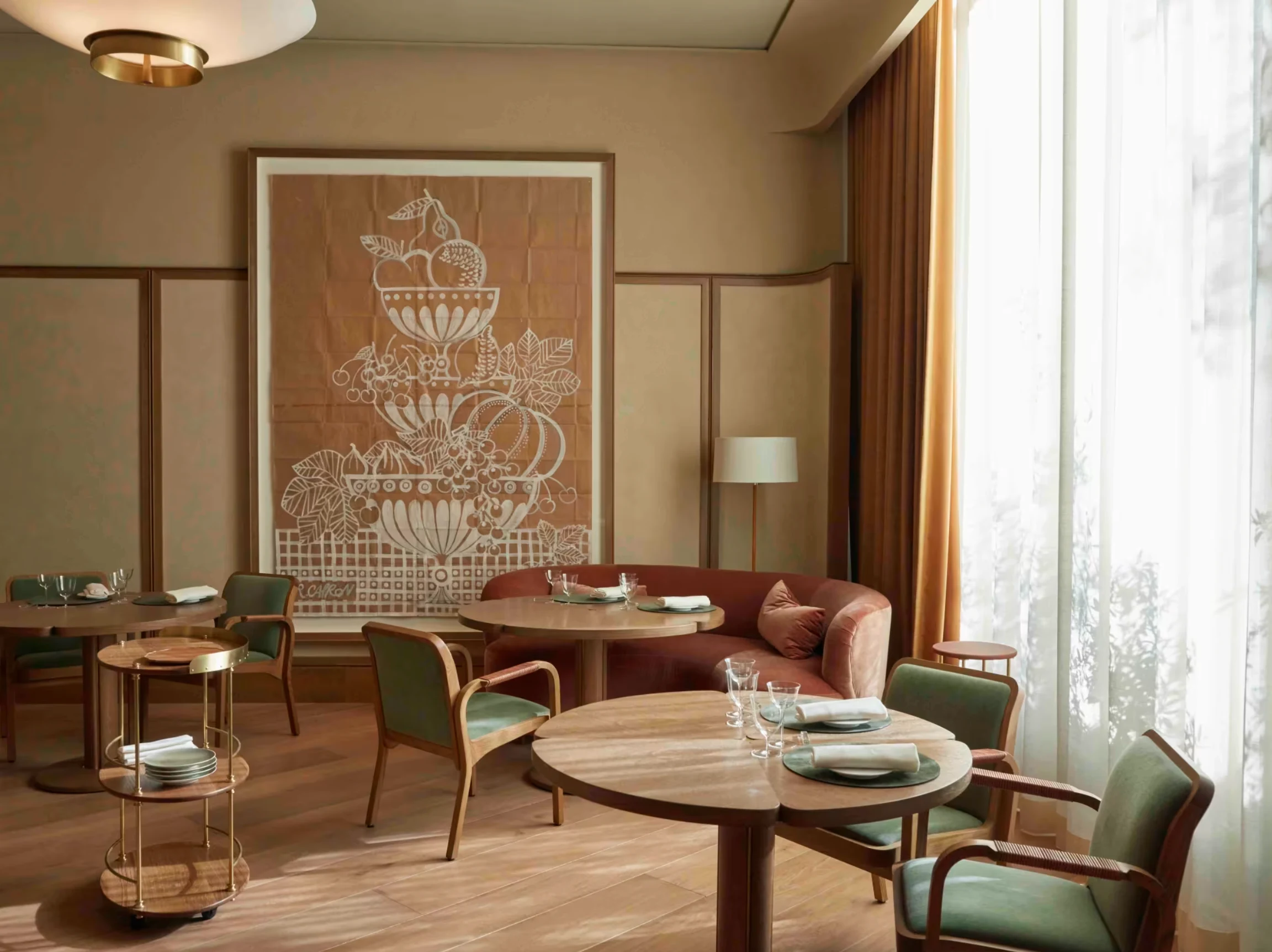
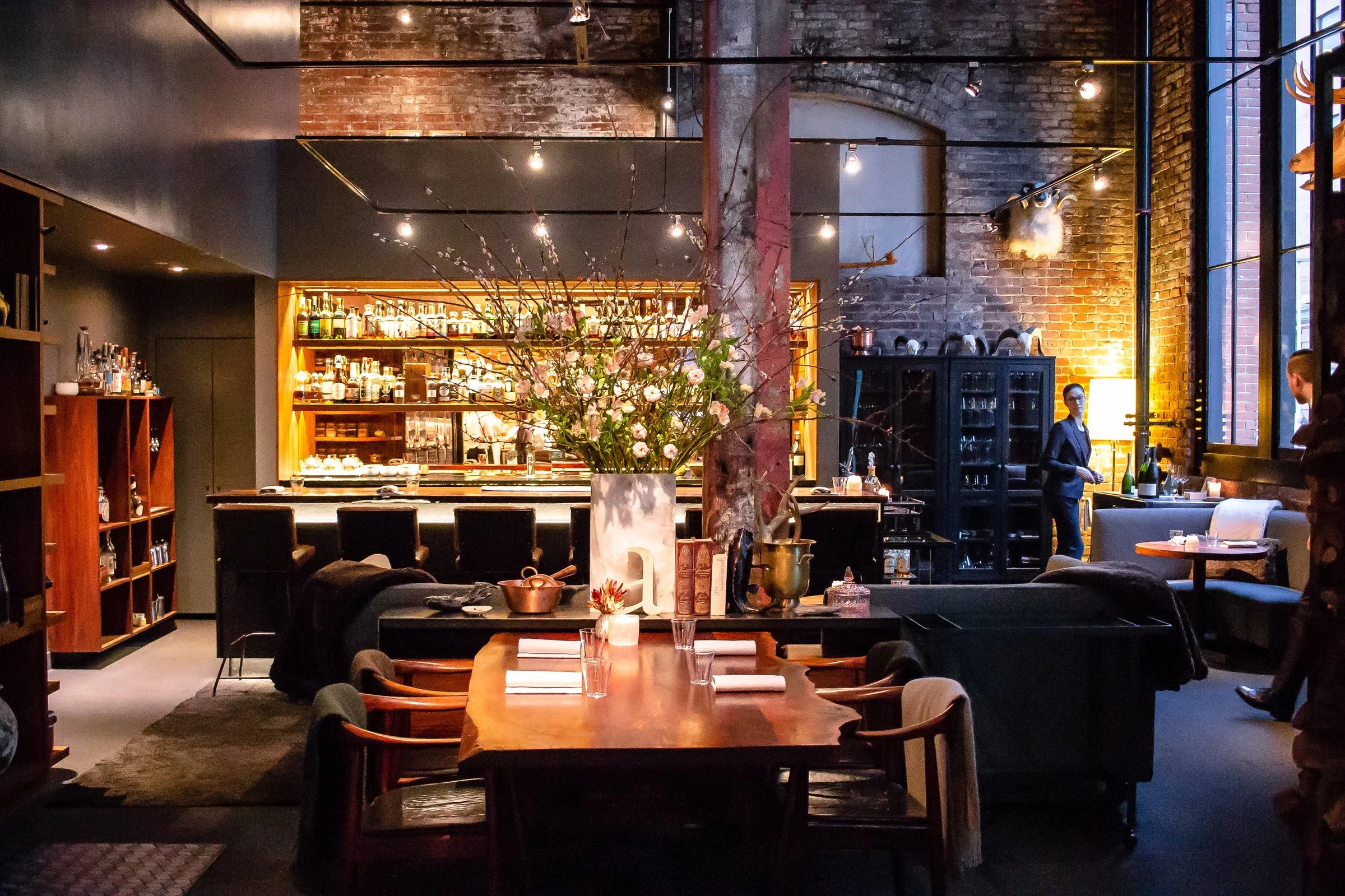
Nopa is a restaurant in San Francisco's NoPa district at 560 Divisadero St, known for modern Californian New American cooking by chef Laurence Jossel. On Divisadero Street, the shift from daytime foot traffic to evening restaurant culture is one of the more reliable rituals in San Francisco's NoPa district. The corridor runs north through a stretch of Victorian flats and converted storefronts, and by six o'clock the street takes on the particular density of a neighbourhood that eats late and lingers. Nopa, at the corner of 560 Divisadero, sits at the social centre of that rhythm. The interior is cavernous for a neighbourhood restaurant, high ceilings, an open kitchen, and a mezzanine level that lets the room absorb a crowd without collapsing into chaos. The noise level is deliberate, not accidental. This is a space designed to feel like a place people actually want to be, not a backdrop for a tasting menu performance.
The Farm-to-Table Arc, and Where Nopa Sits on It
California's farm-to-table movement has had several distinct phases. The first, associated with Berkeley and the Chez Panisse orbit in the 1970s and 1980s, was ideological: sourcing from local farms was a political and philosophical stance before it was a marketing category. The second phase, through the 1990s and into the 2000s, saw the approach institutionalised across fine dining in the Bay Area, producing a generation of kitchens that treated seasonal sourcing as table stakes rather than a differentiator. The third phase, which Nopa represents alongside a cohort of mid-tier neighbourhood restaurants that opened in the 2000s and 2010s, is about making those same sourcing commitments work at volume and at accessible price points, in rooms where reservations are harder to hold and the crowd is wider.
The Sunday letter
Find new places through the people who run them.
Our Sunday email brings you the chefs, winemakers and hoteliers behind our newest stories. See a sample before you subscribe.
See a sample of the Sunday emailOne email a week. Unsubscribe from any issue.
That third phase is arguably the most consequential for the day-to-day eating culture of a city. Restaurants like Tartine Manufactory and Marlowe occupy adjacent territory: neighbourhood-anchored, ingredient-driven, with menus that rotate with the season rather than the marketing calendar. Nopa has been part of that cohort for over a decade, long enough that its continued Opinionated About Dining recognition across 2023, 2024, and 2025 reads as institutional confirmation of something locals already knew.
Wood Fire as Method, Not Aesthetic
San Francisco's farm-to-table restaurants have tended to split between those that treat sourcing as the headline and those that treat a cooking method as the organising principle. Nopa's wood-fired kitchen belongs to the second camp. In that approach, the fire is not decoration or branding, it is a constraint that shapes what can be cooked and how. Wood-fired cooking rewards ingredients with enough structure and flavour density to hold up to direct heat, which in practice means the menu skews toward proteins, root vegetables, and alliums rather than the more delicate preparations you find at the technique-led end of the San Francisco dining spectrum.
That spectrum's technical apex sits further up the price tier, at places like Lazy Bear, Atelier Crenn, and Benu, all of which command $$$$ pricing and fixed tasting formats. Nopa operates in a different register entirely, one that is less about the orchestrated progression of a tasting menu and more about the kind of cooking that improves through repetition and relationship: relationships with suppliers, with a kitchen crew that stays, with a regular clientele that keeps the room full on Tuesday nights.
The Industry Endorsement Signal
The restaurant's regulars include wine professionals citywide, a sign of its staying power. Restaurant industry workers are a demanding and unsentimental audience. They eat out frequently, spend their working hours in dining rooms, and tend to return only to places that give them something their own restaurants do not: ease, consistency, and a room that does not feel like work. When a restaurant sustains that kind of loyalty for over a decade, it is not by accident. The 4.5 Google rating across 2,987 reviews supports the same reading from a broader audience: this is a place that delivers reliably over time.
Chef Laurence Jossel has led the kitchen throughout that run. In the context of the New American category, where kitchens can cycle through concept changes quickly, that continuity is itself a form of editorial statement. The sourcing relationships, the wood-fire discipline, and the neighbourhood positioning have remained consistent even as the city's dining culture has shifted around them.
Nopa in the Wider New American Conversation
New American cuisine as a category spans an enormous range, from the modernist ambition of Alinea in Chicago and the produce-obsessed luxury of The French Laundry in Napa to the ingredient-first farm integration of Single Thread Farm in Healdsburg and the regional American traditions represented by Bayona in New Orleans and The Inn at Little Washington. Nopa sits at the casual-accessible end of that range but shares with its more formal peers a commitment to the idea that sourcing quality and cooking discipline are not reserved for high-expenditure occasions.
Elsewhere on the American dining map, similar positioning is held by Providence in Los Angeles, Emeril's in New Orleans, and Le Bernardin in New York City, though those operate at different price tiers and formats. What they share with Nopa is sustained institutional recognition over time, which in the restaurant world is a harder achievement than a single award cycle.
Planning a Visit
Nopa is open Tuesday through Thursday from 5:30 to 10 pm, Friday and Saturday from 5:30 to 11 pm, Sunday from 5 to 9:30 pm, and Monday from 5:30 to 10 pm.
How Nopa Compares to Nearby Peers on Logistics
| Venue | Format | Price Tier | Hours | OAD Recognition |
|---|---|---|---|---|
| Nopa | Neighbourhood, à la carte, wood-fired | Mid-range | Mon–Sun from 5/5:30 pm | Ranked casual and gourmet casual, 2023 to 2025 |
| Lazy Bear | Progressive tasting menu | $$$$ | Dinner only, set seatings | OAD top-tier recognition |
| Atelier Crenn | Modern French tasting | $$$$ | Dinner only | Michelin-starred |
| Benu | Franco-Chinese tasting | $$$$ | Dinner only | Michelin-starred |
| Tartine Manufactory | All-day, bakery and restaurant | Mid-range | All-day | Widely editorially recognised |
Questions
Frequently asked
Who works at Nopa?
Made By profiles Laurence Jossel (Chef) at Nopa.
How expensive is Nopa?
Nopa is listed at a price level of $$$.
Where is Nopa and what does it serve?
Nopa is in Hayes Valley, San Francisco, serving Modern Californian New American.
The field
How it compares
| Place | Cuisine | Notes | Awards |
|---|---|---|---|
| Nopa | Modern Californian New American | Hayes Valley, $$$ | · |
| Atelier Crenn | Contemporary French Fine Dining | San Francisco | Michelin 3 Stars, World's 50 Best |
| Benu | Modern Asian Fusion Fine Dining | San Francisco | Michelin 3 Stars, World's 50 Best |
| Lazy Bear | Modern American Tasting Menu | San Francisco | Michelin 2 Stars, World's 50 Best |
| Quince | Modern French Fine Dining | San Francisco | Michelin 3 Stars, World's 50 Best |
| Saison | Modern Fire-Forward Fine Dining | San Francisco | Michelin 2 Stars, World's 50 Best |
| Sons & Daughters | New Nordic Fine Dining | San Francisco | Michelin 2 Stars, World's 50 Best |
In residence
Similar places
Contemporary French Fine Dining
Atelier Crenn
San Francisco, United States
★★★ · 50 Best
Modern Asian Fusion Fine Dining
Benu
San Francisco, United States
★★★ · 50 Best
Modern American Tasting Menu
Lazy Bear
San Francisco, United States
★★ · 50 Best
Modern French Fine Dining
Quince
San Francisco, United States
★★★ · 50 Best
Modern Fire-Forward Fine Dining
Saison
San Francisco, United States
★★ · 50 Best
New Nordic Fine Dining
Sons & Daughters
San Francisco, United States
★★ · 50 Best
The Sunday letter
Get the next Made By story in your inbox.
We send one email every Sunday morning with the places and people we covered that week.
See a sample of the Sunday emailOne email a week. Unsubscribe from any issue.