Oda House
In Residence
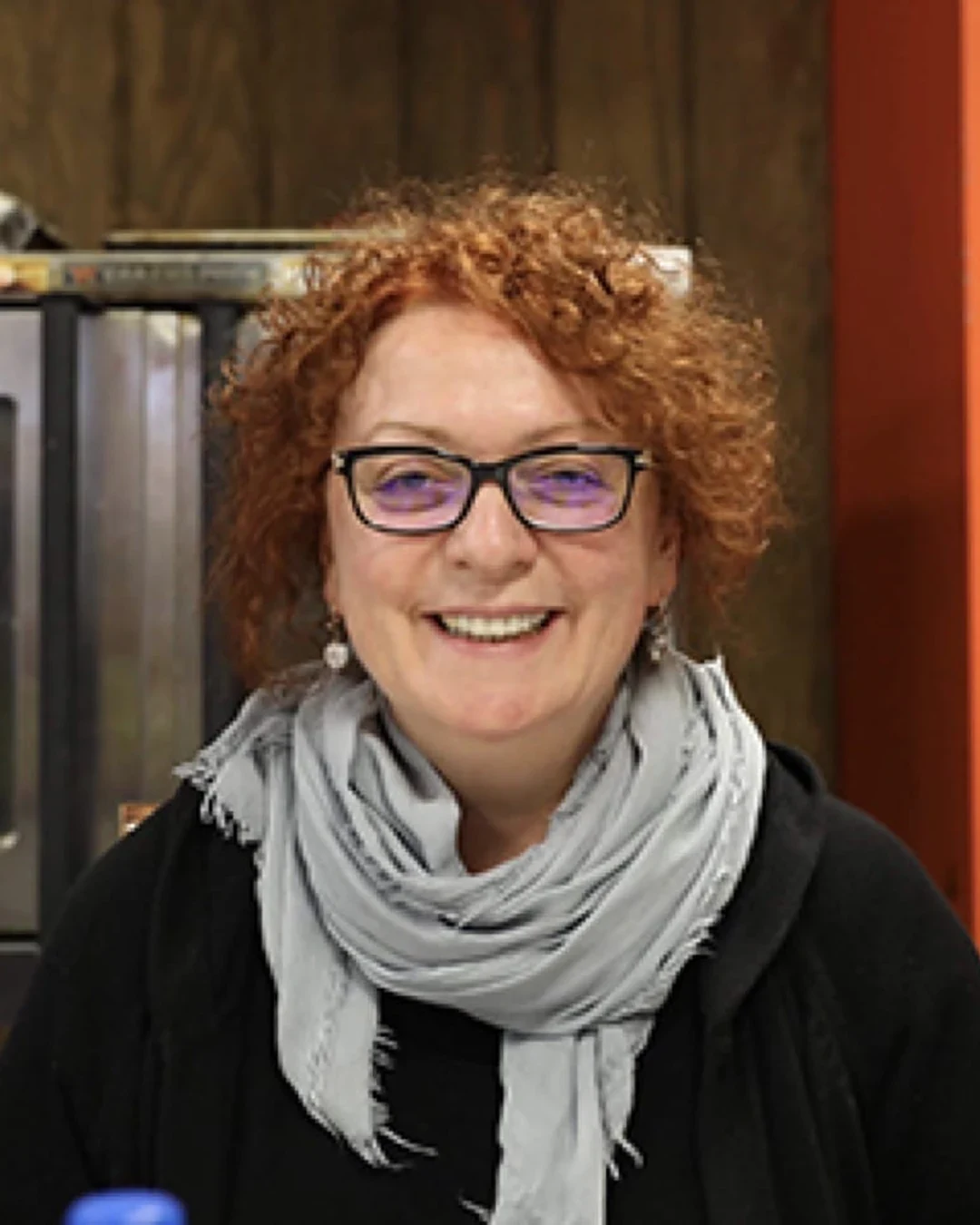
Maia Acquaviva
Chef
- 01CuisineAuthentic Georgian
- 02CityNew York City, United States
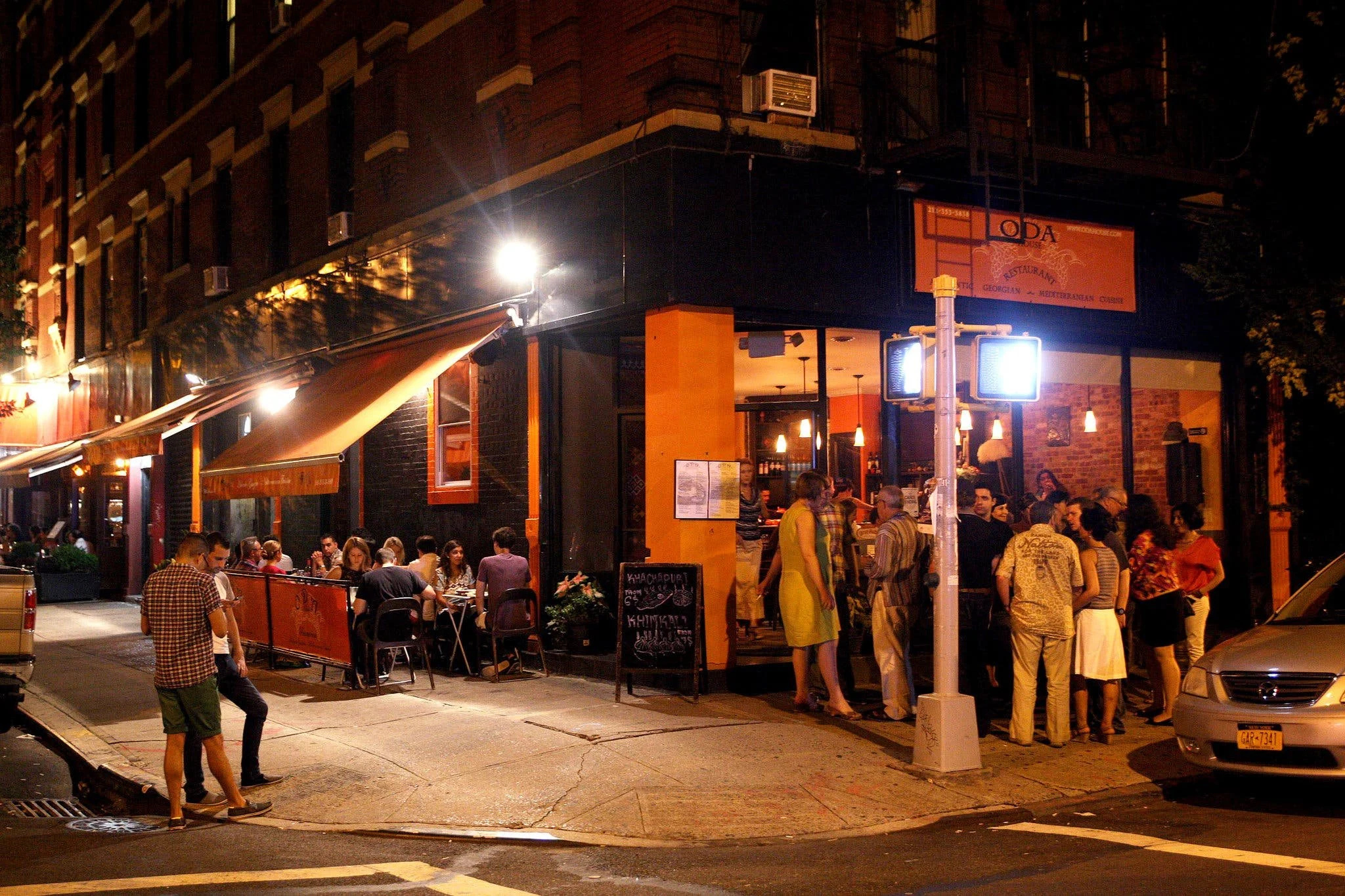
Khachapuri, khinkali, Georgian wine
- Opinionated About Dining Casual in North America Recommended · 2026
- Opinionated About Dining Casual in North America Ranked #560 · 2025
Khachapuri at the bench since 2013
The cheese bread lands hot, cut for the table, while chef and owner Maia Acquaviva keeps Oda House in New York City close to the Georgian foods she grew up with. Her station here has been fixed since 2013, when she co-founded the restaurant after a first discipline far from hospitality: medical study at the Medical University of Tbilisi, followed by work as a plastic surgeon in Georgia. That earlier formation matters less as biography than as method. At Oda House, Acquaviva works with recipes tied to family memory and Georgian practice, then places them in a Manhattan room without smoothing away their shape. Khachapuri, khinkali, and chanakhi are not decorative markers on the menu. They are the architecture of the house. The restaurant also names her as chef and owner, a dual role that keeps the build side and the day-to-day side under the same hands. She sets the Georgian remit, from the breads and dumplings to the stews, and the dining room follows that center of gravity.
Clay, dough, cheese, broth
The program is traditional and direct: à la carte plates, small enough for a table to order across the menu, substantial enough to make bread a tool. Khinkali require the old gesture of dough gathered around filling, with the seam held at the top so the broth stays inside until the first bite. Khachapuri carries another discipline, bread as vessel, cheese as filling, heat as timing. The Adjaruli version brings sulguni, egg, and butter into the boat of dough; the Imeruli version stays rounder and more contained, with cheese held between layers. Ketsi clay dishes appear in the cooking, giving mushrooms and cheese a different kind of heat than a pan. Chanakhi, the lamb stew named among the house signatures, belongs to the slower side of the kitchen, where sauce, meat, and bread work together. The beverage program keeps to the same country line, with Georgian wine chosen to sit beside garlic, walnut, herbs, and fermented depth rather than above them.
A quiet room for Georgian heat
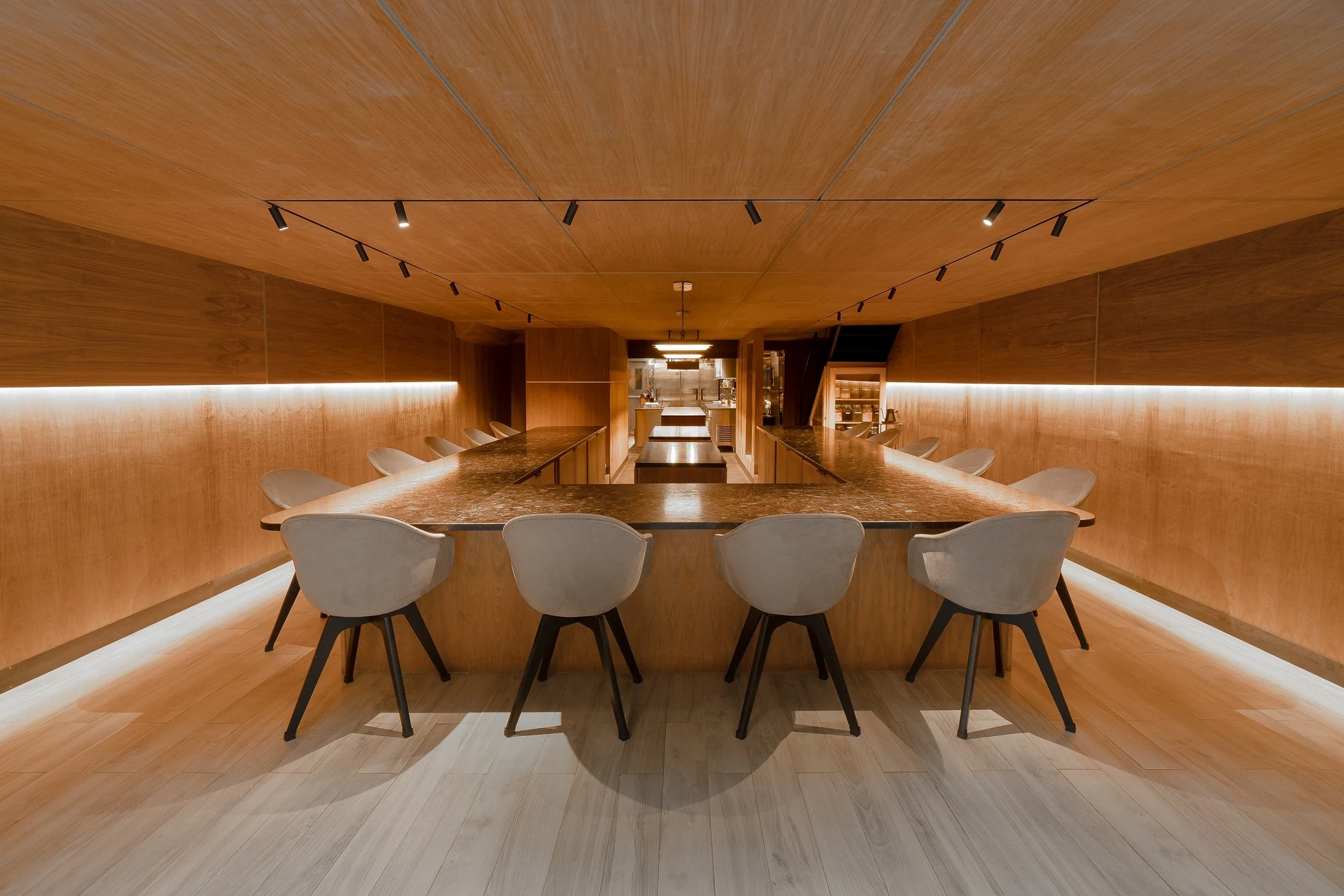
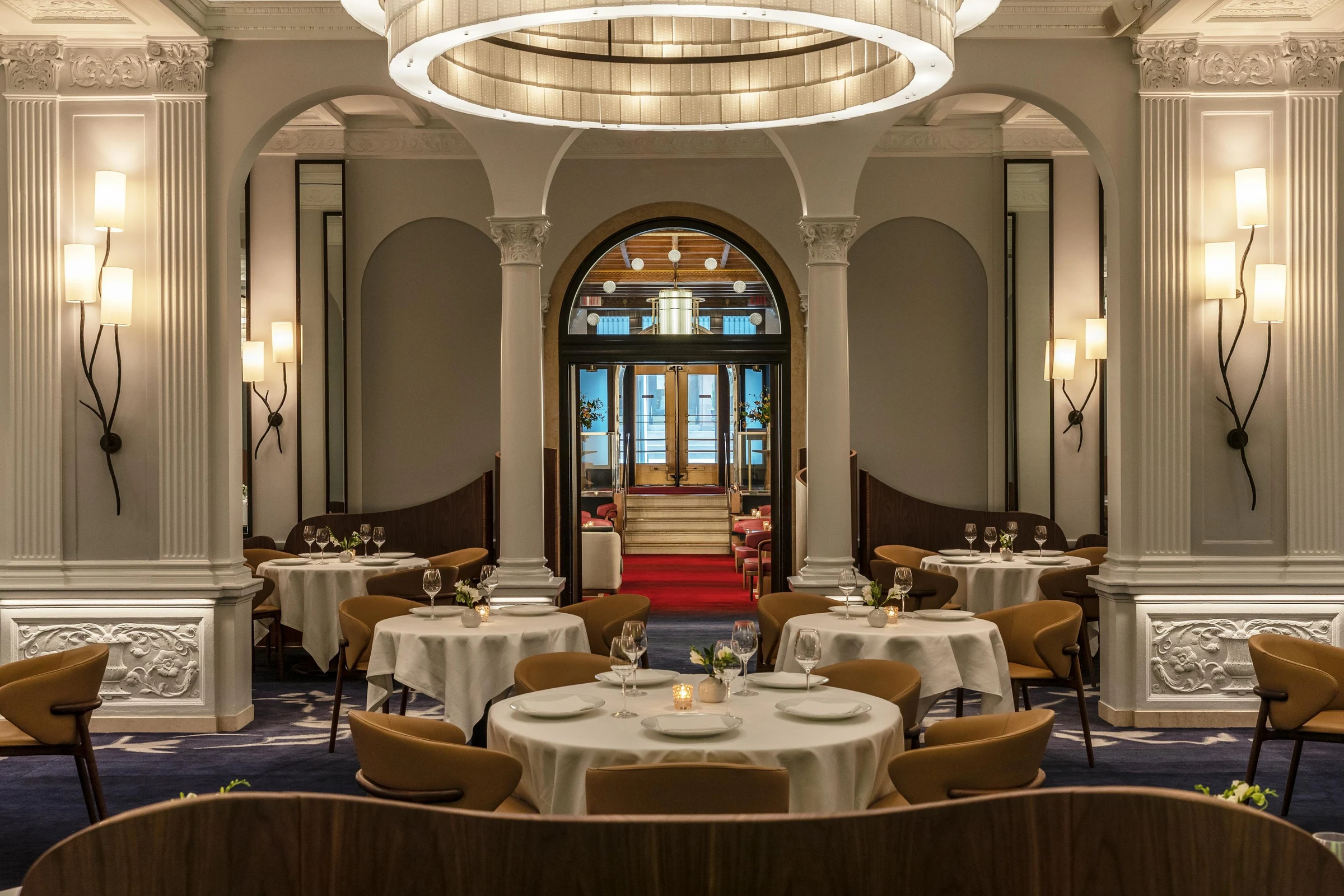
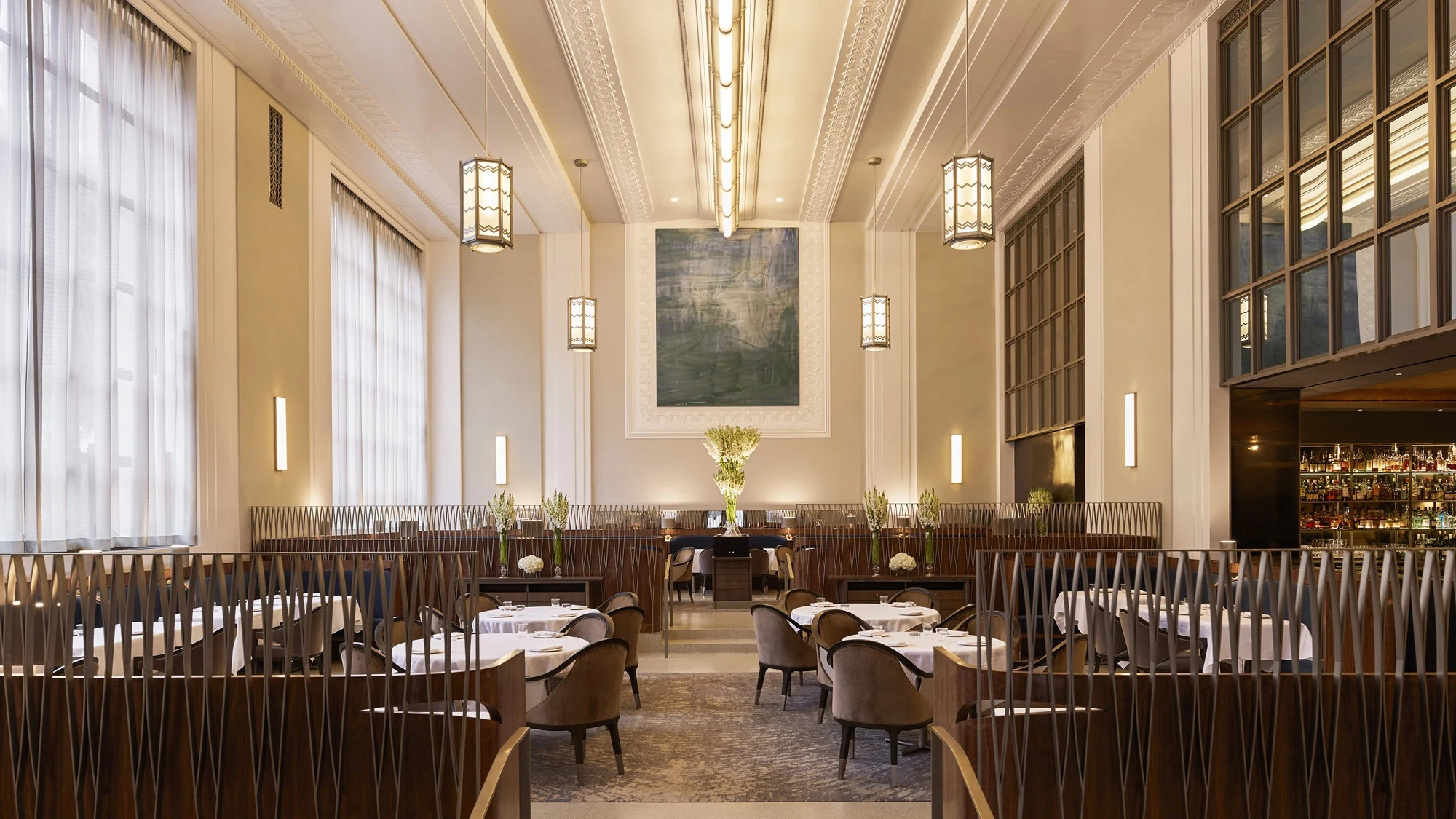
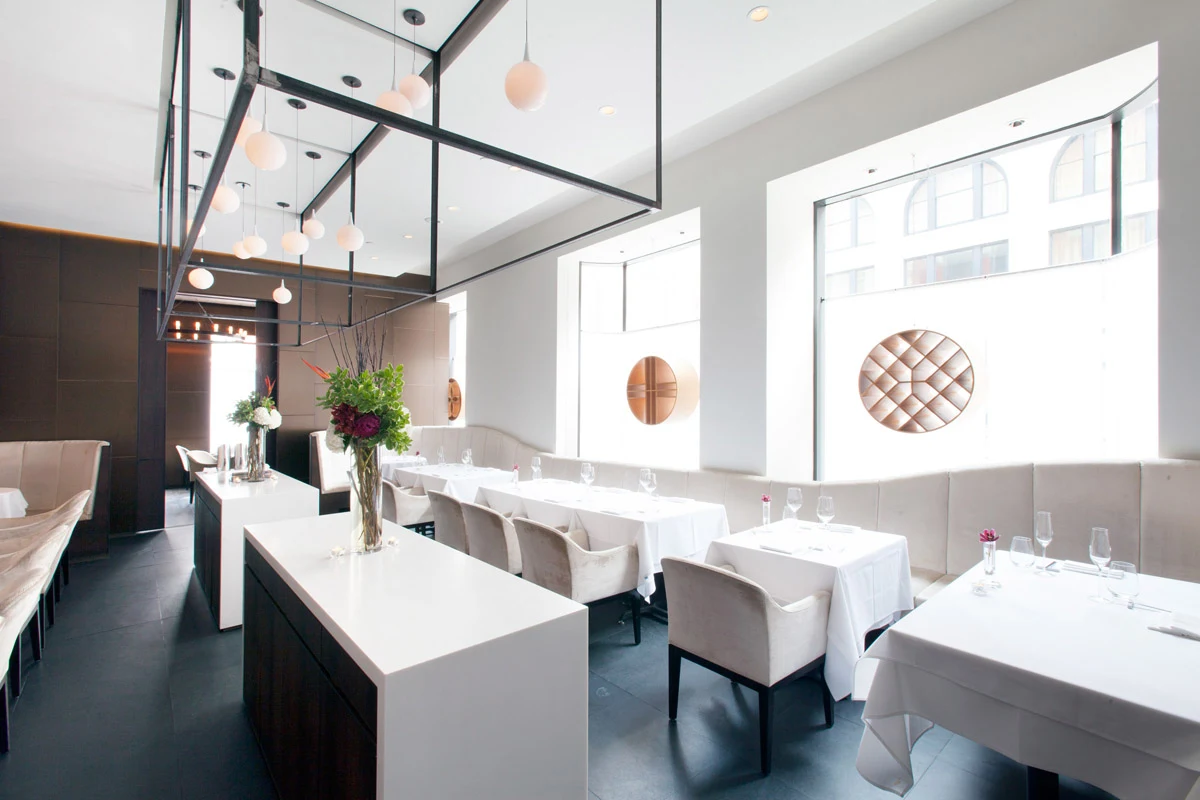
The room is dim, calm, and built for conversation rather than spectacle. That suits the food. Georgian cooking often asks the table to lean in: to tear bread, to share dumplings, to pass a clay dish before the cheese tightens. Oda House keeps that pace in an upscale casual register, with a small-room feeling that makes the pass and the counter part of the same domestic current. The atmosphere is homey without turning the restaurant into nostalgia theatre. Plates arrive as they should for this kind of meal, bread first or close to it, stews with enough weight to hold the table, wine poured to lengthen the conversation. The East Village address gives the cooking a New York frame, but Acquaviva’s method keeps returning to Tbilisi, to khachapuri, khinkali, and chanakhi.
Questions
Frequently asked
Who is behind Oda House?
Chef and owner Maia Acquaviva runs Oda House and has held that role since co-founding the restaurant in 2013.
What kind of food does Oda House serve?
The restaurant focuses on authentic Georgian food, with a menu built around khachapuri, khinkali, chanakhi, breads, dumplings, stews, and Georgian wine.
What are the signature dishes here?
The signature dishes are khachapuri, khinkali, and chanakhi.
What is the dining room like?
The room is dim and calm, with a small-room feeling that suits a conversation-led meal.
How do bookings work?
Reservations are recommended, and bookings are taken directly.
The field
How it compares
| Place | Cuisine | Notes | Awards |
|---|---|---|---|
| Oda House | Authentic Georgian | Upper East Side-Lenox Hill-Roosevelt Island, $$ | · |
| Atomix | Modern Korean Tasting Menu | New York City | Michelin 2 Stars, World's 50 Best |
| Daniel | Modern French Fine Dining | New York City | Michelin 1 Star, World's 50 Best |
| Eleven Madison Park | Contemporary Plant-Based Fine Dining | New York City | Michelin 3 Stars, World's 50 Best |
| Jungsik New York | Modern Korean Fine Dining | New York City | Michelin 3 Stars, World's 50 Best |
| Kabawa | Modern Caribbean Prix Fixe | New York City | World's 50 Best |
| Le Bernardin | French Seafood Fine Dining | New York City | Michelin 3 Stars, World's 50 Best |
In residence
Similar places
Modern Korean Tasting Menu
Atomix
New York City, United States
★★ · 50 Best
Modern French Fine Dining
Daniel
New York City, United States
★ · 50 Best
Contemporary Plant-Based Fine Dining
Eleven Madison Park
New York City, United States
★★★ · 50 Best
Modern Korean Fine Dining
Jungsik New York
New York City, United States
★★★ · 50 Best
Modern Caribbean Prix Fixe
Kabawa
New York City, United States
50 Best
French Seafood Fine Dining
Le Bernardin
New York City, United States
★★★ · 50 Best