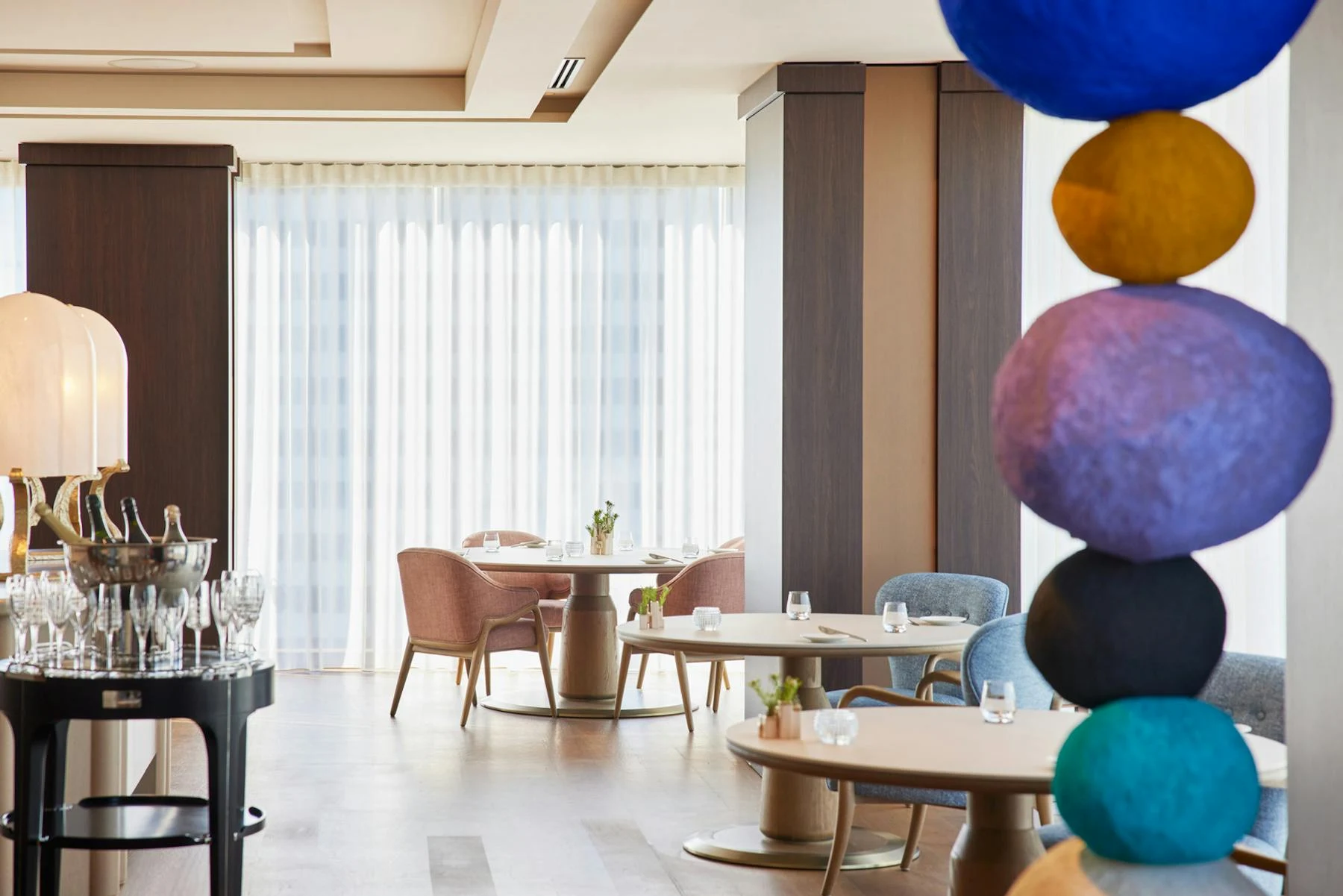
Ode
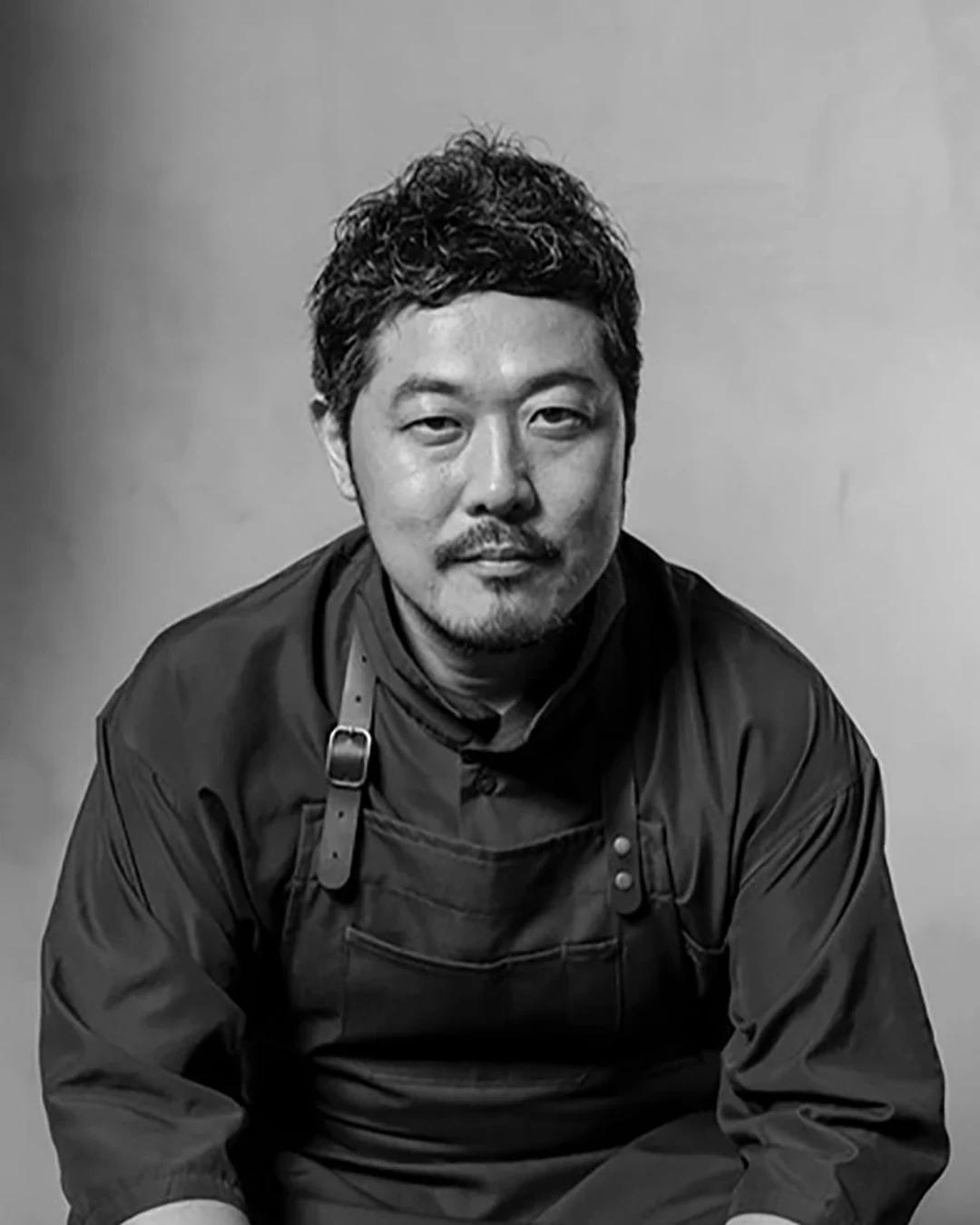
In Residence
Yusuke Namai
Chef
- 01CuisineModern French Omakase with Japanese Ingredients
- 02CityTokyo, Japan
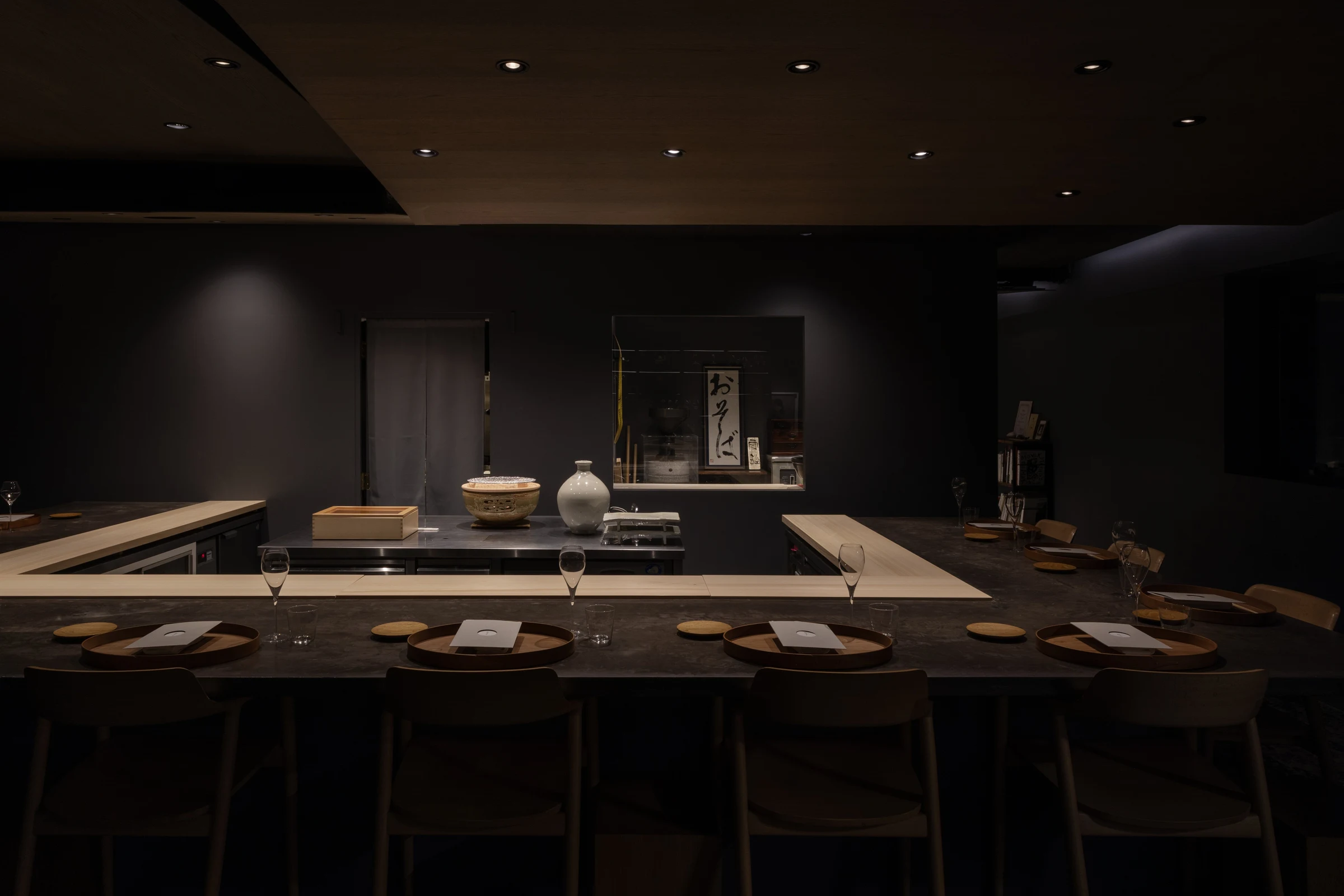
- Opinionated About Dining Top Restaurants in Japan Ranked #167 · 2025
- Opinionated About Dining Top Restaurants in Japan Ranked #155 · 2024
- Opinionated About Dining Top Restaurants in Japan Ranked #121 · 2023
French Cuisine in Tokyo's Residential Quarter
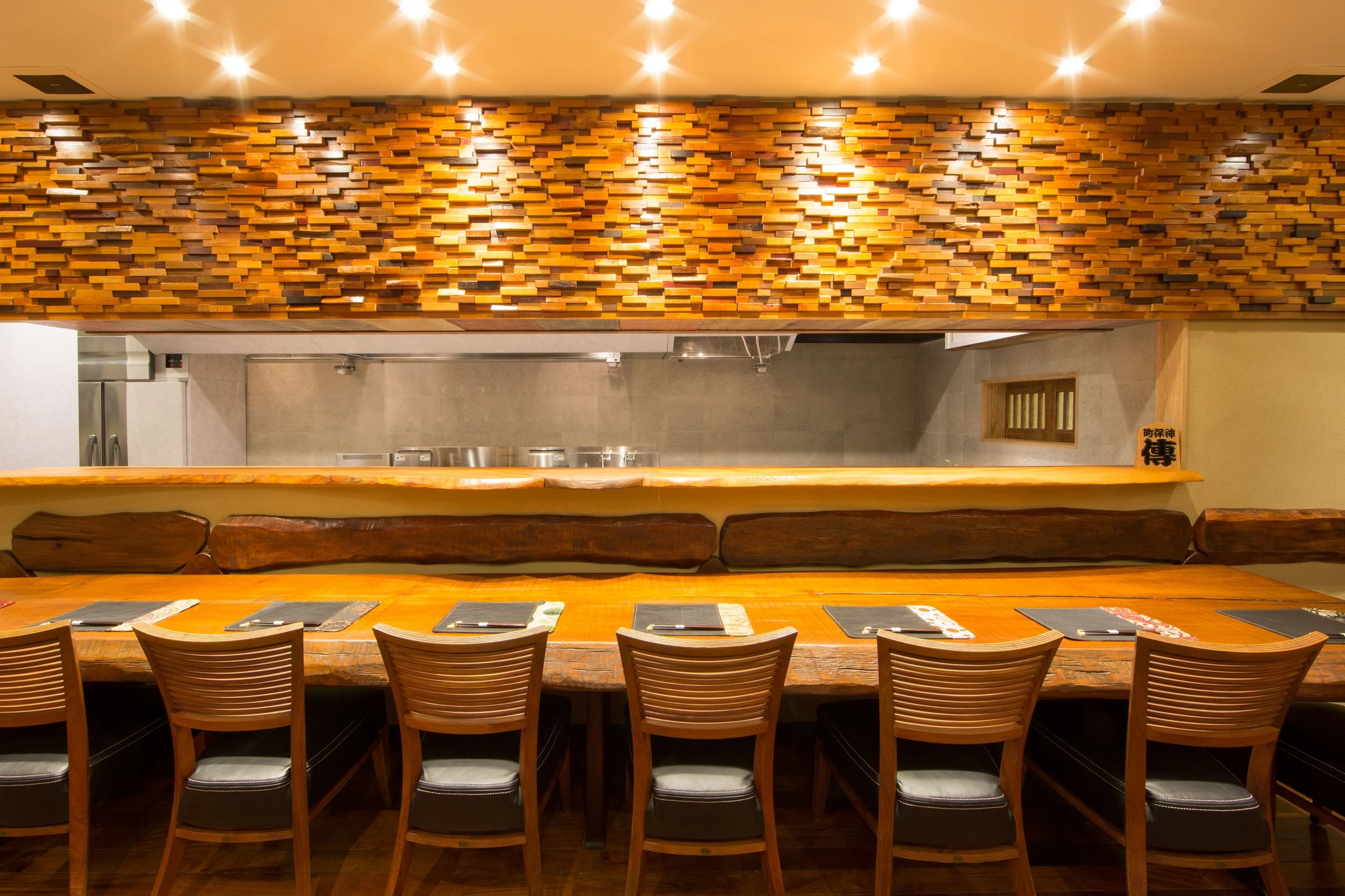
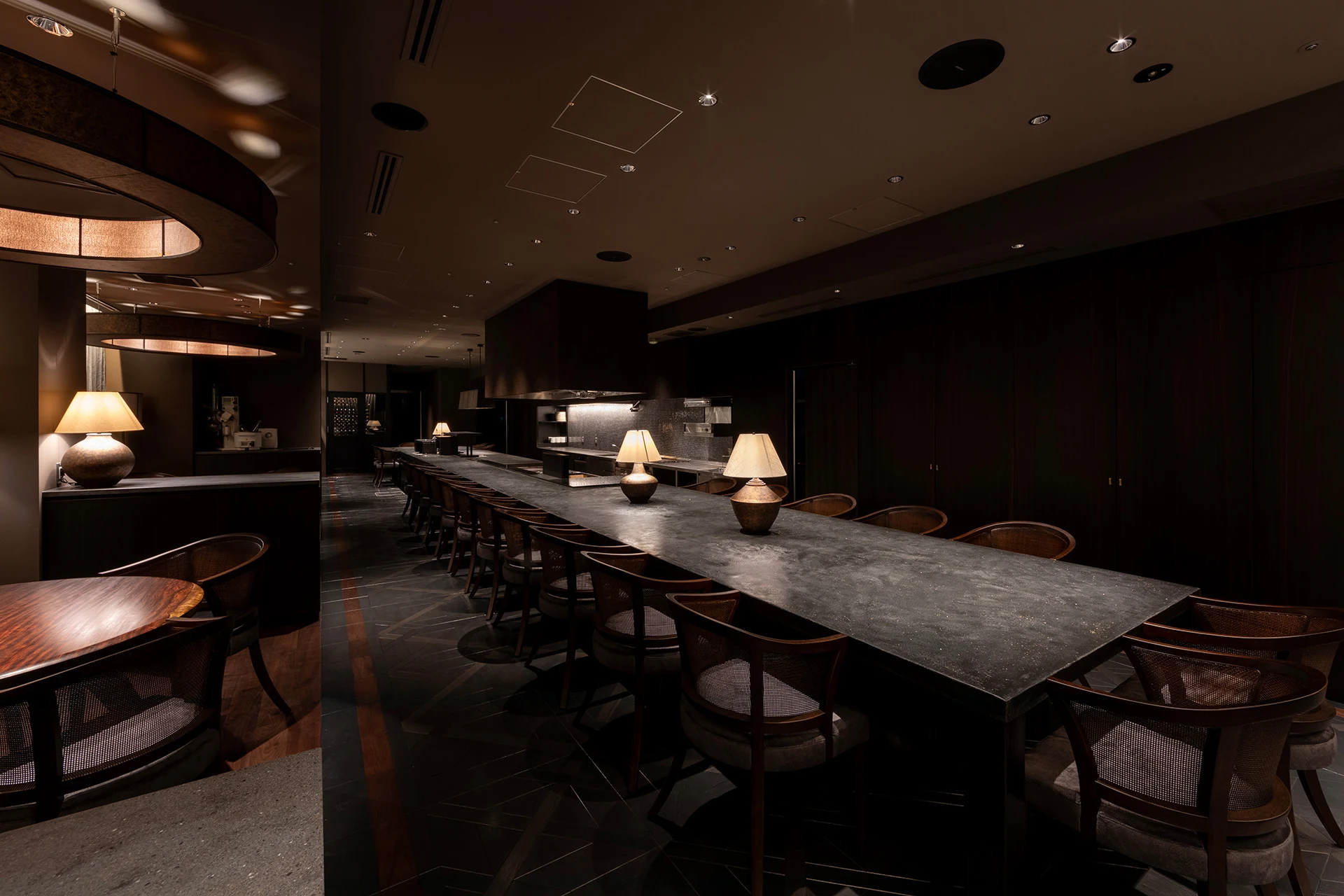
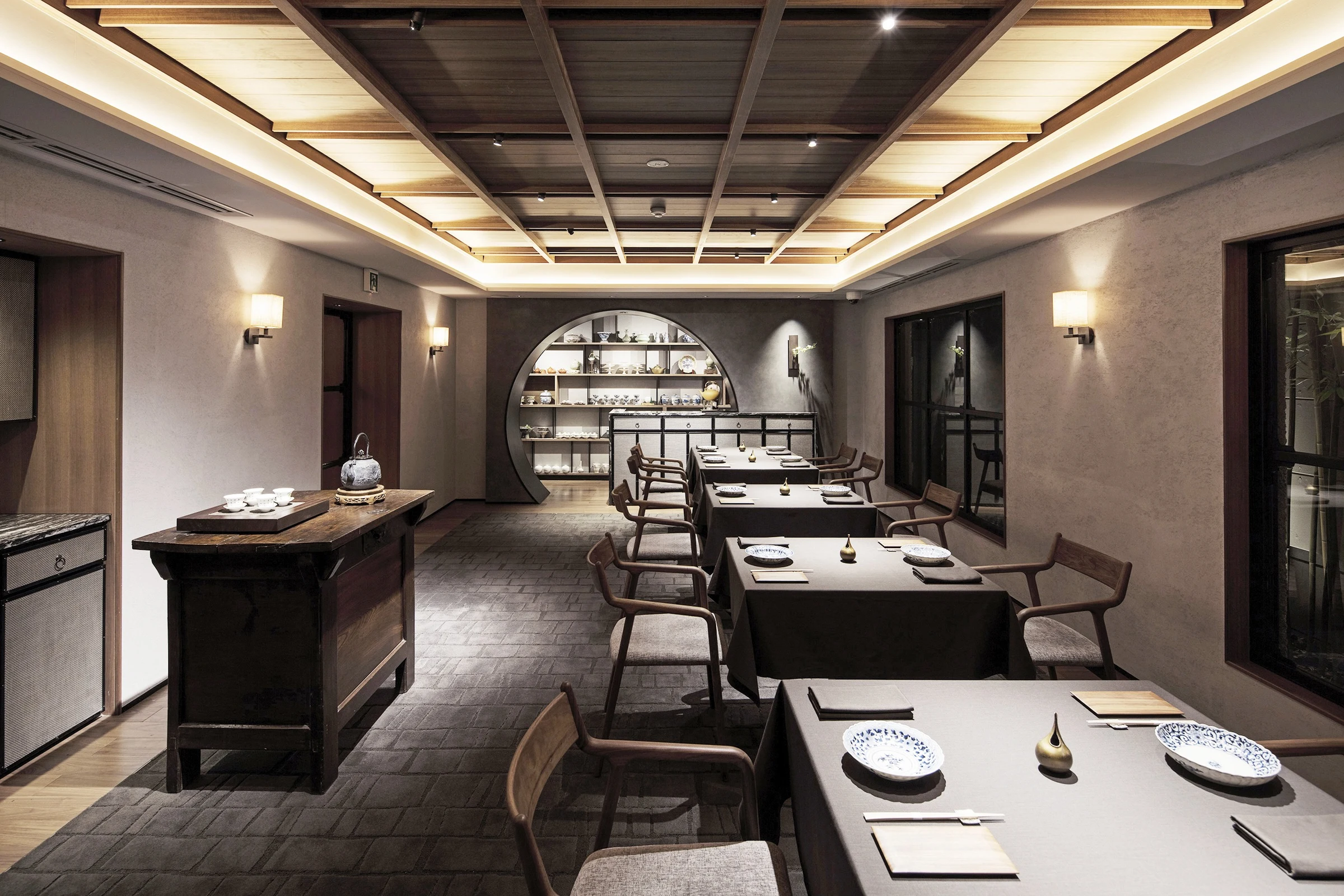
Tokyo's French restaurant scene has never been monolithic. At one end sits the grand-hotel formality of places like Château Restaurant Joël Robuchon, where the architecture does as much work as the kitchen. At the other end, a generation of chef-led counters and small dining rooms has taken root in neighbourhoods where rents and expectations are different, and where the cooking tends to carry more of the chef's own handwriting. Hiroo sits firmly in that second register. The Shibuya ward neighbourhood is home to embassies, long-term expatriates, and a residential density that keeps its restaurants grounded rather than performative. Ode, on the second floor of a building on Hiroo's main approach, is a Tokyo restaurant serving Modern French Omakase with Japanese Ingredients under chef Yusuke Namai. It has accumulated a following that now shows up clearly in the rankings.
The OAD Trajectory and What It Signals
Opinionated About Dining runs one of the more analytically useful restaurant ranking systems operating in Japan, drawing on a diner-critic hybrid methodology that tends to surface restaurants before mainstream guides catch up. Ode's position in those rankings over three consecutive years tells a specific story: ranked 121st in Japan in 2023, 155th in 2024, and 167th in 2025. The movement is not a straight line upward, but the restaurant has remained inside the OAD Japan top 170 across all three cycles, which represents consistent peer recognition in a market that includes some of the most competed-for dining slots on earth. For context, the OAD Japan list covers kaiseki rooms, sushi counters, ramen specialists, and every tier of European cooking, so holding a position within the top 170 across formats places Ode in a notable bracket. Compare that with peers on the Tokyo French circuit: L'Effervescence, Sézanne, ESqUISSE, and Florilège all occupy recognisable positions in the upper tier of that conversation. Ode operates in the same broad category but with a lower profile and, at least by the geography alone, a deliberately different relationship to the city's dining theatre.
Chef Yusuke Namai and the Auteur Model in Tokyo French
The shift from brigade-kitchen French restaurants toward chef-auteur formats has been one of the more consequential structural changes in Tokyo's European dining scene over the past fifteen years. In the auteur model, the cooking reflects a single creative perspective consistently enough that regulars can track an evolution over visits rather than simply experiencing a well-executed fixed identity. Chef Yusuke Namai runs Ode on that basis. The Google rating of 4.5 across 333 reviews suggests the consistency that auteur formats require: diners who return frequently enough to notice change, and who rate the cumulative experience rather than a single transaction. This is a different proposition from the Michelin-starred rooms where a two-star credential certifies a floor of technical execution but the kitchen may turn over significantly over time. At Ode, the creative signature is singular, which means the room rewards repeat visits more directly than it rewards first-timer checkbox dining.
Among the Tokyo French houses that have developed recognisable auteur identities, the pattern holds across different price tiers and neighbourhood settings. What distinguishes Hiroo as a setting for this kind of cooking is the absence of tourist infrastructure: the neighbourhood does not generate walk-in traffic, so a restaurant here survives on the strength of its actual following rather than on location premiums or guide-driven footfall.
The Hiroo Context
Hiroo occupies a particular position in Tokyo's dining geography. It is not a dining destination in the way that Ginza, Minami-Aoyama, or Roppongi function, where restaurant density and foot traffic create a self-reinforcing ecosystem. Hiroo is a neighbourhood first, with restaurants that exist for the people who live there and for the specific visitors who seek them out. The practical consequence for a restaurant like Ode is that its clientele arrives with intention. No one lands in Hiroo by accident and wanders into a French tasting menu. The room operates Monday, Tuesday, Thursday, Friday, Saturday, and Sunday evening, closed Wednesday, with sittings running from 6 to 11 pm.
Where Ode Sits in a Broader Japanese Dining Picture
Positioned against the full range of high-ambition dining in Japan, Ode is one data point in a much wider picture of European cooking taking distinct local shape. HAJIME in Osaka represents the full-integration approach, where French structure and Japanese philosophy merge at the highest technical level. akordu in Nara brings Basque reference points to a quieter city context, while Gion Sasaki in Kyoto and Goh in Fukuoka demonstrate how regional Japan has produced dining that does not need Tokyo's infrastructure to find serious recognition. Further afield, 1000 in Yokohama and 6 in Okinawa suggest how far this phenomenon extends geographically. Ode's place within this picture is as a Tokyo-based, French-trained room that has earned consistent peer recognition without operating in the most visible or highest-profile segment of its home market. Internationally, the comparison might run toward places like Hotel de Ville Crissier in Crissier or Les Amis in Singapore, both of which demonstrate that serious French cooking away from Paris operates on its own terms and often with greater creative freedom than the source material allows.
Planning Your Visit
Know Before You Go
- Address: 5 Chome-1-32 ST広尾 2F, Hiroo, Shibuya, Tokyo 150-0012
- Hours: Tuesday to Friday 6:30 to 11 pm; Saturday 6:30 to 11 pm; Sunday and Monday closed
- Cuisine: French tasting menu, chef Yusuke Namai
- Recognition: Opinionated About Dining Leading Restaurants in Japan: ranked 121st (2023), 155th (2024), 167th (2025)
- Google rating: 4.5 from 321 reviews
- Getting there: Hiroo Station (Tokyo Metro Hibiya Line) is the closest rail access point for this part of Shibuya ward
- Booking: Reservations are essential.
Questions
Frequently asked
Who works at Ode?
Made By profiles Yusuke Namai (Chef) at Ode.
How expensive is Ode?
Ode is listed at a price level of $$$$.
Where is Ode and what does it serve?
Ode is in Shibuya, Tokyo, serving Modern French Omakase with Japanese Ingredients.
The field
How it compares
| Place | Cuisine | Notes | Awards |
|---|---|---|---|
| Ode | Modern French Omakase with Japanese Ingredients | Shibuya, $$$$ | · |
| Den | Modern Japanese Kaiseki | Tokyo | Michelin 2 Stars, World's 50 Best |
| Florilège | Modern French-Japanese Plant-Based Fine Dining | Tokyo | Michelin 2 Stars, World's 50 Best |
| Narisawa | Modern Japanese Satoyama Fine Dining | Tokyo | Michelin 2 Stars, World's 50 Best |
| Quintessence | Modern French Fine Dining | Tokyo | Michelin 3 Stars |
| Sazenka | Modern Chinese Fine Dining | Tokyo | Michelin 3 Stars, World's 50 Best |
| Sézanne | Modern French Fine Dining | Tokyo | Michelin 3 Stars, World's 50 Best |
In residence
Similar places
Modern Japanese Kaiseki
Den
Tokyo, Japan
★★ · 50 Best
Modern French-Japanese Plant-Based Fine Dining
Florilège
Tokyo, Japan
★★ · 50 Best
Modern Japanese Satoyama Fine Dining
Narisawa
Tokyo, Japan
★★ · 50 Best
Modern French Fine Dining
Quintessence
Tokyo, Japan
★★★
Modern Chinese Fine Dining
Sazenka
Tokyo, Japan
★★★ · 50 Best
Modern French Fine Dining
Sézanne
Tokyo, Japan
★★★ · 50 Best