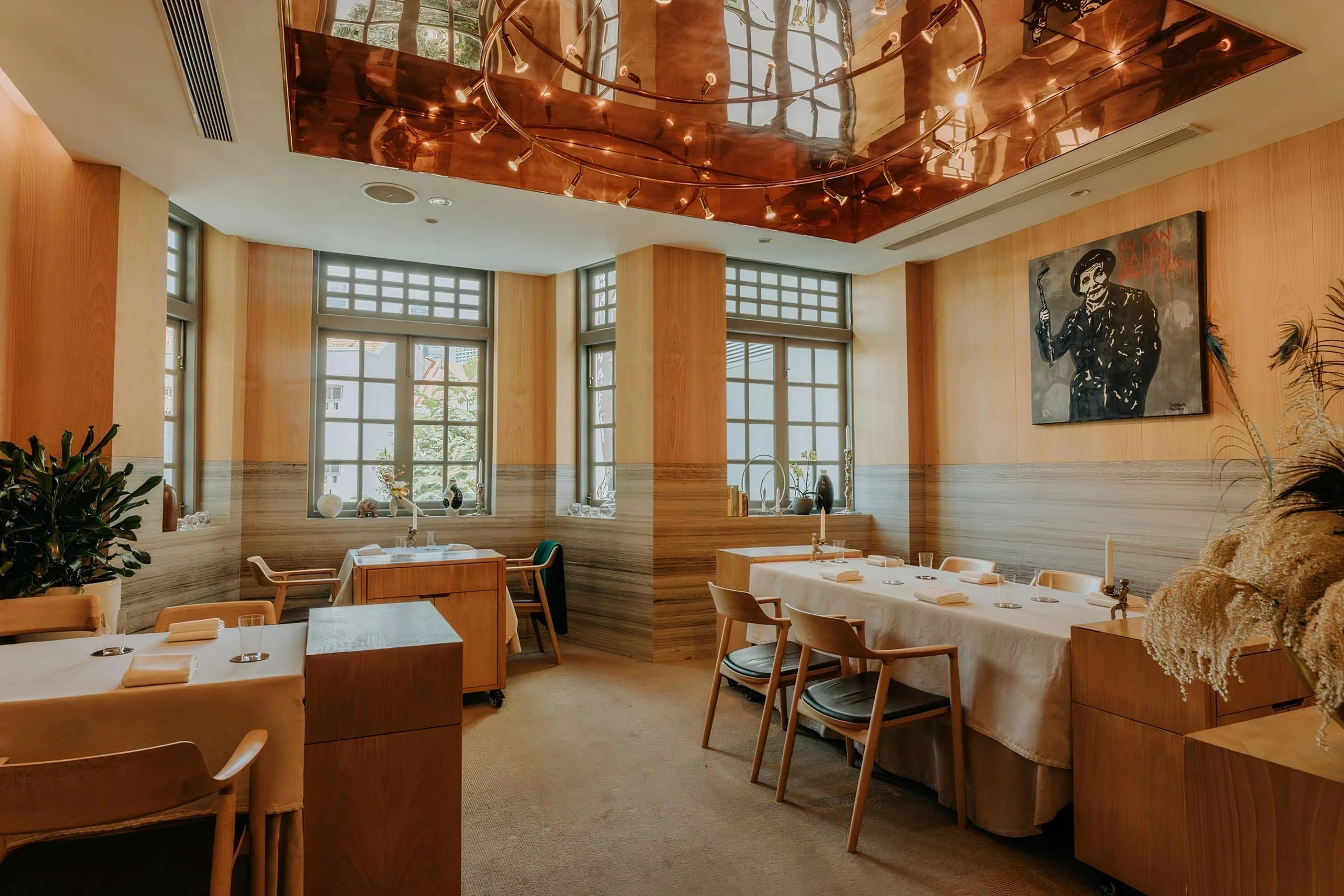
Oishii Boston
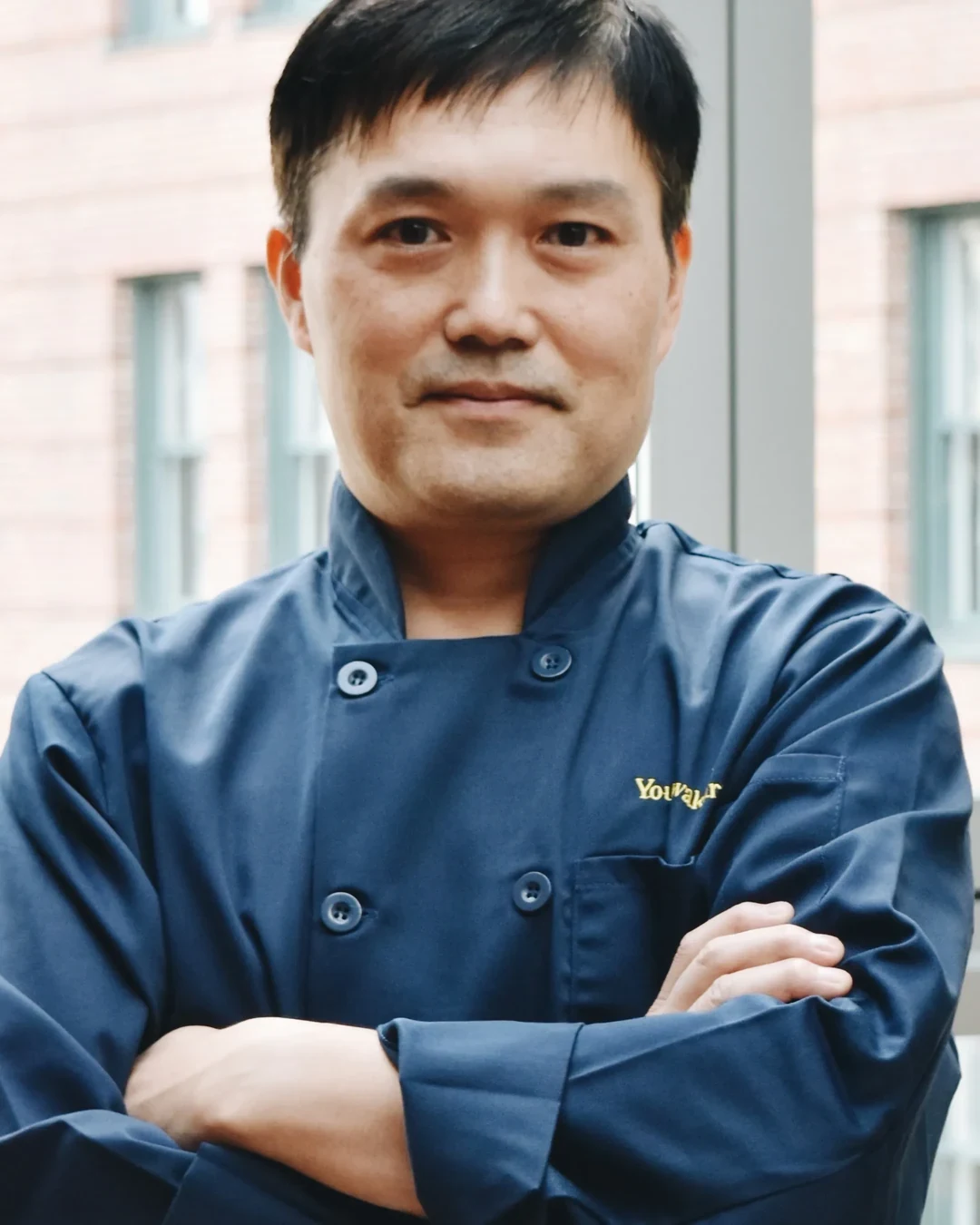
In Residence
Youji Iwakura
Chef
- 01CuisineModern Creative Japanese Sushi
- 02CityBoston, United States
- Wine Spectator · Tier 1
- Opinionated About Dining Top Restaurants in North America Recommended · 2026
- Opinionated About Dining Top Restaurants in North America Ranked #537 · 2025
- Wine Spectator Award of Excellence · 2025
- Opinionated About Dining Top Restaurants in North America Ranked #422 · 2024
Where Boston's Sushi Tradition Gets Serious
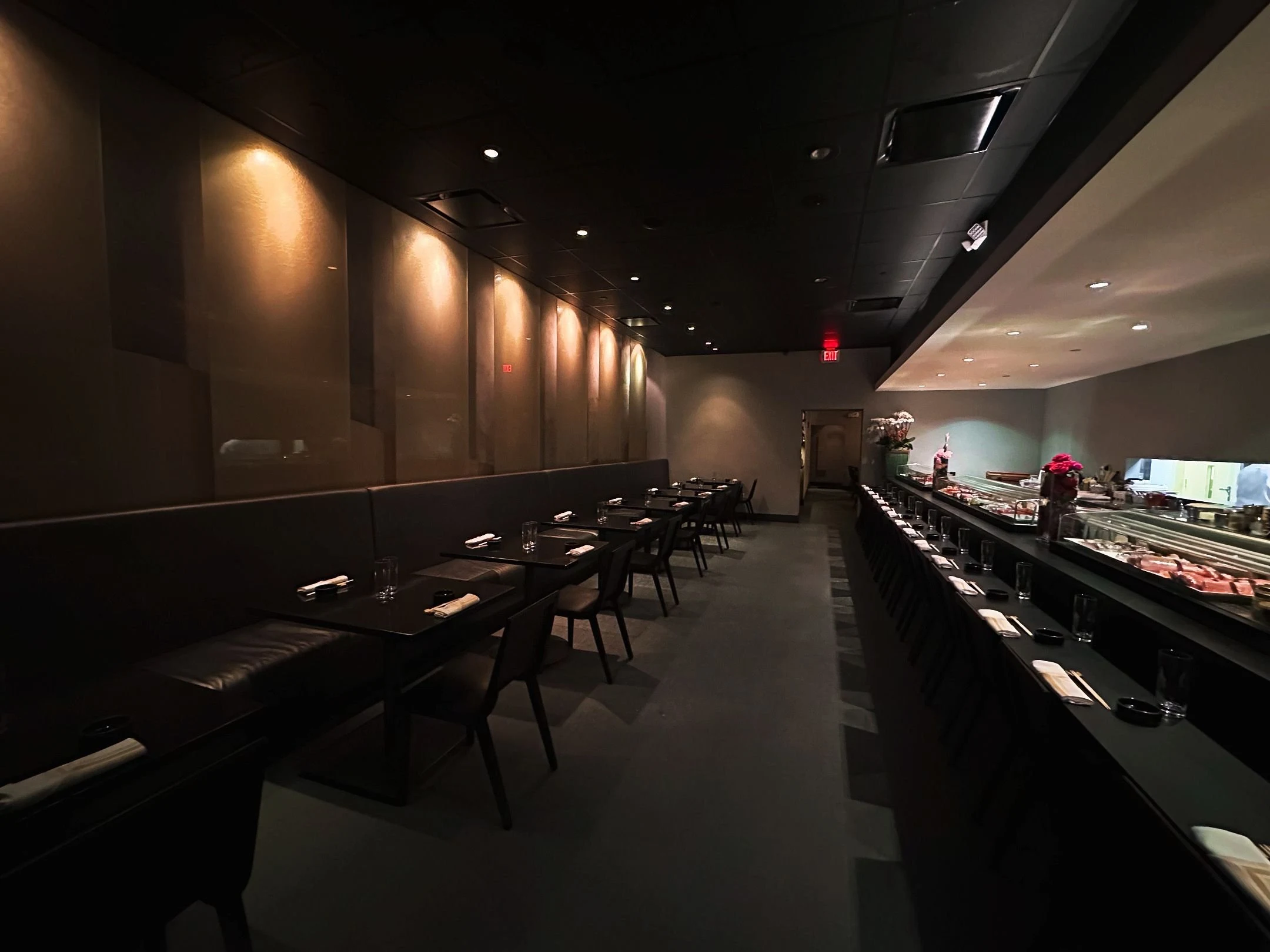
The South End dining corridor on Washington Street runs long enough to hold multitudes: wine bars, Haitian kitchens, Italian trattorias, and enough New American tasting menus to fill a semester of culinary school. What it has in shorter supply is the kind of sushi operation that earns repeated placement on national critical lists. Oishii Boston is a modern creative Japanese sushi restaurant at 1166 Washington Street in Boston’s South End. It has appeared on Opinionated About Dining's Leading Restaurants in North America in both 2024 (ranked #422) and 2025 (ranked #537), a sustained critical presence that places it in a peer tier most Boston restaurants never reach.
That ranking context matters for calibration. OAD's methodology weights the opinions of frequent, experienced diners rather than general public sentiment, which makes sustained appearances a signal about how the restaurant reads to people who eat at this level regularly. A Google rating of 4.4 across 734 reviews adds a different kind of data point: breadth of approval that holds across a much wider diner pool.
The Shokunin Framework and What It Means at This Counter
Japanese sushi culture operates on a transmission model that takes decades to execute properly. The term shokunin refers not merely to a craftsperson but to someone who has subordinated personal expression to a discipline, studying under a master until the technique is internalized rather than performed. The leading sushi counters in Tokyo, Osaka, and increasingly in New York and Los Angeles are products of this lineage system, where a chef's identity is inseparable from their apprenticeship chain.
In American cities, the shokunin model has had uneven uptake. Many sushi restaurants operate closer to the assembly-and-service model than the transmission model, prioritizing volume and accessibility over disciplinary depth. The counters that earn sustained critical recognition, from 311 Omakase in Boston to dedicated omakase operations in other major markets, tend to be the ones where the training lineage behind the knife work is traceable and the rice temperature, fish sourcing, and aging protocols reflect that deeper discipline. Chef Youji Iwakura leads the kitchen at Oishii Boston within this tradition, with the restaurant's long presence in the city marking it as one of the earlier American operations to take that disciplinary frame seriously.
For context on what serious Japanese counter dining looks like at its apex, Harutaka in Tokyo and Sushi Shikon in Hong Kong represent the standard against which transplant operations in Western cities are implicitly measured. The gap is not a failure on the part of American chefs but a function of supply chains, sourcing logistics, and market expectations. What distinguishes the better American counters is how deliberately they close that gap on the elements within their control.
Boston's Sushi Position in the Broader American Market
Boston is not a city that typically anchors national conversations about Japanese cuisine the way New York, Los Angeles, or San Francisco do. The reasons are structural: smaller Japanese-American community presence, a dining culture historically anchored in seafood of a different kind (raw bar, chowder, classic New England preparations), and a financial sector clientele that skews toward European fine dining over omakase counters.
That context makes Oishii Boston's critical longevity more interesting, not less. In cities with deeper Japanese culinary infrastructure, a restaurant at this level competes within a denser comparable set. In Boston, it occupies something closer to a category-defining position for the upper tier of Japanese dining, operating alongside Asta and Bar Mezzana in the broader range of restaurants where Boston earns consistent national notice. The South End location places it in a neighborhood that has long functioned as the city's test kitchen for ambitious independent restaurants, distinct from the more tourist-facing waterfront corridor.
Boston's serious dining scene also includes strong showings in other categories: Abe & Louie's anchors the classic steakhouse tier, Bar Volpe handles Italian with precision, and the raw bar tradition at Neptune Oyster and Ostra reflects the city's seafood inheritance. Japanese cuisine at the counter level sits in a different register from all of those, requiring a more specialized kind of attention from both kitchen and guest.
The Wine Program as a Signal
Opinionated About Dining's wine assessment places Oishii Boston at the mid-tier pricing level with California as its primary strength and a selection of 220 labels across an inventory of approximately 1,400 bottles. For a sushi restaurant, a California-weighted list with that kind of depth reads as an intentional pairing philosophy rather than an afterthought. High-acid Chardonnays from cooler California appellations, along with the right Pinot Noirs, have an established track record alongside fish-forward tasting menus. The 220-selection count is meaningful: it suggests curation rather than exhaustion, a list built to work with the food rather than to impress on paper alone.
Restaurants operating at this price and ambition level in other American cities, from Le Bernardin in New York to The French Laundry in Napa, treat the wine program as an extension of the culinary identity. A sushi counter with a 1,400-bottle inventory is making a similar statement about how seriously it takes the complete dining experience.
Planning Your Visit
Oishii Boston operates Tuesday through Thursday from 4:30 to 11 pm, with extended hours on Friday and Saturday running from 1 pm through 11 pm, making those two days the only window for lunch or early afternoon dining. The restaurant is closed Sunday and Monday. For guests arriving from outside the South End, the Washington Street address puts the restaurant within the neighborhood's main dining corridor, well-served by the Orange Line at Back Bay Station. Booking ahead is the practical approach for weekend sittings, particularly the Friday and Saturday lunch slots, which represent the narrowest capacity window of the week.
What to Order at Oishii Boston
The restaurant's cuisine classification and the disciplinary framework of Chef Iwakura's kitchen point toward the omakase or chef-directed format as the order of business here, where the kitchen makes the sequencing decisions and the fish is the argument. The California-weighted wine list and the $$$ cuisine pricing tier indicate that a full omakase with wine pairing is within the expected range for this type of visit. For guests who prefer a la carte options, the broader menu format allows individual selections, though at a counter of this pedigree, deferring to the kitchen's judgment on sequence and selection tends to produce a more coherent meal. The Friday and Saturday lunch service represents a less common entry point for high-end sushi in Boston and may offer a different pace than the dinner service window.
Questions
Frequently asked
Who works at Oishii Boston?
Made By profiles Youji Iwakura (Chef) at Oishii Boston.
How expensive is Oishii Boston?
Oishii Boston is listed at a price level of $$$.
Where is Oishii Boston and what does it serve?
Oishii Boston is in South End, Boston, serving Modern Creative Japanese Sushi.
The field
How it compares
| Place | Cuisine | Notes | Awards |
|---|---|---|---|
| Oishii Boston | Modern Creative Japanese Sushi | South End, $$$ | · |
| Deuxave | Modern French American Nouveau | Boston | · |
| El Celler de Can Roca | Creative Catalan Fine Dining | Girona | Michelin 3 Stars, World's 50 Best |
| La Padrona | Modern Regional Italian | Boston | · |
| Osteria Francescana | Avant-Garde Italian Contemporary | Modena | Michelin 3 Stars, World's 50 Best |
| Smyth | Modern American Tasting Menu | Chicago | Michelin 3 Stars, World's 50 Best |
| Zén | Neo-Nordic with Japanese Influences | Singapore | Michelin 3 Stars, World's 50 Best |
In residence
Similar places
Modern French American Nouveau
Deuxave
Boston, United States
Creative Catalan Fine Dining
El Celler de Can Roca
Girona, Spain
★★★ · 50 Best
Modern Regional Italian
La Padrona
Boston, United States
Avant-Garde Italian Contemporary
Osteria Francescana
Modena, Italy
★★★ · 50 Best
Modern American Tasting Menu
Smyth
Chicago, United States
★★★ · 50 Best
Neo-Nordic with Japanese Influences
Zén
Singapore, Singapore
★★★ · 50 Best