Origem
In Residence
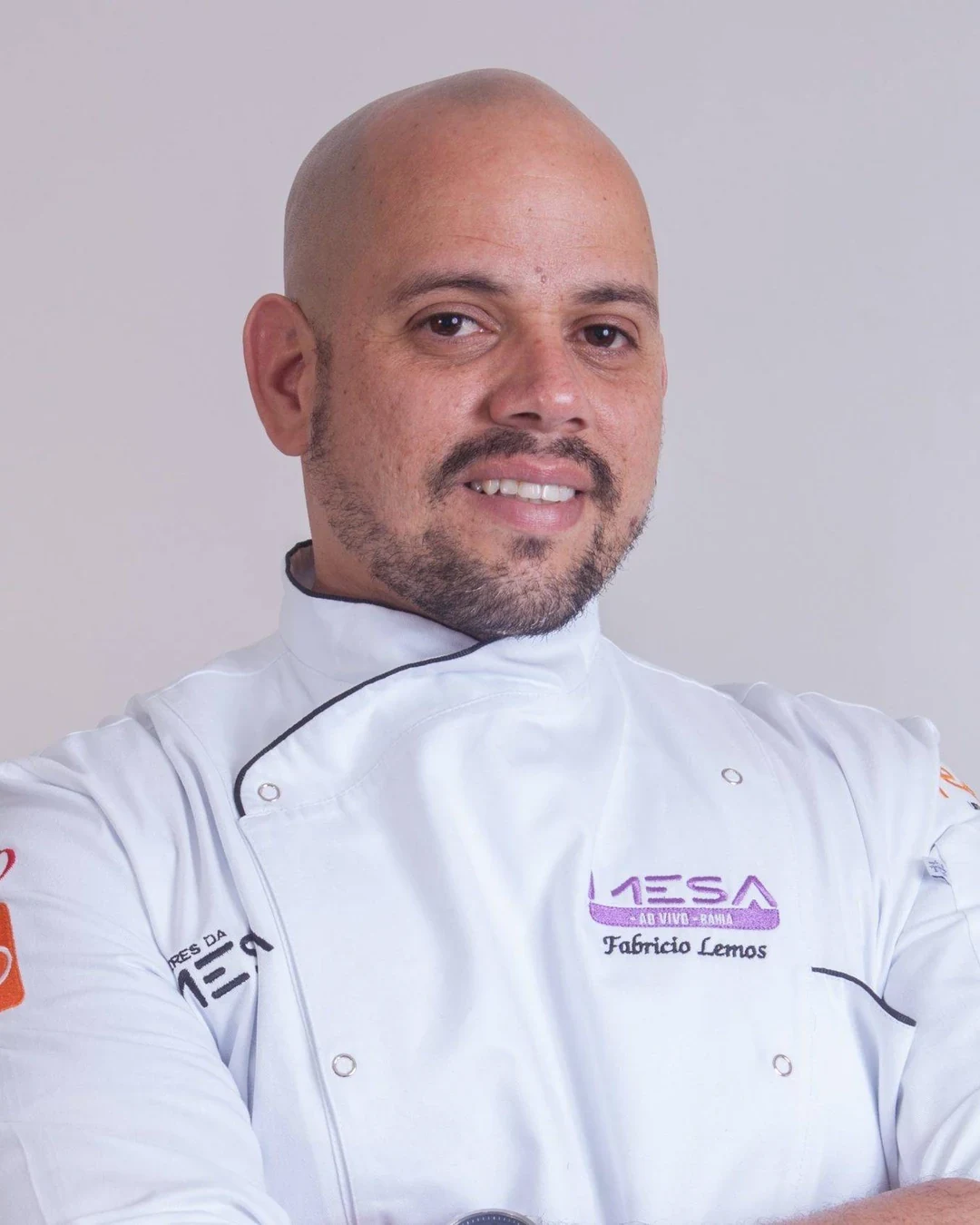
Fabricio Lemos
Chef
- 01CuisineModern Bahian Fine Dining
- 02CitySalvador, Brazil
- 03RecognitionWorld's 50 Best — No. 52
- World's 50 Best · #52 · World's 50 Best Restaurants
- The Best Chef Two Knives · 2025
- World's 50 Best Latin America's Best Restaurants #52 · 2025
Where Bahia's Five Biomes Meet the Plate
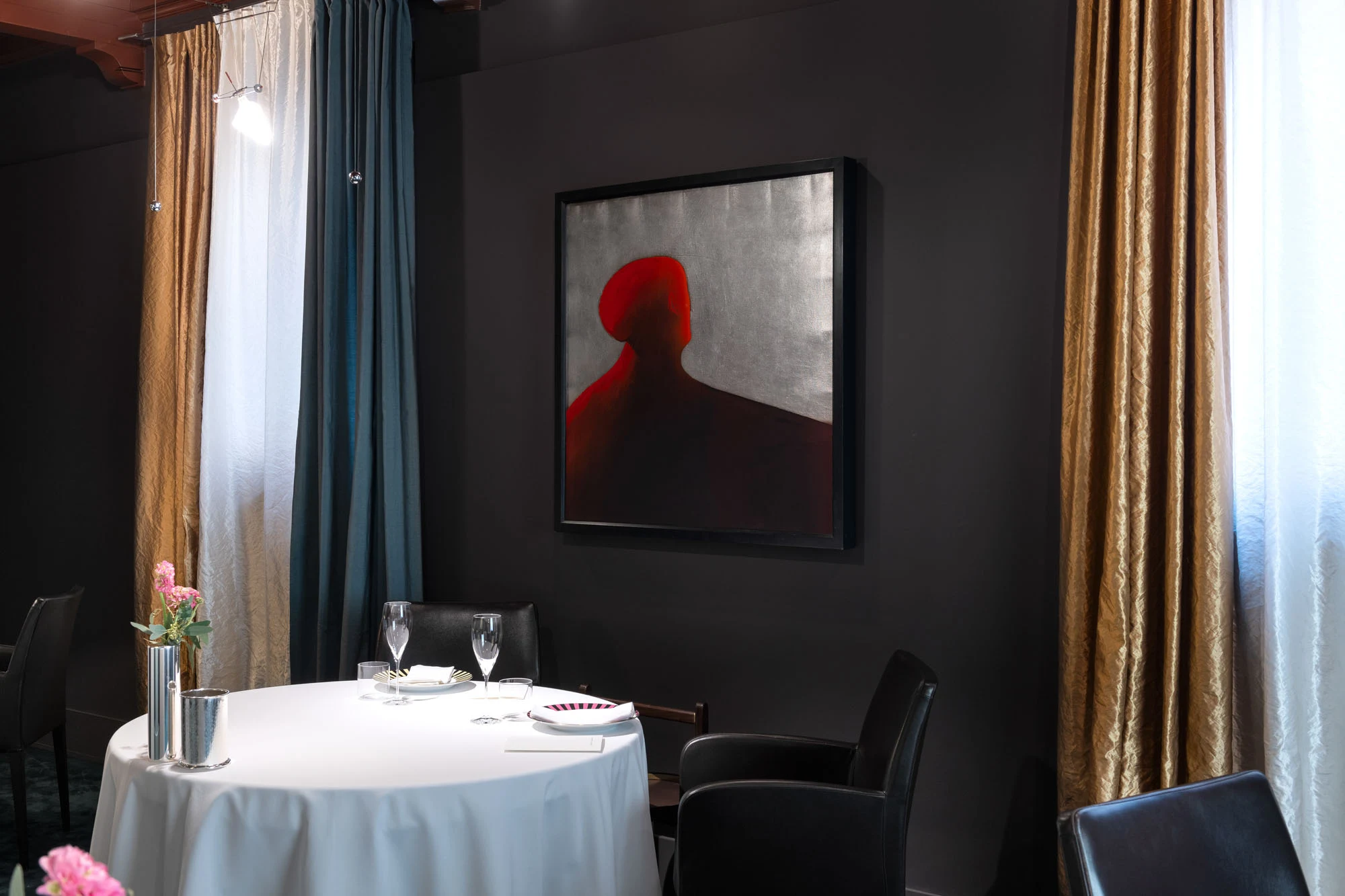
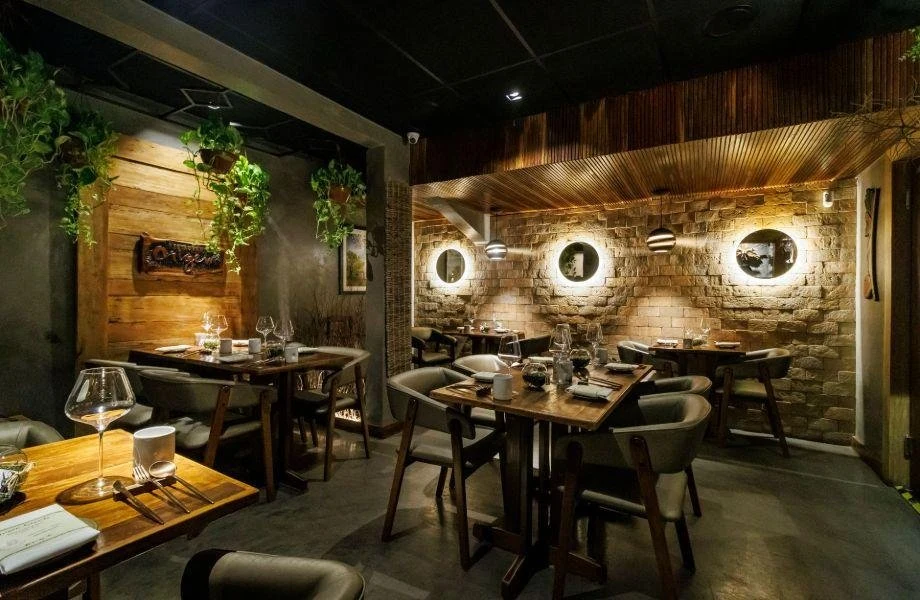
Pituba is Salvador's quieter residential district, removed from the tourist circuit of Pelourinho and the beachfront chaos of Barra. Alameda das Algarobas is a tree-lined street that gives little away from the outside, and that restraint carries into the room at Origem. There is no theatrical entrance, no aggressive design statement. The architecture asks you to settle in, and the 15-course tasting menu does the rest.
That menu is built around a structural conceit that pays off in practice: Bahia's five biomes, the Atlantic Forest, the Cerrado savanna, the Caatinga scrubland, the coastal restinga, and the mangrove systems, each supply a distinct ecological pantry, and Origem works through them in sequence. It is less a tasting menu in the European progression sense and more a geographical argument made in edible form. Few tasting formats in Brazil anchor their sourcing rationale this explicitly in ecological geography, which places Origem in a small category of regional restaurants where the ingredient map is the concept, not the garnish.
Ingredient Sourcing as the Core Logic
The Caatinga biome alone illustrates why the sourcing framework matters. This semi-arid scrubland covers roughly ten percent of Brazil's territory and is largely absent from the country's fine dining vocabulary. Its flora, umbu, licuri palm, small-batch honey from native bees, dried meats from the interior, have historically been treated as subsistence ingredients rather than fine dining material. Bringing them into a 15-course format changes their register without erasing their context. The same logic applies to the restinga, the fragile coastal vegetation that separates the Atlantic from the dunes, which produces herbs, roots, and small shellfish largely unfamiliar to diners from São Paulo or Rio de Janeiro.
Brazil's most recognised tasting formats have tended to build identity around the Amazon or the Atlantic coast. Lasai in Rio de Janeiro works with a kitchen garden and selective sourcing but operates within a different biome set entirely. Evvai in São Paulo applies European technique to Brazilian ingredients in an urban fine dining context. Origem's argument is more geographically specific: it is making a case for a single Brazilian state's ecological diversity as sufficient to sustain a serious tasting menu from first course to dessert. That is a narrower and more committed position than most of its comparable set takes.
Pâtissier Lisiane Arouca's role in that argument is not decorative. The Caatinga's native fruits, the Atlantic Forest's cupuaçu-adjacent species, the restinga's aromatic plants, the pastry and dessert arc of the menu extends the biome logic rather than pivoting to imported technique at the end. That structural coherence across savory and sweet courses is rarer than it sounds and gives the meal a sense of authorial consistency.
Where Origem Sits in Brazil's Fine Dining Map
Brazil's serious tasting format restaurants cluster heavily in São Paulo, with Rio de Janeiro as a secondary node. Salvador has historically occupied a different register: its food culture is deep, complex, and nationally influential, dendê oil, acarajé, moqueca, the Candomblé-inflected spice traditions that define Bahian cooking, but fine dining investment has lagged behind the city's culinary stature. Origem operates in that gap, applying tasting menu discipline to a regional tradition that has rarely received it at this level of technical seriousness.
The comparison that matters most is not with the São Paulo bracket that includes D.O.M. and Maní, but with the smaller cohort of Brazilian restaurants that have made explicit regional ecology their primary creative material. Orixás North Restaurant in Itacaré works within Bahian coastal ingredients from a different angle. Manu in Curitiba represents the southern equivalent of the regional tasting format. Origem holds the northeastern position in that map, with a biome framework that distinguishes it in Salvador.
Beyond Brazil, the format of building a long tasting menu around a carefully articulated sourcing geography has precedents at very different price points and latitudes. Lazy Bear in San Francisco built its identity around American regional ingredients in a communal format. Atomix in New York City does something structurally comparable with Korean regional ingredients and scholarly presentation. The discipline of making geography the argument is a global format, and Origem applies it with regional specificity that stands without peer in Bahia.
The Salvador Dining Context
Salvador's restaurant scene has expanded its serious dining offer considerably over the past decade, though it remains concentrated in a few neighbourhoods. Pituba and Rio Vermelho hold most of the contemporary addresses worth tracking. Manga operates nearby and represents a different but complementary strand of contemporary Bahian cooking. The two restaurants are not in direct competition, Manga works a more accessible format, but together they mark a shift in what Salvador now offers to serious food travelers.
Planning Your Visit
Origem sits at Alameda das Algarobas, 74, in Pituba, a neighbourhood accessible by taxi or rideshare from most of Salvador's hotel concentrations. The 15-course format means an evening commitment of at least three hours, likely longer if you are engaged with the biome narrative the menu lays out. This is not a restaurant to schedule before another event. Reservations are essential, and the price per person is about $120. The dress code is smart casual.
What Should I Eat at Origem?
The 15-course tasting menu is the format. There is no à la carte alternative referenced in our data, and arriving with a specific dish in mind misreads how the restaurant works. The sequence moves through Bahia's five biomes, Atlantic Forest, Cerrado, Caatinga, restinga, mangrove, and the progression is the experience. Fabrício Lemos handles the savory architecture and Lisiane Arouca the pastry arc, and the coherence between the two halves of the meal is part of what distinguishes Origem from Brazilian tasting formats where the pastry course feels like a stylistic gear-change. If you are traveling from elsewhere in Brazil to dine here, the Caatinga courses represent the greatest distance from what most urban fine dining menus offer, ingredients from the semi-arid interior that rarely appear at this level of preparation. For broader context on Brazil's serious dining tier, see also Mina in Campos do Jordão, Primrose in Gramado, and Castelo Saint Andrews in Gramado for the southern end of the regional tasting format spectrum.
Questions
Frequently asked
What recognition does Origem hold?
Origem holds a place on the World's 50 Best list at number 52.
Who works at Origem?
Made By profiles Fabricio Lemos (Chef) and Lisiane Arouca (Chef) at Origem.
How expensive is Origem?
Origem is listed at a price level of $$$$.
Where is Origem and what does it serve?
Origem is in residential, Salvador, serving Modern Bahian Fine Dining.
The field
How it compares
| Place | Awards | Cuisine | Notes |
|---|---|---|---|
| Origem | World's 50 Best #52 | Modern Bahian Fine Dining | residential, $$$$ |
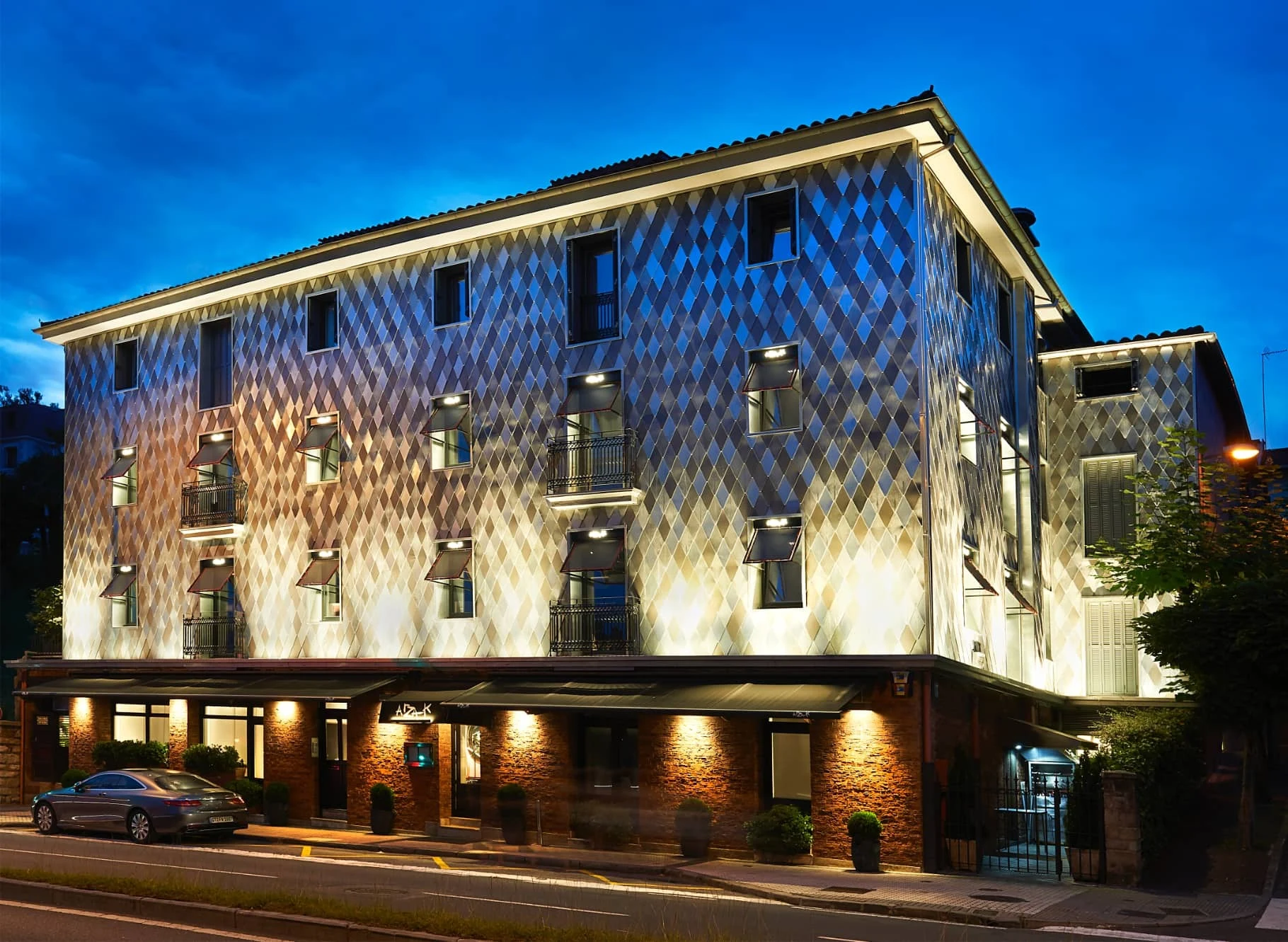
| Arzak | Michelin 3 Stars, World's 50 Best | Contemporary Basque Fine Dining | San Sebastián |
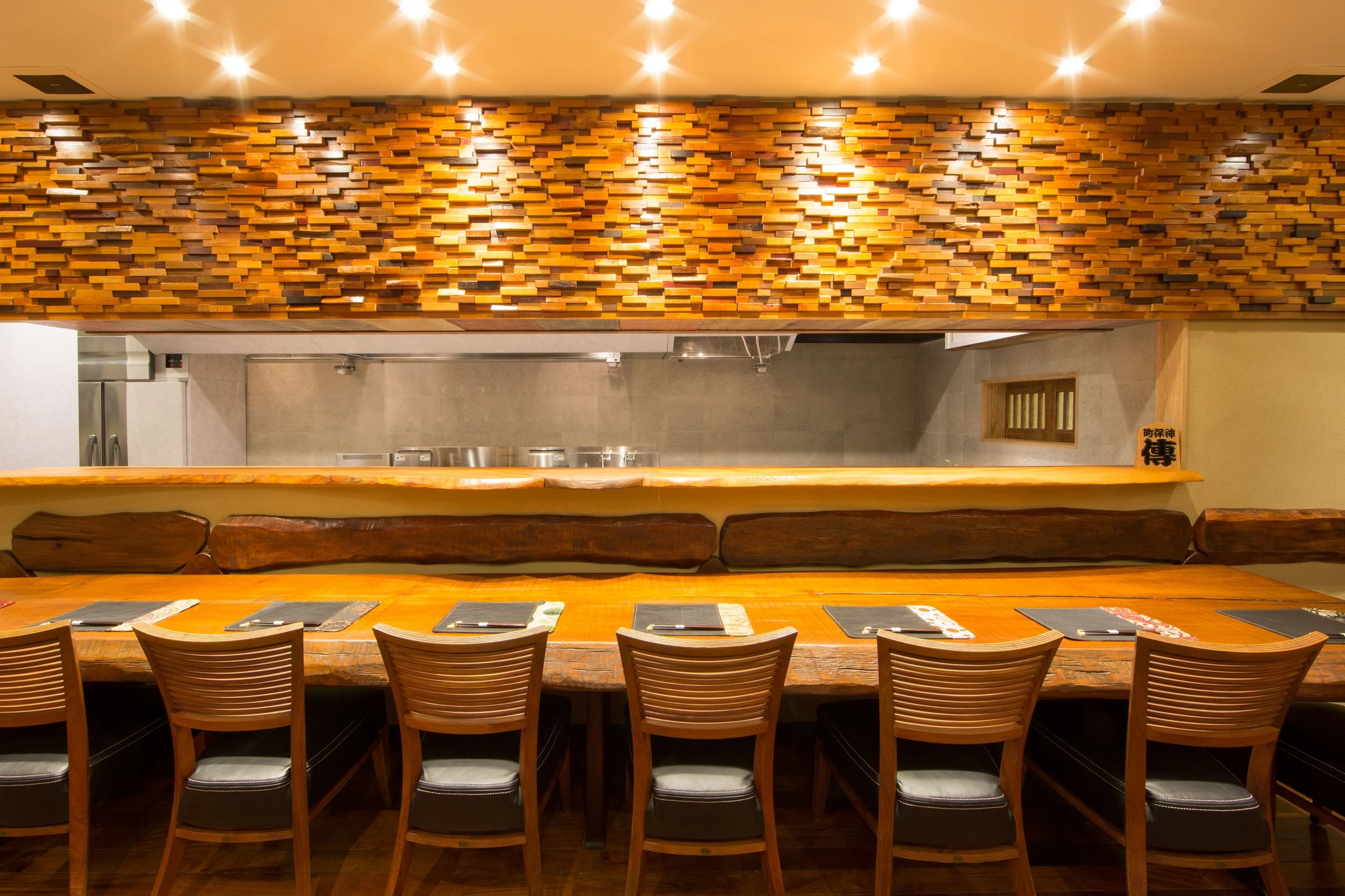
| Den | Michelin 2 Stars, World's 50 Best | Modern Japanese Kaiseki | Tokyo |
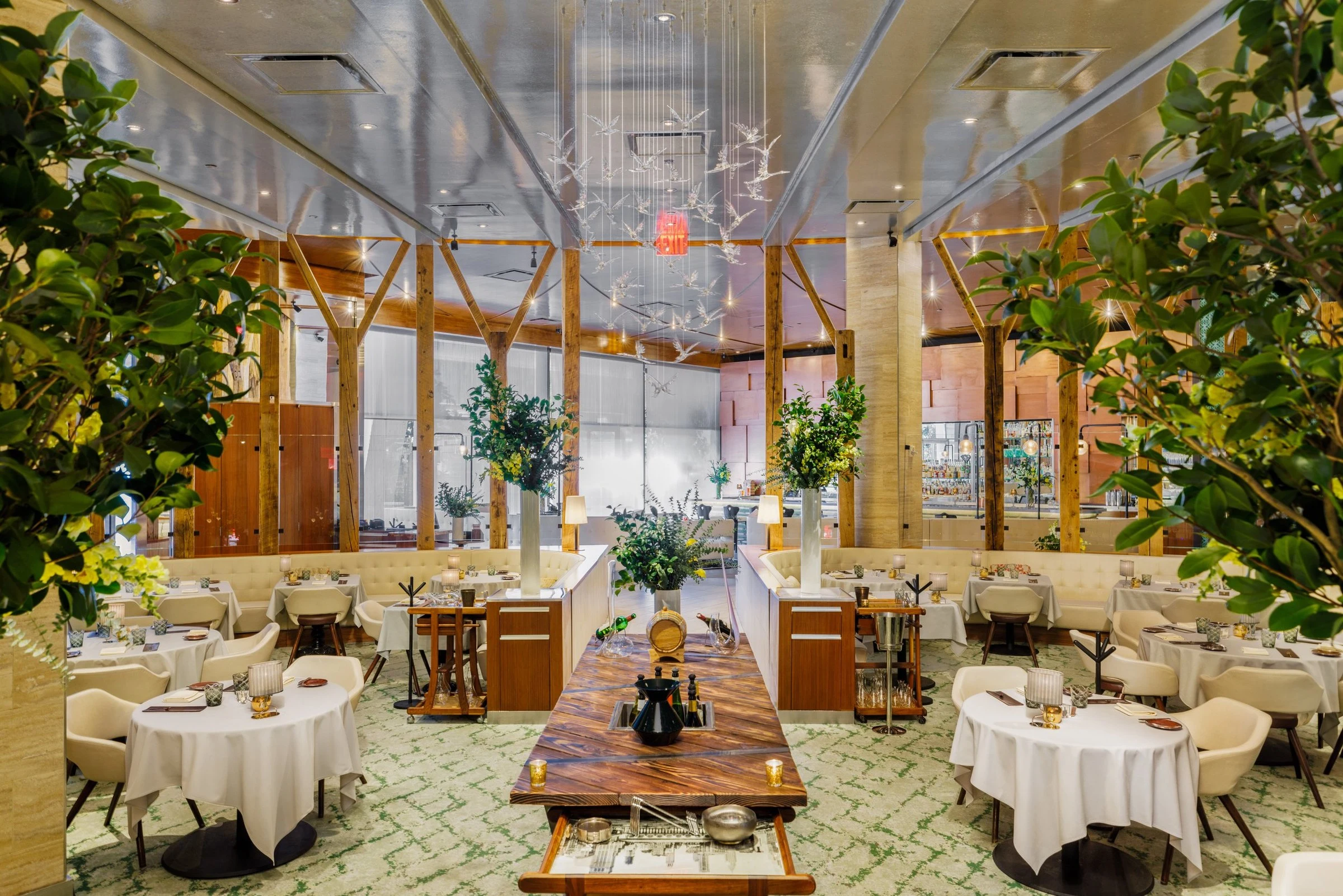
| Gabriel Kreuther | Michelin 2 Stars | Modern Alsatian-French Fine Dining | New York City |
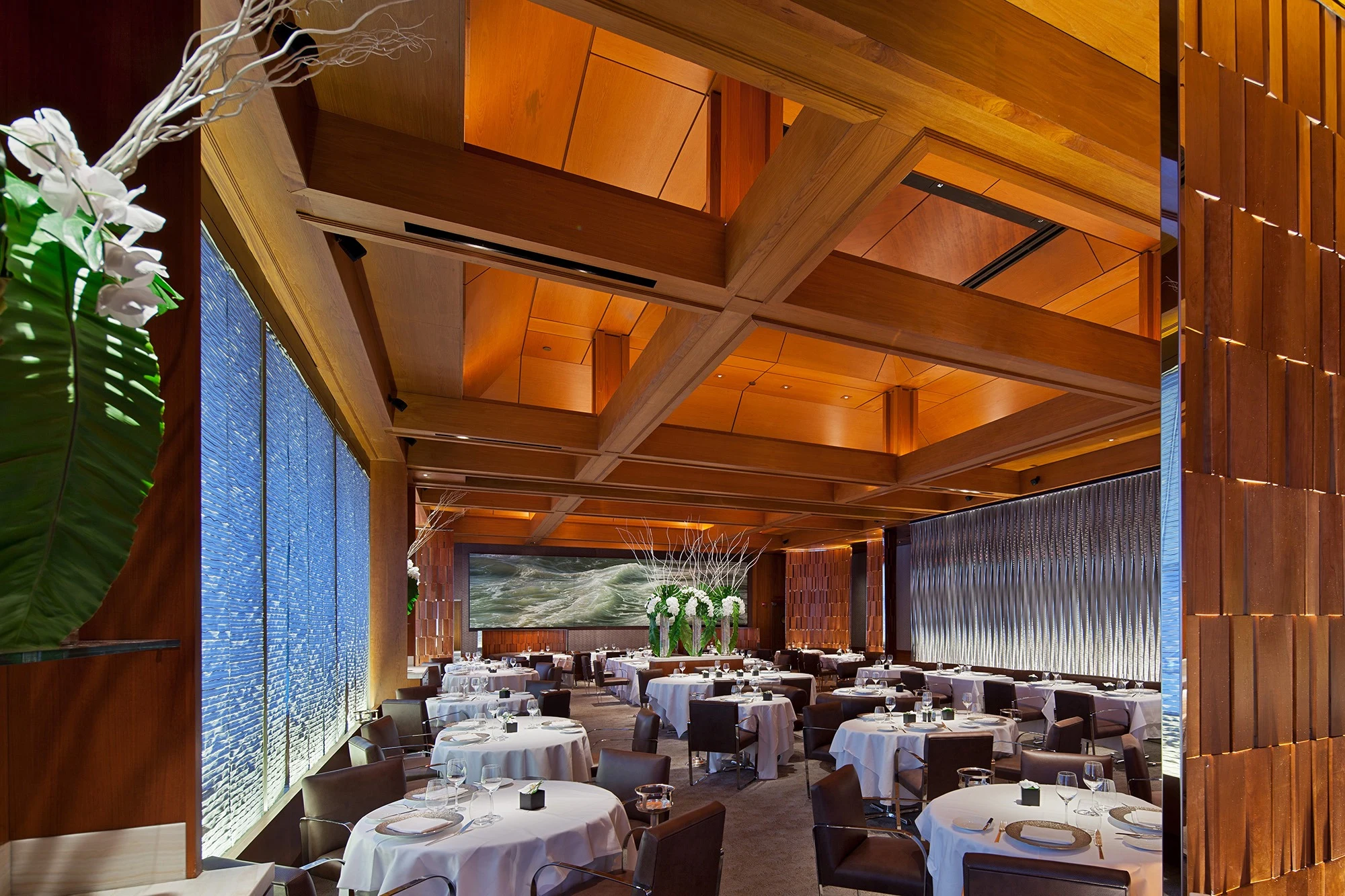
| Le Bernardin | Michelin 3 Stars, World's 50 Best | French Seafood Fine Dining | New York City |
| Osteria Francescana | Michelin 3 Stars, World's 50 Best | Avant-Garde Italian Contemporary | Modena |
| Potong | Michelin 1 Star, World's 50 Best | Progressive Thai-Chinese Fine Dining | Bangkok |
In residence

Similar places
Contemporary Basque Fine Dining
Arzak
San Sebastián, Spain
★★★ · 50 Best
Modern Japanese Kaiseki
Den
Tokyo, Japan
★★ · 50 Best
Modern Alsatian-French Fine Dining
Gabriel Kreuther
New York City, United States
★★
French Seafood Fine Dining
Le Bernardin
New York City, United States
★★★ · 50 Best
Avant-Garde Italian Contemporary
Osteria Francescana
Modena, Italy
★★★ · 50 Best
Progressive Thai-Chinese Fine Dining
Potong
Bangkok, Thailand
★ · 50 Best