i. Biography
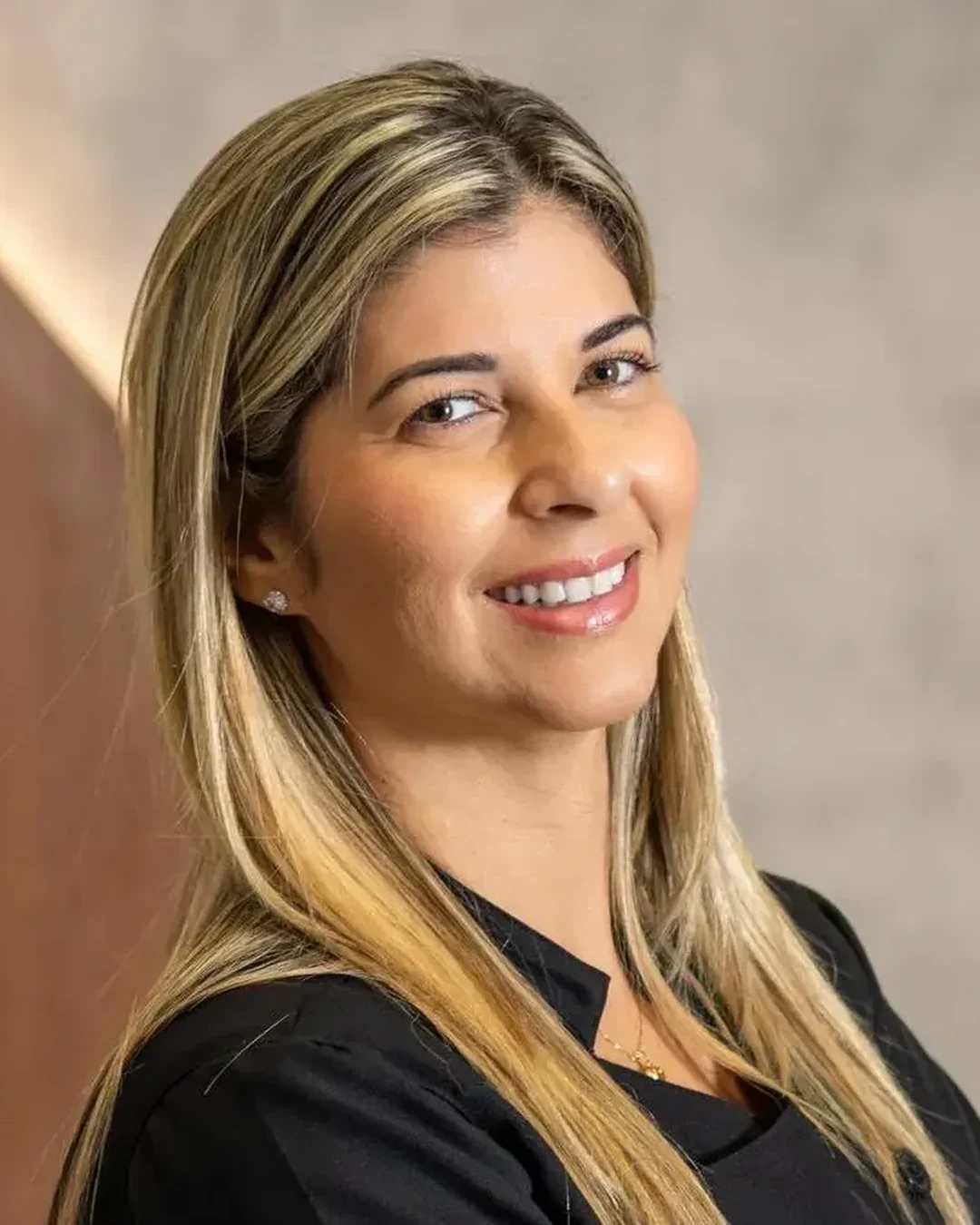
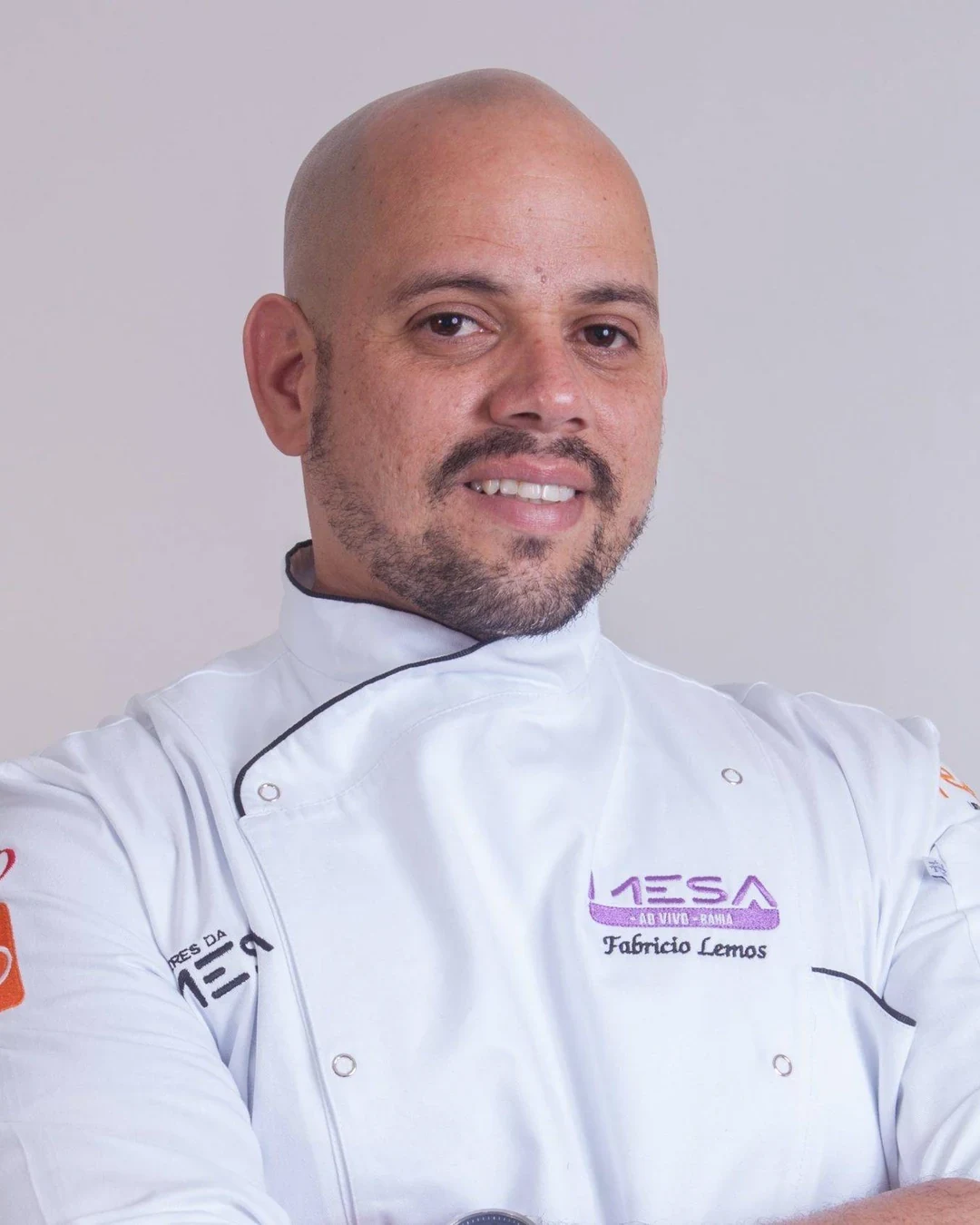
Since 2016, Fabricio Lemos has been chef at Origem in Salvador, Brazil, and the role reads as an accumulation of practice rather than a sudden arrival. The work is rooted in an early habit of cooking to eat, not to perform: he says, “I started cooking and making sweets when I was 8 years old to eat, so it is something that is very much part of my palate.” That frame matters. In his case, technique is built on appetite, and the palate comes before the title.
The Path
Le Cordon Bleu gave Fabricio Lemos a formal structure to work within, but the discipline arrived after taste had already taken hold. What followed was a sequence of roles that added responsibility in stages: chef de cozinha at The Ritz-Carlton in United States, chef at Restaurante Mistura in Itapuã, Salvador, Bahia, Brazil (from 2010), responsável pela criação do conceito da cozinha at Al Mare in Salvador, Bahia, Brazil, and later chef at Amado in Salvador, Bahia, Brazil (from 2015). The line is less about reinvention than about the steady widening of remit. That progression shows how a kitchen profile can expand without losing its center. At each post, the job description shifts, but the underlying relation to flavor stays consistent. Fabricio Lemos moves from execution to concept and back again, with the recipes and regional memory of childhood still acting as reference points rather than ornament. Today, Fabricio is chef of Origem (since 2016), chef of Ori (since 2018), chef of Gem (since 2020), chef of Omí (since 2021), and chef of Segreto Ristorantino (since 2022). The list signals range, but it also shows continuity: the same hand, applied across several kitchens, with the same accumulated point of view.
The Work Today
Origem in Salvador, Brazil remains the clearest expression of Fabricio Lemos’s practice, where place is part of the cooking language rather than a decorative backdrop. His own comment keeps returning to Bahia, and specifically to its interior, which he describes as even richer in flavors. That matters in trade terms: flavor here is treated as something inherited and worked from, not simply assembled. The continuity between childhood and career is unusually direct in his case. The seven notebooks he keeps from when he was a child, filled with recipes, are not presented as memorabilia but as working material: “I have seven notebooks from when I was a child with recipes that are the basis of my pastry today, really.” That is a useful distinction for any kitchen. The archive is active; the old notes still function. Seen that way, the professional timeline is coherent. Le Cordon Bleu supplied structure. The Ritz-Carlton in United States, Restaurante Mistura in Itapuã, Salvador, Bahia, Brazil (from 2010), Al Mare in Salvador, Bahia, Brazil, and Amado in Salvador, Bahia, Brazil (from 2015) each added another layer of practice. But the throughline is older than the CV: a child cooking and making sweets at 8 years old to eat, and carrying that first relationship to flavor into the work that followed.
In Their Words “That was in the interior of Bahia, so the interior of Bahia is even richer in flavors, right? I have seven notebooks from when I was a child with recipes that are the basis of my pastry today, really.” “I started cooking and making sweets when I was 8 years old to eat, so it is something that is very much part of my palate.”
Career - chef — Origem, Salvador, Bahia, Brazil (2016–present) - chef — Ori, Salvador, Bahia, Brazil (2018–present) - chef — Gem, Salvador, Bahia, Brazil (2020–present) - chef — Omí, Fera Palace Hotel, Salvador, Bahia, Brazil (2021–present) - chef — Segreto Ristorantino, Salvador, Bahia, Brazil (2022–present) - chef de cozinha — The Ritz-Carlton, United States - chef — Restaurante Mistura, Itapuã, Salvador, Bahia, Brazil (from 2010) - responsável pela criação do conceito da cozinha — Al Mare, Salvador, Bahia, Brazil - chef — Amado, Salvador, Bahia, Brazil (from 2015) Education: Le Cordon Bleu
Recognition
F
Explore
In the same rooms