Pago de Larrainzar
- 01CityAyegui, Spain
- Falstaff Winery - 3 Stars · 2026
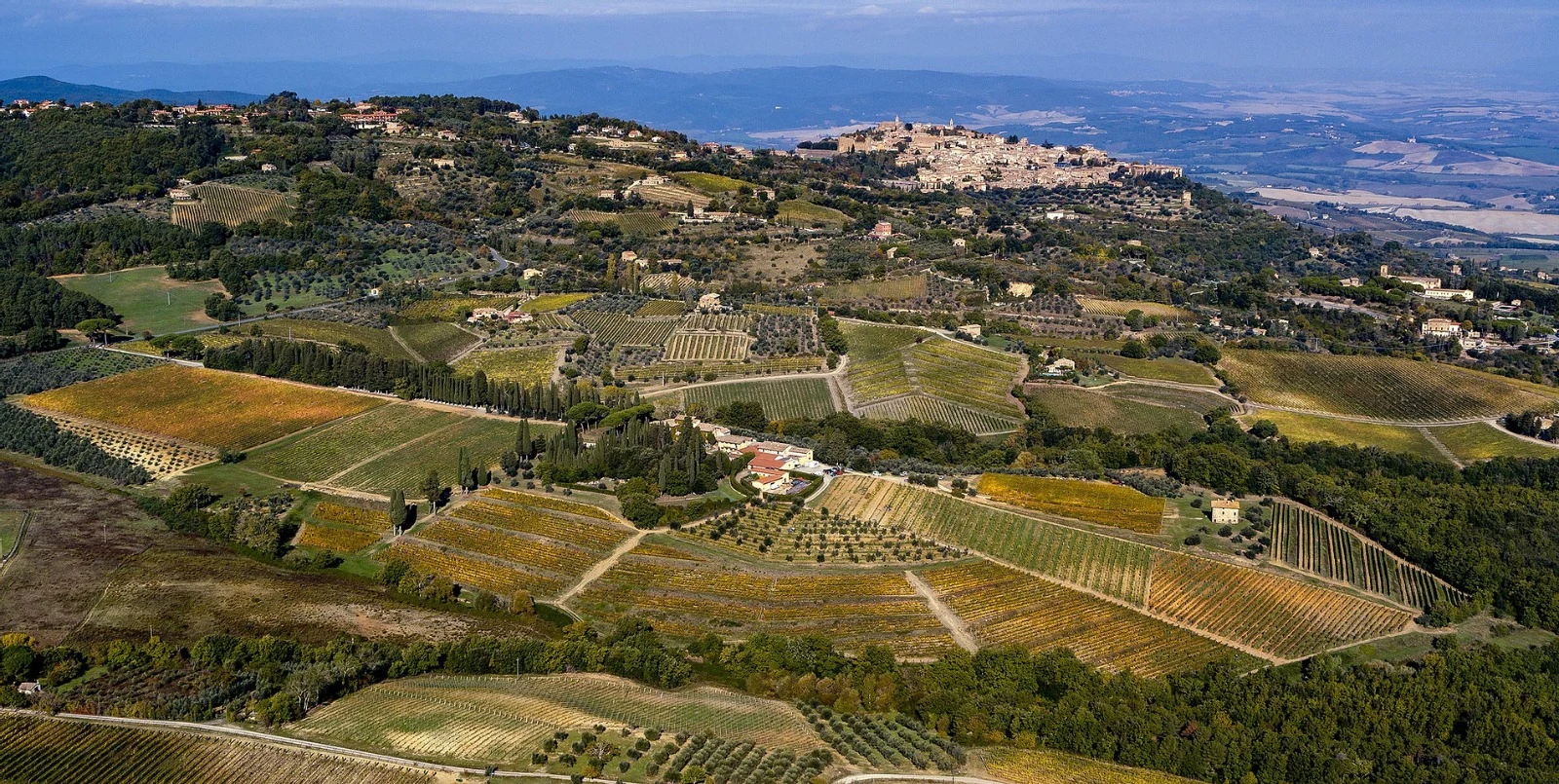
Pago de Larrainzar is a family-run boutique winery in Ayegui, set amid vines and centred on guided visits rather than a large visitor-centre model. Its strongest appeal is the combination of a modern, architect-designed cellar, a vineyard setting and an intimate style of explanation that connects nature, tradition, viticulture and winemaking. The result is a visit that feels rooted in its immediate surroundings: the estate, the vines and the cellar are not separate elements, but parts of the same story.
A winery where the vineyard sets the pace
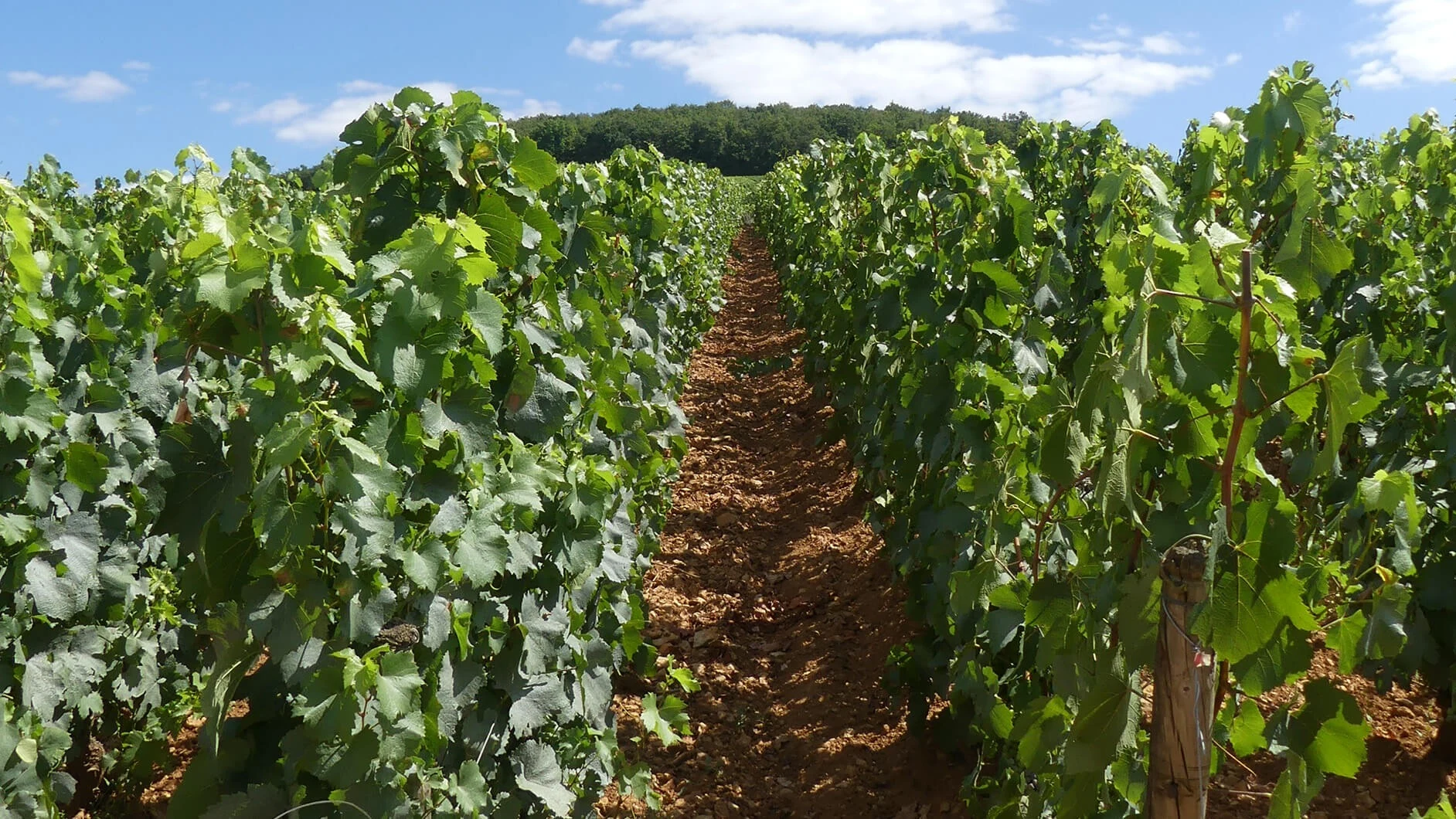
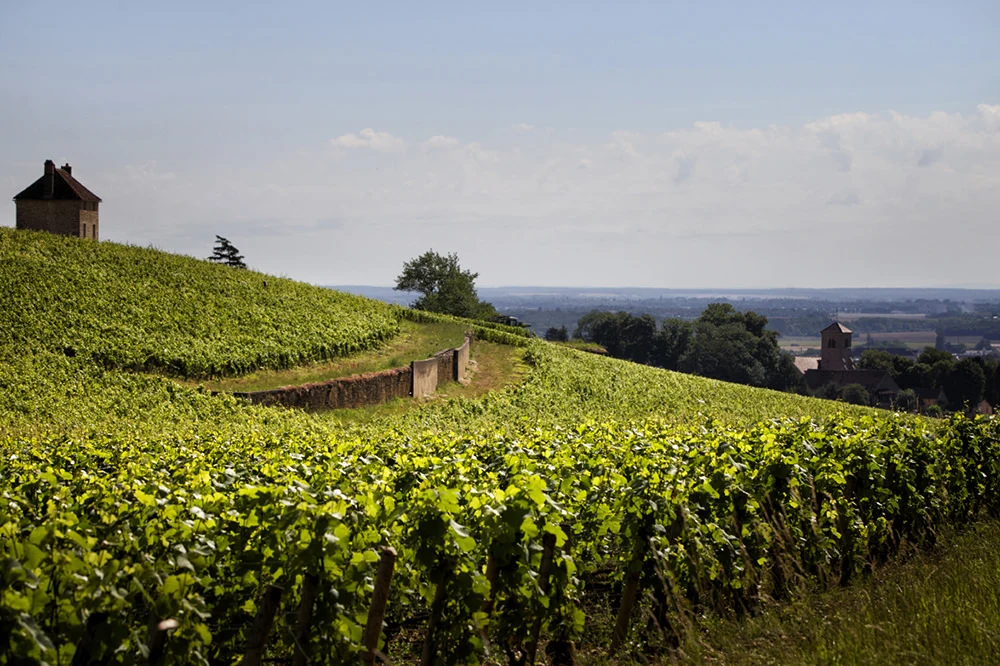
The most reliable way to understand Pago de Larrainzar is as a small-scale winery visit built around place. The description points to vines, a family-run setting and guided interpretation of how grapes are grown and wine is made. Rather than relying on claims about specific grapes, production volumes or bottlings, the page should be read as a concise guide to the visitor experience: a boutique winery in Ayegui where the vineyard remains central to the visit.
That vineyard focus gives the experience its rhythm. The visit is not presented as a detached tasting room stop, but as a way to understand how the landscape, the work in the vines and the cellar process connect. For visitors, that matters because it turns the winery from a simple destination into a context: the explanations have something visible and tangible around them, and the setting helps make the ideas easier to follow.
The tone is described by visitors as friendly, with explanations that are didactic without losing the intimacy of a family estate. That makes the experience a fit for travellers who want context and conversation around viticulture and winemaking rather than only a quick stop. It also suits visitors who appreciate a guided format where the human scale of the estate remains part of the appeal.
Pricing is listed as $12 per person, which gives the visit a clear planning anchor for travellers comparing winery experiences in and around Ayegui. In practical terms, that single listed price is one of the few concrete details available, so it is best used as a direct reference point rather than as a basis for wider assumptions about what may or may not be included.
The cellar is part of the argument, not a backdrop
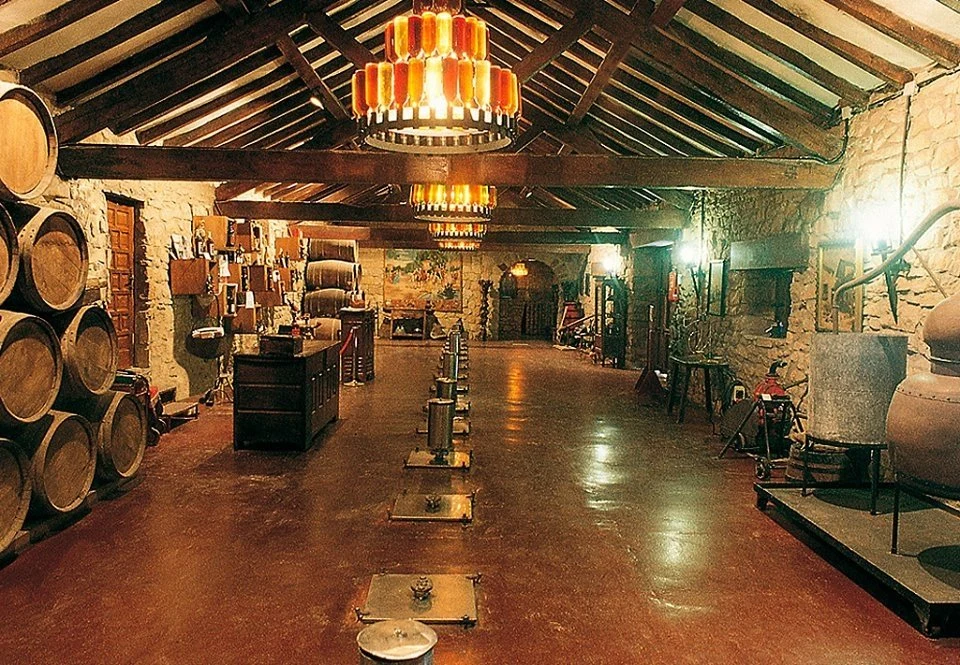
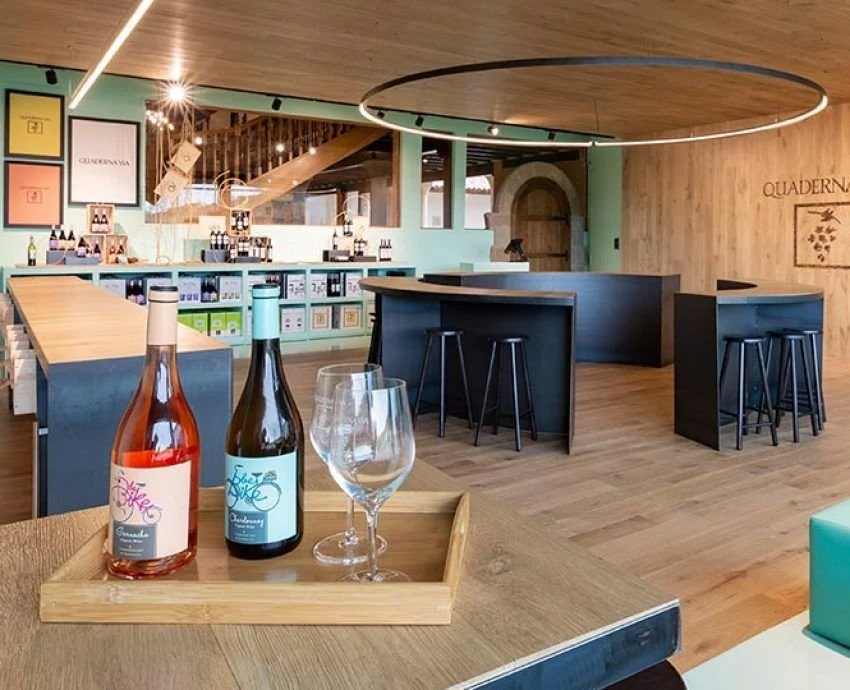
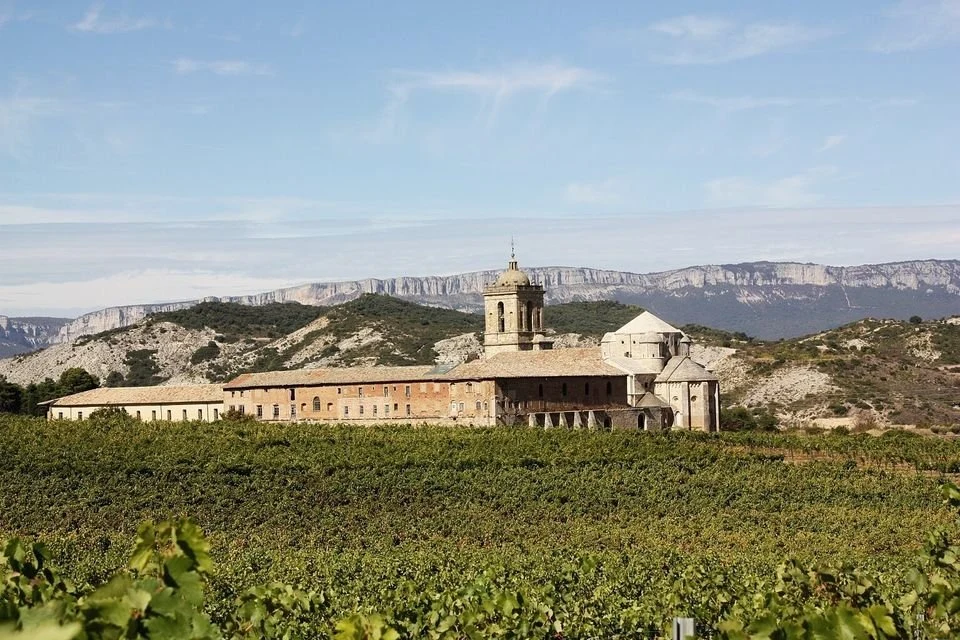
Pago de Larrainzar’s cellar is part of the appeal: it is modern and architect-designed, and it sits within the vineyard setting rather than feeling detached from it. The design detail matters because the visit is presented as an encounter with both landscape and winemaking, not simply as a room for pouring wine. In that sense, the building helps frame the experience, giving the guided explanations a contemporary physical setting while keeping the vines close to the centre of attention.
The hospitality format is based on guided visits with explanations of viticulture and winemaking. The information supports an intimate, educational experience that blends nature, tradition and cellar context, while avoiding unsupported specifics about languages, group formats, schedules or tasting structures. The value lies in the balance: visitors are given enough structure to understand the estate and the process, but the tone remains closer to a family-run introduction than to a large, standardized tour.
For travellers passing through Ayegui, the draw is the combination of vines, a contemporary cellar and a family-run atmosphere. It is best framed as a guided winery visit with a friendly tone, rather than as a page built on awards, scores or detailed production claims. That framing keeps expectations realistic and focuses attention on what is actually described: a place-led visit, a modern cellar and explanations that connect the vineyard with winemaking.
How to place it in an Ayegui visit
Pago de Larrainzar makes the strongest case for visitors interested in a boutique winery experience in Ayegui. Its strengths are direct: a family-run setting, a modern architect-designed cellar, vines around the property, guided explanations of viticulture and winemaking, and a listed price of $12 per person. Those elements make it especially easy to understand as a focused stop for travellers who want their winery visit to be personal, educational and grounded in the surrounding landscape.
For wider planning around town, use Our full Ayegui wineries guide, then build the rest of the stay through Our full Ayegui restaurants guide, Our full Ayegui hotels guide, Our full Ayegui bars guide and Our full Ayegui experiences guide. Other dining and travel options in Ayegui can be considered generically alongside a visit to Pago de Larrainzar. The key is to treat the winery as one carefully defined part of the itinerary: a guided encounter with vines, cellar and family-run hospitality, rather than a catch-all attraction trying to cover every kind of wine tourism.
For broader context, compare Pago de Larrainzar with other winery visits generically, while keeping the Ayegui visit focused on its strengths: an intimate guided format, a vineyard setting and a modern cellar. That comparison is most useful when it stays at the level of visit style, because the available information supports a clear picture of atmosphere and format, not a detailed ranking of wines, services or extras.
Questions
Frequently asked
How expensive is Pago de Larrainzar?
Pago de Larrainzar is listed at a price level of $$.
The field
How it compares
| Place | Notes |
|---|---|
| Pago de Larrainzar | Ayegui, $$ |
| Biondi-Santi Tenuta Greppo | Montalcino |
| Bodegas Irache | Ayegui |
| Bodegas Quaderna Via | Ayegui |
| Champagne Salon | Le Mesnil-sur-Oger |
| Domaine Bonneau du Martray | Pernand-Vergelesses |
| Domaine Denis Mortet | Gevrey-Chambertin |