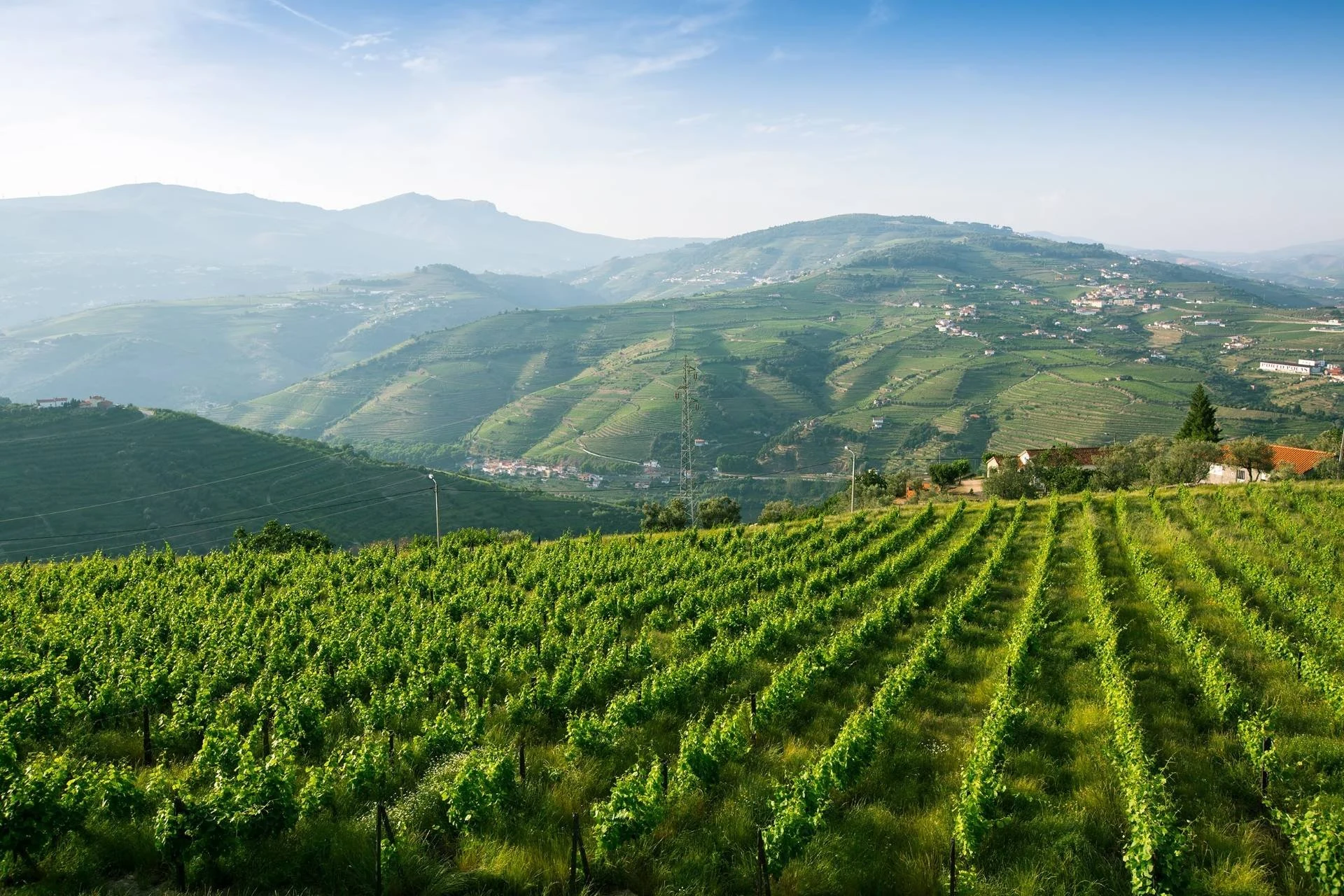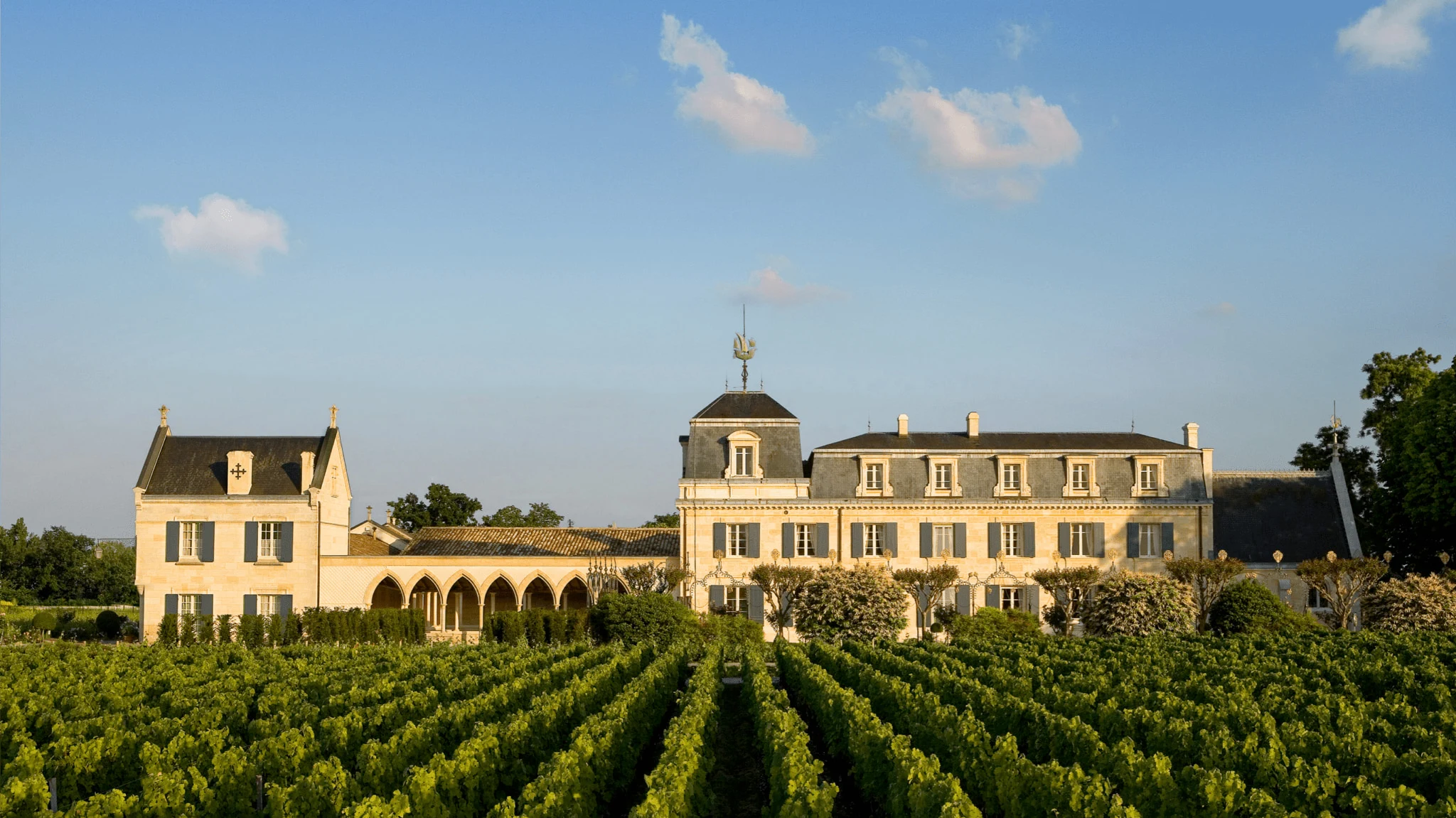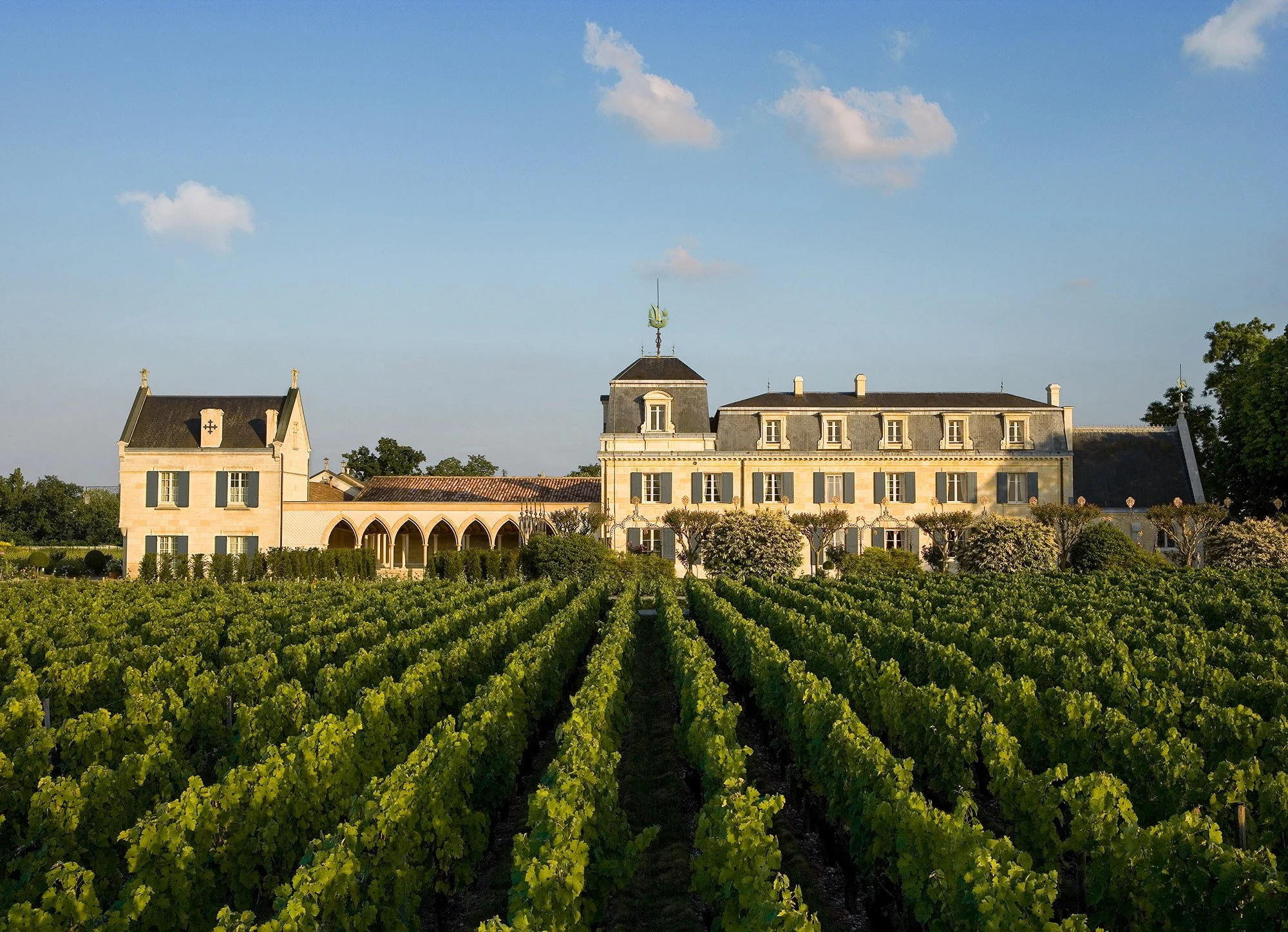
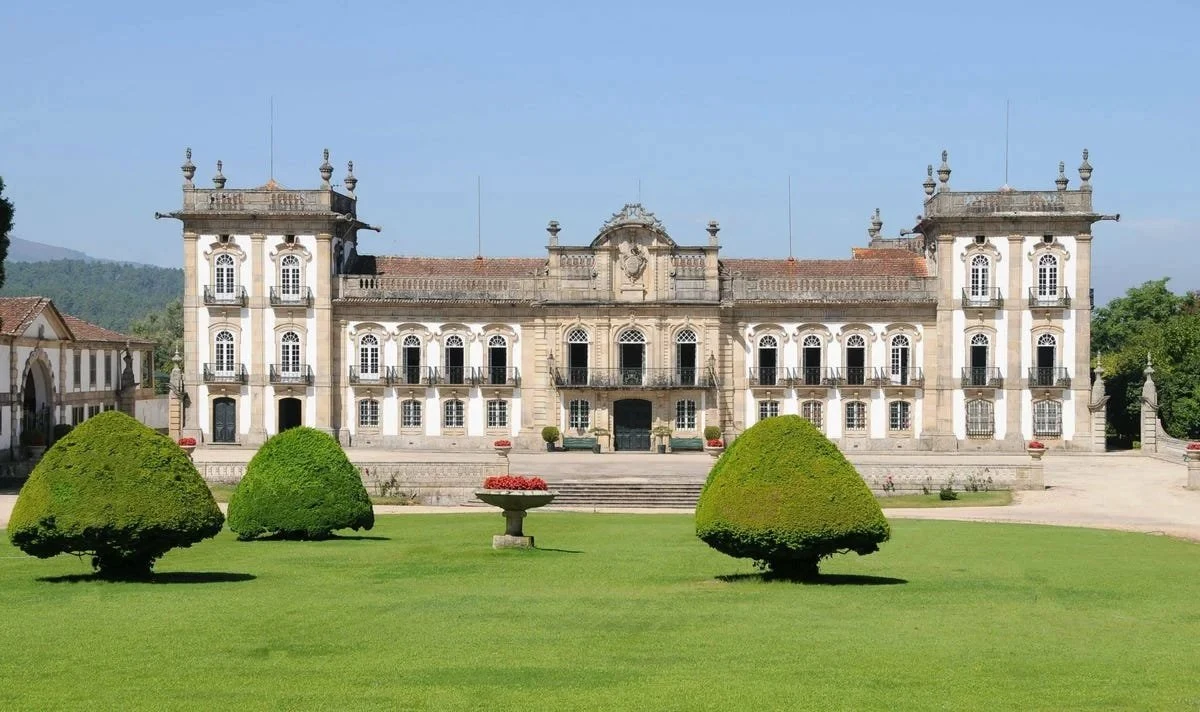
Palácio da Brejoeira sits in the Monção sub-region of Vinho Verde, where granite soils and Atlantic humidity produce some of Portugal's most site-specific white wines. Holder of a Pearl 2 Star Prestige award (2025), it represents the upper tier of estate visits in the Minho. Visitors encounter a working quinta with centuries of agricultural and architectural history layered into the landscape.
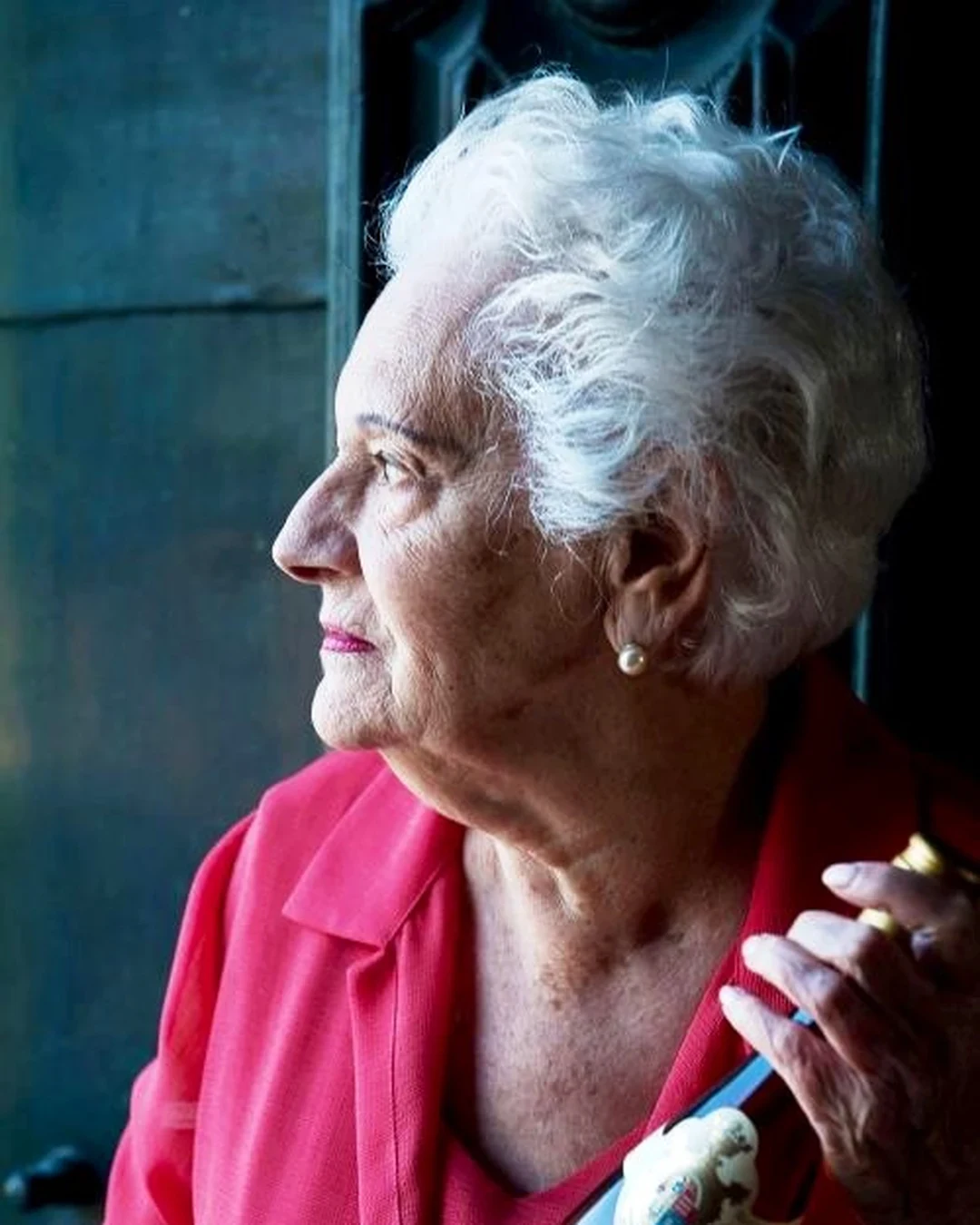
<h2>Where Granite and Atlantic Air Shape the Glass</h2><p>The far northwest corner of Portugal operates by different logic than the warm, cork-oak plains of the Alentejo or the schist terraces of the Douro Valley. In Monção, rain arrives from the Atlantic in volume, temperatures stay moderate year-round, and the soils are predominantly granitic. That combination produced a wine culture built around aromatic whites that carry a structural tension rarely found elsewhere in Portugal. Palácio da Brejoeira sits inside that tradition at its most architecturally and agriculturally concentrated form, on a quinta whose grounds read less like a commercial winery and more like a self-contained estate from another era.</p><p>Approaching along the roads that run parallel to the Minho River, the estate announces itself through walls and gated formal entries typical of the Baroque manor tradition in the Minho. The palace building itself dates to the eighteenth and nineteenth centuries, a period when the landed families of northern Portugal constructed residences that combined residential grandeur with working agricultural function. That dual purpose persists. This is not a heritage site frozen in amber; it is a producing estate where the built environment and the vineyards remain in practical conversation with each other.</p><h2>The Terroir Case for Monção</h2><p>Vinho Verde covers a large and varied swath of the Minho region, and its sub-appellations express meaningfully different soil profiles and microclimates. The Monção and Melgaço sub-region, tucked against the Spanish border where the Minho valley narrows and elevations increase slightly, is the home of Alvarinho as a fine-wine proposition. Elsewhere in the Vinho Verde DOC, Loureiro and Arinto-dominated blends often emphasize freshness and relatively early drinking; in Monção and Melgaço, Alvarinho produces wines with more body, aromatic complexity, and aging potential. The granite subsoil drains well but retains enough mineral presence to leave a signature in the wine.</p><p>That mineral character, combined with yields that growers in the sub-region tend to keep lower than the broader Vinho Verde average, creates conditions for wines that hold together across several years in bottle. This is one reason Palácio da Brejoeira operates as a reference point within the sub-region: the estate's long agricultural history and the Alvarinho variety's specific relationship with this granite corridor are not separable. The wine expresses where it comes from in terms a drinker can trace back to the land itself.</p><p>For Portuguese wine in an international frame, the Monção Alvarinho occupies a niche analogous to the way that single-estate, terroir-specific whites assert themselves against the broader categories they nominally belong to. Where estates like <a href="https://www.enprimeurclub.com/wineries/herdade-do-esporao-reguengos-de-monsaraz-winery">Herdade do Esporão in Reguengos de Monsaraz</a> or <a href="https://www.enprimeurclub.com/wineries/adega-cartuxa-fundacao-eugenio-de-almeida-evora-winery">Adega Cartuxa in Évora</a> argue for the Alentejo's capacity for serious, structured reds and whites, Palácio da Brejoeira makes a parallel case for the northwest's ability to produce age-worthy whites rooted in a specific geography.</p><h2>The Estate in Context</h2><p>Portugal's wine tourism infrastructure has expanded considerably over the past two decades, with estates from the Douro to the Alentejo investing in visitor facilities, hospitality programs, and architectural renovation. Properties like <a href="https://www.enprimeurclub.com/wineries/quinta-do-vallado-peso-da-regua-winery">Quinta do Vallado in Peso da Régua</a>, <a href="https://www.enprimeurclub.com/wineries/quinta-do-bomfim-pinhao-winery">Quinta do Bomfim in Pinhão</a>, and <a href="https://www.enprimeurclub.com/wineries/quinta-do-seixo-sandeman-douro-valley-tabuaco-winery">Quinta do Seixo in Tabuaço</a> have set a template for how Douro estate visits integrate architecture, landscape, and wine education. The Minho has followed with its own distinct approach, where the palette shifts from schist terracing and heat to granite walls, green canopy, and cooler breezes off the Atlantic.</p><p>Palácio da Brejoeira occupies a distinct tier within that broader Portuguese estate landscape. Its Pearl 2 Star Prestige recognition in 2025 places it in a category that reflects both the quality of the wine program and the depth of the estate experience. That positioning separates it from the many cooperative and volume-driven producers that still dominate numerically within the broader Vinho Verde DOC. The estate's position is more selective than the broader mid-market that accounts for most exported Vinho Verde.</p><p>For comparison, the range of Portuguese wine heritage extends from fortified specialists like <a href="https://www.enprimeurclub.com/wineries/blandys-wine-lodge-funchal-winery">Blandy's Wine Lodge in Funchal</a> and <a href="https://www.enprimeurclub.com/wineries/churchills-vila-nova-de-gaia-winery">Churchill's in Vila Nova de Gaia</a> to still-wine estates with deep agricultural histories such as <a href="https://www.enprimeurclub.com/wineries/bacalhoa-vinhos-azeitao-winery">Bacalhôa Vinhos in Azeitão</a> and <a href="https://www.enprimeurclub.com/wineries/adega-regional-de-colares-colares-winery">Adega Regional de Colares</a>. Palácio da Brejoeira contributes the Minho's specific granite-and-Atlantic argument to that national conversation.</p><h2>What the Visit Offers</h2><p>The estate's appeal operates on two registers simultaneously. First, there is the architectural and landscape experience: the palace, the formal gardens, and the agricultural infrastructure of a working quinta in the Baroque Minho tradition. Few estates in the Vinho Verde region carry this density of built heritage while remaining actively productive. Second, there is the wine itself, led by Maria Hermínia d'Oliveira Paes, which gives the visit intellectual content that extends beyond tourism. Alvarinho from Monção, tasted on the estate that helped define its contemporary reputation, offers a direct reading of terroir that tasting the same wine in a restaurant or retailer cannot replicate.</p><p>Monção is accessible from Viana do Castelo and from across the border at Salvaterra de Miño in Galicia, which makes the estate a natural stop for visitors combining Portuguese and Spanish wine country. The broader area around Monção and Melgaço rewards unhurried exploration, with the Minho River providing a natural boundary and a scenic corridor between the two sub-regions. Timing visits for the shoulder seasons, spring and early autumn, typically avoids the warmest summer temperatures and provides the clearest views of the valley.</p><p>For travelers building a comprehensive Portuguese wine itinerary, the northwest's distinctive character merits dedicated time rather than a single afternoon stop. Estates like <a href="https://www.enprimeurclub.com/wineries/alianca-vinhos-sangalhos-winery">Aliança Vinhos in Sangalhos</a> or <a href="https://www.enprimeurclub.com/wineries/casa-de-santar-nelas-winery">Casa de Santar in Nelas</a> represent the Dão and Bairrada register of the country's interior; Palácio da Brejoeira anchors the entirely different northern Atlantic register. Neither substitutes for the other.</p><h2>Planning Your Visit</h2><p>Monção sits in the far north of Portugal's Minho province, roughly equidistant from Viana do Castelo to the south and the Galician city of Vigo to the north. The estate address is Quinta da Brejoeira, 4950-660.</p><p>The estate holds a Pearl 2 Star Prestige award for 2025. The Pearl designation reflects a combined assessment of wine quality and estate experience, placing Palácio da Brejoeira in a tier that rewards an extended visit.</p>
The estate reads as formal and historical rather than casual or contemporary. The neoclassical palace, enclosed gardens, and granite architecture place you firmly inside Portugal's landed wine tradition — closer to a Douro solar than a modern tasting room. The Pearl 2-Star Prestige recognition (2025) signals a visit calibrated to serious wine interest alongside heritage tourism.
Palácio da Brejoeira is located at Quinta da Brejoeira, 4950-660, Monção.
Palácio da Brejoeira has received recognition including: Pearl 2 Star Prestige (2025).
Brejoeira is one of the reference producers in the Monção e Melgaço sub-appellation, where Alvarinho grown on granite soils produces wines with more structural weight and aromatic precision than the broader Vinho Verde designation typically delivers. The Atlantic influence from the northwest and the proximity to the Minho river contribute to the estate's distinct expression of the grape.
The estate's clearest strength is the convergence of architectural heritage and single-appellation Alvarinho production. Few estates in the Minho combine a classified palace, formal gardens, and a wine identity this closely tied to a specific sub-appellation terroir. The Pearl 2-Star Prestige award (2025) positions it among Portugal's credentialed wine tourism destinations.
Given its standing as a Pearl 2-Star Prestige estate and the limited visitor infrastructure typical of heritage wine properties in the Minho, booking ahead through official channels is advisable rather than arriving without prior contact. Monção sits in Portugal's far northwest, roughly accessible from Viana do Castelo to the south and Vigo across the Spanish border, so coordinating your visit in advance is practical regardless.
Quinta da Brejoeira, 4950-660
Monção