
- Falstaff Winery - Listed · 2026
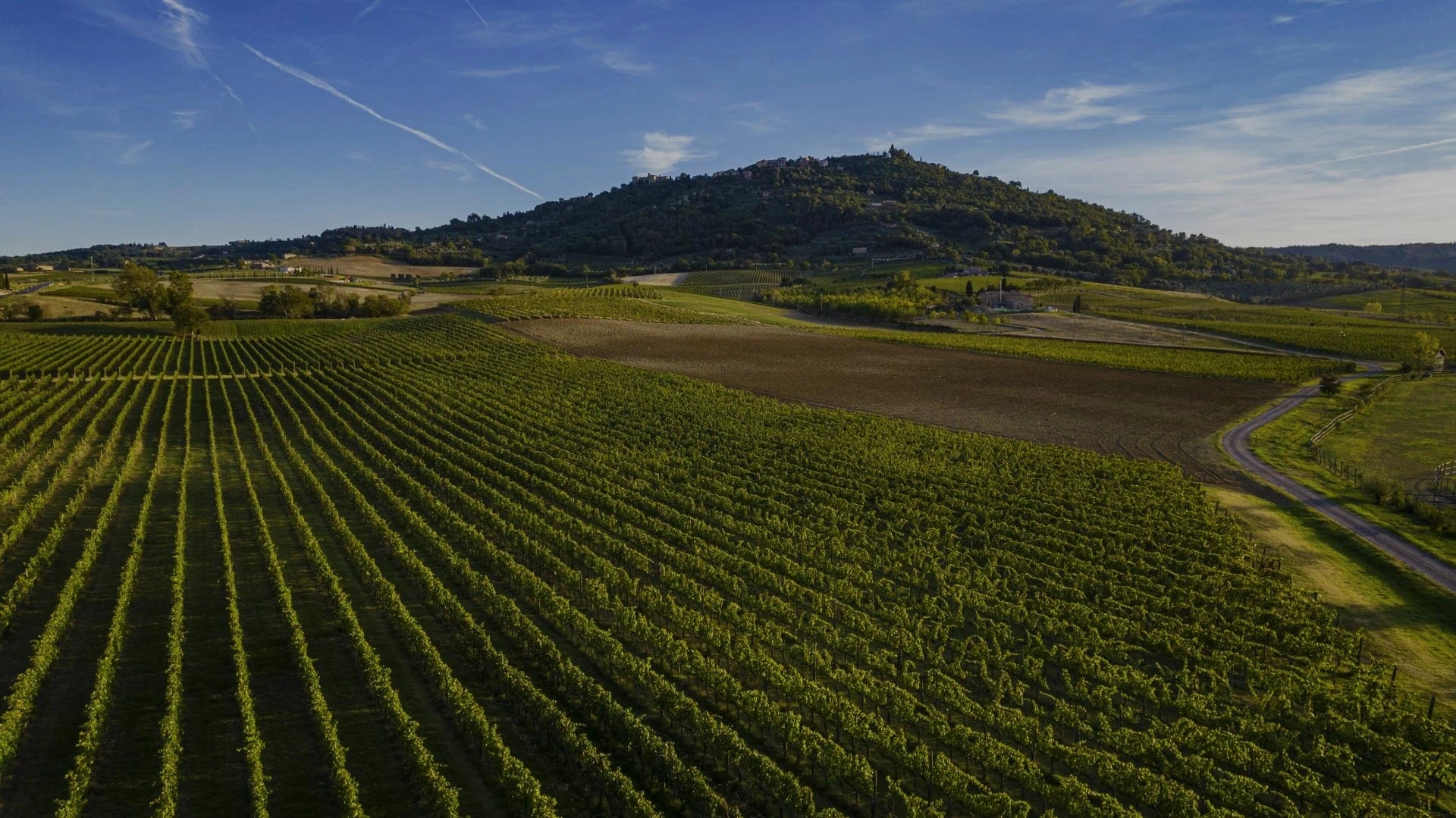
The approach to this estate is less cellar door than full Tuscia composition: vineyards, garden sculpture, tuff architecture, and the quieter rural light of the Lazio-Umbria border. Paolo e Noemia D'Amico belongs to the wine-destination category increasingly important around Rome, where serious tastings are no longer confined to barrel rooms and retail counters. Here, the land does more than produce grapes: it sets the visual grammar, architectural mood, and argument in the glass.
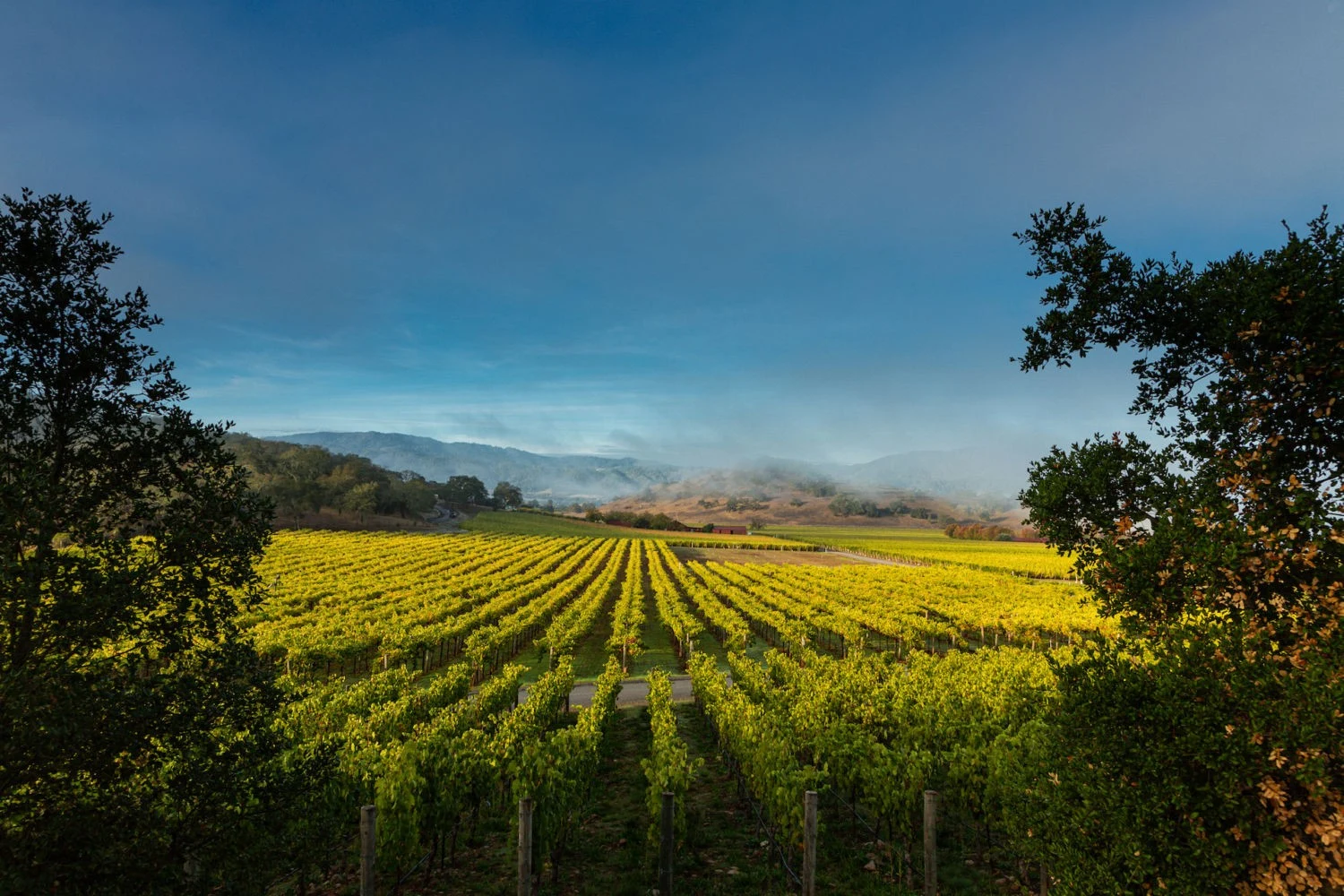
That argument begins with volcanic ground. The vineyards sit in the Tuscia orbit, near the Calanchi Valley and roughly 450 meters above sea level, where tuff and volcanic soils give the estate a distinct central Italian identity. This is not the expected Roman story of easy-drinking pours before a long lunch. The estate uses organic farming and a compact set of varieties, Cabernet Franc, Chardonnay, Merlot, Pinot Noir, and Grechetto, placing French grapes in a landscape shaped by Etruscan history, badlands, and mineral-rich earth.
Volcanic Tuscia gives French varieties a central Italian accent
Rome’s wine conversation is often pulled between urban aperitivo culture and historic rural production. This estate sits closer to the second camp, with hospitality more polished than the average countryside tasting. Its approximately 30 to 31 hectares support a defined estate identity without feeling industrial. Organic production is the central farming signal, and the portfolio is focused rather than sprawling.
The best-documented bottle is Atlante, a 100% Cabernet Franc under the IGP Umbria designation. Its production details show an ambitious, structured house style: 15 months in French oak barrels, 70% new oak, then about 15 months in bottle. That regime places the wine beyond casual cellar-door pours and explains why the estate reads as a premium hospitality project rather than a simple tasting stop. At 14.00% alcohol, with service guidance at 18°C, Atlante is framed for the table, especially with red meat, roast, game, and cheese.
Cabernet Franc clarifies the estate’s position. Rather than chase a purely local-grape identity, the project treats international varieties as instruments for expressing Tuscia’s volcanic, tuff-based terrain. Chardonnay, Merlot, Pinot Noir, and Grechetto broaden the vocabulary, but the pattern holds: familiar grapes, central Italian geology, and a house style favoring structure, ageability, and setting over novelty.
The cellar and sculpture garden make terroir visible
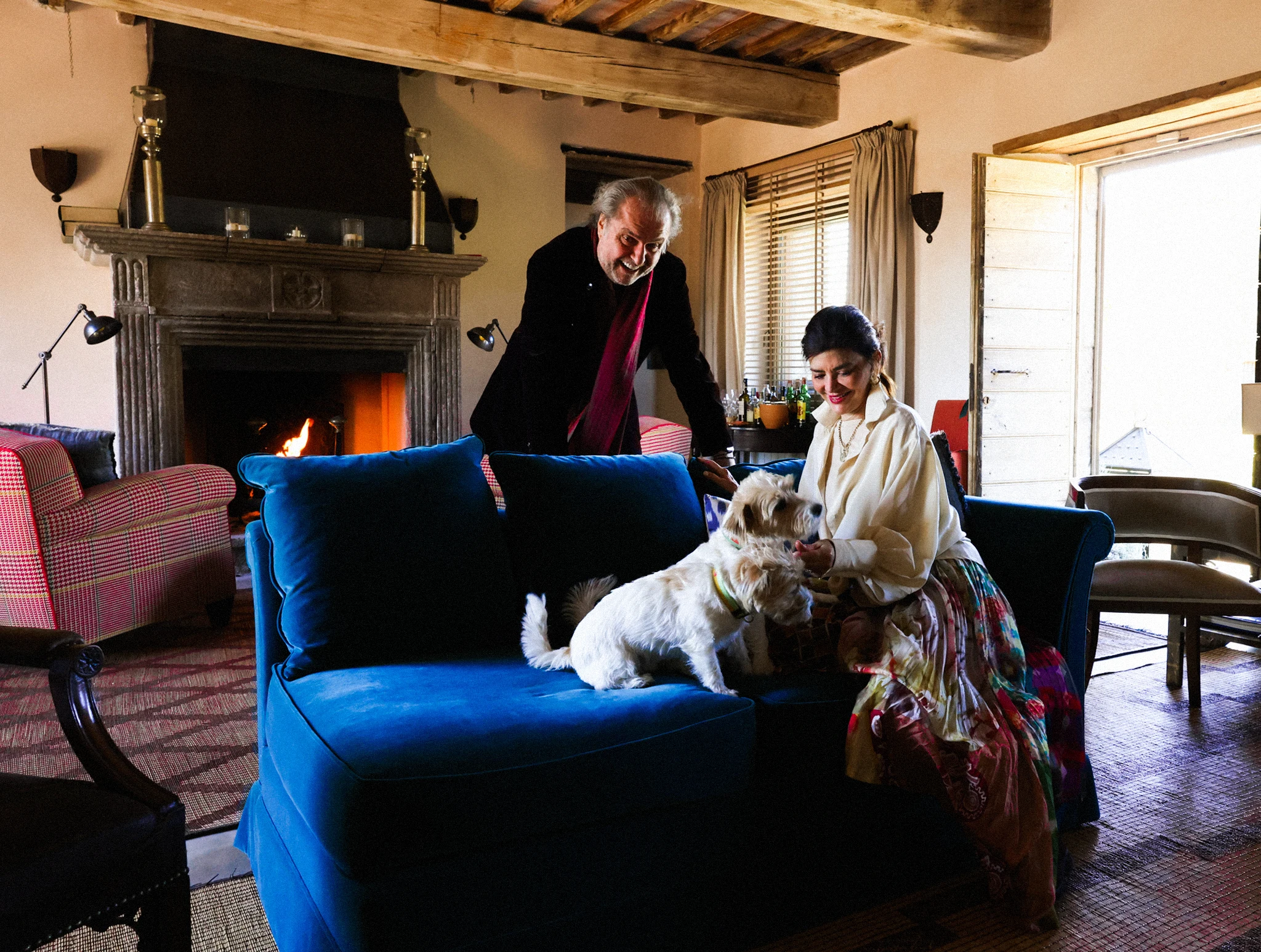
The hospitality model matters because it turns soil and place into a physical experience. The cellar, created with architect Luca Brasini and shaped from tufo rock, sits beneath a hanging garden with arches, a library-like atmosphere, and a tasting room among vintages spanning 30 years. Classical music is part of the aging environment, a detail that could feel ornamental elsewhere but here fits the wider presentation of wine, architecture, and art as one continuum.
The garden carries that logic above ground. Contemporary works associated with Anish Kapoor, Banksy, and Richard Hudson place the estate in the art-led end of Italian wine tourism, where the visit is structured around movement through landscape as much as tasting notes. The effect is not a museum pasted onto a winery. It is a cultivated estate experience, where sculpture, cellar depth, and volcanic geology slow the guest’s attention before the wines are poured.
This is why Paolo e Noemia D'Amico belongs in Rome’s broader wine itinerary, even though its strongest identity lies beyond the city’s restaurant circuit. Travellers building a wine-focused stay can use Our full Rome wineries guide as the starting point, then balance the countryside with city dining from Our full Rome restaurants guide, hotel planning through Our full Rome hotels guide, and evening drinking from Our full Rome bars guide. For wine as part of a wider cultural schedule, Our full Rome experiences guide gives the city-side counterpoint.
Who this estate suits, and how to read its ambition
The estate opened in 1985 as a family wine project and has become a hybrid of winery, private tasting venue, garden, and small hospitality estate. That evolution matters in 2026 because premium wine tourism is no longer judged only by cellar access. Strong properties now compete through context: farming method, architectural discipline, art program, and the ability to show why a wine could not have come from anywhere else.
Paolo and Noemia d'Amico’s project is strongest for travellers who want the full setting. The mood is quiet and smart casual, with guided and private tastings in Italian and English, typically lasting 1.5 to 2.5 hours. The estate is built for more than a quick pour, with eight suites, four lounges, a heated swimming pool, a Turkish steam bath, a tennis court, outdoor spaces, on-site parking, and a dog-friendly policy. Those details push it toward a slow-format wine day rather than a stop between monuments.
Recognition is not built around named international trophies or score chasing. The stronger trust signals are structural: organic vineyards, roughly three decades of estate vintages in the tasting environment, an award-winning organic portfolio, and a Winedering 5 rating from a single guest review. The review sample is small, but the measurable signals fit the estate’s identity as a design-conscious, regionally anchored wine destination.
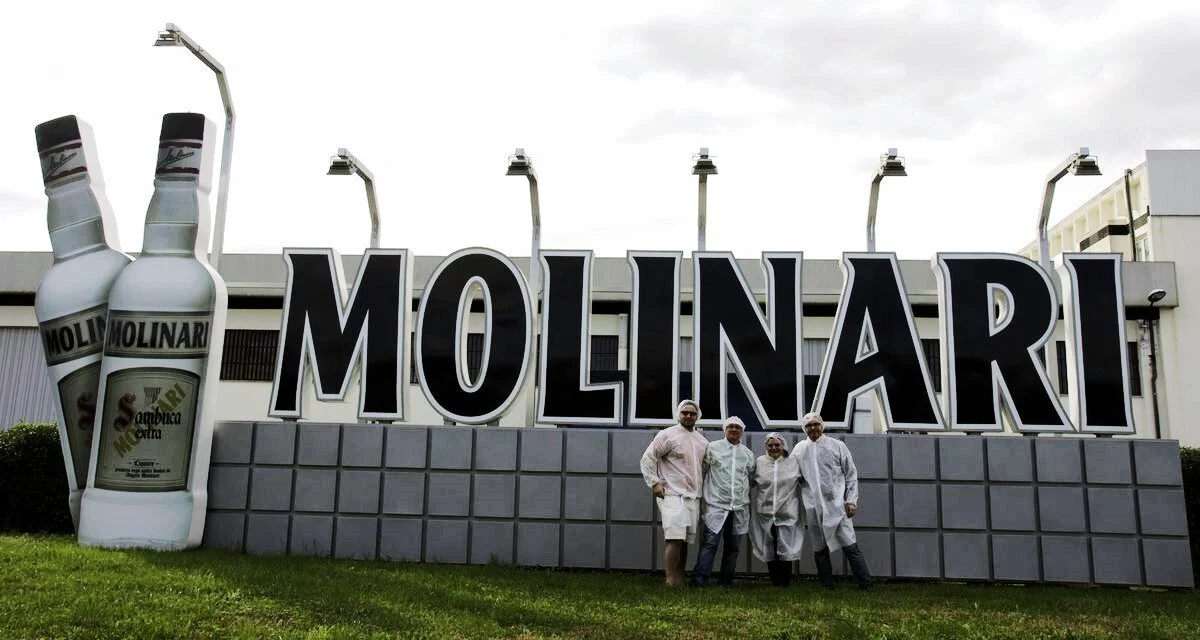
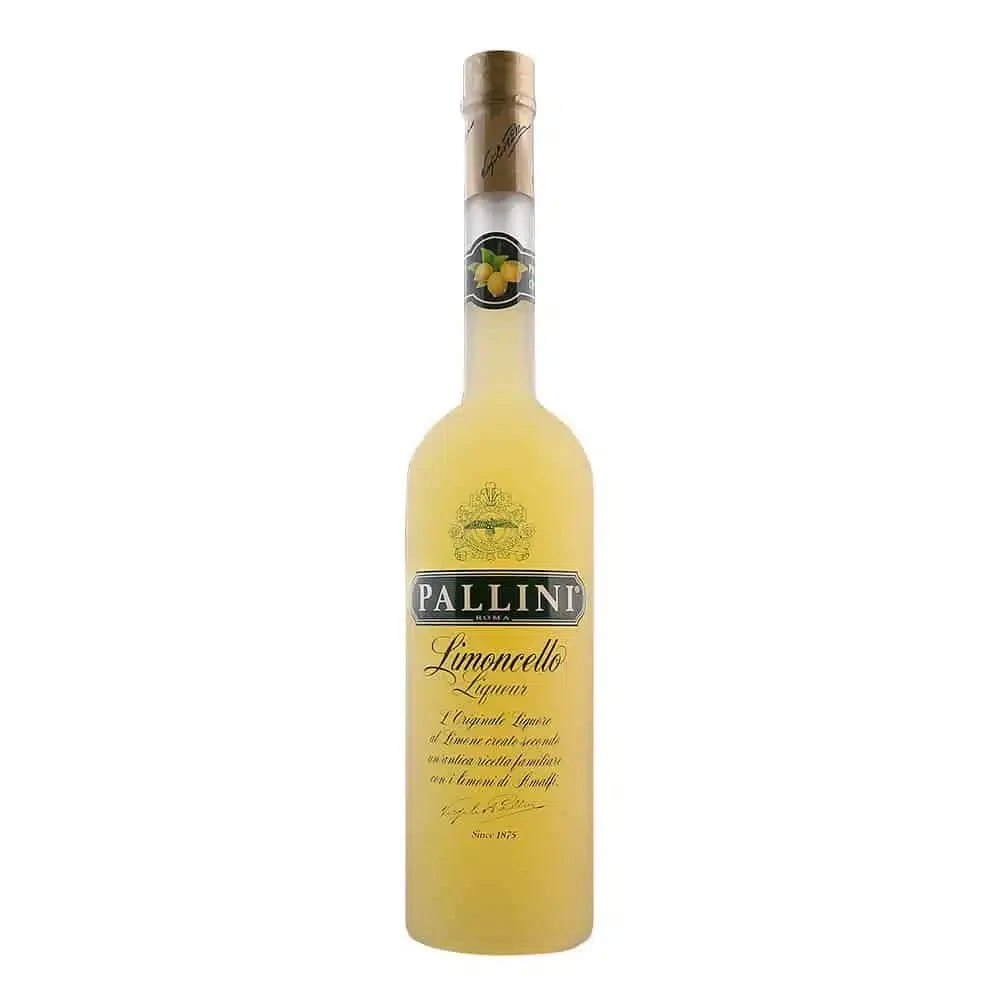
Readers mapping a wider Italian wine route from Rome may also want to cross-reference Molinari, Pallini, Tenuta di Fiorano, and Tenuta Principe Alberico for other Rome-area wine references. For a broader European cellar map, the archive also includes 3GP SRL in Treviso, 47 Anno Domini in Trebaseleghe, A Mano Wine in Noci, a6mani in Fragagnano, »der Steiner« Hans Steiner in Podersdorf am See, and & Handwein in Mannheim.
The critical read is simple: this is a terroir-led estate wrapped in art-hospitality language. Go for the way volcanic Tuscia reframes French varieties, the tufo cellar, and a tasting format that makes landscape part of the glass. It is less suited to travellers seeking a casual urban wine bar and better suited to those wanting a composed wine estate with enough architecture, vineyard context, and cellar depth to justify a dedicated half-day.
Questions
Frequently asked
Who works at Paolo e Noemia D'Amico?
Made By profiles Noemia d'Amico (Winemaker) and Paolo d'Amico (Winemaker) at Paolo e Noemia D'Amico.
How expensive is Paolo e Noemia D'Amico?
Paolo e Noemia D'Amico is listed at a price level of $$$.
The field
How it compares
| Place | Notes |
|---|---|
| Paolo e Noemia D'Amico | Tuscia, $$$ |
| Molinari | Rome |
| Pallini | Rome |
| Screaming Eagle | Napa |
| Tenuta di Fiorano | Rome |
| Tenuta Principe Alberico | Rome |
| Valdicava | Montalcino |