Passage 53
- 01CuisineModern French-Japanese Fusion
- 02CityParis, France
From the people index
Recommended by
One trusted voice points here.
A Nineteenth-Century Passage and What It Means to Dine Inside One
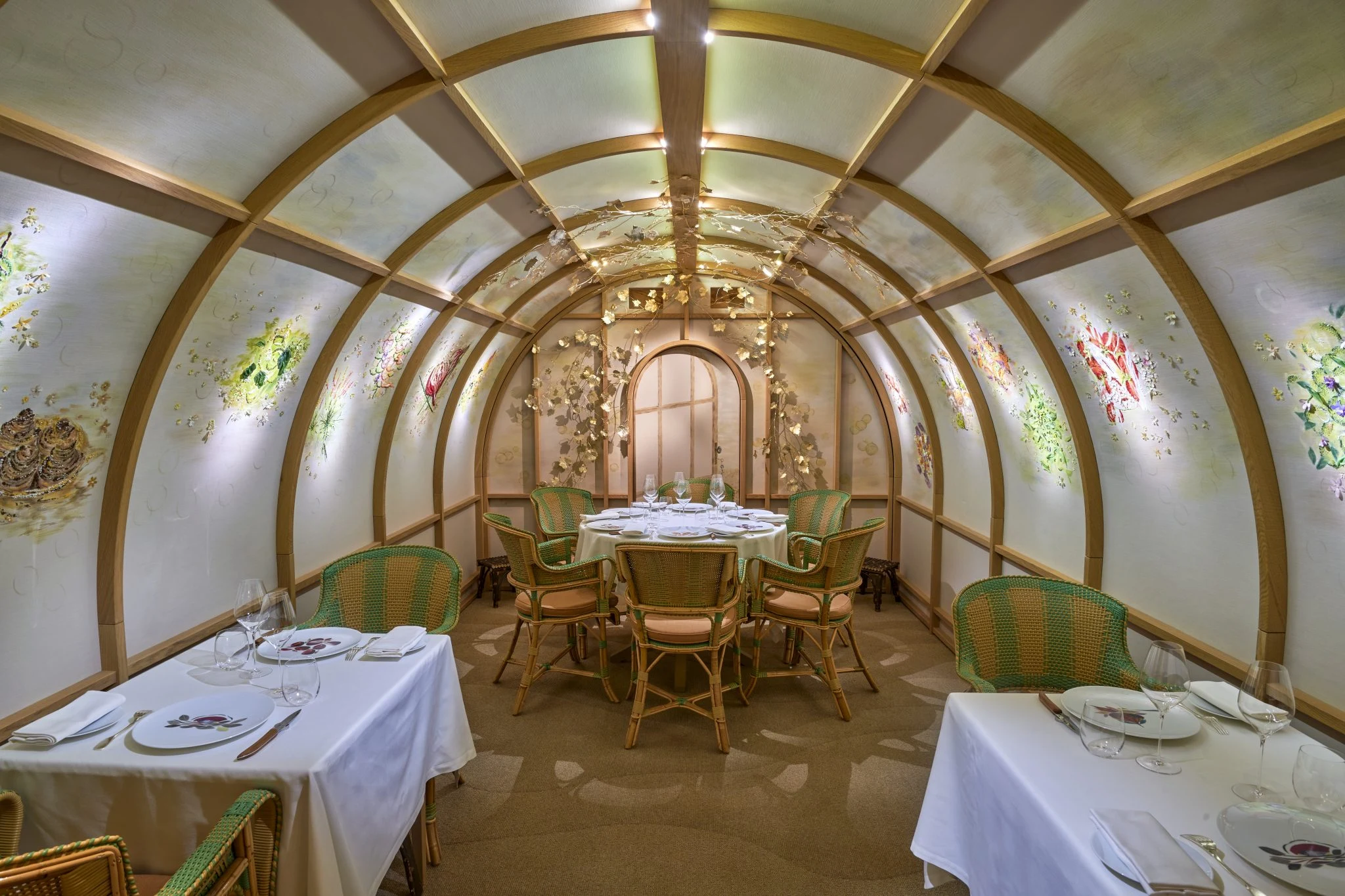
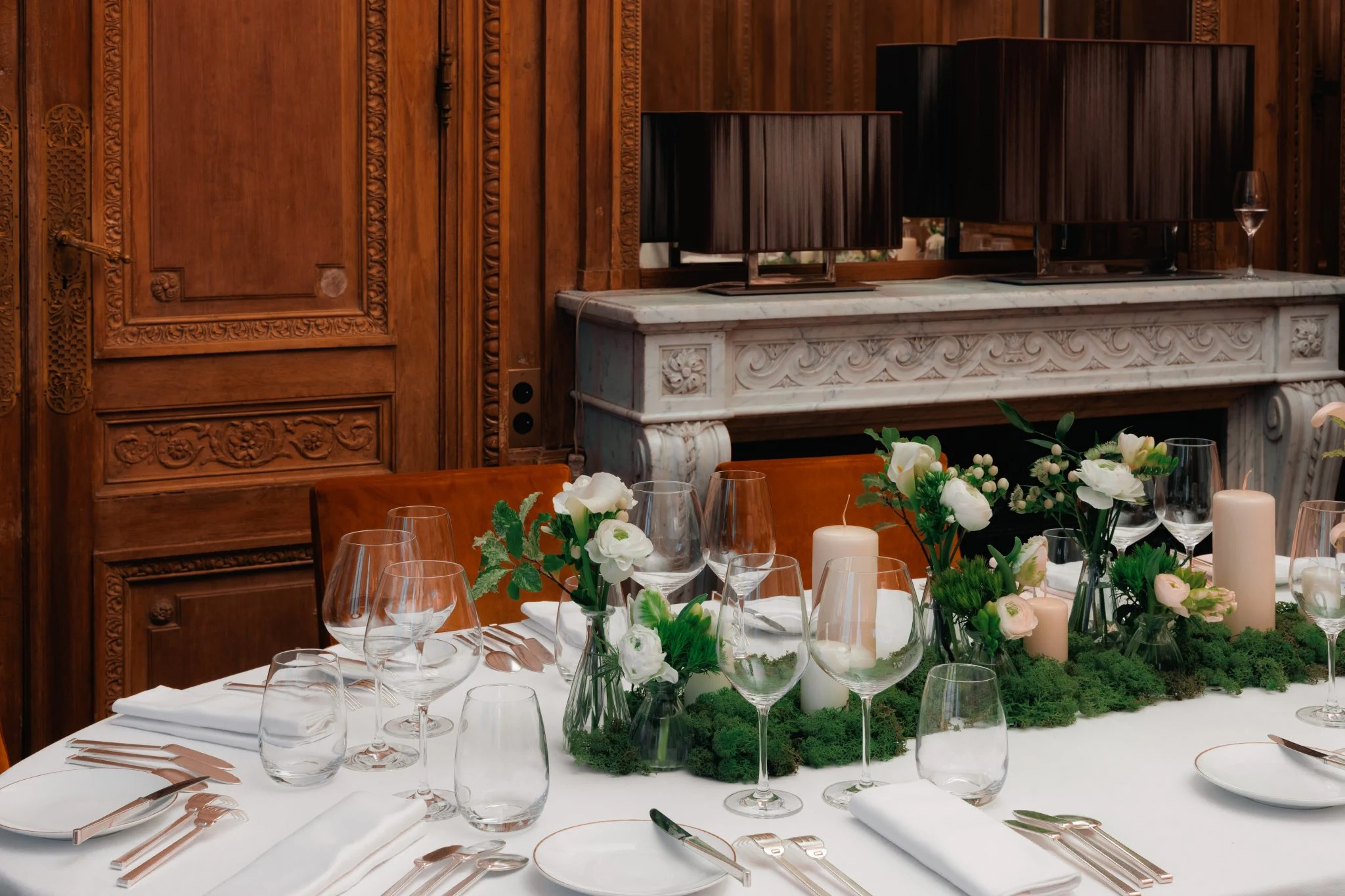
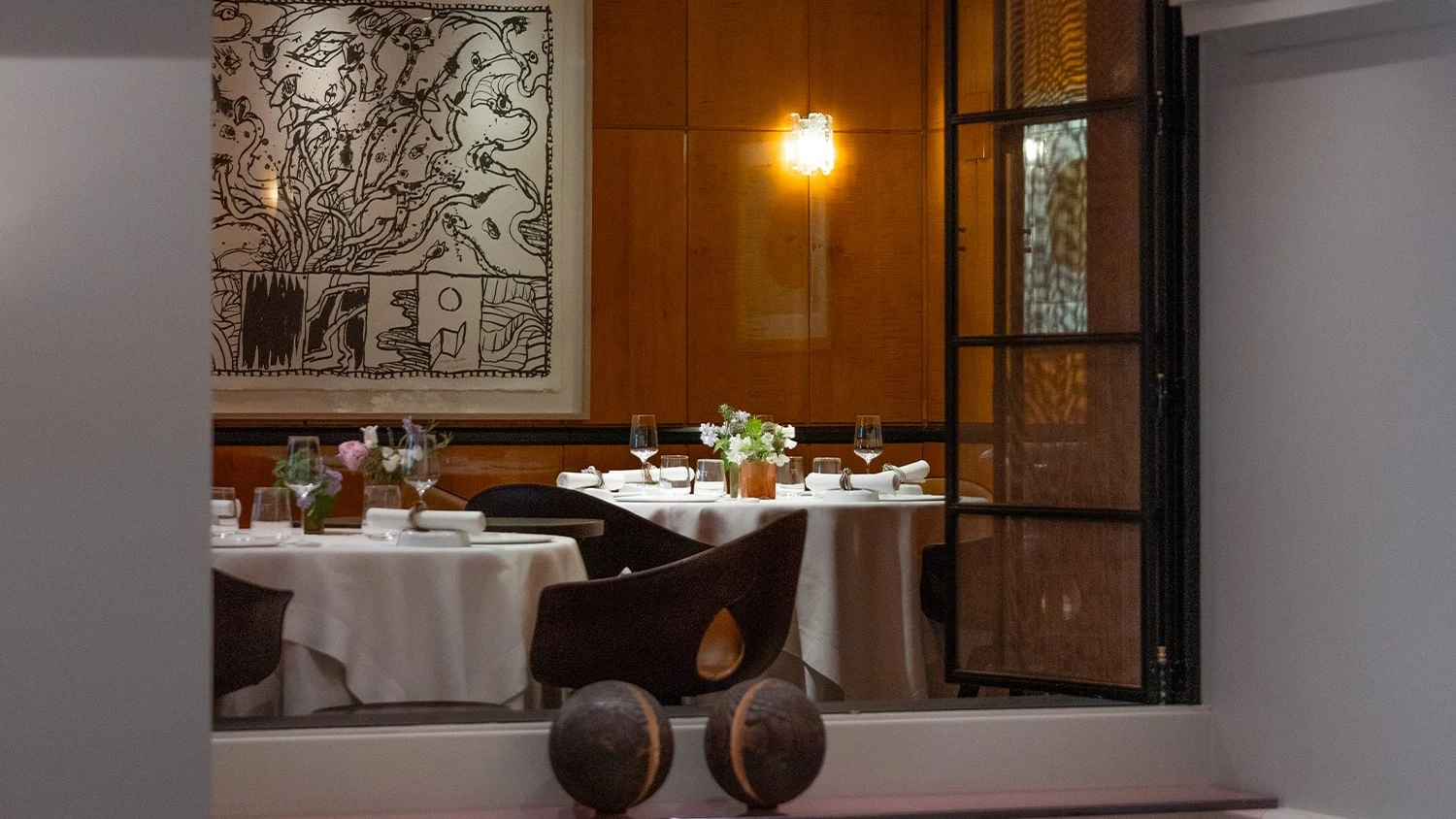
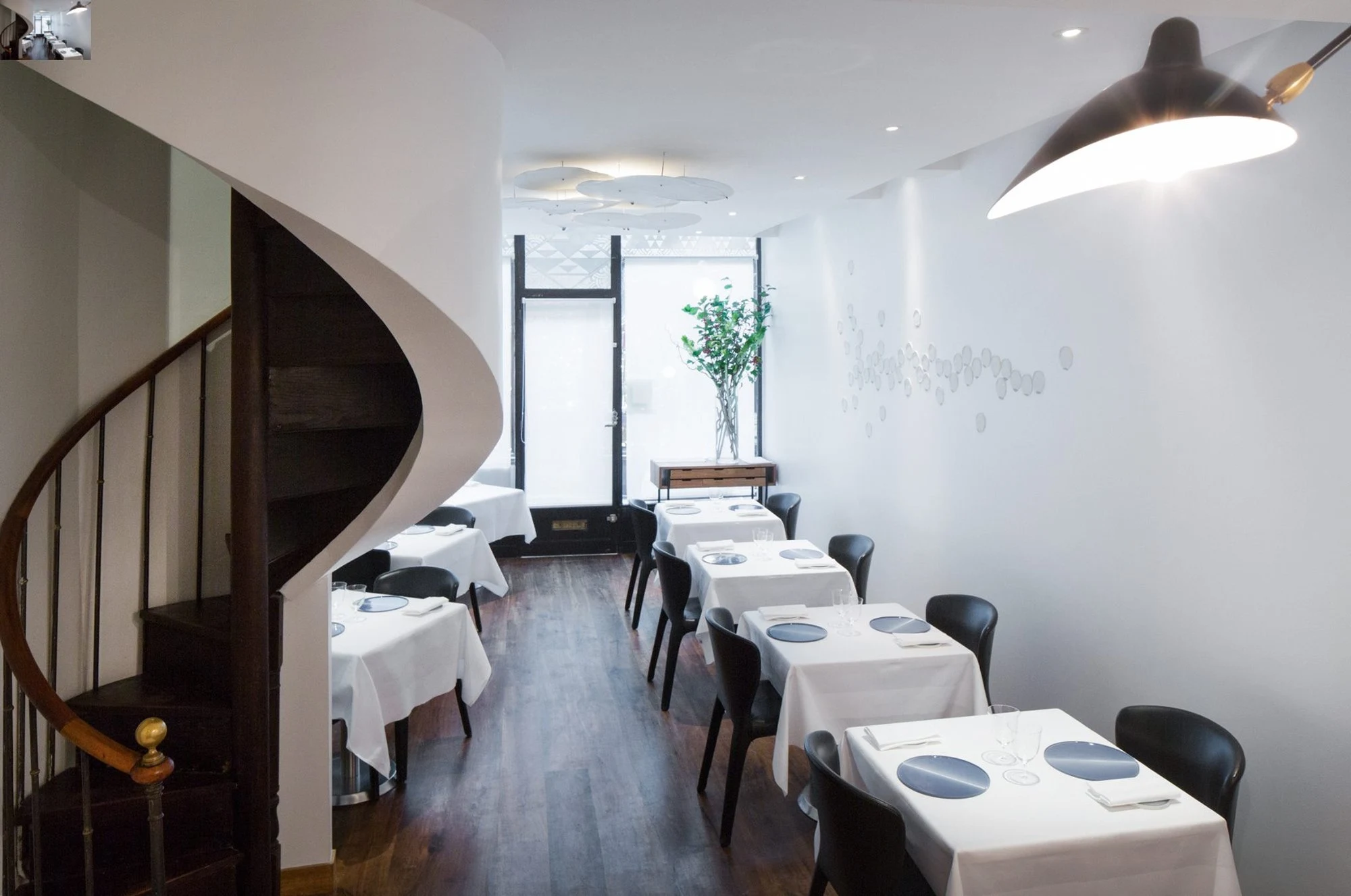
Passage 53 is a restaurant in Paris's 2nd arrondissement, serving Modern French-Japanese Fusion and priced at about $155 per person. The Passage des Panoramas opened in 1799, making it the oldest surviving covered arcade in Paris. Long before Haussmann rationalised the city's boulevards, these glass-roofed galeries functioned as the commercial and social arteries of bourgeois Paris, sheltering stamp dealers, printers, and theatres under a single iron-and-glass canopy. The Panoramas has survived where dozens of its counterparts have not, and today it houses a mixture of philatelic shops, small restaurants, and, at number 53, one of the capital's more quietly serious dining rooms. That address is not incidental to the experience. Eating inside a nineteenth-century arcade shapes the meal before a course arrives: the light filters differently, the acoustics carry the faint hum of the passage, and the surrounding commerce is entirely at odds with the formality of what happens at the table. It is the kind of friction that only old cities produce, and Paris produces it more reliably than most.
Where Passage 53 Sits in the Paris Fine Dining Tier
Paris operates a clearly stratified fine dining market. At the apex sit the grand palatial rooms: Le Cinq at the Four Seasons George V and L'Ambroisie on the Place des Vosges occupy that register, where the room is as much the product as the plate. Below that, but still within the Michelin two-star bracket, sits a cohort of restaurants where the cooking takes consistent precedence over ceremony. Passage 53 belongs to that second group. Its two Michelin stars place it alongside contemporaries such as Kei in the 1st, where a non-French culinary background inflects a rigorous French technique, and it operates with a restraint of scale that distinguishes it from the maximalist productions at Alléno Paris au Pavillon Ledoyen. Two Michelin stars in Paris is not a ceiling; it is a statement of sustained technical confidence across multiple inspector visits and multiple years. Few restaurants maintain that rating without a kitchen operating at a consistently high level.
The broader French three-star conversation includes addresses well outside Paris. Mirazur in Menton, ranked first on the World's 50 Best list in 2019, and Troisgros in Ouches, which has held three stars continuously for decades, frame what French haute cuisine looks like at its most institutionally recognised. Regional houses such as Flocons de Sel in Megève, Auberge de l'Ill in Illhaeusern, Bras in Laguiole, and Auberge du Vieux Puits in Fontjoncouse each represent a different regional grammar. Passage 53 is none of those things: it is a Parisian restaurant in the fullest sense, shaped by urban density, limited space, and a clientele that arrives with informed expectations. The reference point for its cooking sits closer to the Japanese-influenced precision that has shaped Paris's leading contemporary rooms over the past fifteen years than to the butter-rich classicism of the old guard. For the historical lineage of that classicism, Paul Bocuse in Collonges-au-Mont-d'Or remains the most institutionally significant reference.
The 2nd Arrondissement as a Dining Address
The 2nd arrondissement is not where visitors typically orient their fine dining searches. The 8th, the 1st, and the 7th absorb most of that traffic. Arpège in the 7th draws pilgrims to the Left Bank; the 8th holds the grand avenue addresses. The 2nd sits between Les Halles and the Grands Boulevards, a working commercial district whose covered passages are the main architectural attraction. That positioning means Passage 53 draws a more intentional diner: someone who has sought it out rather than stumbled across a famous street. For restaurants operating in less glamorous arrondissements, the walk through an arcade functions as a kind of arrival ritual that grands restaurants on prestige avenues cannot replicate. It is a design advantage that costs nothing and arrived with the building in 1799.
Separately, AM par Alexandre Mazzia in Marseille, Assiette Champenoise in Reims, and Au Crocodile in Strasbourg each represent the same tier of ambition applied to provincial French cities, offering useful calibration for travellers moving beyond the capital. For transatlantic comparison, Le Bernardin in New York and Atomix in New York sit in the peer conversation for precision tasting-menu formats.
Planning a Visit
Reservations are essential, and communicating dietary requirements at the time of booking rather than on arrival gives the kitchen meaningful lead time.
Questions
Frequently asked
How expensive is Passage 53?
Passage 53 is listed at a price level of $$$$.
Where is Passage 53 and what does it serve?
Passage 53 is in Grands Boulevards, Paris, serving Modern French-Japanese Fusion.
The field
How it compares
| Place | Cuisine | Notes | Awards |
|---|---|---|---|
| Passage 53 | Modern French-Japanese Fusion | Grands Boulevards, $$$$ | · |
| Arpège | Vegetable-Focused French Fine Dining | Paris | Michelin 3 Stars, World's 50 Best |
| Epicure | Contemporary French Fine Dining | Paris | Michelin 3 Stars |
| Guy Savoy | Classic French Fine Dining | Paris | Michelin 2 Stars, World's 50 Best |
| Le Cinq | Modern French Fine Dining | Paris | Michelin 3 Stars, World's 50 Best |
| Le Taillevent | Classic and Modern French Fine Dining | Paris | Michelin 2 Stars, World's 50 Best |
| Pierre Gagnaire | Avant-Garde French Fine Dining | Paris | Michelin 3 Stars, World's 50 Best |
Similar places
Vegetable-Focused French Fine Dining
Arpège
Paris, France
★★★ · 50 Best
Contemporary French Fine Dining
Epicure
Paris, France
★★★
Classic French Fine Dining
Guy Savoy
Paris, France
★★ · 50 Best
Modern French Fine Dining
Le Cinq
Paris, France
★★★ · 50 Best
Classic and Modern French Fine Dining
Le Taillevent
Paris, France
★★ · 50 Best
Avant-Garde French Fine Dining
Pierre Gagnaire
Paris, France
★★★ · 50 Best