Piaggia
- 01CityPoggio A Caiano, Italy

- Falstaff Winery - 4 Stars · 2026
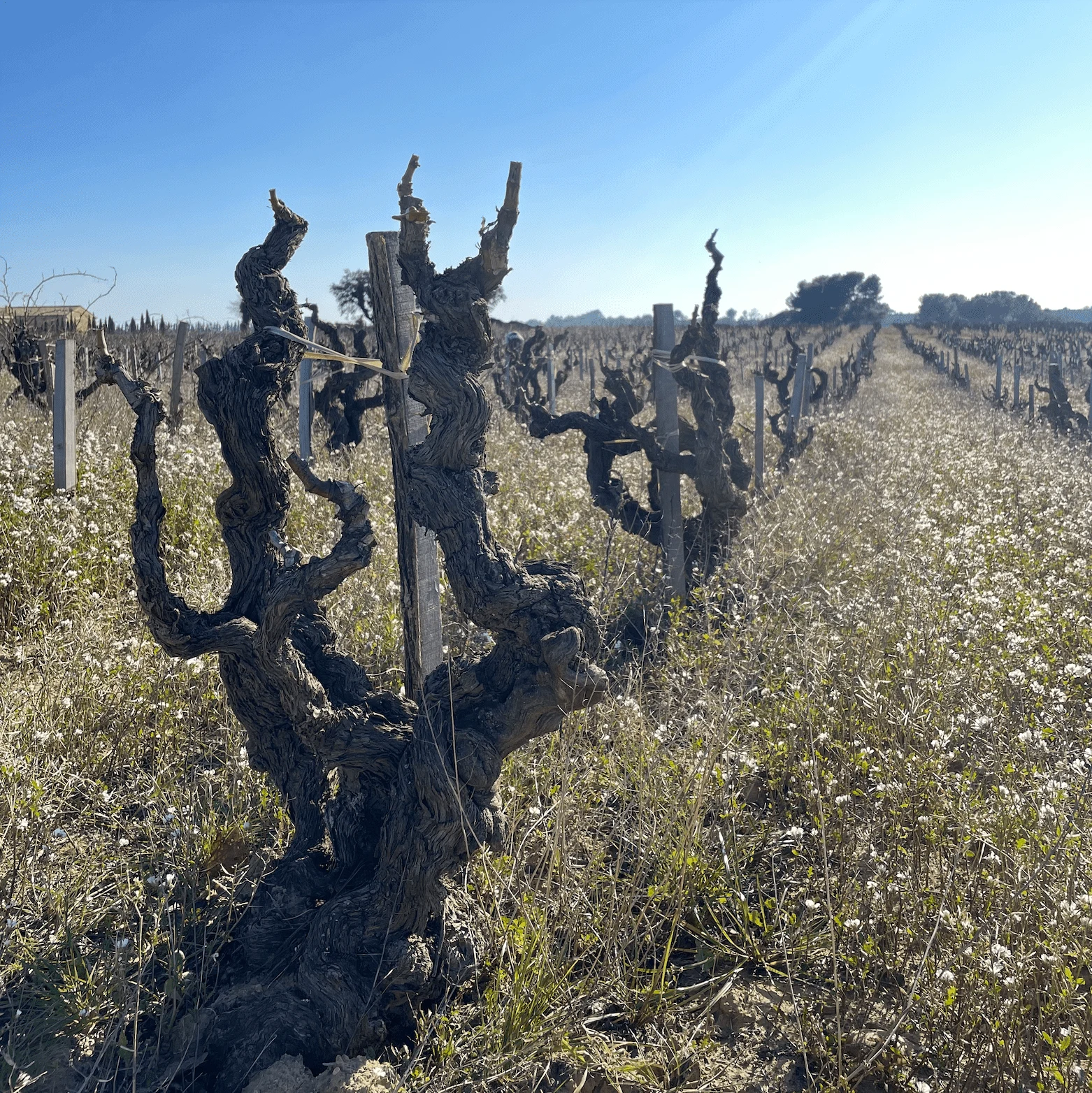
Piaggia is best understood as a small, quality-focused Carmignano estate in Poggio A Caiano. Its appeal is not built around a flashy visitor centre or a broad resort-style offer; the picture is quieter and more traditional, with a Tuscan feel and a recently renewed hillside cellar intended to give the wines calm, controlled aging conditions. That context matters, because it sets expectations before a traveler arrives: the estate reads first as a place of winegrowing and cellar work, not as a multi-purpose hospitality complex. The emphasis is on red wines with elegance and structure, and the overall impression is one of seriousness rather than spectacle.
For travelers researching Poggio A Caiano, the useful starting point is simple: Piaggia is a focused wine estate rather than a broad hospitality complex. It is therefore best approached with a wine-led mindset, especially by visitors who are already interested in Carmignano and in red wines that are presented through balance, restraint, and aging potential rather than immediate visual drama.
Carmignano's red-wine language, read through a small estate
Piaggia sits within the Carmignano conversation, and the character of the estate points toward traditional Tuscan structure rather than spectacle. The strongest grounded description is one of restraint: a small estate, a quality-led approach, and red wines framed by elegance and aging discipline. In this sense, the estate can be read as a compact expression of a serious local wine identity, where the attraction lies in the way the wines are positioned and matured, not in a large-scale visitor narrative.
Because the available data is limited, this guide does not assign specific blends, vineyard parcels, vintages, winemaking methods, or scores to individual bottles. Those details may matter to collectors, and they can also matter to travelers trying to decide whether a stop fits a particular tasting agenda, but they should be confirmed directly with the estate or a current wine list before being used to plan a purchase or visit. In a region where names, cuvées, and tasting formats can carry real weight, it is better to keep the description narrow than to overstate what is not documented here.
What can be said with confidence is narrower but still useful: Piaggia is positioned as a serious Carmignano estate in Poggio A Caiano, with a traditional Tuscan feel and a cellar designed for controlled aging rather than visual drama. That makes it relevant for drinkers who want to understand the area through a disciplined red-wine lens. It also helps separate Piaggia from places whose primary appeal may be architecture, scenery, or a wider lifestyle offering.
A small estate format with cellar discipline rather than showmanship
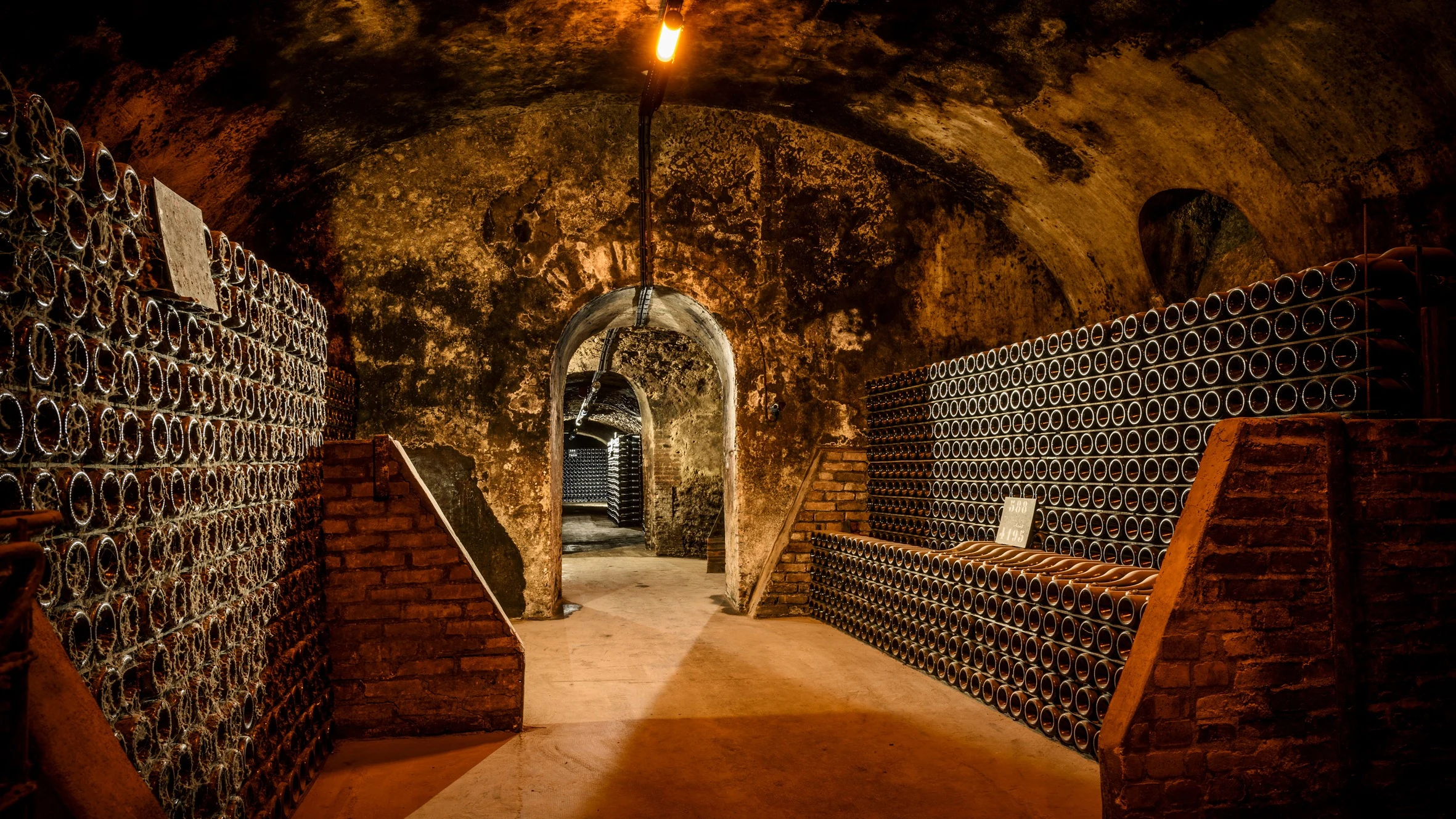
The impression of Piaggia is deliberately calm. Its recently renewed hillside cellar is part of the story, not because it suggests a luxury visitor attraction, but because it supports stable aging conditions. That makes the estate more interesting for drinkers focused on structure, patience, and red-wine development than for visitors looking for a showpiece destination. The hillside setting and the idea of controlled aging reinforce the same message: the practical conditions of maturation are central to how the estate is presented.
The estate’s style is described through elegance and structure. Those claims are not included as detailed bottle-by-bottle assessments in the data and should be checked separately if they are important to the visit. A traveler looking for a specific expression, a particular level of maturity, or a confirmed tasting of certain wines should avoid assuming too much from the general description alone. The safer reading is that Piaggia’s identity is aligned with composed, serious red wines, while the exact experience should be in advance.
In practical terms, Piaggia is best treated as a focused Carmignano wine stop in Poggio A Caiano. Its $$$ price positioning suggests a premium experience, but the precise format, availability, and inclusions should be confirmed directly before making plans. That is especially important because the estate is not described here as a broad hospitality venue with guaranteed visitor infrastructure. The better approach is to consider it a targeted stop for wine-minded travelers, then check the current arrangements before building a day around it.
How to place it in a Poggio A Caiano itinerary
Poggio A Caiano works as a quieter Tuscan wine stop for travelers interested in Carmignano and structured red wines. Piaggia is especially relevant for visitors who prefer a small, quality-focused estate with a traditional feel over a more theatrical cellar experience. It fits best into an itinerary shaped around thoughtful tasting and regional context, rather than one built primarily around spectacle or a long list of on-site amenities.
For wider planning in town, compare Piaggia with other dining, lodging, bar, winery, and experience options in Poggio A Caiano generically. For broader Italian and European winery research, use current regional guides and confirm details directly with each estate before relying on opening formats, tasting availability, prices, or accolades. With Piaggia, that extra confirmation is part of making the visit work well: the known strengths are its small-estate focus, Carmignano positioning, traditional Tuscan feel, and cellar discipline, while the practical details should be checked at the source.
Questions
Frequently asked
How expensive is Piaggia?
Piaggia is listed at a price level of $$$.
The field
How it compares
| Place | Notes | Awards |
|---|---|---|
| Piaggia | Poggio a Caiano, $$$ | · |
| Ardbeg | Port Ellen | · |
| Billecart-Salmon | Aÿ | World's 50 Best |
| Château Latour | Pauillac | · |
| Château Palmer | Margaux | · |
| Domaine La Barroche | Châteauneuf-du-Pape | · |
| Domaines Barons de Rothschild (Lafite) | Bordeaux | · |