Old-vine parcels, cellar-led Burgundy
- Falstaff Winery - Listed · 2026
- Pearl 2 Star Prestige · 2025
Vinifying, tending, bottling
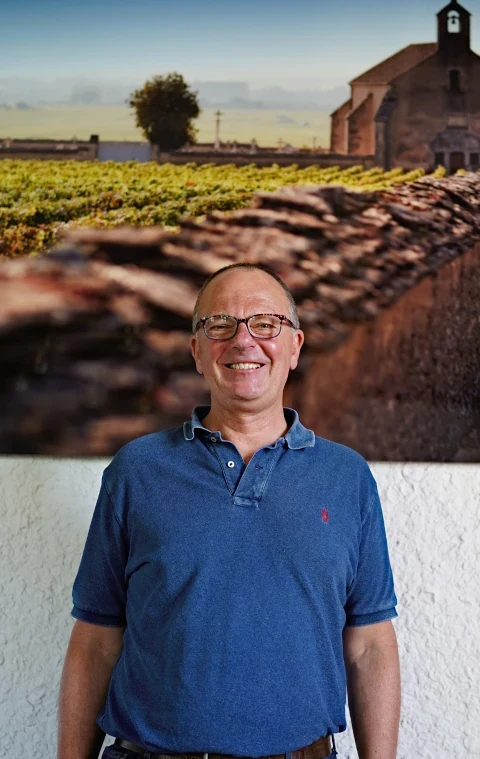
Vinification, tending, and bottling stay in the hands of Pierre Meurgey, winemaker at Pierre Meurgey in Beaune, inside cellars shaped for close work. His own words keep the order plain: “I vinify, I tend and I bottle in my cellars with the care of the craftsman concerned about respect of the Terroirs.” The sequence matters. Fruit comes in as a decision about place; élevage becomes a period of tending rather than display; bottling closes the work without handing it away from the bench.
Meurgey’s wider Burgundy role is tied to Domaine Clos de la Chapelle in Volnay, where he is listed as General Manager and where his career marker is partner and co-founder, 2011. The line that can be followed here is cellar practice, not a public biography dressed up as romance. He works as a Burgundian négociant of the fourth generation, with the discipline that title implies: selection first, then restraint in the cellar, then a bottle that should carry the parcel rather than the cellar’s ego.
Old vines, premier-cru names
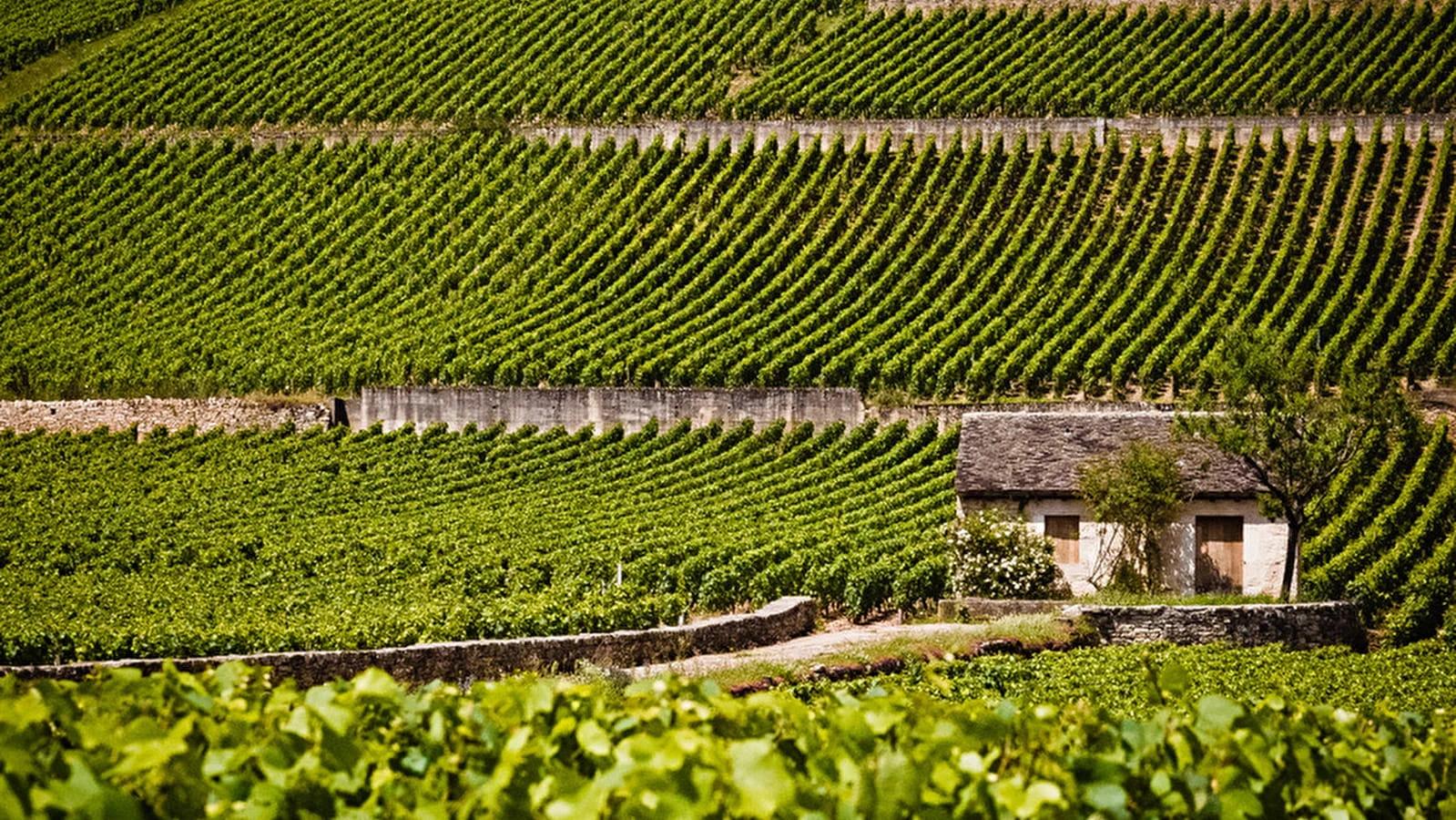
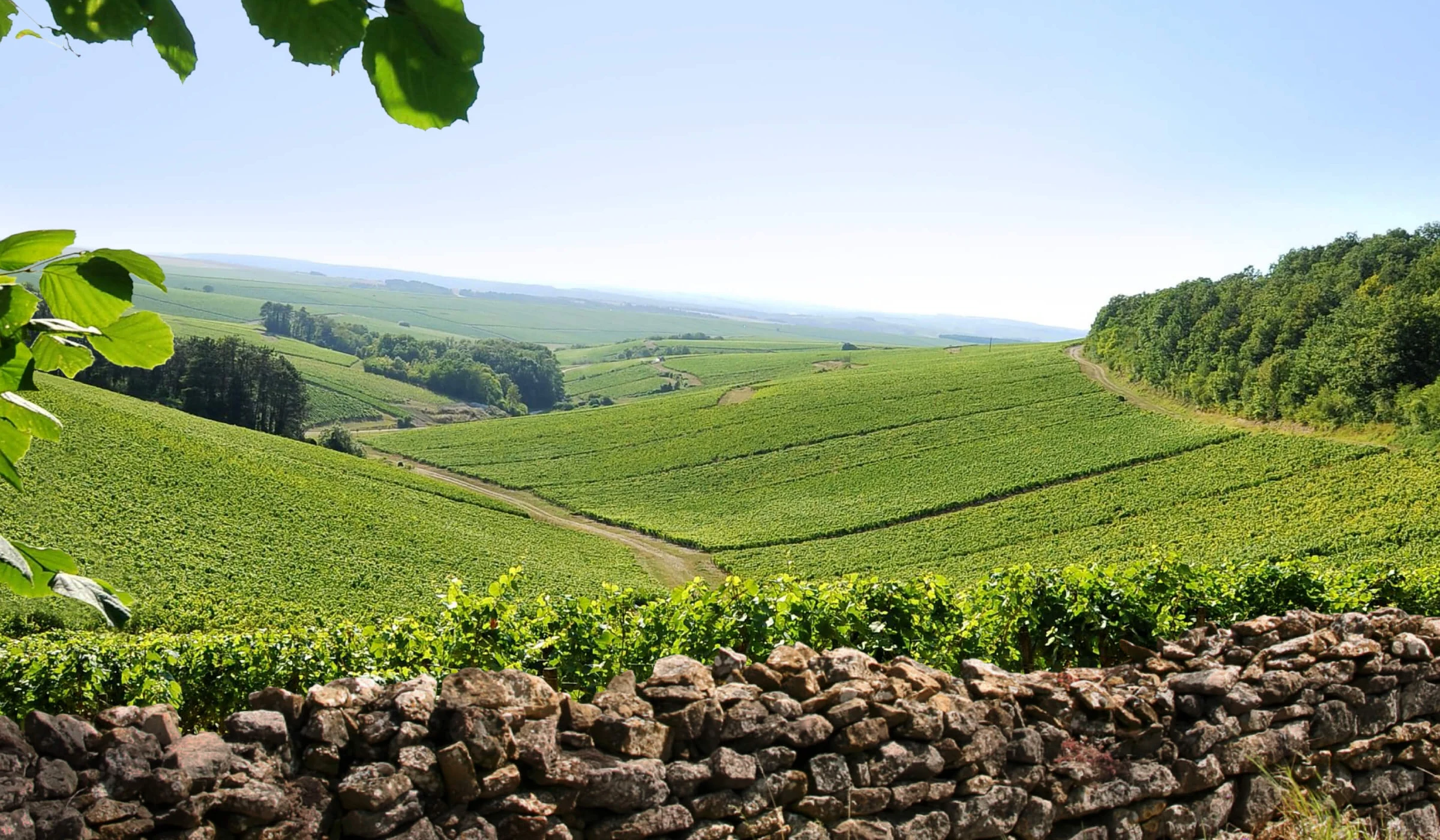
The program at Pierre Meurgey rests on Pinot Noir and Chardonnay from selected old-vine parcels in premier Burgundy appellations, within the language of Côte de Beaune AOC. The house describes the work as sustainable and small in scale, with organic sourcing among its markers. No production figure is published by the house, and it is still red and still white wines, Burgundy varieties, cave tasting, and cellar work close enough to keep vinification, tending, and bottling under one set of hands.
The signature wines named for Meurgey give the map its working coordinates: Pommard 1er Cru Les Chanlins, Beaune 1er Les Teurons, and Beaune 1er Champs Piments. Those are not decorative names on a list. They set a demand on method, because premier-cru Burgundy asks the maker to decide what not to cover. Modern winery facilities sit beside historic cellars here, and the stated method holds both modern and traditional practice in the same discipline. The cellar is not asked to perform age. It is asked to keep the wine legible.
A quiet cellar in Beaune
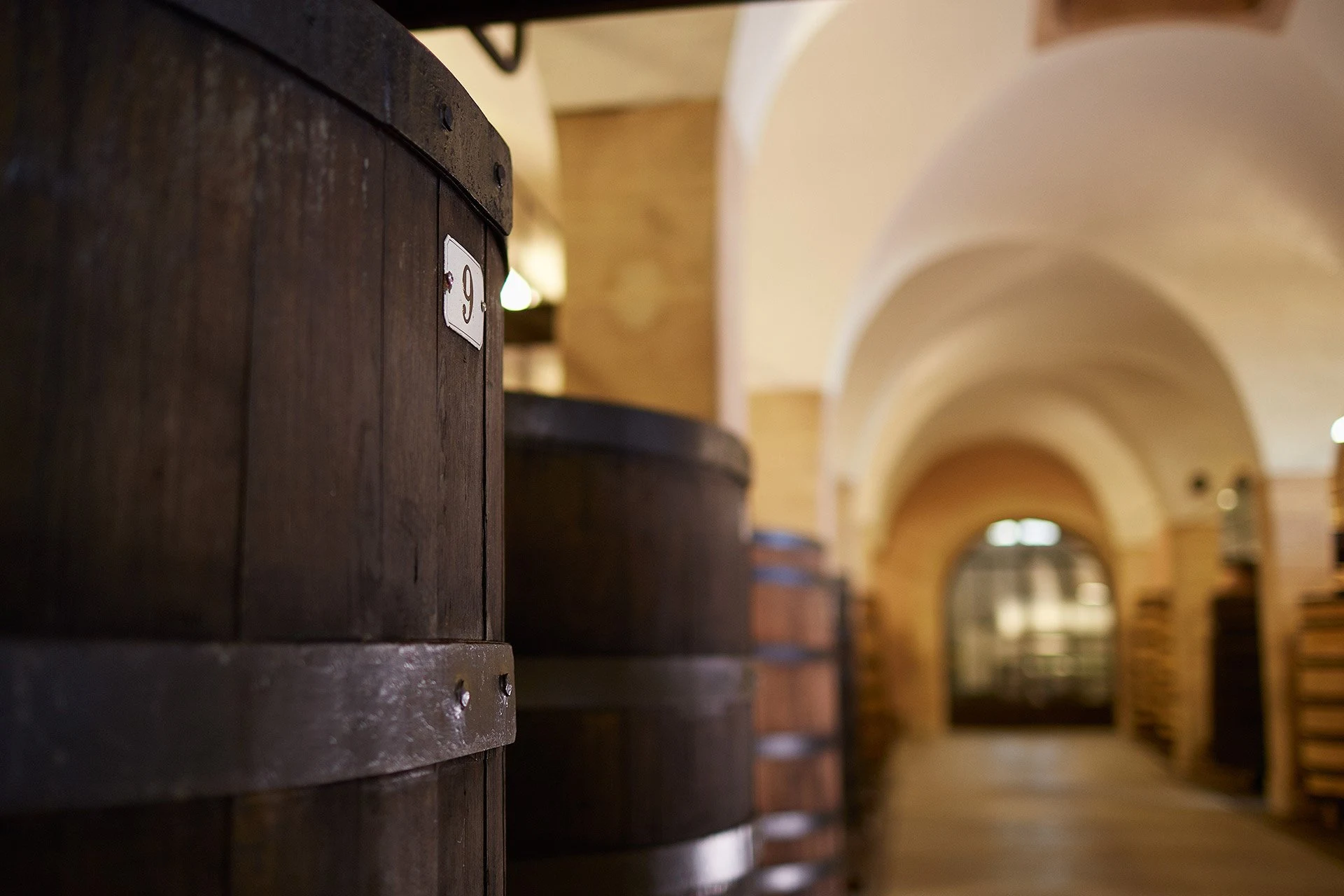
The room around the work is described in the register of an artisan cellar: quiet, classic, rustic in its surfaces, elegant without polish for its own sake. Beaune gives the setting its own pressure. This is a town where Pinot Noir and Chardonnay do not need introduction, and where a cellar has to earn attention through choices at the vat, the barrel, and the bottle rather than through spectacle.
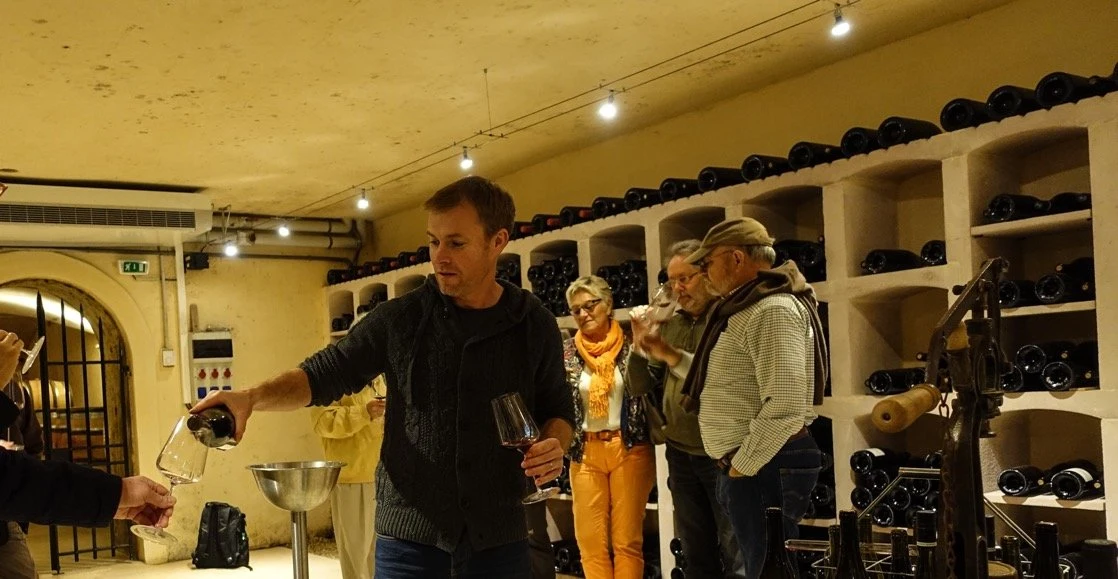
In that setting, the cave tasting belongs to the same grammar as the production. The tasting room is not the lead actor; the cellar is. A glass of Beaune 1er Champs Piments can point back to the old-vine parcel, the tending period, and the bottling hand without needing the room to overstate the connection. The final impression is bench-side and contained: Pierre Meurgey working from Beaune, with Pommard 1er Cru Les Chanlins still carrying the name of its slope.
Questions
Frequently asked
Who makes the wines at Pierre Meurgey?
Pierre Meurgey makes the wines himself in Beaune, handling vinification, tending, and bottling in his own cellars.
What kinds of wines does the house focus on?
The cellar works with Pinot Noir and Chardonnay from selected old-vine parcels in premier Burgundy appellations, within the language of Côte de Beaune AOC.
Which wines are named as signatures here?
The wines named for Meurgey are Pommard 1er Cru Les Chanlins, Beaune 1er Les Teurons, and Beaune 1er Champs Piments.
What should visitors know about arranging a visit?
Visits are by appointment only, and the setting is in Beaune, Burgundy, with street parking and a smart casual dress code.
The field
How it compares
| Place | Notes |
|---|---|
| Pierre Meurgey | Beaune, $$$ |
| Domaine Bouchard Père et Fils | Beaune |
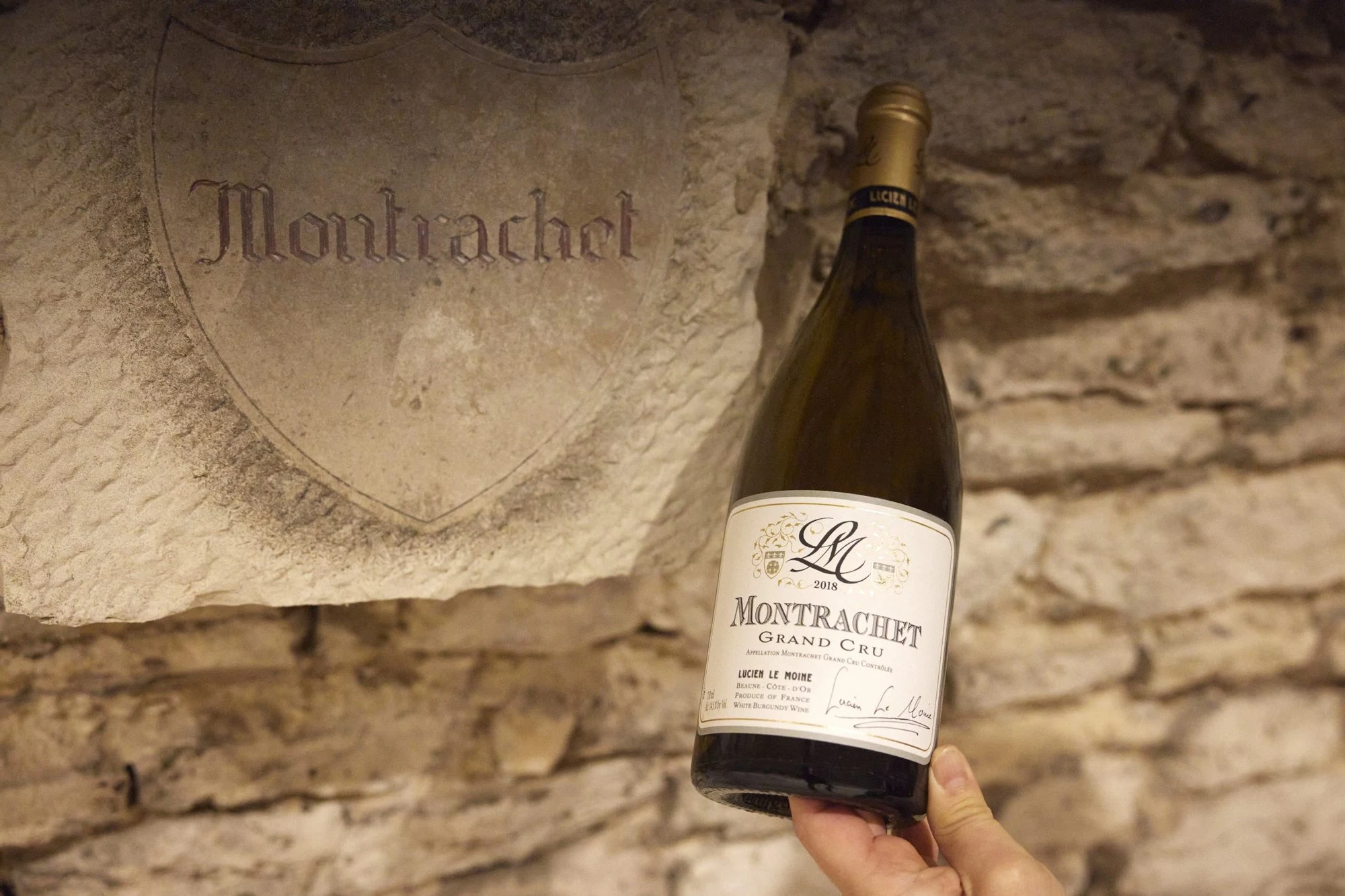
| Lucien Le Moine | Beaune |
| Maison Albert Bichot | Beaune |
| Maison Benjamin Leroux | Beaune |
| Maison Louis Jadot | Beaune |
| Maison Louis Latour | Beaune |