Pix
- 01CityIhringen, Germany

- Falstaff Winery - Listed · 2026
Ihringen announces itself through vines before it does through architecture. In the Kaiserstuhl, wine is not a decorative add-on to travel but part of the local landscape, shaping how the village is read and how a visit begins to feel. Pix fits that scale: a small ecological family winery rather than a showpiece estate, with a direct cellar-door atmosphere and a focus on biodynamic vineyards, honest craft, and a down-to-earth rural setting. It is the kind of address where the surrounding vineyard context matters as much as any formal presentation, and where the value lies in a closer, less polished sense of place.
Biodynamic Kaiserstuhl wine without the tasting-room performance
The strongest reason to pay attention here is the farming signal. Pix is presented as an ecological family winery focused on biodynamic vineyards, which places the emphasis on land, agricultural choices, and craft-driven wines rather than elaborate visitor design. That framing matters because it tells visitors what kind of wine experience to expect: one led by vineyard work and a rural family scale, not by a choreographed hospitality concept. The appeal is not built around spectacle, awards, or luxury staging; it is a quieter Ihringen address for visitors who want a direct sense of winegrowing in the Kaiserstuhl.
The Kaiserstuhl context matters. This is a wine landscape where the surrounding vineyards shape the visit as much as the cellar door itself, and where the agricultural setting is not simply background scenery. At Pix, the useful frame is regional and agricultural: a small winery in Ihringen where the experience is grounded in the rural setting and in wines made with an ecological, biodynamic focus. That does not require grand gestures to be meaningful. The appeal is in the alignment between place, farming, and a modest cellar-door style of encounter.
Because the public detail is limited, it is better not to overstate the format. Pix should be understood as a modest cellar-door winery rather than a destination built around a formal tasting menu, elaborate architecture, or a heavily programmed hospitality experience. That restraint is part of how to approach it correctly. The draw is the combination of place, biodynamic vineyard work, and a direct encounter with craft-driven wines, without needing to translate the visit into a luxury-wine-tourism template.
A rural cellar-door visit built around land, not spectacle
The guest experience is best described as direct and unpretentious. Pix has a cellar-door mood: small-scale, rural, and focused on the wines rather than on design theatre. That distinction matters for travelers choosing between highly staged wine tourism and agricultural addresses where the setting remains close to the vineyards. Here, the language to keep in mind is not performance but proximity: proximity to the rural landscape, to the work implied by biodynamic vineyards, and to a family winery operating on a smaller ecological scale.
Food, seating arrangements, service inclusions, and detailed visitor amenities should not be assumed from the available information. The better frame is simple: Pix is a down-to-earth Ihringen winery for people interested in biodynamic vineyards and honest, craft-led wines in the Kaiserstuhl. That simplicity is useful rather than limiting. It helps set expectations away from an all-inclusive visitor product and toward a more grounded wine stop, where the main reasons to go are the farming orientation, the regional setting, and the chance to encounter the wines without excessive mediation.
Pricing is listed as $$, which gives a broad expectation without implying a specific tasting fee, bottle price, or package. In a region where wine travel can range from casual cellar-door stops to more designed hospitality, Pix reads as a modest ecological family winery with a rural, practical atmosphere. The $$ marker should be treated as a general guide, not as a promise of a particular structure or spend. It supports the same overall impression: approachable rather than lavish, rooted rather than theatrical, and focused more on winegrowing than on hospitality embellishment.
How to place Pix within an Ihringen wine day
Ihringen rewards a focused itinerary. Visitors can treat Pix as one ecological anchor in a broader exploration of local wine culture, then build outward through other dining and hospitality options in Ihringen without assuming a fixed route or programmed visit. That approach leaves room for the setting to do some of the work. Rather than treating Pix as a boxed-off attraction, it makes sense to see it as part of a village and vineyard landscape where wine is already the organizing theme.
For comparison, keep the emphasis on Pix itself and on unnamed local options rather than overstating specific peers. The point of the stop is clear enough: a small ecological family winery in Ihringen, rooted in a rural Kaiserstuhl setting and centered on biodynamic vineyards and craft-driven wines. Its role in a wine day is therefore not to provide spectacle, but to offer a grounded counterpoint to more staged forms of wine tourism. For travelers drawn to ecological farming, modest cellar-door encounters, and a direct sense of the Kaiserstuhl, that is precisely the reason to include it.
Questions
Frequently asked
How expensive is Pix?
Pix is listed at a price level of $$.
The field
How it compares
| Place | Notes |
|---|---|
| Pix | Ihringen am Kaiserstuhl, $$ |
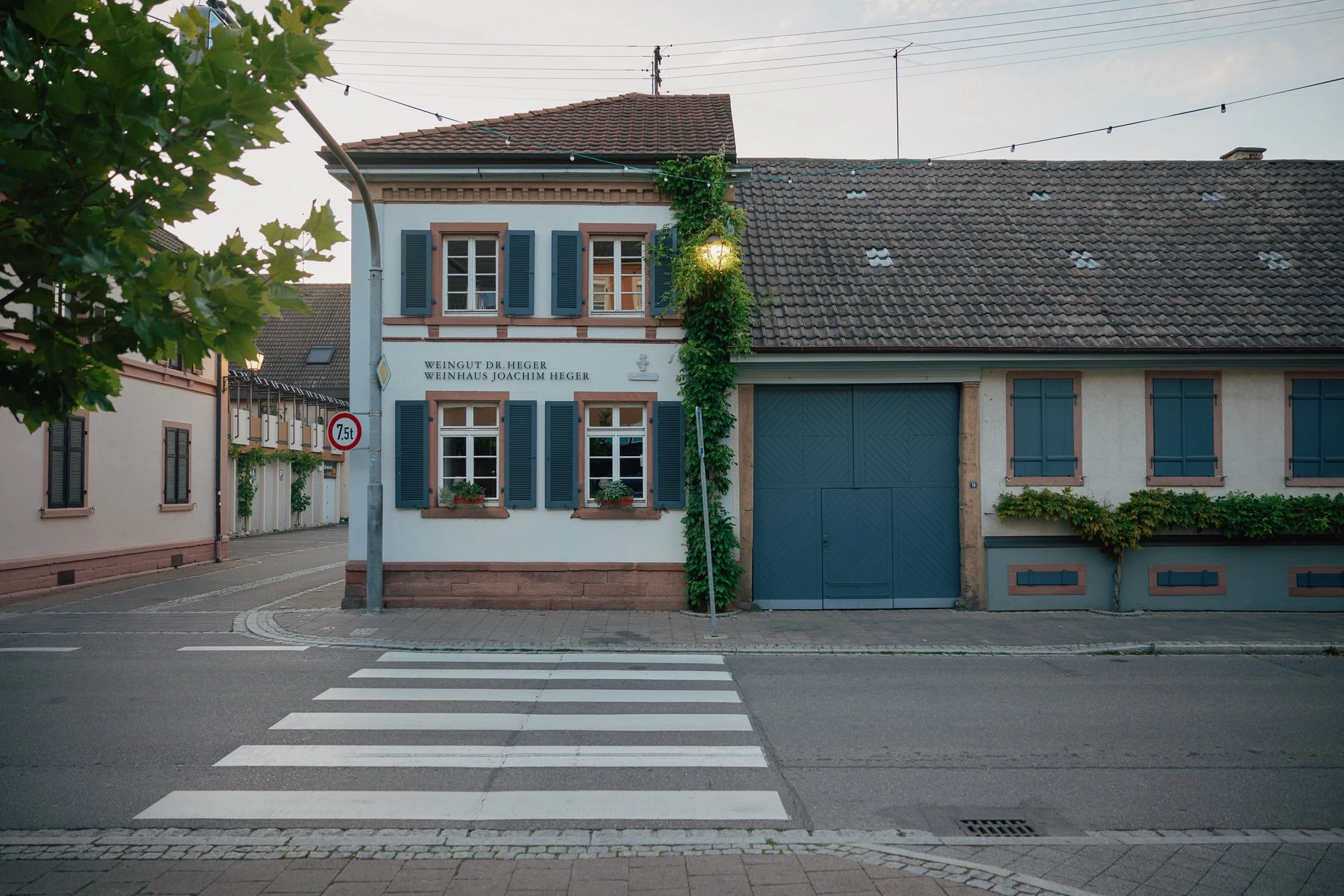
| Weingut Dr. Heger | Ihringen |
| Weingut Lena Flubacher | Ihringen |
| Weingut Lenzenberg | Ihringen |
| Weingut Sexauer | Ihringen |
| Weingut Sonnenhof | Ihringen |
| Weingut Stigler | Ihringen |