Podere Bignolino
- 01CityMontalto Pavese, Italy

- Falstaff Winery - Listed · 2026
Approaching Montalto Pavese, Oltrepò Pavese wine makes sense before a glass is poured: vineyards climb calcareous-clay slopes, the Po Valley opens below, and the rural scale remains unsanded by corporate polish. Podere Bignolino belongs to the Italian wine-tourism register where estate, view and bottle are hard to separate. Its appeal is not spectacle, but the chance to read a Lombard wine zone through varieties long at home here.
Travelers expecting the fame structure of Piedmont or Tuscany can misunderstand Oltrepò Pavese. It is quieter internationally, yet its identity is clear: Pinot Nero for sparkling and still wines, Croatina and Barbera for reds with local grammar, Riesling and other whites for a cooler northern counterpoint. At Podere Bignolino, that range is not a tasting-room checklist but the mixed agricultural intelligence of hills where slope, soil and tradition favor breadth over a single prestige grape.
Pinot Nero and the Oltrepò Pavese argument
The clearest lens is Pinot Nero. Oltrepò Pavese is one of Italy’s serious zones for the grape, and the estate’s portfolio uses it in the two locally decisive forms: Metodo Classico sparkling wine and still red. The sparkling side includes 100% Pinot Nero bottlings in white and rosé styles, with extended lees aging providing structure. The region’s cooler hillside conditions and long sparkling-wine tradition explain why Pinot Nero carries so much of the estate’s identity.
The still reds keep the conversation anchored in place, not fashion. Barbera, Croatina, Nebbiolo and Pinot Nero appear in blends and varietal bottlings, with selected reds aged in large oak barrels, including Tre Colli, Costa Bercé and Nebbiolo for two years. Large oak signals slower, less cosmetic maturation than small new-barrel regimes: northern Italian grapes are given time and frame, not turned into international caricatures.
White and aromatic wines broaden the territory. Pinot Grigio, Riesling Renano, Riesling Italico, Müller Thurgau and Moscato place the estate in everyday Lombard drinking rhythms: aperitivo, hillside lunches, sparkling starts, structured reds and sweeter finishes. The portfolio reads more as a regional map than a luxury ladder, making it a useful counterpoint on a wider Italian itinerary to Tuscan Sangiovese houses such as Abbadia Ardenga in Torrenieri, Puglian producers such as A Mano Wine in Noci and a6mani in Fragagnano, or Veneto addresses including 3GP SRL in Treviso and 47 Anno Domini in Trebaseleghe.
A family estate where hospitality is part of the terroir
The Contardi family history gives the visit its spine. The estate traces its viticultural story to 1890, when Giovanni Contardi planted the first vines and identified productive sites overlooking the Po Valley. Later generations expanded cellar work and vineyard training, including Guyot replanting from 1959, while the modern chapter from 1994 brought renovation and guided visits. Cirillo Contardi, described as an agronomist and oenologist, gives the operation technical credibility without turning the narrative into a personality cult.
That lineage matters because Oltrepò Pavese wine tourism often works through proximity: production, family memory and hospitality feel present in the same field of vision. Podere Bignolino’s tasting format is built for that slower encounter. Guided estate visits, wine-and-food pairings, picnic-style experiences, outdoor areas and panoramic vineyard views make it less a retail stop than an extended hillside appointment. The listed tour duration is three hours, signaling room for context rather than a quick flight.
The estate is small in capacity tier and family-run in character, yet broader than a simple cellar door. On-site parking, dog-friendly access, outdoor seating, picnic areas, wine sales and event capability place it in the flexible countryside-estate category. The atmosphere is casual, conversational and scenic, suited to visitors who want Oltrepò Pavese explained through landscape and hospitality rather than trophies. With no formal Michelin-style wine awards attached, trust signals are different: a documented 1890 origin, named family stewardship, a 5-star Winedering rating from 4 reviews, and a format keeping guests close to the vineyard setting.
How to place it in a Montalto Pavese wine day
Montalto Pavese is a wine-country stop, not an urban tasting district, so the day works well when planned around time on the hills. Podere Bignolino suits travelers seeking a grounded introduction to Oltrepò Pavese’s mixed portfolio, especially Pinot Nero Metodo Classico and traditional reds, with enough hospitality structure for couples, small groups, celebrations and wine education. The estate is not aimed at children; the stronger fit is a relaxed adult visit where views, food pairing and conversation matter as much as the number of wines poured.
For a broader local plan, use Our full Montalto Pavese wineries guide as the starting point, then layer in nearby categories depending on the day’s shape: Our full Montalto Pavese restaurants guide, Our full Montalto Pavese hotels guide, Our full Montalto Pavese bars guide and Our full Montalto Pavese experiences guide. Local wine travelers can also look at Cà del Gè, La Piotta and Le Fiole to see how different estates interpret the same hills.
The broader lesson is that Oltrepò Pavese rewards travelers who resist single-label thinking. Its strength is cumulative: Pinot Nero with bubbles, Pinot Nero without bubbles, Croatina in its local voice, Barbera with structure, Riesling as a northern thread. Podere Bignolino gives that spectrum a coherent estate setting, with enough family history and vineyard context to make the wines feel rooted rather than assorted. For cross-border wine travelers, it also sits in a wider European conversation stretching from »der Steiner« Hans Steiner in Podersdorf am See to & Handwein in Mannheim, but the point remains distinctly Lombard: hillside agriculture, patient sparkling craft and family continuity.
Questions
Frequently asked
How expensive is Podere Bignolino?
Podere Bignolino is listed at a price level of $$.
The field
How it compares
| Place | Notes | Awards |
|---|---|---|
| Podere Bignolino | Oltrepò Pavese, $$ | · |
| Cà del Gè | Montalto Pavese | · |
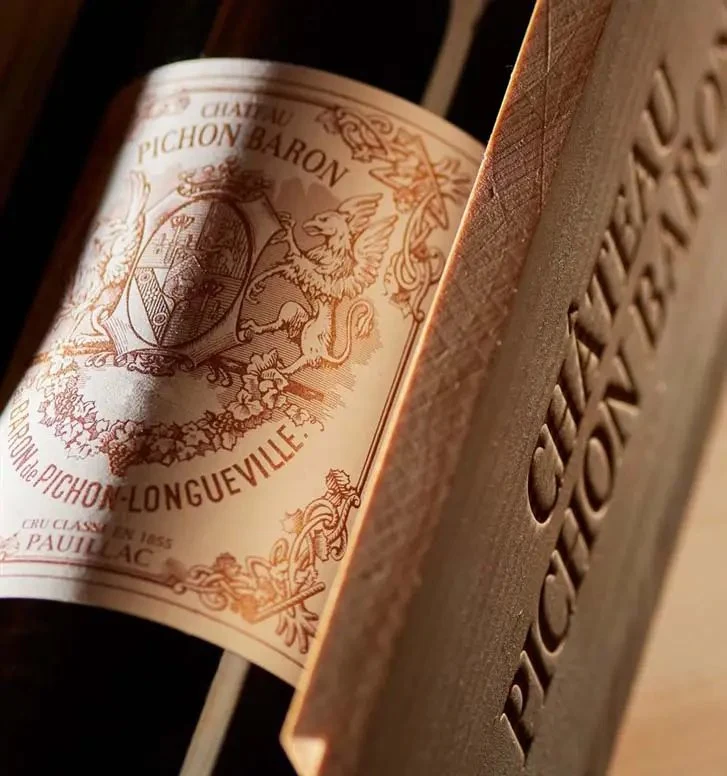
| Château Pichon Longueville Baron | Pauillac | World's 50 Best |
| La Piotta | Montalto Pavese | · |
| Le Fiole | Montalto Pavese | · |
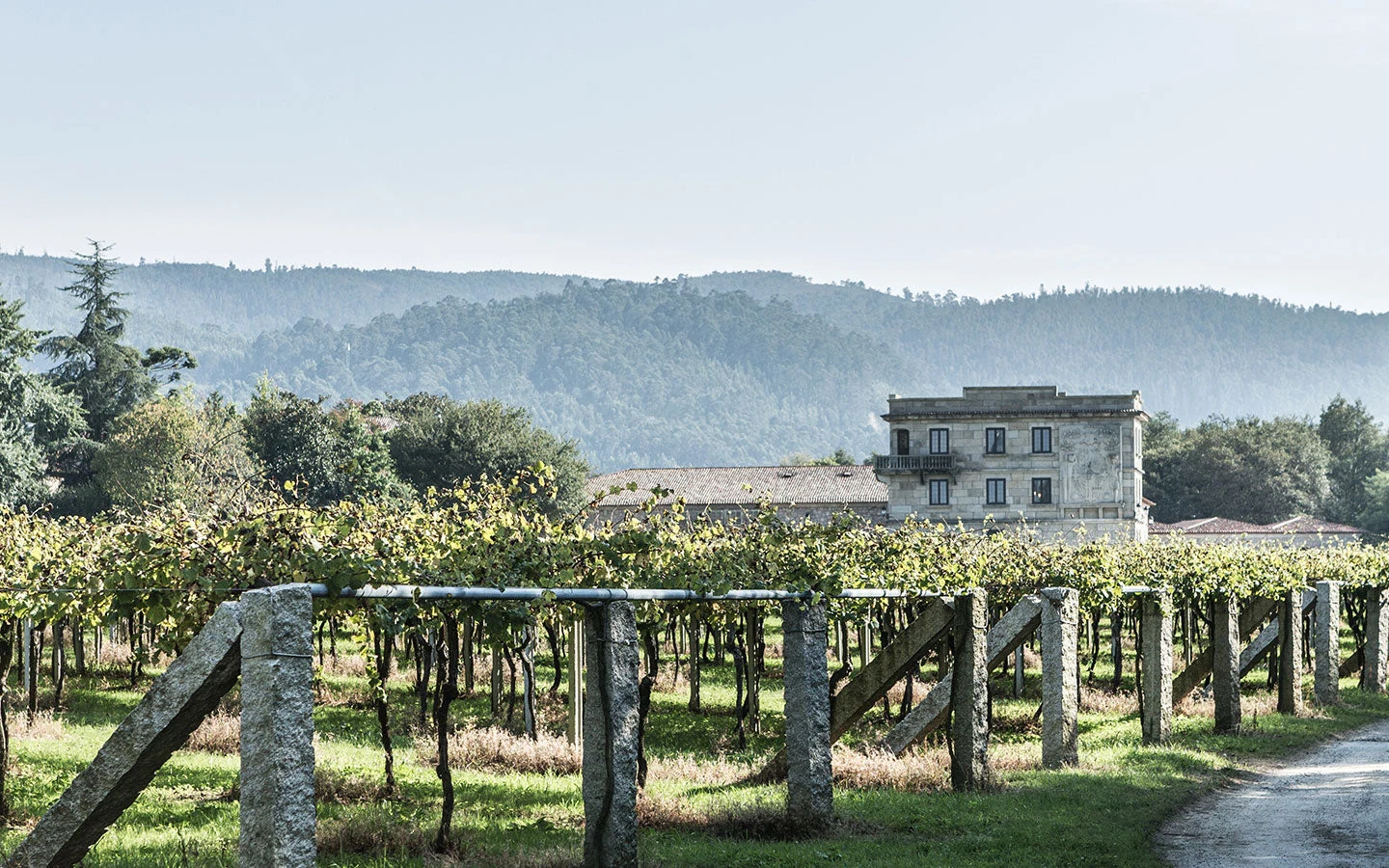
| Marqués de Murrieta | Logroño | World's 50 Best |
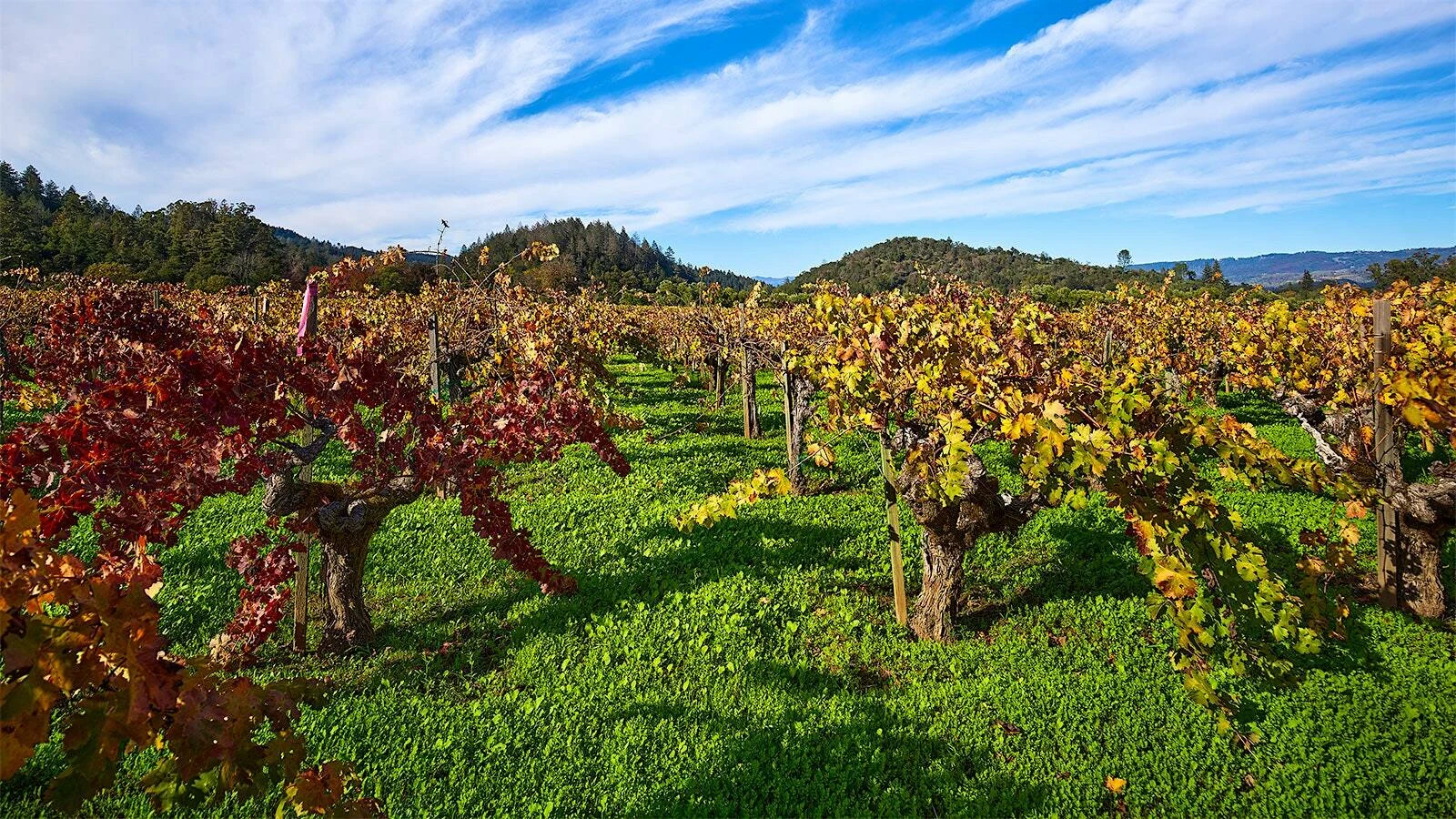
| Scarecrow | Napa | · |