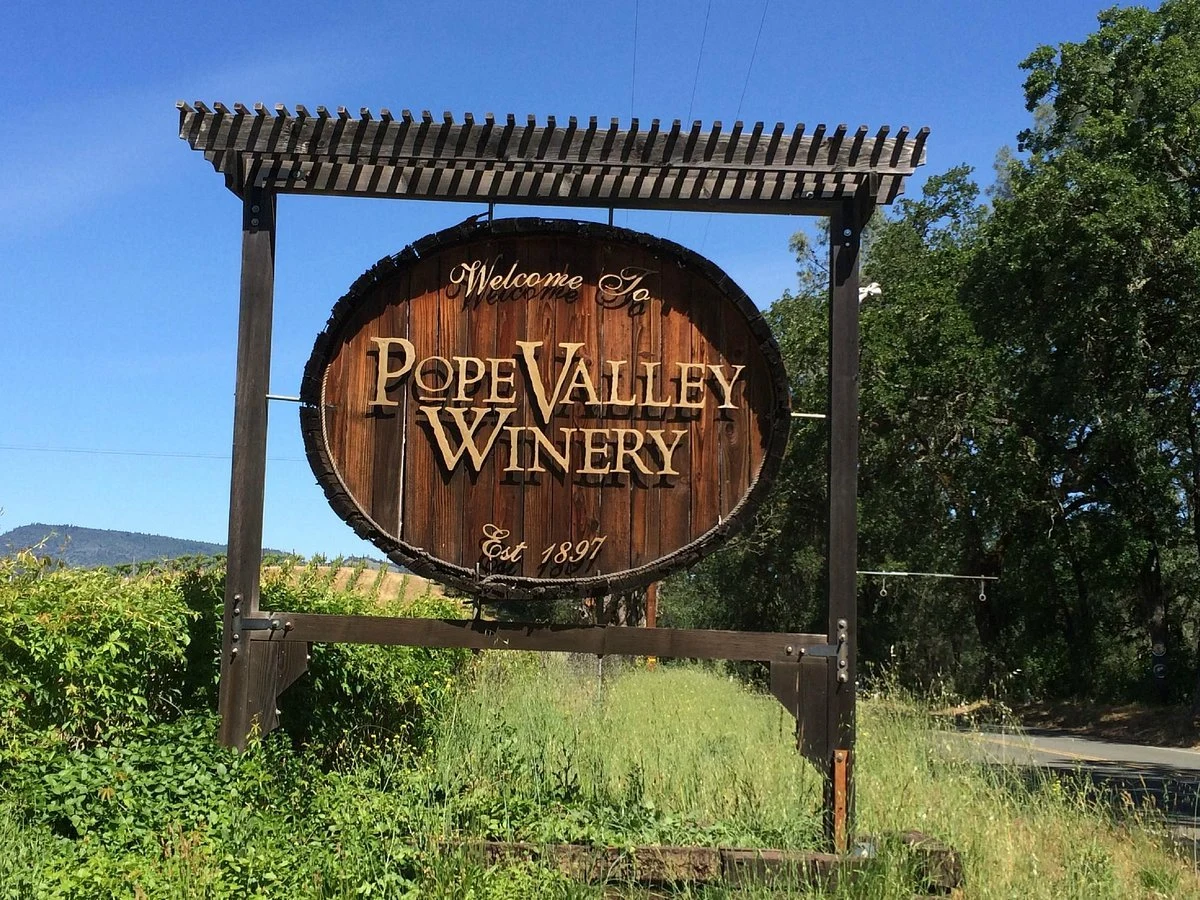
Pope Valley Winery holds a Pearl 2 Star Prestige rating for 2025, placing it among a select tier of producers operating in Napa County's quieter eastern inland reaches. Removed from the Silverado Trail corridor, Pope Valley's dry, high-elevation terrain shapes a distinct expression that separates this address from its valley-floor counterparts. A reference point for visitors seeking California wine outside the standard tasting-room circuit.
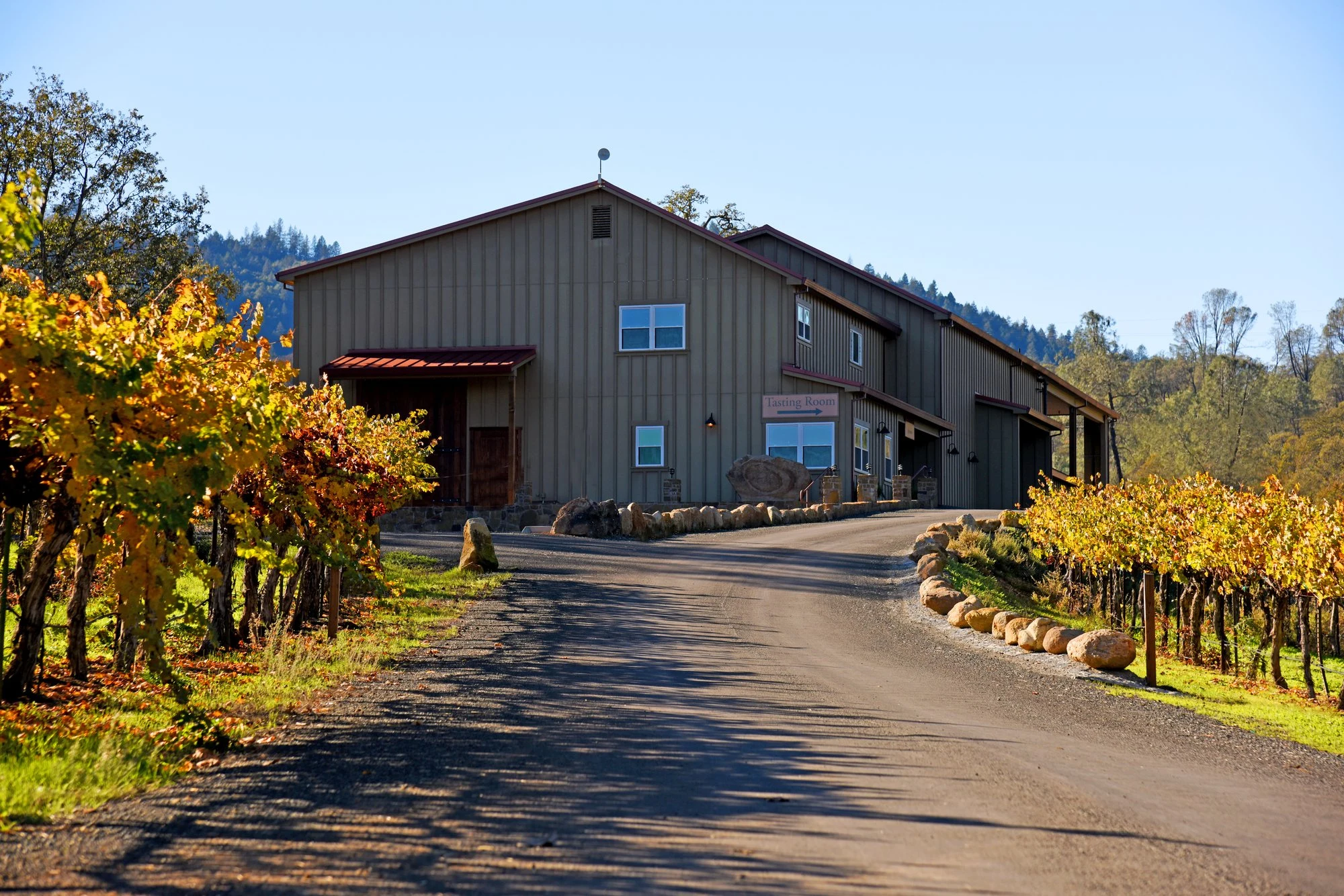
<h2>Wine Country at the Margins: Pope Valley and What the Land Dictates</h2><p>The road into Pope Valley arrives without the groomed vineyard theatrics that frame most Napa County winery visits. There are no concierge tasting pavilions visible from the highway, no valet lanes stacked with hired SUVs. The valley sits roughly fifteen miles east of St. Helena as the crow flies, separated from the main Napa Valley floor by the Howell Mountain range, and the difference in character is immediate. The air is drier, the terrain more exposed, and the landscape carries none of the manicured softness that the Silverado Trail corridor has spent decades cultivating. This is where Pope Valley Winery operates, and the setting is not incidental to the wines, it is the argument the wines make.</p><p>California's inland valleys have long functioned as the less-discussed counterpart to the coastal and valley-floor appellations that dominate critical conversation. While Napa Valley's benchland and alluvial floor producers draw the majority of press attention, the sub-appellations and outlying areas that share Napa County's administrative boundary operate under measurably different growing conditions. Pope Valley, at elevations that shift diurnal temperatures more aggressively than the valley floor, produces grapes under a heat and drought stress profile that pushes concentration without the intervention-heavy rescue winemaking that cooler, wetter sites sometimes require. The terroir argument here is not about elegance through restraint in the Burgundian sense; it is about concentration through scarcity.</p><h2>Pearl 2 Star Prestige: What the Rating Signals in Context</h2><p>Pope Valley Winery carries a Pearl 2 Star Prestige designation for 2025 in the EP Club ratings system. That places it in a cohort of producers that have cleared a threshold of consistent quality and regional significance, but the rating's meaning is sharpened by context. Within Napa County alone, the range of producer quality spans everything from bulk-adjacent commodity wine to allocation-only prestige labels that price against Bordeaux first growths. A Pearl 2 Star Prestige result signals a serious mid-to-upper tier position, the kind of producer that rewards attention from a visitor willing to move beyond the county's most trafficked names.</p><p>For comparison, the broader California wine scene includes producers across very different quality and style spectrums. <a href="https://www.enprimeurclub.com/wineries/accendo-cellars">Accendo Cellars in St. Helena</a> and <a href="https://www.enprimeurclub.com/wineries/alpha-omega-winery-rutherford-winery">Alpha Omega Winery in Rutherford</a> represent the Napa Valley proper comparable set, while operations like <a href="https://www.enprimeurclub.com/wineries/adelaida-vineyards">Adelaida Vineyards in Paso Robles</a> and <a href="https://www.enprimeurclub.com/wineries/alban-vineyards">Alban Vineyards in Arroyo Grande</a> demonstrate how California's quality winemaking extends well beyond the Napa-Sonoma axis. Pope Valley Winery sits in this wider conversation as a Napa County address that is neither Napa Valley floor nor coastal-influenced, which gives it a distinct position in any comparative tasting exercise.</p><h2>The Terrain Logic: Elevation, Heat, and Water Stress</h2><p>Understanding Pope Valley as a wine-producing area requires stepping back from appellation politics and focusing on agronomy. The valley floor here is warmer during the day than the main Napa Valley floor and loses heat faster at night, a diurnal range pattern that preserves acid structure in grapes that would otherwise cook flat under sustained warmth. Rainfall is lower than coastal-influenced growing zones, which means vine water stress arrives earlier and more consistently in the growing season. For the right varieties, this translates into smaller berries with higher skin-to-juice ratios, the kind of concentration that does not require excessive extraction or new oak to fill out a wine's structure.</p><p>This is the terroir logic that distinguishes inland California valley producers from their better-publicized counterparts. The comparison producers at <a href="https://www.enprimeurclub.com/wineries/andrew-murray-vineyards">Andrew Murray Vineyards in Los Olivos</a> and <a href="https://www.enprimeurclub.com/wineries/artesa-vineyards-and-winery">Artesa Vineyards and Winery in Napa</a> each express different California growing conditions, but Pope Valley's combination of elevation, heat accumulation, and water restriction creates a profile that sits outside both the fog-cooled coastal corridor and the benchland Cabernet zone that defines Napa Valley's commercial identity.</p><p>Producers working in less-visited California wine regions often operate with lower land costs and, consequently, a different relationship to production economics. This can cut either way: reduced financial pressure to maximize yields can allow more selective viticulture, but it can also mean less capital for cellar investment. The Pearl 2 Star Prestige rating at Pope Valley Winery suggests the former dynamic is at work here.</p><h2>Visiting Pope Valley: Practical Orientation</h2><p>Reaching Pope Valley requires intent. The most direct route from the Napa Valley floor involves climbing through the Howell Mountain corridor, and the drive itself functions as a transition between two different registers of California wine country. Visitors arriving from St. Helena or Calistoga will cover roughly thirty minutes of winding two-lane road before reaching Pope Valley Road. There is no commuter-style wine tourism infrastructure here: no trolley tours, no hotel clusters, no tasting-room districts that allow visitors to walk between producers. Each visit is a specific commitment to a specific address.</p><p></p><p>This is not a criticism of the experience on offer; it is a description of the terms. Pope Valley wine country attracts visitors who have already moved past the introductory Napa tasting-room circuit and are looking for producers that operate on a different scale and with a different set of priorities. The absence of tourist-facing infrastructure is, for that audience, part of the point.</p><h2>Where Pope Valley Sits in California's Wider Picture</h2><p>California's wine geography has expanded dramatically in critical recognition over the past two decades. Regions that once seemed peripheral to the Napa-Sonoma conversation, the Santa Rita Hills, Paso Robles, the Santa Ynez Valley, the Sierra Foothills, now have their own distinct critical audiences and price points. <a href="https://www.enprimeurclub.com/wineries/au-bon-climat-santa-barbara-winery">Au Bon Climat in Santa Barbara</a>, <a href="https://www.enprimeurclub.com/wineries/babcock-winery-vineyards-lompoc-winery">Babcock Winery and Vineyards in Lompoc</a>, and <a href="https://www.enprimeurclub.com/wineries/aubert-wines">Aubert Wines in Calistoga</a> each represent different facets of California's expanded quality map. Pope Valley occupies a narrower and less publicized position within that expansion, but the Pearl 2 Star Prestige designation places it on the right side of the quality threshold that separates producers worth seeking out from those that subsist on geographic proximity to more famous names.</p><p>The broader pattern across California's outlying wine areas is consistent: producers who choose to work in less-visited terrain tend to be making a deliberate argument about what that terrain can do. At <a href="https://www.enprimeurclub.com/wineries/adelsheim-vineyard-newberg-winery">Adelsheim Vineyard in Newberg</a> or <a href="https://www.enprimeurclub.com/wineries/alexander-valley-vineyards-geyserville-winery">Alexander Valley Vineyards in Geyserville</a>, the regional identity is established enough to carry the conversation. In Pope Valley, the argument is still being built, which makes producers like Pope Valley Winery legible as early evidence in a longer case.</p><p>For visitors with an itinerary that already covers the standard Napa corridor, Pope Valley is the logical extension, a short drive that translates into a measurably different set of growing conditions, a lower ambient level of tourist activity, and a winery carrying credentials that justify the detour. The <a href="https://www.enprimeurclub.com/wineries/br-cohn-winery-glen-ellen-winery">B.R. Cohn Winery in Glen Ellen</a> and <a href="https://www.enprimeurclub.com/wineries/andrew-murray-vineyards">Andrew Murray Vineyards in Los Olivos</a> serve as useful reference points for understanding the style range within California's mid-to-upper producer tier, but the Pope Valley proposition is geographically and stylistically its own thing. That specificity, underscored by the 2025 Pearl 2 Star Prestige rating, is what earns it a place on a considered California wine itinerary.</p><hr>
Pope Valley Winery sits at 6613 Pope Valley Rd in one of Napa County's quieter inland valleys, well removed from the groomed tasting-room circuit of St. Helena and Yountville. The setting is agricultural rather than resort-like, shaped by the valley's heat, elevation, and relative isolation. It holds a 2025 Pearl 2 Star Prestige rating from EP Club, which signals a producer operating with genuine intent rather than tourist-market positioning.
Pope Valley Winery is located at 6613 Pope Valley Rd, Pope Valley, CA 94567, Pope Valley.
Pope Valley Winery has received recognition including: Pearl 2 Star Prestige (2025).
Specific tasting formats and featured wines were not confirmed at time of publication. The 2025 Pearl 2 Star Prestige rating from EP Club places Pope Valley Winery among producers whose output has been assessed as meeting a meaningful quality threshold, so the wines themselves are the core draw. Contacting the winery directly before visiting is the most reliable way to confirm current availability and what's being poured.
The 2025 Pearl 2 Star Prestige designation from EP Club is the clearest external signal of what this producer is doing with the Pope Valley terroir. The valley floor here operates under distinct heat accumulation and water-stress conditions that differ meaningfully from the benchmarked Napa Valley floor, giving the wines a site-specific character you won't encounter at the larger appellations. The location itself, requiring a deliberate drive through the Howell Mountain corridor, filters out casual traffic.
Phone and website details were not confirmed at time of publication. Reaching Pope Valley requires intent regardless — the valley is accessed via a climb from the Napa Valley floor, so confirming visit logistics directly with the winery before arrival is practical. The EP Club listing page for Pope Valley Winery is the most current source for contact details as they become available.
6613 Pope Valley Rd, Pope Valley, CA 94567
Pope Valley
Prohibition Spirits Distillery