Portarossa
In Residence
Yoselin Maria Tavares
Chef
- 01CuisineAuthentic Neapolitan Pizza
- 02CityPampatar, Venezuela
- 50 Top Pizza Latin America #9 · 2026
- 50 Top Pizza World Best Pizza #60 · 2025
Rustic Stone Walls and a Sourdough Tradition on the Caribbean Coast
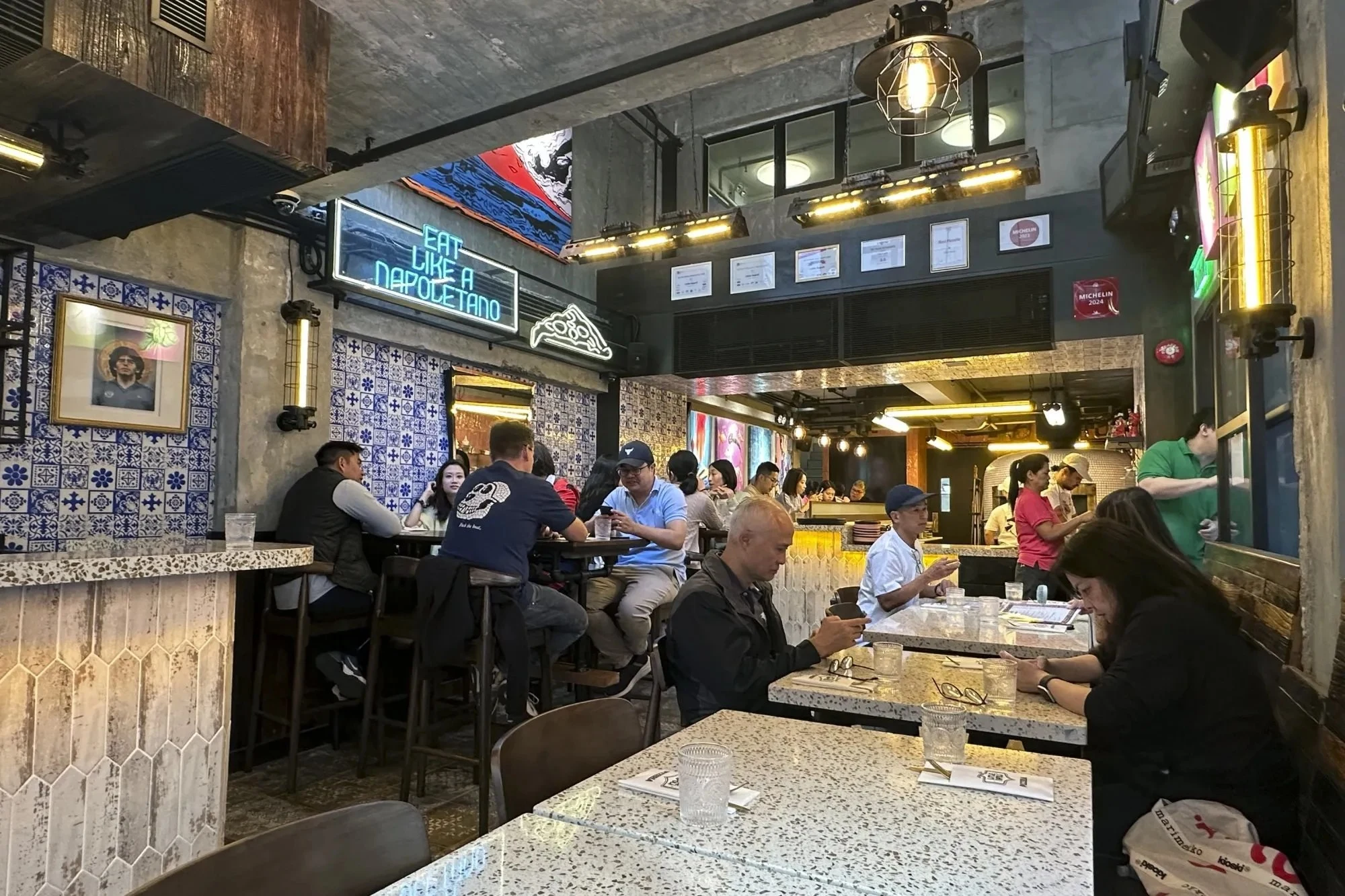
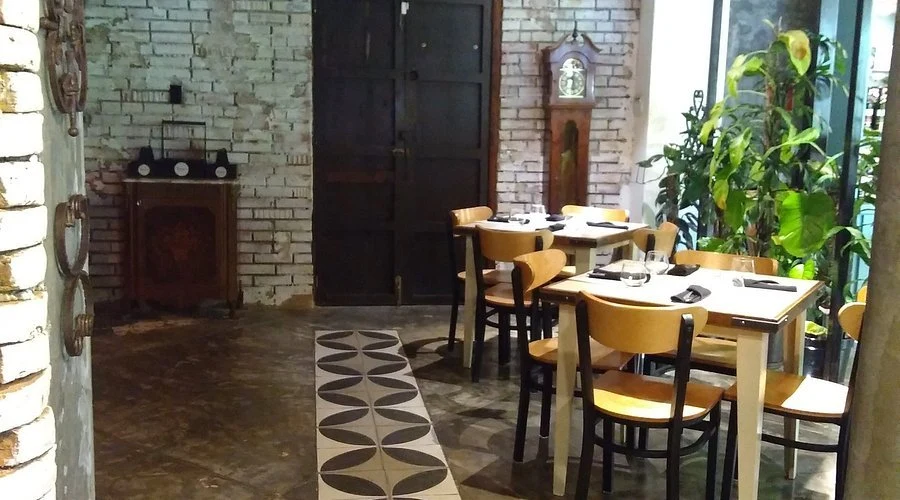
Pampatar sits on the eastern shore of Isla de Margarita, a fishing port turned resort town where most restaurant menus default to local seafood and grilled meat. Against that backdrop, Portarossa occupies a specific and deliberate position: a Neapolitan pizza house anchored in sourdough craft, with stone-walled interiors that signal Italian trattoria rather than Caribbean casual. The rooms carry weight, literally and figuratively, with the texture of the masonry setting an expectation of seriousness that the kitchen then meets. An airy outdoor seating area softens the formality for those who prefer to eat with the island air around them.
This is not the kind of place that appears often in a mid-sized Venezuelan coastal town. In most cities across Latin America, Neapolitan pizza is either diluted into a local idiom or performed with theatrical correctness at high-end urban addresses. Portarossa works in a different register: it applies recognizable Neapolitan discipline, long fermentation, sourdough starter, high-heat cooking, in a setting that is comfortable rather than ceremonial. The result reads as a small neighbourhood institution that happens to be executing at a standard well above its surroundings.
Yoselin María Tavares and the Craft of Sourdough Fermentation
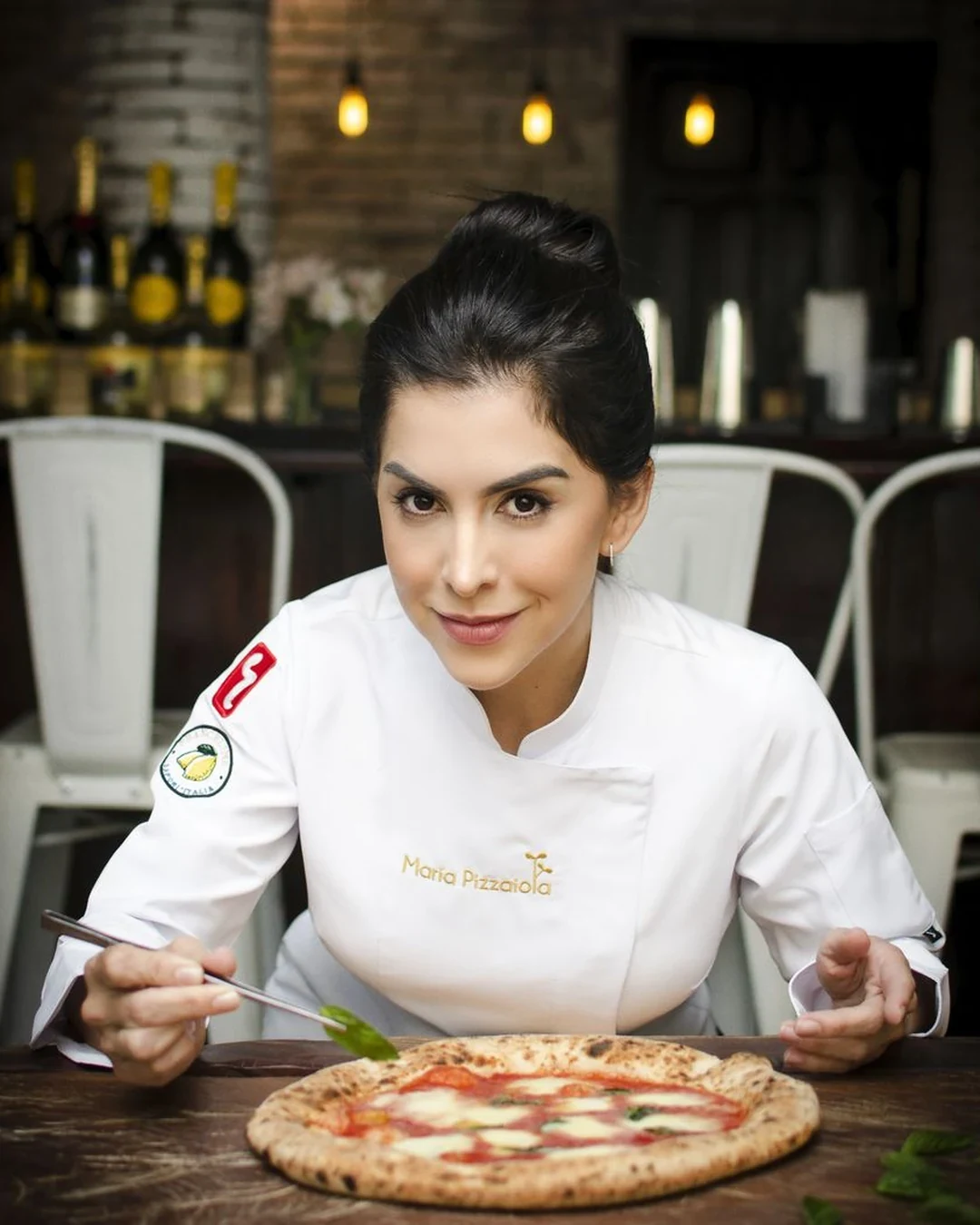
The kitchen is shaped by pizzaiola Yoselin María Tavares, whose work sits at the intersection of Italian technique and Venezuelan context. The editorial angle here is not biographical, it is technical. Across the Neapolitan tradition, the pizzaiola's central challenge is fermentation management: wild yeast starters are sensitive to humidity, temperature, and flour quality, all of which behave differently in a Caribbean coastal climate than they do in Naples. The fact that Portarossa's dough arrives at the table well-leavened, soft through the cornicione, and structurally coherent under its toppings is evidence of a practitioner who has adapted the method rather than simply imported it.
That adaptation matters more than it might seem. Across Latin America's broader restaurant scene, Italian cooking has historically been received as a franchise of European prestige rather than a living craft subject to local reinterpretation. The tier of restaurants doing technically serious Italian work in Venezuela is narrow. Portarossa's approach, sourdough fermentation with a pronounced crust that holds toppings without going soggy, puts it in conversation with that serious tier, regardless of geography.
The Menu: Red Pies, White Pies, and the Logic of Restraint
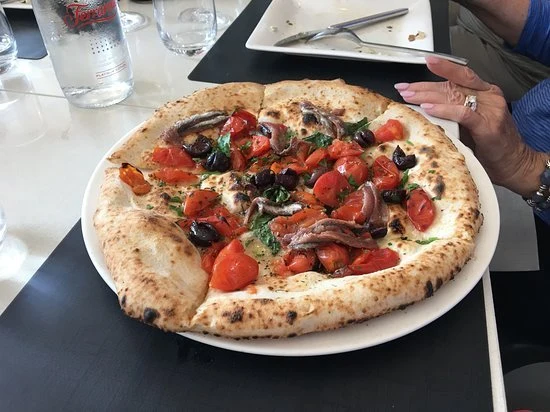
Neapolitan menus are often evaluated by how well the kitchen exercises restraint, and Portarossa's offering follows that logic. The red pizzas, Margherita and Marinara among the classics, are built on San Marzano tomato applied with balance rather than volume. San Marzano, the variety grown in the volcanic plains south of Naples and regulated under its own DOP designation, brings a lower acidity and thicker flesh than standard plum tomatoes; using it correctly means resisting the impulse to overload, so that the fruit flavour registers rather than drowning in cheese or oil. Other tomato varieties and vegetables extend the red category beyond the strict classics.
The white pizzas carry a different logic, using Italian cold cuts to provide depth in the absence of tomato. The finishing oil, applied after the bake rather than before, is described as balanced, which in practice means it reads as seasoning rather than dressing. Cooking precision across formats suggests consistent oven management, the technical variable most likely to expose inconsistency in a pizza kitchen operating at high throughput.
The drink list extends the Italian frame beyond the food. A selection of Italian cocktails is available in a dedicated corner described as comfortable and elegant, a deliberate structural choice that segments the dining rooms from a more bar-adjacent zone.
Value and Context in the Pampatar Dining Scene
Pampatar is not a city where premium Italian technique is easy to find. The island's dining scene has historically been shaped by its tourist economy, beach-adjacent seafood, casual grills, and resort buffet formats. Portarossa operates outside that pattern, delivering a technically disciplined product in a setting with real architectural character at a price point described explicitly as good value for money. That combination, craft execution at accessible pricing, is the working definition of a neighbourhood institution worth seeking out, and it is genuinely uncommon at this standard in a Venezuelan coastal context.
The service is organized and responsive across both the interior rooms and the outdoor area, which points to an operation that has thought through its flow rather than relying on the food alone to carry the experience. That operational coherence is its own signal, particularly in a market where front-of-house consistency is harder to find than kitchen talent.
Portarossa's specific contribution is not scale or spectacle. It is the application of a demanding and detail-sensitive craft in a place where that craft has no obvious local precedent, executed with the consistency that separates a serious kitchen from a novelty one. On an island where the default dining move is waterfront seafood, that is a deliberate and coherent alternative.
Planning Your Visit
Portarossa is located on Calle Joaquín Maneiro in Pampatar, Nueva Esparta. Reservations are recommended, especially on weekend evenings. The venue's outdoor seating provides an alternative to the stone-walled interior for those who prefer open-air dining. Given the good-value-for-money positioning confirmed in independent assessments, Portarossa represents the kind of stop that rewards the effort of locating it rather than defaulting to resort-adjacent options.
Questions
Frequently asked
Who works at Portarossa?
Made By profiles Yoselin Maria Tavares (Chef) at Portarossa.
How expensive is Portarossa?
Portarossa is listed at a price level of $$$.
Where is Portarossa and what does it serve?
Portarossa is in Old Town Pampatar, Pampatar, serving Authentic Neapolitan Pizza.
The field
How it compares
| Place | Cuisine | Notes |
|---|---|---|
| Portarossa | Authentic Neapolitan Pizza | Old Town Pampatar, $$$ |
| Antico Pizza Napoletana | Authentic Neapolitan Pizza | Atlanta |
| Don Antonio | Authentic Neapolitan Pizza | New York City |
| Fiata by Salvatore Fiata | Authentic Neapolitan Pizza | Hong Kong |
| Gino Sorbillo | Authentic Neapolitan Pizza | Naples |
| La Notizia 53 | Authentic Neapolitan Pizza | Naples |
| Little Napoli | Authentic Neapolitan Pizza | Hong Kong |
In residence
Similar places
Authentic Neapolitan Pizza
Antico Pizza Napoletana
Atlanta, United States
Authentic Neapolitan Pizza
Don Antonio
New York City, United States
Authentic Neapolitan Pizza
Fiata by Salvatore Fiata
Hong Kong, Hong Kong
Authentic Neapolitan Pizza
Gino Sorbillo
Naples, Italy
Authentic Neapolitan Pizza
La Notizia 53
Naples, Italy
Authentic Neapolitan Pizza
Little Napoli
Hong Kong, Hong Kong