Porto
- 01CuisineModern Portuguese Fine Dining
- 02CityChicago, United States
- Opinionated About Dining Top Restaurants in North America Ranked #306 · 2025
- Opinionated About Dining Top Restaurants in North America Ranked #320 · 2024
West Town, Portuguese Cooking, and a Quietly Serious Kitchen
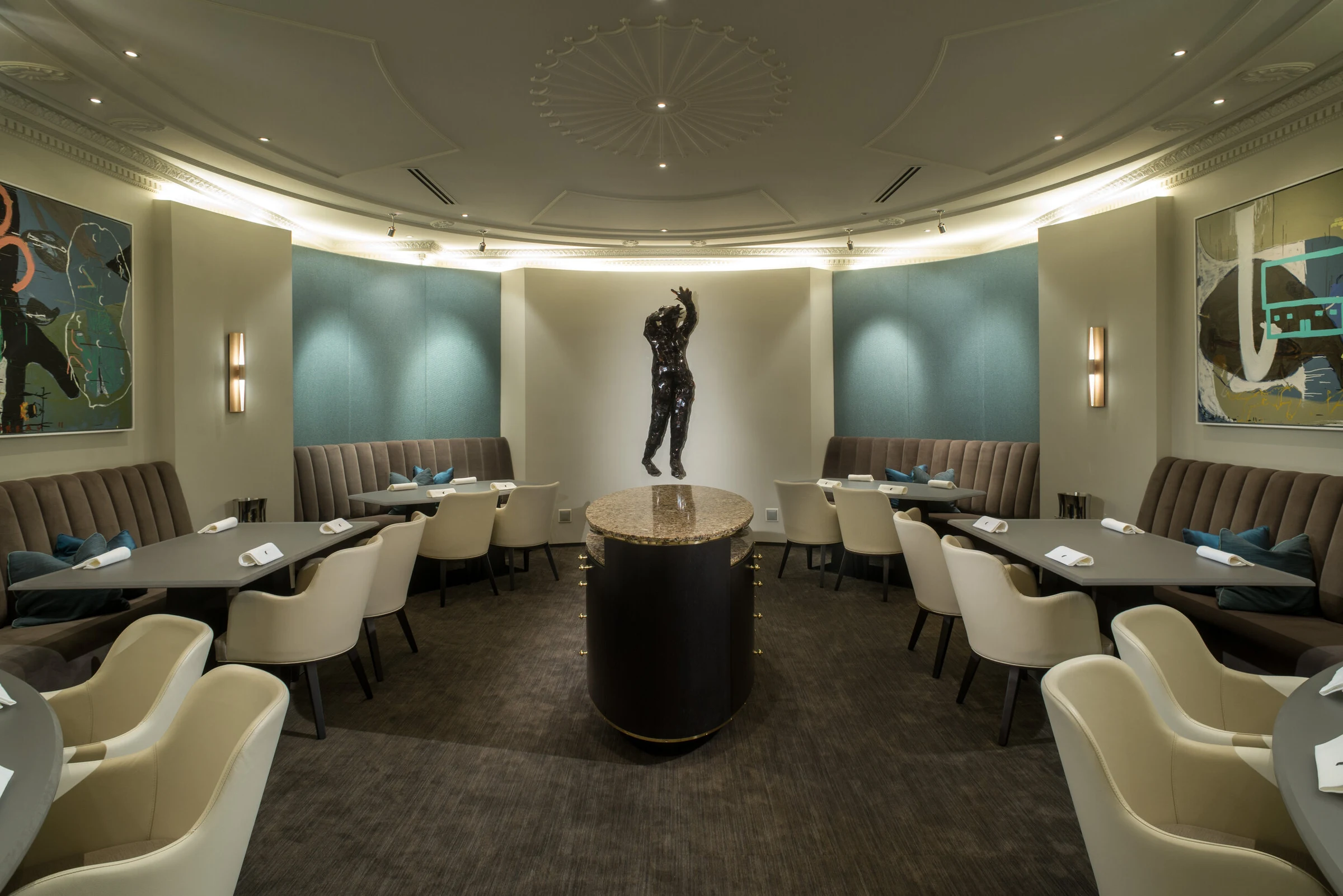
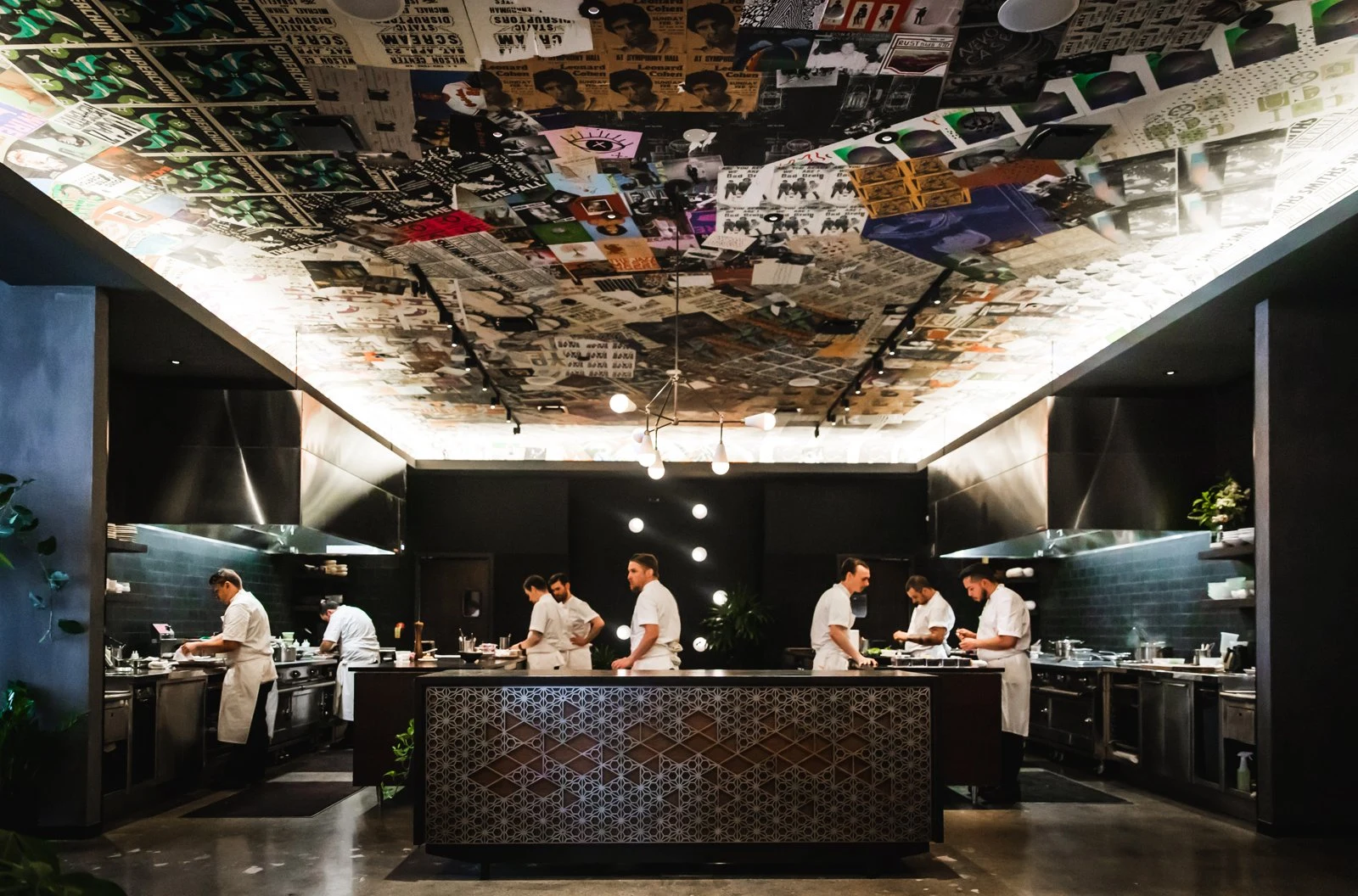
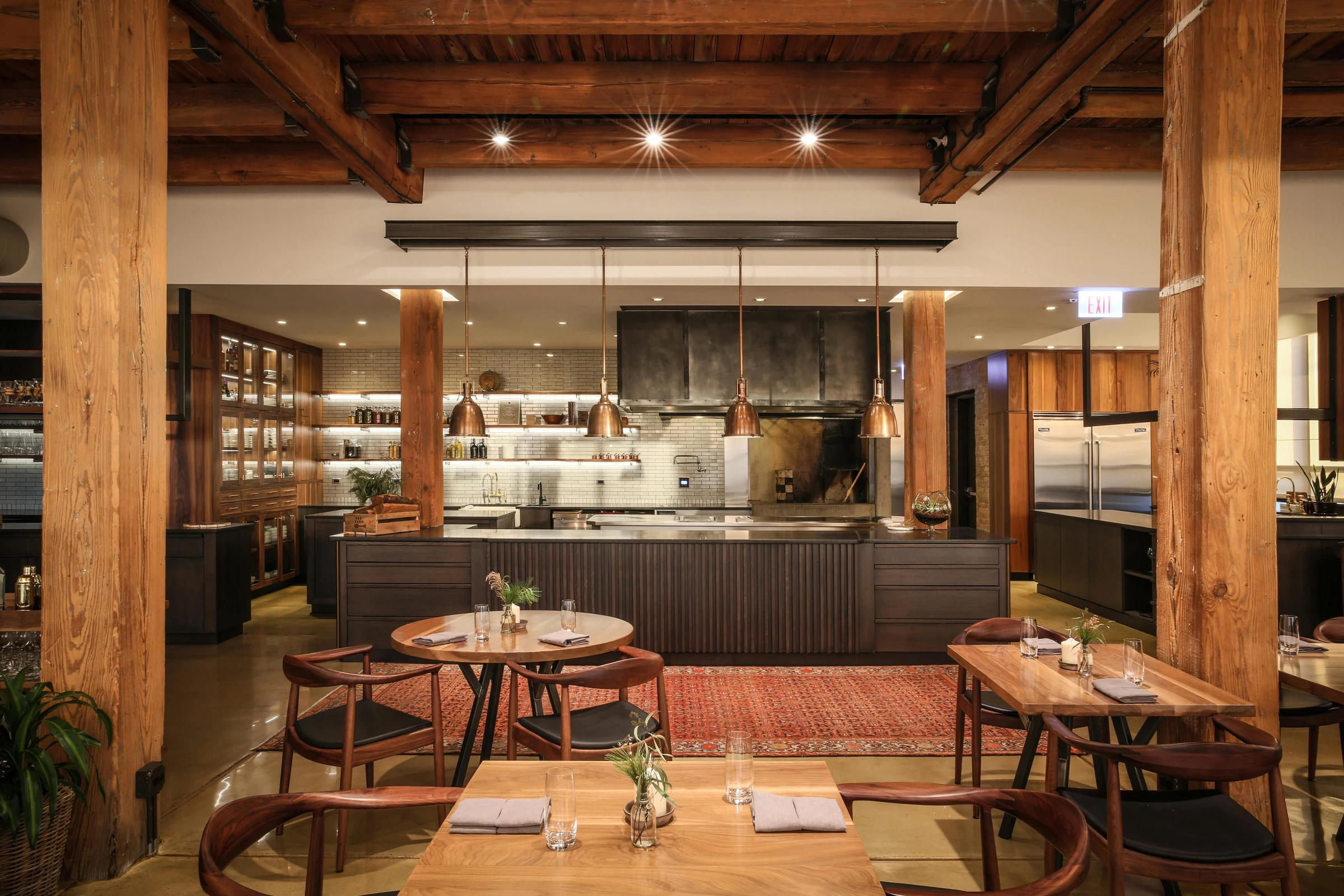
West Chicago Avenue, at its intersection with Ashland, is not the kind of address that signals destination dining. The stretch runs through a neighborhood that has absorbed decades of immigration, first Eastern European, then Mexican, now a mixed residential and commercial corridor where independent restaurants coexist with long-standing taquerias and convenience stores. It is precisely the kind of block where a focused, technique-driven Portuguese kitchen lands without fanfare, which is how Porto has operated since establishing itself here. The room, from the outside, reads as understatement. That understatement carries inside.
Portuguese cuisine occupies an unusual position in the American dining scene. Unlike Italian or French cooking, it has not been domesticated into a wide-ranging casual format that most Americans recognize by instinct. The traditions, salt cod prepared a hundred ways, piri piri applications across proteins, slow-braised meats against rice dishes that absorb cooking fat rather than discard it, and the structural importance of good olive oil and wine in everything, require either a large immigrant community to sustain them or a chef with enough conviction to present them on their own terms. Chicago has a small but active Portuguese-American community, not large enough to produce a critical mass of Portuguese restaurants. Porto is, effectively, working largely without a category safety net.
The OAD Signal and What It Actually Means
Opinionated About Dining ranked Porto among its leading restaurants in North America at position 306 in 2025. For those unfamiliar with OAD's methodology: the list is compiled from a curated panel of serious diners and food professionals rather than professional critics alone, which makes it a different instrument than a Michelin guide or a 50 Best ranking. Movement up the list over a calendar year, even incrementally, reflects a growing consensus among people who eat at this level regularly, not a single reviewer's visit. In Chicago's competitive environment, where Alinea, Smyth, Oriole, Kasama, and Next Restaurant all operate at a price tier anchored by tasting menus and composed courses, Porto's placement represents something worth paying attention to.
The 4.1 Google rating across 309 reviews is an honest number rather than a performing one. Restaurants angling for algorithmic favor tend to skew higher through solicited reviews; a 4.1 with three hundred responses usually reflects a genuine spread of experiences, including the occasional diner who arrived expecting something other than what Porto actually does.
The Sustainability Argument for Old-World Cooking
Portuguese cuisine, practiced faithfully, is structurally aligned with what the contemporary food world now calls sustainable cooking, not because any marketing language has been applied to it, but because the tradition predates the concept. The cuisine's foundational ingredients are those that fit naturally into low-waste preparation: salt cod (bacalhau) is preserved fish that requires no refrigeration in its dried form; the vegetable-forward soups and rice dishes that anchor the domestic table use whole cuts, bones, and cooking liquids completely; seafood preparations lean toward species that remain accessible because they are not the fashionable proteins being over-harvested at fine dining volume.
Across contemporary American fine dining, from Le Bernardin in New York City to Lazy Bear in San Francisco to Providence in Los Angeles, chefs have worked to build menus around ingredient integrity and whole-use sourcing as a deliberate editorial choice. Portuguese cooking arrives at similar outcomes through a different route: economic necessity over centuries produced a cuisine where nothing is discarded, fat is used rather than drained, and the most celebrated dishes are those that transform preserved or overlooked proteins into something deeply seasoned and worth eating slowly. A kitchen honoring that tradition does not need to invent a sustainability program; the program is the cuisine itself.
This is a useful frame for understanding Porto's position relative to its Chicago peers. The restaurants it sits near on the OAD list are largely expensive tasting-menu formats with explicit sourcing narratives and formal sustainability commitments. Porto's version of that argument is quieter and more structural: it is embedded in the cuisine's logic rather than communicated through a front-of-house script.
How Porto Compares to Its comparable set
| Venue | Cuisine | Format | OAD North America Rank (2025) | Service Days |
|---|---|---|---|---|
| Porto | Portuguese | Lunch & dinner | #306 | Tue–Sat |
| Alinea | Progressive American | Tasting menu | Top-ranked Chicago | Variable |
| Smyth | Progressive American | Tasting menu | Top-ranked Chicago | Variable |
| Kasama | Filipino | Tasting menu (dinner) | Highly ranked | Variable |
| Next Restaurant | American | Tasting menu | Listed | Variable |
The format difference matters: Porto operates a structured lunch and dinner service across a five-day week rather than a single nightly seating or a ticket-based tasting menu. That makes it accessible in a way that some of its OAD peer group is not.
Portuguese Cooking at This Level, Globally
For context on what serious Portuguese cooking looks like when it is given full culinary attention, two references are worth noting. A Taberna da Rua das Flores in Lisbon operates as one of the definitive examples of the tradition executed with restraint and confidence in its home city. Albergue 1601 in Macau represents the cuisine's reach across its former colonial networks. Porto in Chicago is not positioning itself in the Lisbon tradition or the Macanese one; it is doing something arguably more complicated, which is presenting Portuguese cooking seriously in a North American city where almost no reference point exists for diners encountering it for the first time.
The comparison set that makes most sense for Porto in Chicago is not its West Town neighbors or even its OAD-ranked American counterparts, it is Emeril's in New Orleans in the sense of what it means to carry a cuisine's identity into a context that requires the kitchen to be the primary ambassador. The difference is that New Orleans has a deep local food culture Porto can draw on; Portuguese cuisine in Chicago requires the restaurant to do more of the explanatory work itself.
Planning a Visit
Porto is located at 1600 W Chicago Ave, Chicago, IL 60622, in West Town. The service schedule is Tuesday through Saturday, with lunch from 12:30 to 14:30 and dinner from 19:30 to 22:30. The kitchen is closed Sunday and Monday.
The Google rating of 4.1 across 309 reviews, combined with an OAD North America ranking in 2025, suggests the kitchen is delivering consistently enough to hold and build its reputation.
What to Order at Porto
What's the must-try dish at Porto?
Portuguese cooking's most structurally important preparations, salt cod in its various forms, pork and clam combinations (a signature of Alentejo cuisine), and seafood rice dishes cooked in concentrated broth, are the formats that distinguish a serious Portuguese kitchen from a casual one. Under Marcos Campos, with consecutive OAD North America rankings placing Porto at #306 in 2025, the kitchen is clearly working at a level where those preparations are worth seeking. The lunch format, which runs 12:30 to 14:30 Tuesday through Saturday, is often where kitchens of this type are most confident: shorter menus, tighter execution, and the cooking that defines the restaurant's actual identity rather than a version adjusted for evening expectations.
Questions
Frequently asked
How expensive is Porto?
Porto is listed at a price level of $$$.
Where is Porto and what does it serve?
Porto is in West Town, Chicago, serving Modern Portuguese Fine Dining.
The field
How it compares
| Place | Cuisine | Notes | Awards |
|---|---|---|---|
| Porto | Modern Portuguese Fine Dining | West Town, $$$ | · |
| Alinea | Avant-Garde Molecular Gastronomy | Chicago | Michelin 3 Stars, World's 50 Best |
| Asador Bastian | Basque-Inspired Steakhouse | Chicago | · |
| Ever | Modern American Fine Dining | Chicago | Michelin 2 Stars |
| Kumiko | Japanese Dining Bar | Chicago | · |
| Oriole | Modern French-Japanese Tasting Menu | Chicago | Michelin 2 Stars |
| Smyth | Modern American Tasting Menu | Chicago | Michelin 3 Stars, World's 50 Best |
Featured in
Similar places
Avant-Garde Molecular Gastronomy
Alinea
Chicago, United States
★★★ · 50 Best
Basque-Inspired Steakhouse
Asador Bastian
Chicago, United States
Modern American Fine Dining
Ever
Chicago, United States
★★
Japanese Dining Bar
Kumiko
Chicago, United States
Modern French-Japanese Tasting Menu
Oriole
Chicago, United States
★★
Modern American Tasting Menu
Smyth
Chicago, United States
★★★ · 50 Best