Jl. Petitenget and the address that shapes the stay
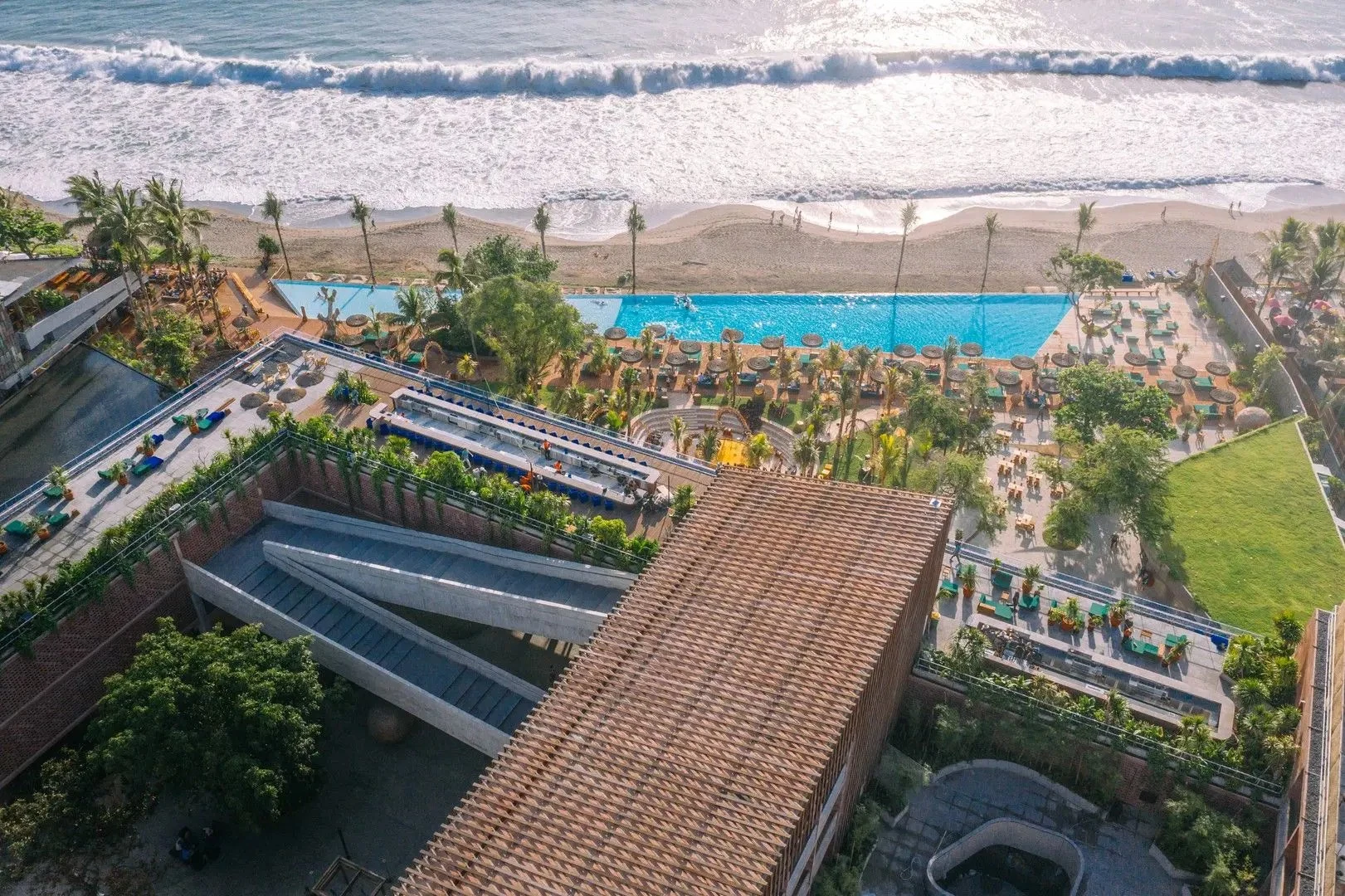
Seminyak's Jl. Petitenget corridor has become the reference strip for Bali's design-conscious hotels, attracting properties that trade on architecture and cultural programming rather than resort scale alone. Potato Head Suites & Studios sits on that strip at No. 51B, and the address does specific work: it places guests within walking range of Seminyak's restaurant cluster while keeping them at the quieter, more local-facing end of the beach road, away from the commercial density of the Legian end. That positioning matters when the property itself functions as a destination. The 88 suites anchor a full creative village, bars, restaurants, a beach club, an outdoor amphitheatre, sculpture gardens, a music venue, and a wellbeing centre, meaning the question of what's nearby is partly answered by what's already on site. For guests comparing options along this stretch, including Alila Seminyak, The Legian Seminyak, and W Bali – Seminyak, the distinction is that Potato Head operates less like a hotel with amenities and more like a neighbourhood within a neighbourhood.
Two buildings, two readings of Balinese materiality
The property's dual-building structure reflects a deliberate editorial choice about what luxury in Bali can mean. In the Andra Matin-designed building, suites draw on local craftsmanship, Balinese artisans working with regional materials and traditional construction techniques produce interiors that read as warm and rooted, connected to the island's making traditions. In the OMA-designed building, the register shifts: interiors are sleeker and more contemporary, built substantially from reclaimed and repurposed materials, with the aesthetic language of adaptive reuse rather than heritage craft. Neither building subordinates itself to the other; they operate as different arguments about the same underlying commitment to material care. This dual-architecture format is uncommon in Bali's luxury segment, where most properties converge on a single design language, either tropical vernacular or international minimalism. The coexistence of both, designed by two practices with distinct international profiles, gives the property a comparable set that extends beyond Seminyak. Properties like Bambu Indah in Banjar Badung pursue heritage craft with similar conviction, while Desa Seni Baturiti in Tabanan takes a comparable village-format approach, but the OMA contribution at Potato Head places it in a different conversation about international architectural ambition in Indonesian hospitality.
The Sunday email
Read about the people behind hotels like Potato Head Suites & Studios in the Sunday email.
Every Sunday we send a lead story and up to four more about the chefs, winemakers, sommeliers and hoteliers behind the restaurants, bars, wineries and hotels we cover.
Recent stories


Free. One email a week, and you can unsubscribe from any issue.
The village format and what it changes about a Bali stay
Bali's premium hospitality has historically been organised around the private villa, a contained compound offering seclusion, a personal pool, and a fixed daily rhythm. Desa Potato Head inverts that logic. The 88 suites feed into shared social infrastructure: a library, multiple bars and restaurants, a beach club on the Indian Ocean, sculpture gardens, an outdoor amphitheatre, and a music venue described as state-of-the-art. The result is a property where the common spaces carry as much programming weight as the rooms themselves. This positions Potato Head closer to the creative campus model, where guests are expected to move through the property, encounter cultural events, and use the venue as a social base, than to the traditional resort model, where amenities exist primarily to support in-room seclusion. For guests accustomed to the private villa format found at properties like Alila Villas Uluwatu or the reserve-scale isolation of Mandapa, a Ritz-Carlton Reserve in Ubud, the village format represents a fundamentally different proposition. It suits guests who want cultural density alongside comfort, rather than withdrawal from it.
Sustainability as operating principle, not positioning
The World's 50 Best Hotels Eco Award, received at the most recent awards ceremony, and B Corp certification together place Potato Head in a tier of properties where sustainability functions as an operating system rather than a communications layer. The 0.5% waste-to-landfill figure is the most concrete data point: at that level, the property has effectively closed its material loop on waste, which requires supply chain discipline, kitchen practice, and facilities management working in alignment rather than in isolation. The dining program reflects the same logic, local sourcing, whole ingredients, and circular practices are documented commitments rather than menu copy. Within Indonesia's broader hospitality picture, this level of verified environmental performance is uncommon. Nihi Sumba pursues community-impact models in Sumba, and Hotel Komune and Beach Club Bali in Gianyar has its own sustainability commitments, but the combination of B Corp status, 50 Best Eco recognition, and documented landfill metrics at Potato Head represents a specific and measurable cluster of credentials. The property's La Liste Leading Hotels score of 91 points for 2026 adds another measure of recognition.
Wellness in context
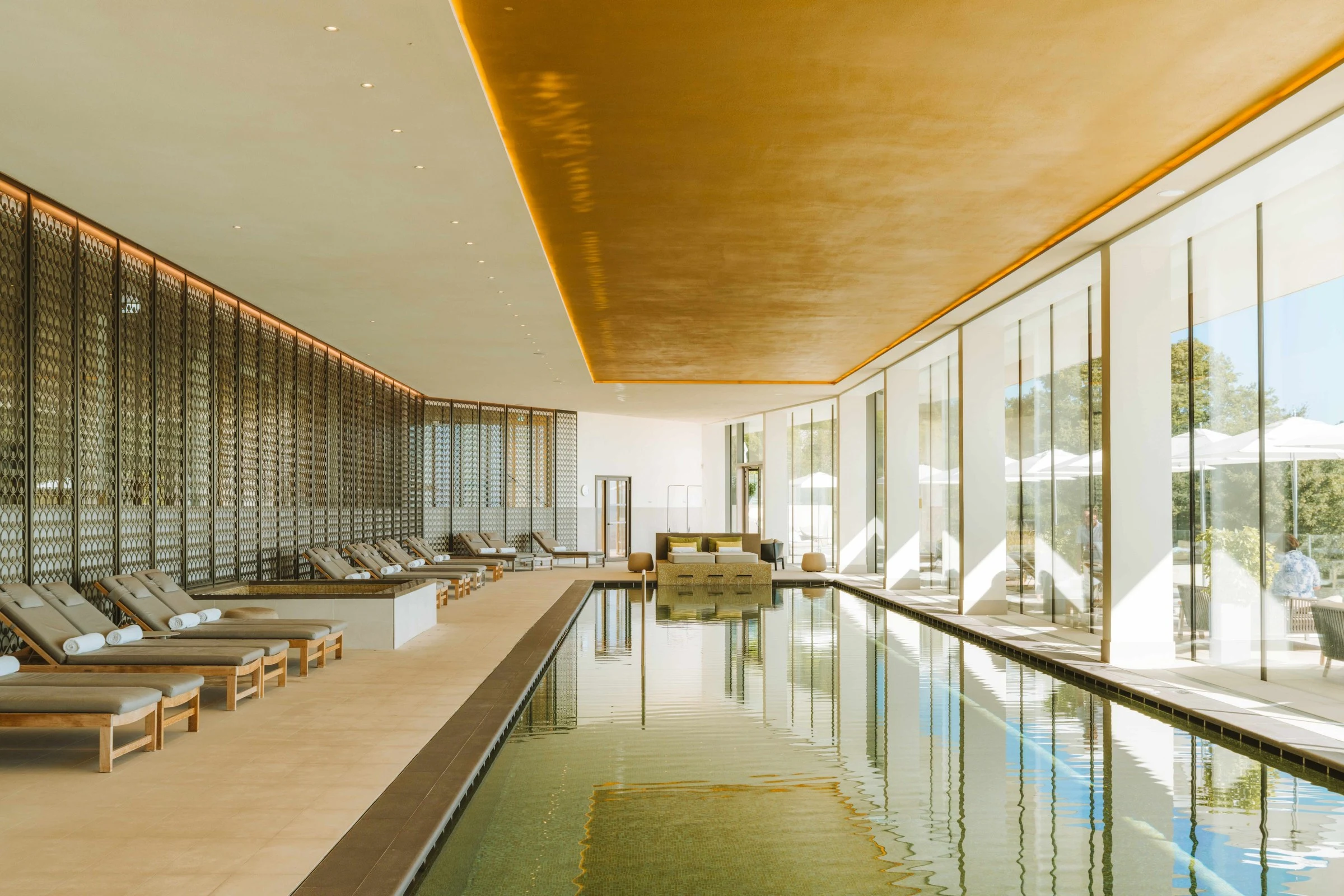
The wellbeing centre operates in a register that connects innovation with tradition, culturally rooted treatments alongside contemporary wellness approaches. This framing matters in Bali, where the wellness market ranges from luxury resort spa formats to genuinely practitioner-led healing traditions. The island has its own deep wellness infrastructure, and properties that engage with local tradition rather than importing a generic spa menu tend to deliver experiences with more specificity and depth. Potato Head's positioning within that spectrum places it closer to properties like Bliss Sanctuary for Women Seminyak and Bliss Sanctuary for Women Villa Peace, which make wellness the organizing principle of the stay, though Potato Head integrates it within a broader cultural and social program rather than centering it exclusively. Daily rituals and a slower, more deliberate pace are built into the property's rhythm by design.
Questions
Frequently asked
What recognition does Potato Head Suites & Studios hold?
Potato Head Suites & Studios holds 1 Michelin key.
Who works at Potato Head Suites & Studios?
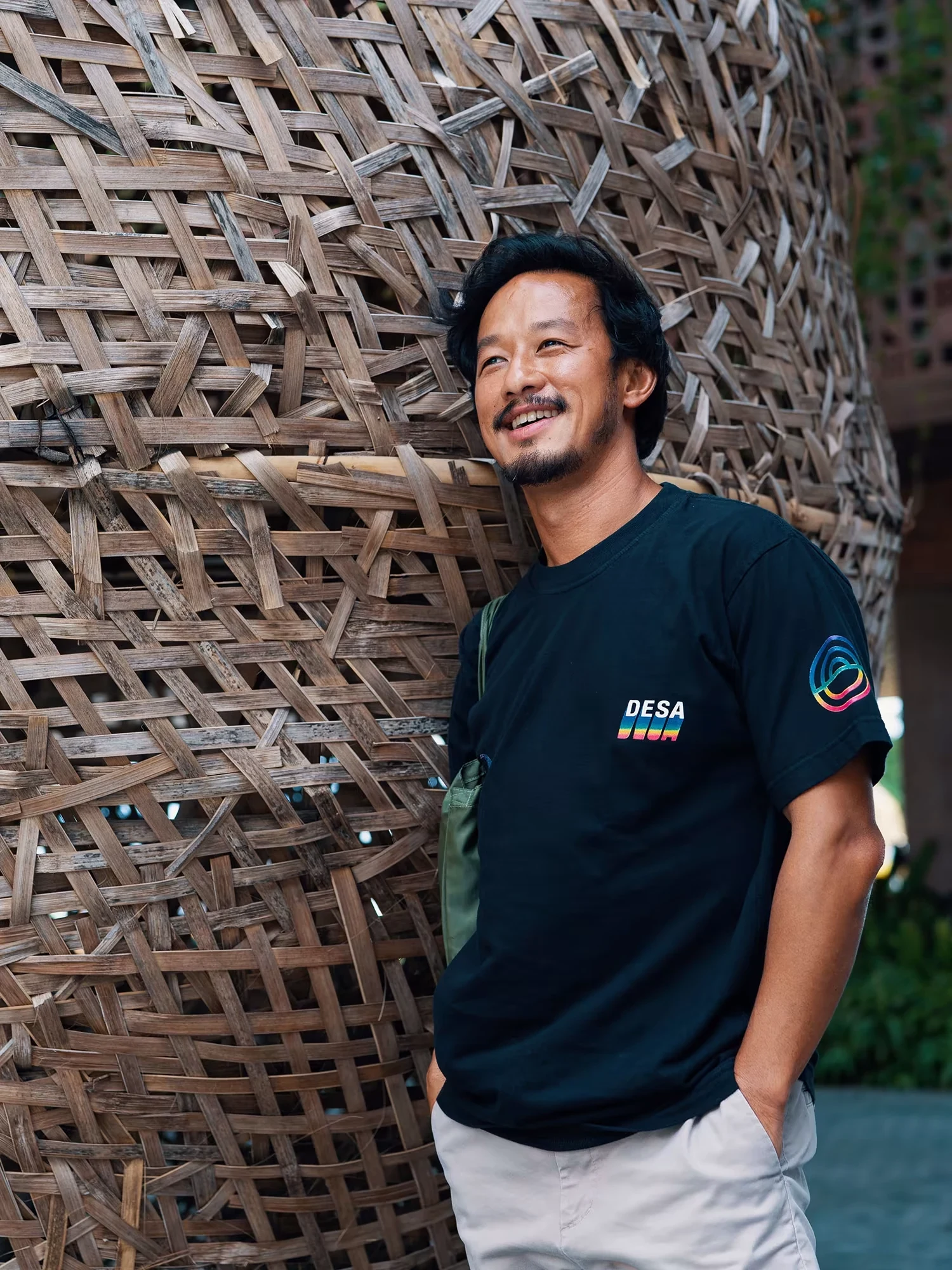
Made By profiles Ronald Akili (Founder) at Potato Head Suites & Studios.
How expensive is Potato Head Suites & Studios?
Potato Head Suites & Studios is listed at a price level of $$$$.
The field
How it compares
| Place | Awards | Notes |
|---|---|---|
| Potato Head Suites & Studios | Michelin 1 Key | Seminyak, $$$$ |
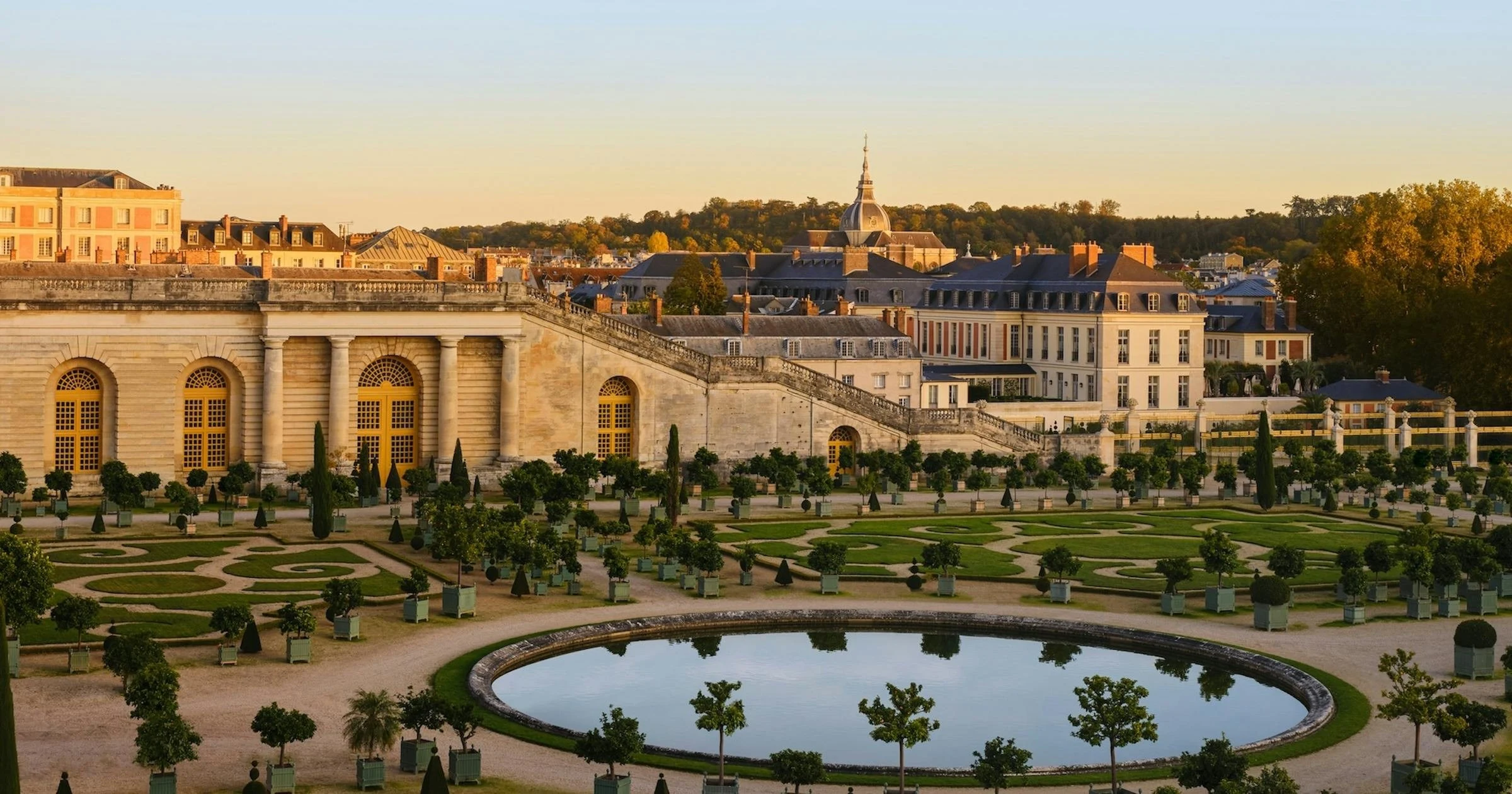
| Airelles Château de Versailles - Le Grand Contrôle | Michelin 3 Keys | Versailles |
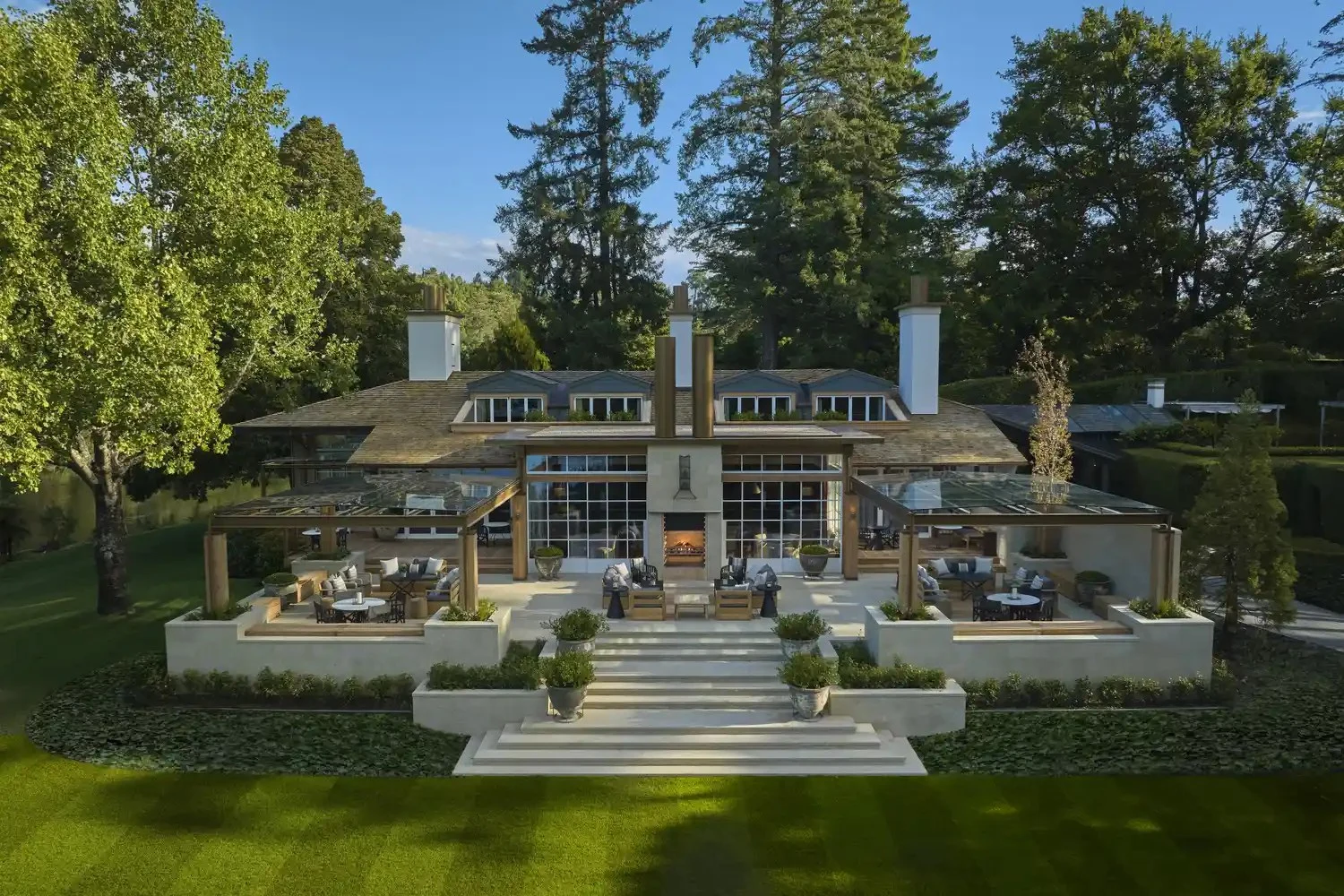
| Huka Lodge | Michelin 2 Keys, 50 Best | Taupo |
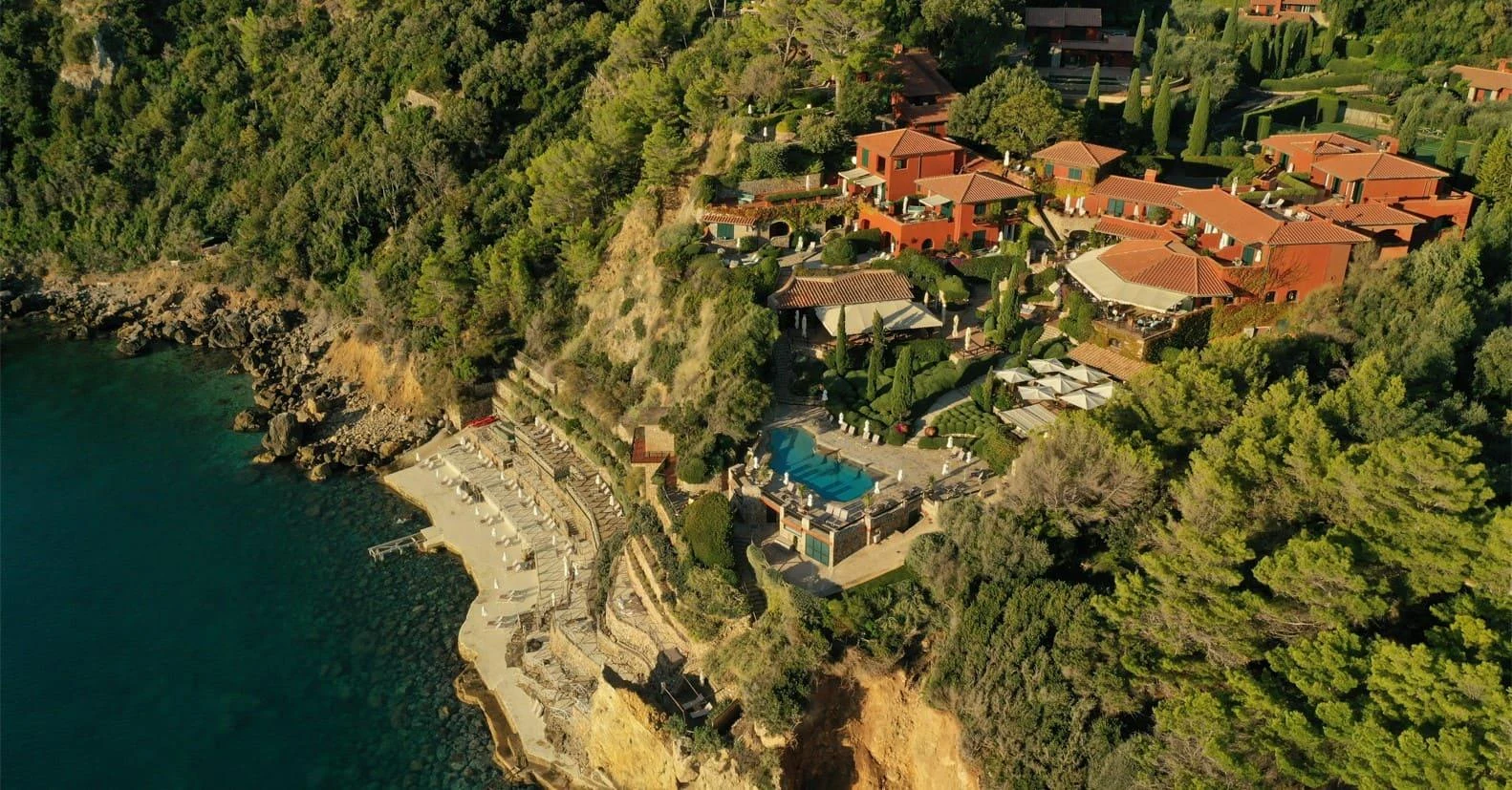
| Il Pellicano | Michelin 1 Key, 50 Best | Porto Ercole |
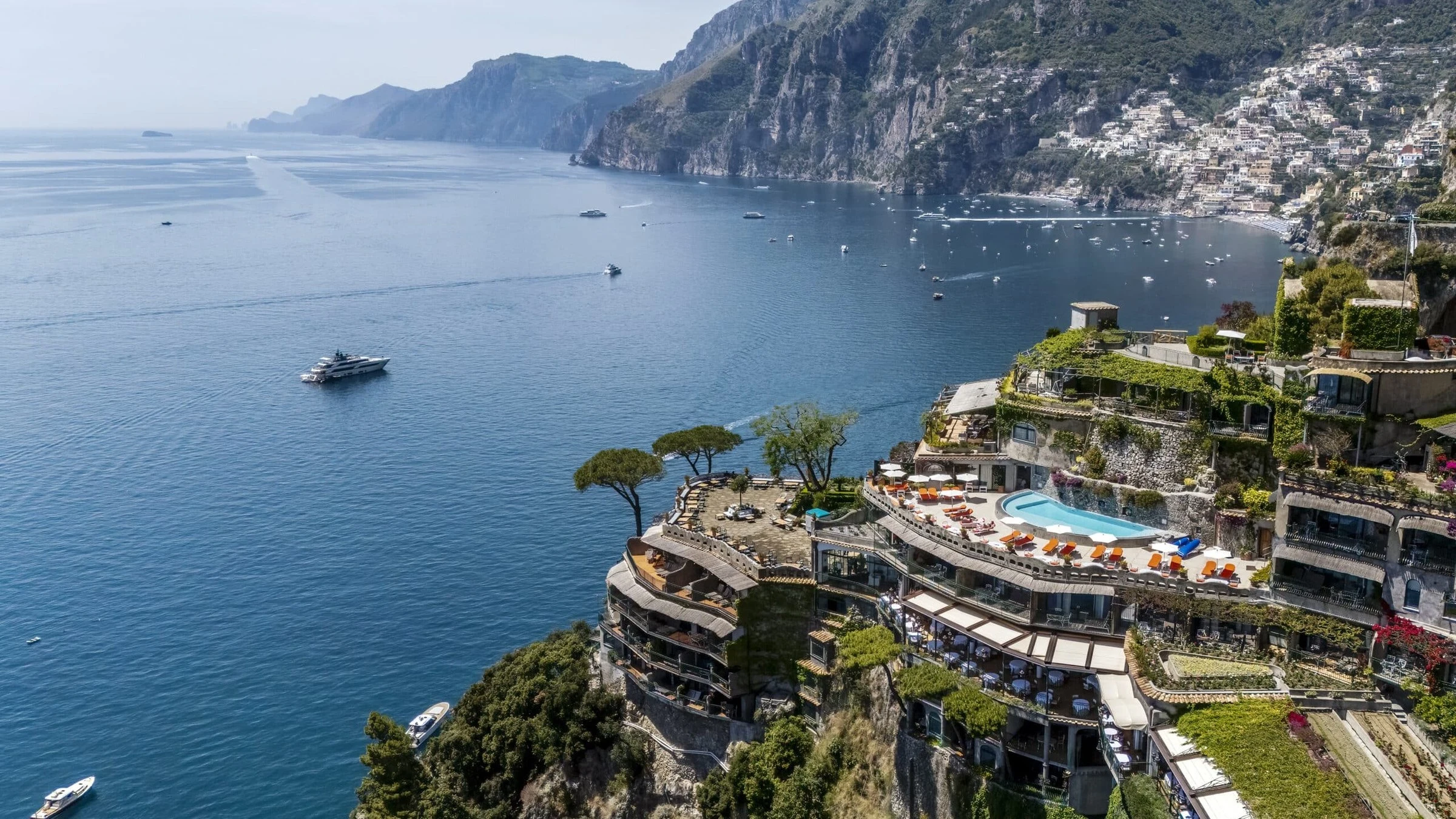
| Il San Pietro di Positano | Michelin 3 Keys | Positano |
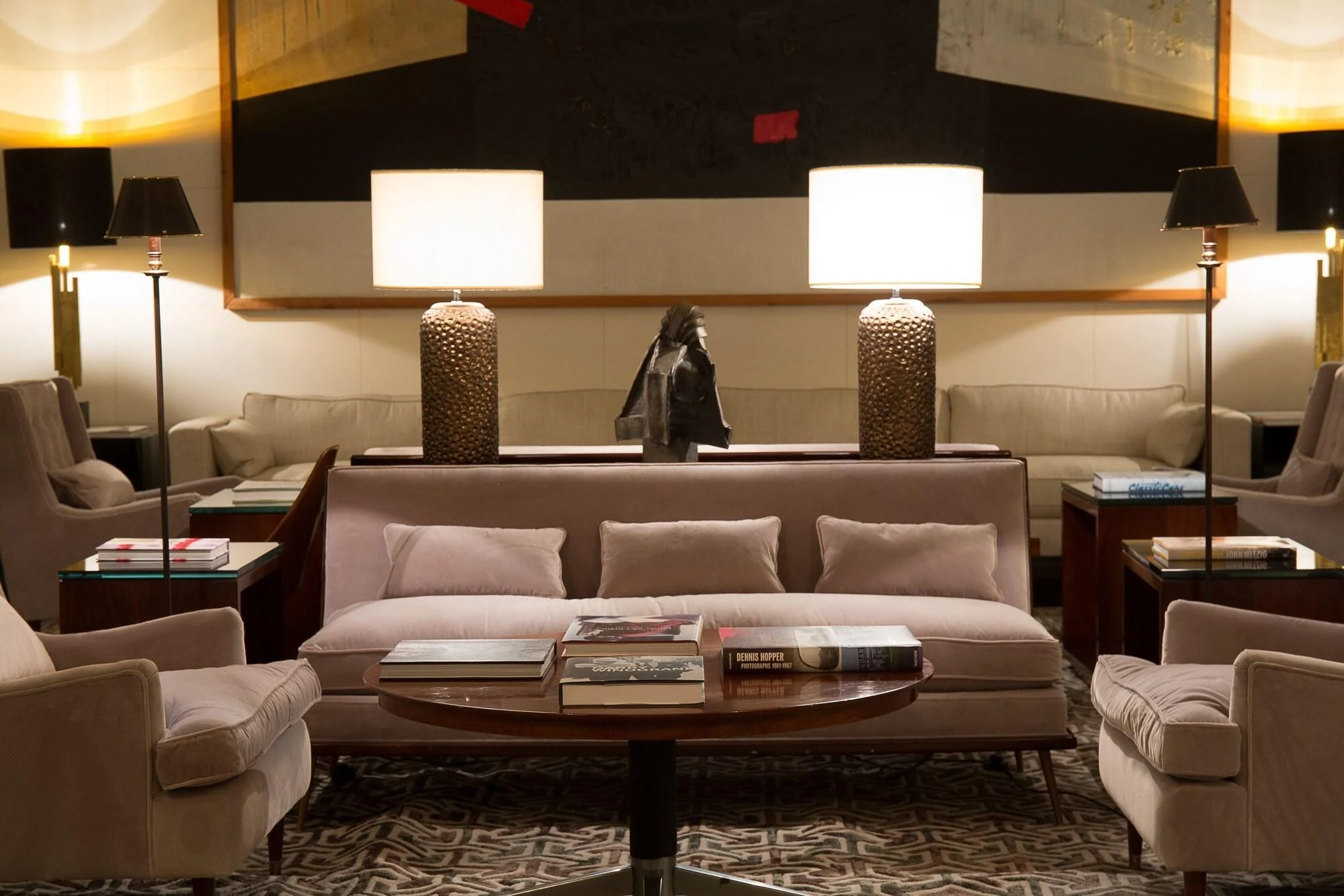
| JK Place Roma | Michelin 1 Key | Rome |
| Royal Champagne Hotel & Spa | Michelin 3 Keys | Champillon |
Similar places
The Sunday email
Read about the people behind hotels like Potato Head Suites & Studios in the Sunday email.
Every Sunday we send a lead story and up to four more about the chefs, winemakers, sommeliers and hoteliers behind the restaurants, bars, wineries and hotels we cover.
Recent stories
Free. One email a week, and you can unsubscribe from any issue.