Puntarena

In Residence
Federico Rigoletti
Chef
- 01CuisineModern Mexican Pacific Seafood
- 02CityMadrid, Spain
- Michelin Plate · 2026
- Macarfi 7.5 Food Rating · 2026
- Opinionated About Dining Casual in Europe Recommended · 2026
- Michelin Plate · 2025
- Opinionated About Dining Casual in Europe · 2025
- Michelin Plate · 2024
Mexico's Pacific Shore, Translated for Madrid
There is a particular kind of restaurant that Madrid does quietly well: the specialist import. Not the pan-Latin concept or the taco bar, but a place with a narrow geographic fixation and enough discipline to hold to it. Puntarena is a restaurant in Madrid's Chamberí, serving modern Mexican Pacific seafood. Its reference point is the Pacific coast of Mexico, specifically the fishing culture and seasonal catch rhythms of ports like the Sinaloan town that gives the restaurant its name. The setting carries institutional weight before you even look at a menu, the Casa de México gives the room a cultural context that a standalone restaurant rarely achieves.
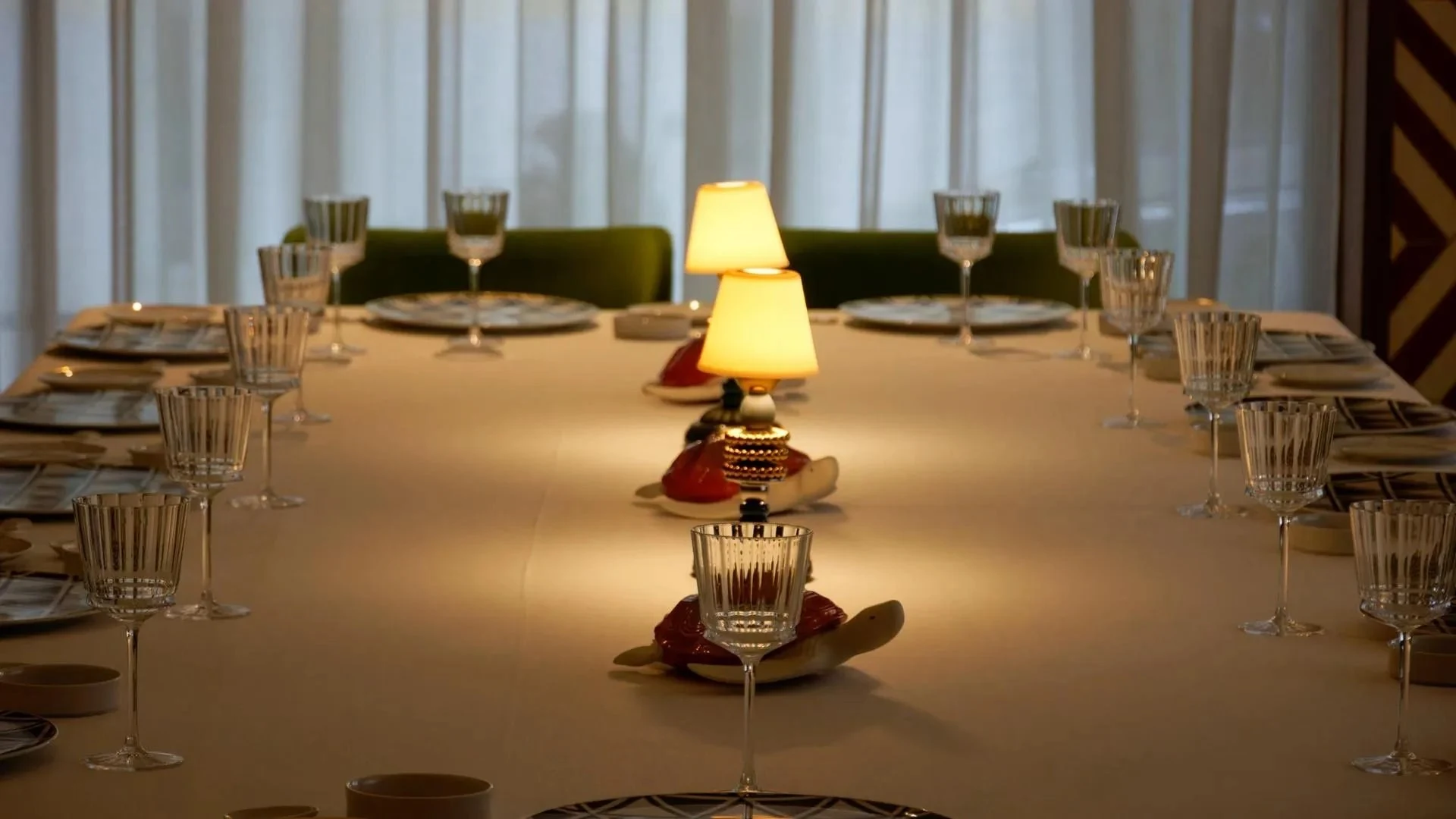
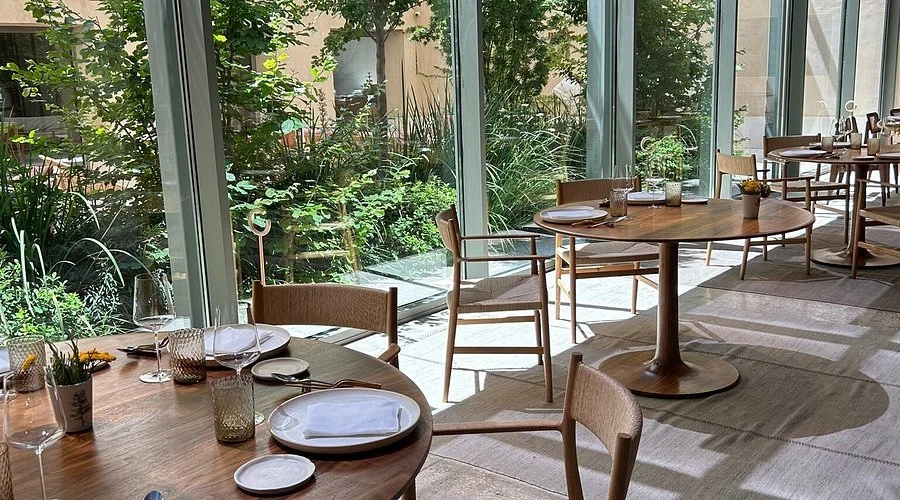
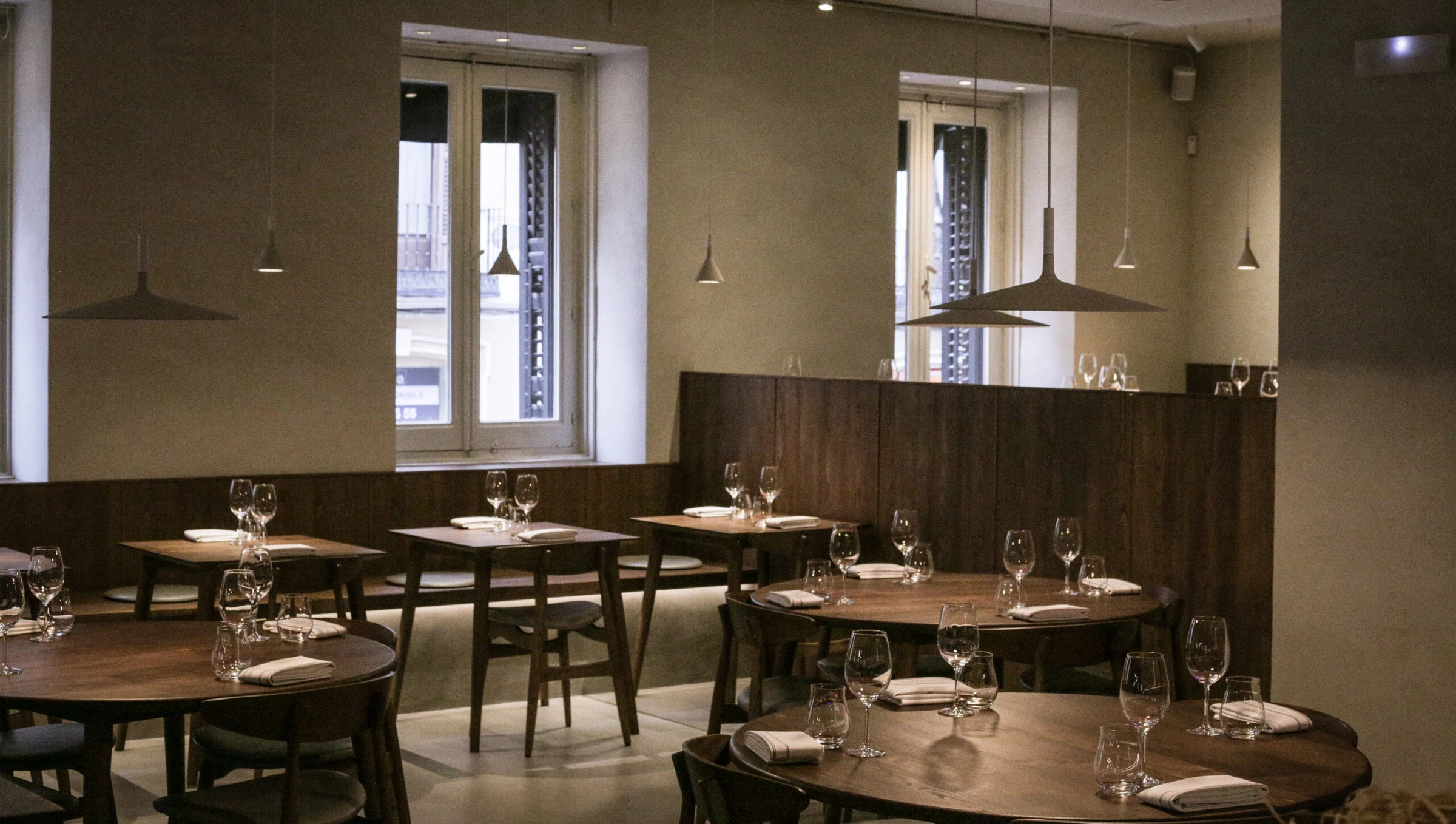
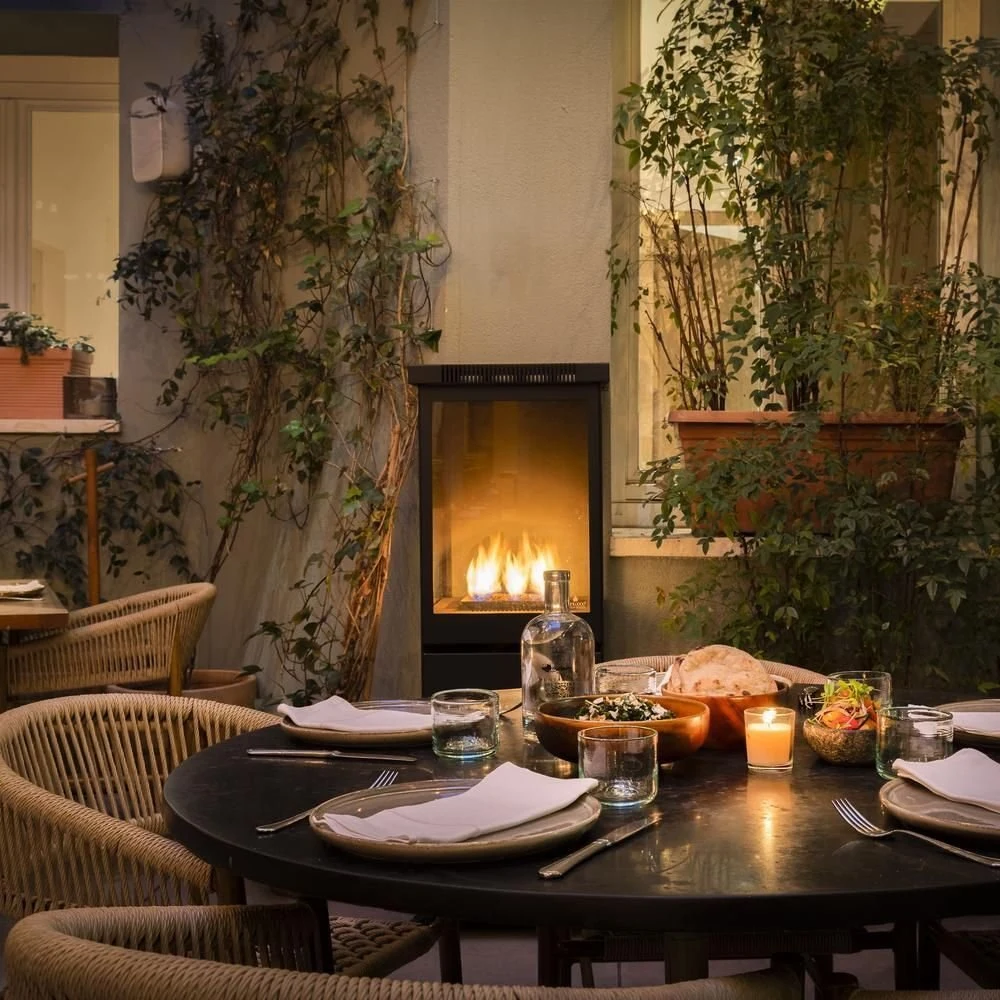
The dining room reads as contemporary rather than folkloric. There is no attempt to recreate a beachside palapa or lean into the visual shorthand of Mexican restaurant design. The ambience is calibrated closer to a European bistro with Mexican coordinates, which suits the Chamberí neighbourhood, an area of Madrid that runs towards residential confidence over tourist spectacle.
The Seasonal Logic of Pacific Mexican Seafood
Pacific Mexican cooking is more tide-dependent than most European diners realise. The seafood traditions of Sinaloa, Nayarit, Jalisco, and down into Guerrero follow the calendar of the Pacific closely: octopus, various shellfish, white-fleshed fish, and the cured preparations that developed as preservation techniques long before refrigeration. What arrives in the kitchen in January differs from what defines August service. This is the underlying structure that makes the cuisine interesting to follow across the year, and it is the lens through which Puntarena's menu makes most sense.
Mexico's Pacific coast produces some of the country's most technically complex seafood preparations. Aguachiles, tiraditos, and ceviches all carry the acidity and heat architecture that distinguishes this tradition from Caribbean or Gulf approaches. The curing and marinating times, the chile varieties used, and the balance between citrus and raw heat shift with the season and the catch. A restaurant working seriously within this tradition is not simply offering "Mexican fish", it is tracking a specific culinary geography that has its own internal rules.
The dish, known as pulpo enamorado, sits at the intersection of technique and tradition: octopus cooked to a specific texture, finished with the flavour combinations that characterise the Pacific coast approach. This is the kind of dish that anchors a menu and gives returning diners a fixed point of reference across seasonal rotations.
Where Puntarena Sits in Madrid's Restaurant Hierarchy
Madrid's premium dining tier is heavily occupied by creative Spanish and progressive international formats. DiverXO, Coque, Deessa, DSTAgE, and Paco Roncero all operate at €€€€ with tasting menu formats and Michelin star recognition. Puntarena occupies a different register entirely: €€€ pricing, a menu that allows for ordering around a table rather than surrendering to a fixed sequence. The Plate designation signals that Michelin's inspectors found cooking that merits attention without the full tasting-menu infrastructure of the starred tier.
OAD's casual category is a deliberately broad net, but inclusion signals that the restaurant registers on the radar of diners who eat seriously and travel specifically to eat. For a Mexican seafood specialist in a city where the dominant reference points are Spanish, that cross-recognition carries weight.
Compared to Spain's broader seafood conversation, which runs through Aponiente in El Puerto de Santa María, Quique Dacosta in Dénia, and the Basque tradition represented by Arzak, Puntarena is arguing for a completely different ingredient culture and technique set. It is not competing in the Iberian seafood canon; it is proposing an alternative one.
El Celler de Can Roca in Girona, Azurmendi in Larrabetzu, and Disfrutar in Barcelona all sit at the higher end of the national conversation. Puntarena's contribution is narrower but no less serious: it is making the case that Mexico's Pacific coast has a culinary tradition worth presenting at this level of care in a European capital.
El Colibrí in Santa Catalina and Marisquería el K-guamo in Mexico City offer points of reference in the cuisine's home territory.
Chef and Kitchen Orientation
Federico Rigoletti leads the kitchen. That kind of consistency, across both critical and popular review systems, suggests a kitchen operating with clarity of intent rather than chasing novelty.
Planning Your Visit
Questions
Frequently asked
Who works at Puntarena?
Made By profiles Federico Rigoletti (Chef) at Puntarena.
How expensive is Puntarena?
Puntarena is listed at a price level of $$$.
Where is Puntarena and what does it serve?
Puntarena is in Arapiles, Madrid, serving Modern Mexican Pacific Seafood.
The field
How it compares
| Place | Cuisine | Notes | Awards |
|---|---|---|---|
| Puntarena | Modern Mexican Pacific Seafood | Arapiles, $$$ | · |
| Coque | Modern Spanish Fine Dining | Madrid | Michelin 2 Stars |
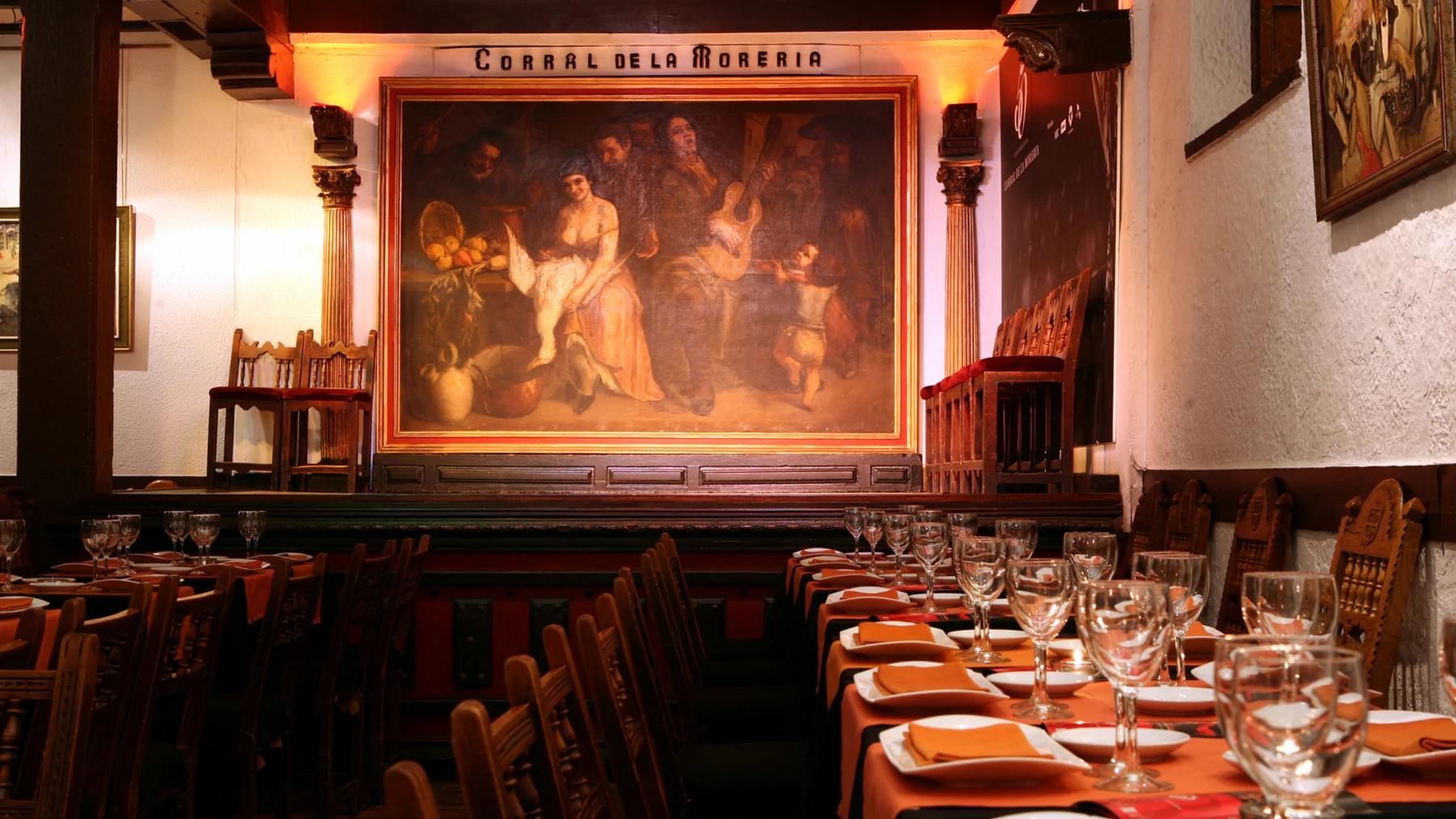
| Corral de la Morería | Modern Spanish Fine Dining with Flamenco | Madrid | Michelin 1 Star |
| Desde 1911 | Premium Seafood Fine Dining | Madrid | Michelin 1 Star |
| DiverXO | Avant-Garde Spanish Tasting Menu | Madrid | Michelin 3 Stars, World's 50 Best |
| DSTAgE | Avant-Garde Spanish Tasting Menus | Madrid | Michelin 2 Stars |
| Paco Roncero | Avant-Garde Spanish Fine Dining | Madrid | Michelin 2 Stars |
In residence
Similar places
Modern Spanish Fine Dining
Coque
Madrid, Spain
★★
Modern Spanish Fine Dining with Flamenco
Corral de la Morería
Madrid, Spain
★
Premium Seafood Fine Dining
Desde 1911
Madrid, Spain
★
Avant-Garde Spanish Tasting Menu
DiverXO
Madrid, Spain
★★★ · 50 Best
Avant-Garde Spanish Tasting Menus
DSTAgE
Madrid, Spain
★★
Avant-Garde Spanish Fine Dining
Paco Roncero
Madrid, Spain
★★