i. Biography
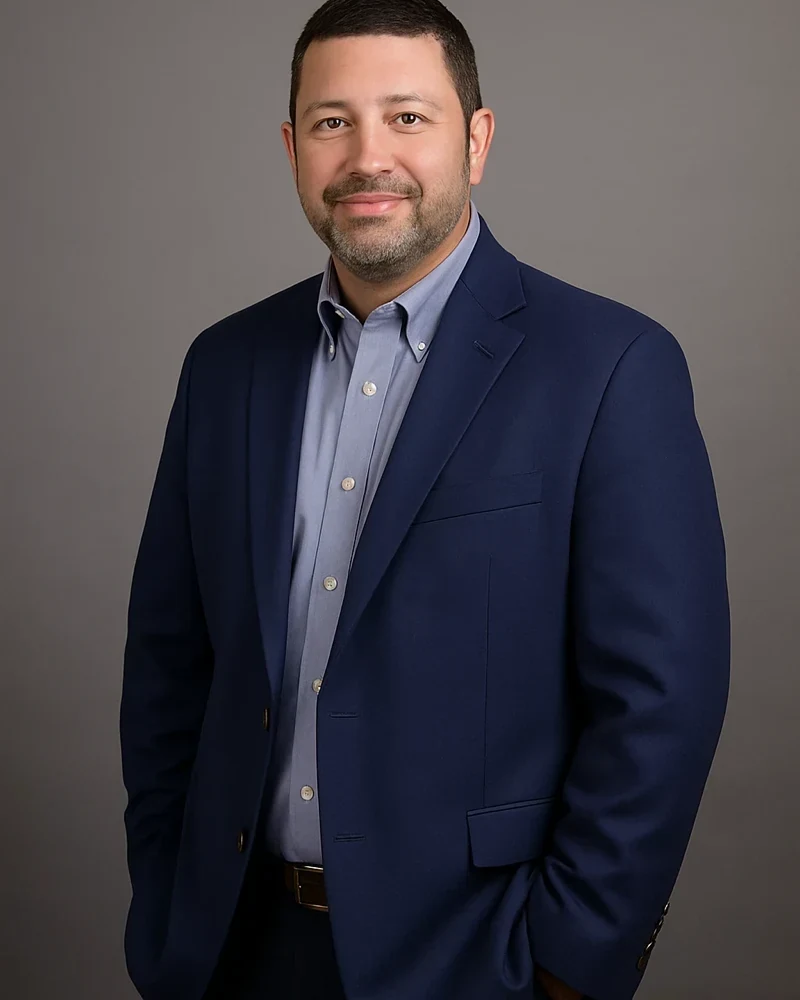
Federico Rigoletti’s route to founding Puntarena in Madrid is marked by a few hard pivots: ITAM first, then an intern / employee role at FIAT in Italy, mostly Turin, and then a turn toward hospitality after a vacation in Mexico reset the direction of the work. Contramar came first; Puntarena in Madrid followed. From there, the focus settled on kitchens and Contemporary Mexican Pacific seafood.
Coming Up
Federico Rigoletti trained at ITAM, then moved into the professional world as an intern / employee at FIAT in Italy (mostly Turin), before stepping into hospitality as founder / co-owner at Contramar in Mexico City. The sequence it shows a shift in working rhythm: from university to industry, from Italy to Mexico, from corporate structure to restaurant operations. Today, he is founder of Puntarena (since 2000), chef and founder of Marentino, and chef and creator of concepts of Puntarena and Cafe Torino. Those roles point to a career built in the making of places, not just the service inside them. Puntarena (since 2000) sits at the center of that work, while Marentino and Cafe Torino extend it across different concepts and rooms. The common thread is discipline in the back-of-house sense: pacing, standards, and the mechanics that hold a restaurant together.
Where They Are Now
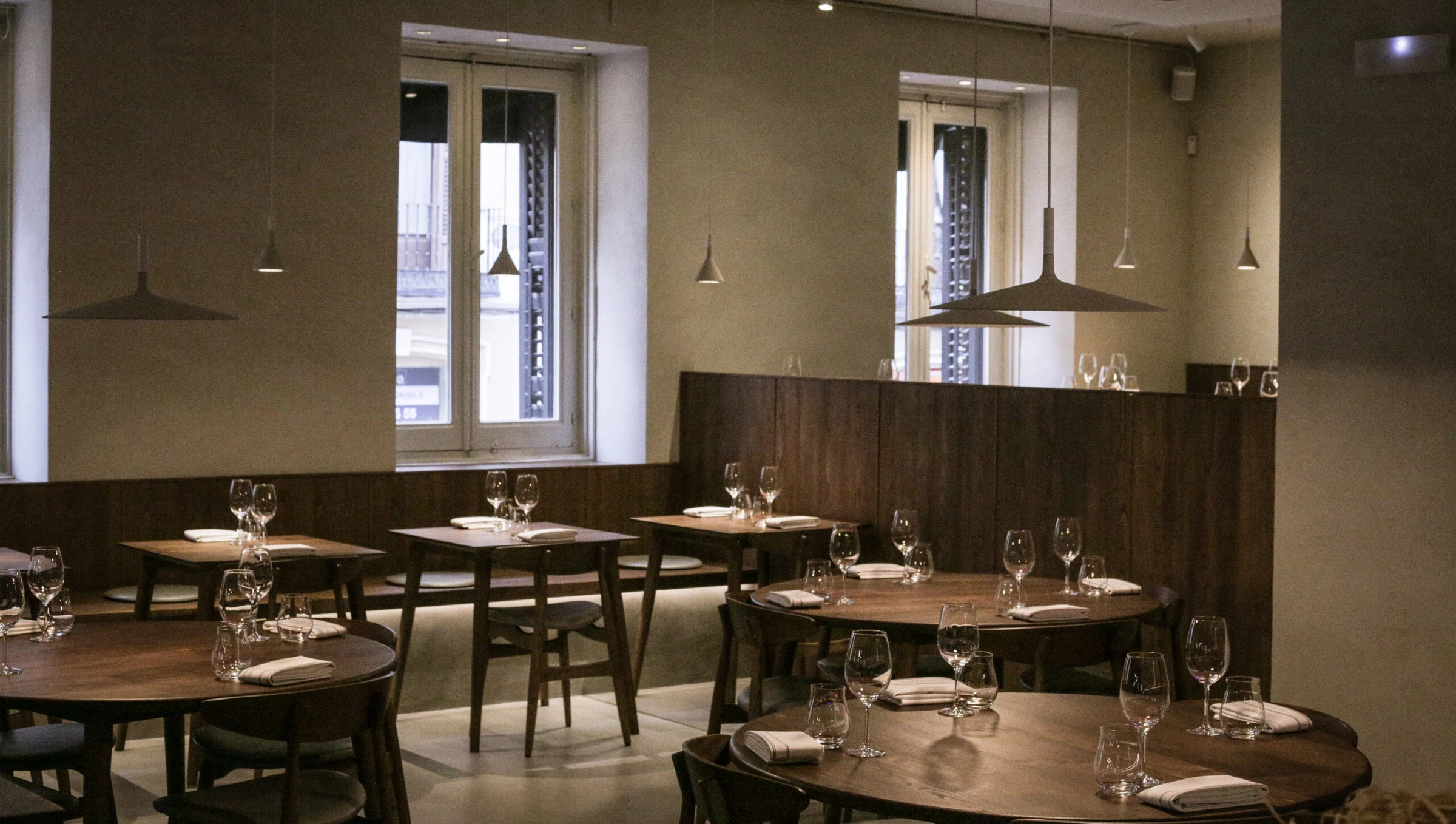
In Madrid, Rigoletti works as founder of Puntarena, and that role defines his current public work. The kitchen there is organized around Contemporary Mexican Pacific seafood: fresh ingredients, precise techniques, and a style that leaves room for the product to carry the plate. The register is controlled rather than ornate. The menu shows that approach in named dishes. Huachinango grill is the grilled red snapper dish tied to the restaurant, while Ceviche Imperial is another named dish associated with it, said to be an original by chef @__gomez90__ that Rigoletti interprets. In both, the point is clarity: the dish arrives with a defined shape and does not ask for embellishment. His supervision runs through the kitchen, and the day-to-day of the work is the kitchen — the place he likes to be. That places him inside service rather than above it, in the part of the operation where product, timing, and people meet in real time. “It was a wake-up call, even a blessing,” he says of a difficult turning point. “It forced us to rethink the operating model and return to the essentials: the kitchen, personality, interaction with people.” The line explains the current method: reduce the excess, keep the room direct, and let hospitality be carried by contact.
Career - Founder — Puntarena, Palmas (2000–present) - Chef and founder — Marentino - Chef and creator of concepts — Puntarena and Cafe Torino - Intern / employee — FIAT, Italy (mostly Turin) - Founder / co-owner — Contramar, Mexico City Education: ITAM
Signature
Federico's signature dishes include Ceviche Imperial and Huachinango grill. Together they serve as shorthand for the world he has built: precise, seafood-driven, and closely tied to the identity of Puntarena.
In Their Words “It was a wake-up call, even a blessing. It forced us to rethink the operating model and return to the essentials: the kitchen, personality, interaction with people.”
Honors
No specific award or credential has been named for Rigoletti. The clearest markers of recognition in his career are the places and dishes attached to his work: Contramar, Puntarena in Madrid, Huachinango grill, and Ceviche Imperial.
FAQ Where did Federico Rigoletti train or study? Federico Rigoletti trained at ITAM. What is Federico Rigoletti known for? Contemporary Mexican Pacific seafood that emphasizes fresh ingredients, precise techniques, and letting the product speak for itself.