Quinta da Raza
- 01CityCelorico De Basto, Portugal
- Falstaff Winery - Listed · 2026
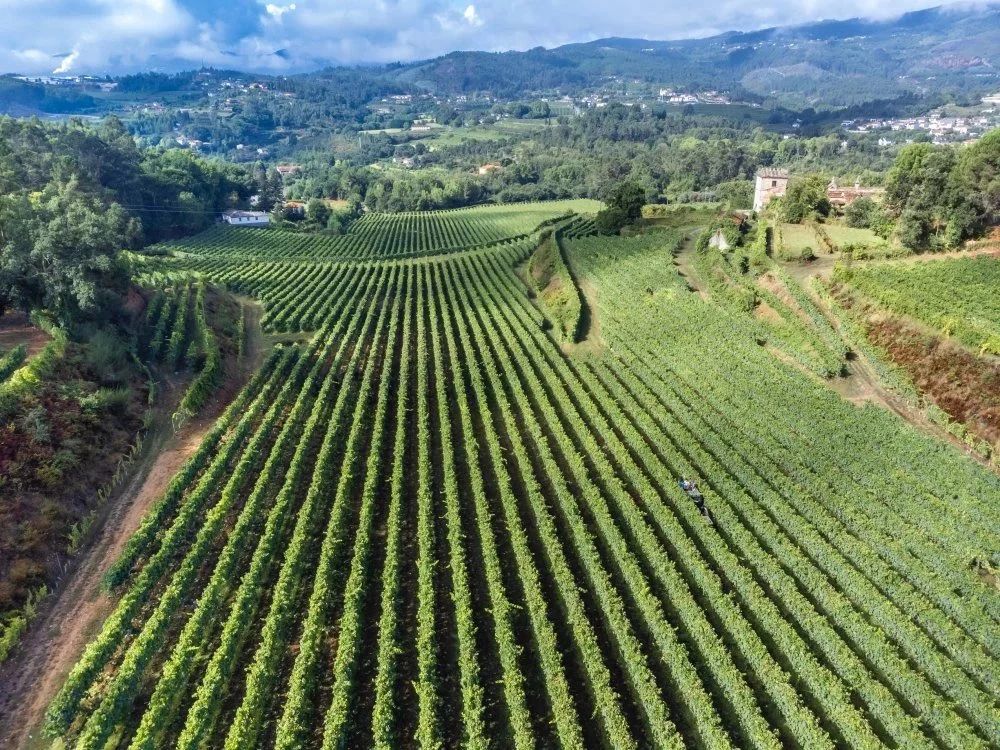
Approaching the wine culture of Celorico de Basto means leaving behind the shorthand version of Vinho Verde as simply light, young and lightly fizzy. In the Basto sub-region, the story is more granular: native grapes, river influence, slopes, sunlight, granitic soils and clay-schist pockets give the wines their frame. Quinta da Raza sits inside that conversation with the advantage of place made visible, a vineyard estate where the terrace, mountain line and river setting are not decorative extras but part of how the wines are explained.
The estate’s appeal is strongest for travelers who want Vinho Verde interpreted through land rather than through branding alone. Its vineyards have been in family hands since the 17th century, and the property dates its open year to 1791, which gives the hospitality a long agricultural backstory without turning the visit into a museum piece. The working identity is still wine first: Azal, Arinto, Avesso, Espadeiro, Vinhão, Padeiro, Trajadura, Alvarinho, Amaral, Gouveio and Touriga Nacional make up a broad regional palette that pushes well beyond the narrow export image of the appellation.
Vinho Verde with soil, slope and river in the foreground
Vinho Verde is often sold on refreshment, but the more interesting producers use freshness as an entry point rather than an endpoint. Here the estate’s terroir language is unusually concrete: granitic soil, areas of clay-schist composition, gentle slopes, strong sunlight exposure and the Tâmega River are all part of the explanation. That matters because it puts structure behind the familiar regional markers of acidity, lift and, in many wines, a light spritz from dissolved carbon dioxide.
The varietal range also changes the stakes of a tasting. Azal and Arinto can pull the discussion toward acidity and citrus tension; Avesso and Alvarinho give more weight and aromatic breadth; Vinhão, Espadeiro, Padeiro and Amaral keep red and rosé traditions in view. For visitors used to seeing Vinho Verde treated as a single style, the estate’s grape-led format is the more useful lesson: the region is not one wine, but a matrix of local varieties shaped by wet Atlantic influence, inland exposure and site-by-site choices.
Production scale adds another layer. Around 40 hectares of vines makes this a substantial family vineyard operation in a region where smaller and more fragmented holdings are common. The portfolio is arranged across several ranges, including Quinta da Raza, Dom Diogo, Raza, natural wines and special editions. That structure suggests a producer balancing classic regional expression with more contemporary visitor and market formats, especially when thematic tastings bring natural wines, indigenous grapes and local food pairings into the same frame.
The terrace turns a tasting into a Basto-region field note
The hospitality format works because it ties wine education to a legible view. The panoramic terrace looks across vineyards toward the Alvão and Marão mountains, giving visitors a physical reference point for the soils, slopes and exposure being discussed. This is not the grand-château model of wine tourism; it is quieter, family-run and rural, with the landscape carrying much of the authority.
The estate’s bookable experiences show a clear preference for interpretation over simple pouring. A historical tour in Celorico de Basto pairs local heritage with a tasting; another format focuses on natural wines with organic preserved sardines and mackerel; a third is built around the indigenous grape varieties of the Basto region. Durations run from about 1 hour 30 minutes to 3 hours 30 minutes, and group capacities listed for experiences range from 9 to 24 people, placing the estate in a medium-capacity wine-tourism bracket rather than an intimate collector-only cellar.
That capacity matters editorially. Premium rural wine visits increasingly split between spectacle and education. Quinta da Raza’s stronger argument is educational: visitors come away with a clearer understanding of why Basto does not taste like a generic idea of northern Portugal. The estate also supports the broader itinerary model, with vineyard picnics, regional touring and rafting on the Tâmega sitting around the wine program. In that sense, the property functions as a gateway into Celorico de Basto’s landscape as much as a producer visit.
Recognition is more specialist than trophy-led. Wine Anorak has reviewed several Quinta da Raza and Dom Diogo bottlings, with cited scores ranging from 84/100 to 90/100; the Dom Diogo Alvarinho 2009 reached 90/100. That is useful context because it places critical attention on the wines themselves, not only on the view or hospitality. The estate also holds Sustainable Winegrowing Portugal certification, aligning its terroir-heavy message with a formal sustainability framework.
Where it fits in a Celorico de Basto itinerary
For travelers building a wine-focused day in the area, the natural pairing is with Quinta de Santa Cristina - Vinhos e Enoturismo, another Celorico de Basto wine stop that helps show how local estates translate Vinho Verde into visitor experiences. For wider planning, use Our full Celorico De Basto wineries guide alongside Our full Celorico De Basto restaurants guide, Our full Celorico De Basto hotels guide, Our full Celorico De Basto bars guide and Our full Celorico De Basto experiences guide.
The broader Portuguese wine map gives useful contrast. Northern and coastal expressions can be read against 1912Winemakers LDA in Porto, Adega Cooperativa de Ponte de Lima in Ponte de Lima, Adega Cooperativa de Vale Cambra, CRL in Vale De Cambra and Adega Cooperativa Regional de Moncao in Monção. Inland and Alentejo references, including Adega Cartuxa (Fundação Eugénio de Almeida) in Évora, Adega Cooperativa de Borba in Borba and Adega do Monte Branco in Estremoz, underline how different Basto feels in weight, grape language and climate logic. For a wider European wine itinerary, »der Steiner« Hans Steiner in Podersdorf am See and & Handwein in Mannheim offer further points of comparison in how smaller wine regions turn local identity into hospitality.
Questions
Frequently asked
How expensive is Quinta da Raza?
Quinta da Raza is listed at a price level of $$.
The field
How it compares
| Place | Notes | Awards |
|---|---|---|
| Quinta da Raza | Veade - Peneireiros, $$ | · |
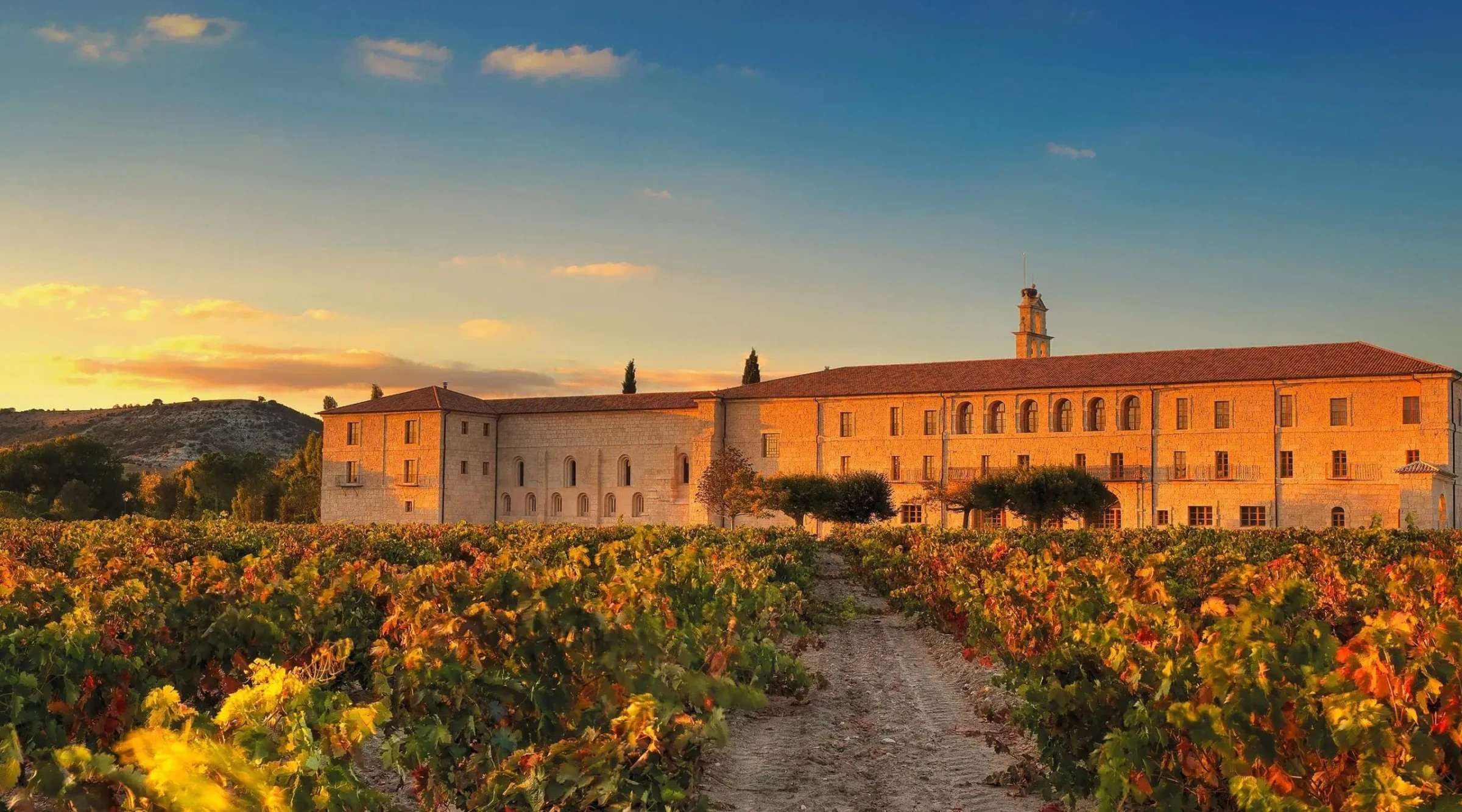
| Abadía Retuerta | Sardón de Duero | World's 50 Best |
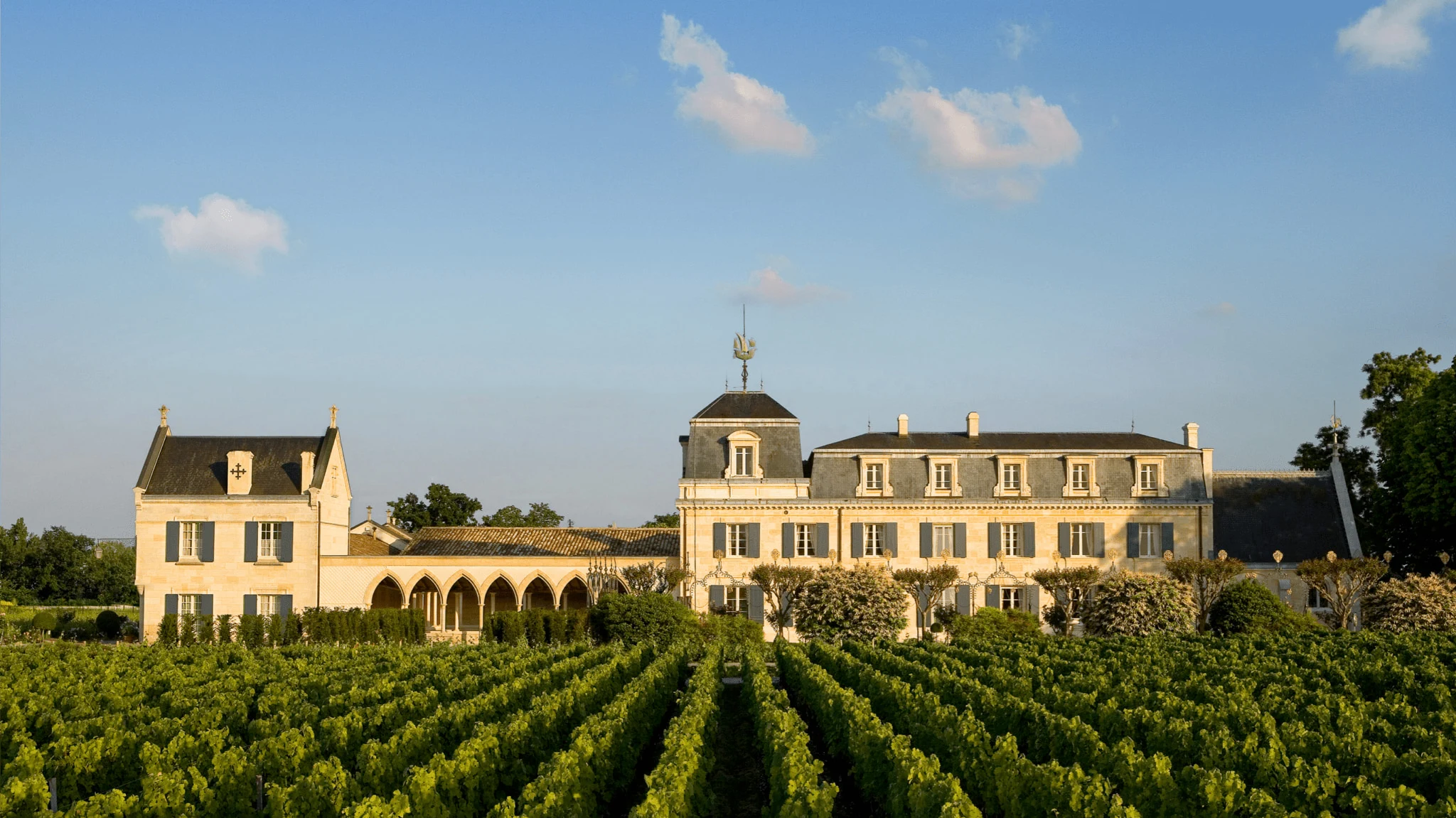
| Château La Mission Haut-Brion | Talence | · |
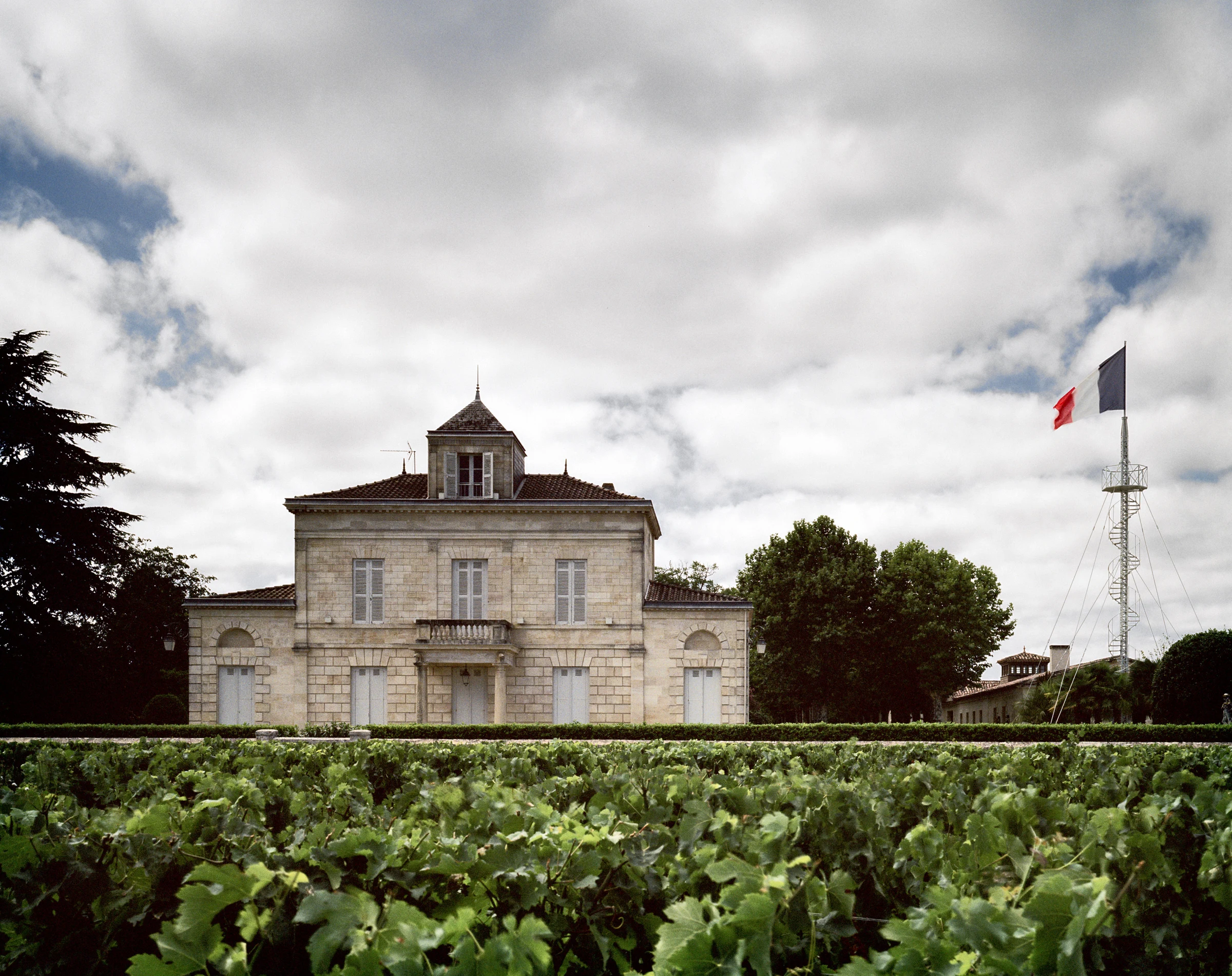
| Château Montrose | Saint-Estèphe | · |
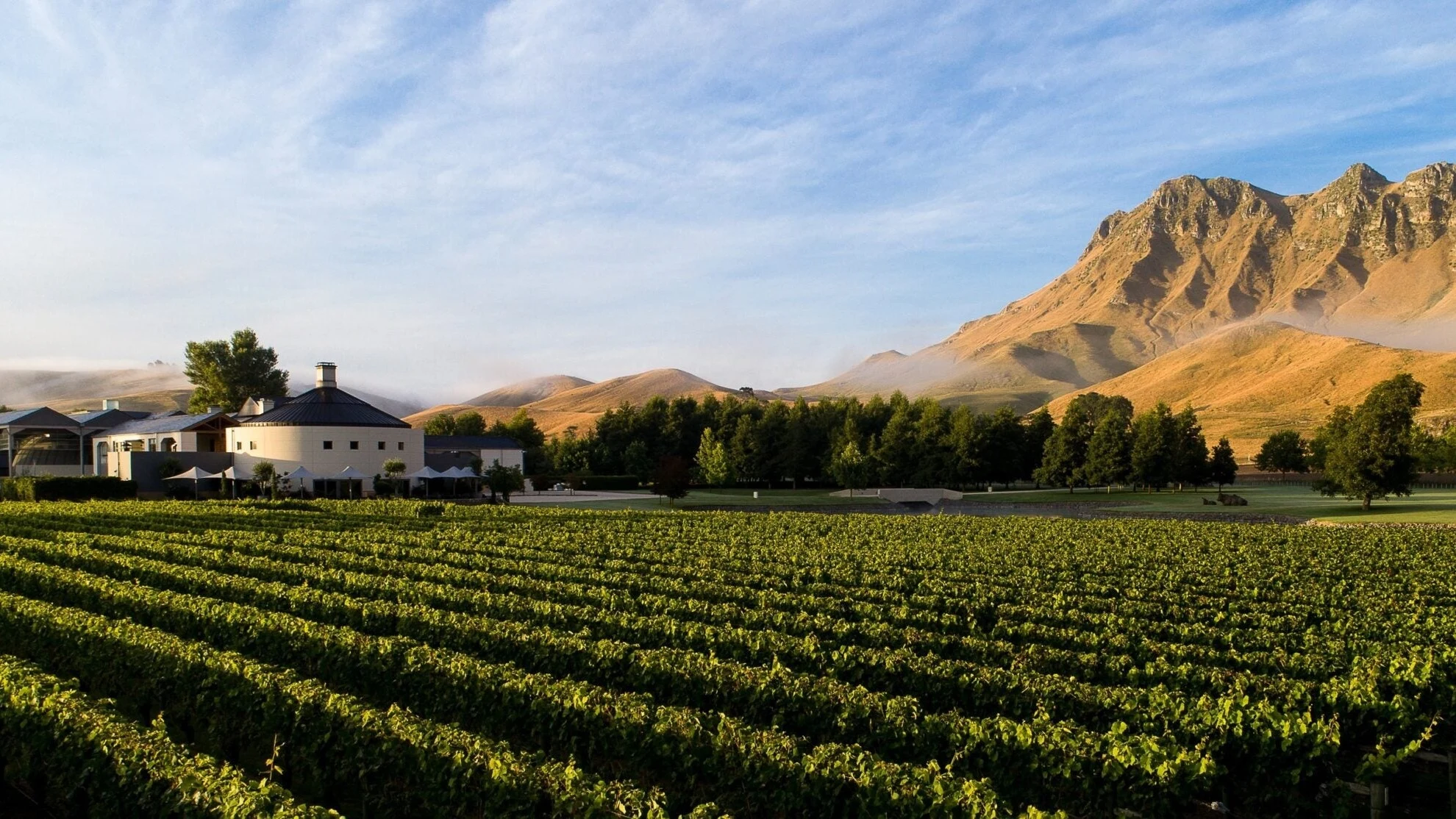
| Craggy Range | Hastings | World's 50 Best |
| Domaine Armand Rousseau | Gevrey-Chambertin | · |
| Quinta de Santa Cristina - Vinhos e Enoturismo | Celorico De Basto | · |