Ranzan
- 01CuisineAuthentic Kaiseki Ryori
- 02CityRedwood City, United States
Kaiseki ordered by the season
- Opinionated About Dining Top Restaurants in North America Recommended · 2026
- Opinionated About Dining Top Restaurants in North America Ranked #559 · 2025
- Opinionated About Dining Top Restaurants in North America Ranked #484 · 2024
Season first at the kaiseki pass
The cut, the serving temperature, and the order of the bowl all matter before the room sees a course. At Ranzan in Redwood City, Executive Chef Jason Zhan works inside kaiseki as a discipline of sequence, not display. The meal asks the kitchen to choose what belongs to the season, then decide how little pressure it needs: sashimi cut for clarity, grilled seasonal fish held to its moment, simmered dishes carried by gentle broths. Zhan arrived at this station after early work in New York City kitchens where sushi and Japanese cooking were learned through repetition under service pressure, then through years as a cook in San Francisco sushi restaurants. His current practice runs across two Redwood City formats, the nine-seat omakase counter he founded in 2020 and the kaiseki program at Ranzan. The shared method is responsiveness. At Ranzan, that means letting the course order carry as much meaning as the ingredient itself.
A menu built by progression
Kaiseki gives the kitchen a strict frame: light before deep, broth before grill, texture against texture, rice and soup near the close. Ranzan works through tasting menus named Ohara, Kibune, Takao, and Katsura, each built as a progression rather than a sequence of separate plates. Published examples move from starter, appetizer, soup, and sashimi into simmered, refreshing, grilled, steamed, fried, vinaigrette, rice, miso, and dessert courses. Katsura offers 15 courses paced over 3 hours, with blue shrimp soup in a clay pot, kuuyamushi, slow-simmered octopus, maitake mushrooms, and grilled Kobe beef among the later turns. Those details matter because they show the hand of the program: heat held low enough for octopus, broth clear enough to frame shrimp, grill work saved until the palate can receive fat.
The room stays behind the food
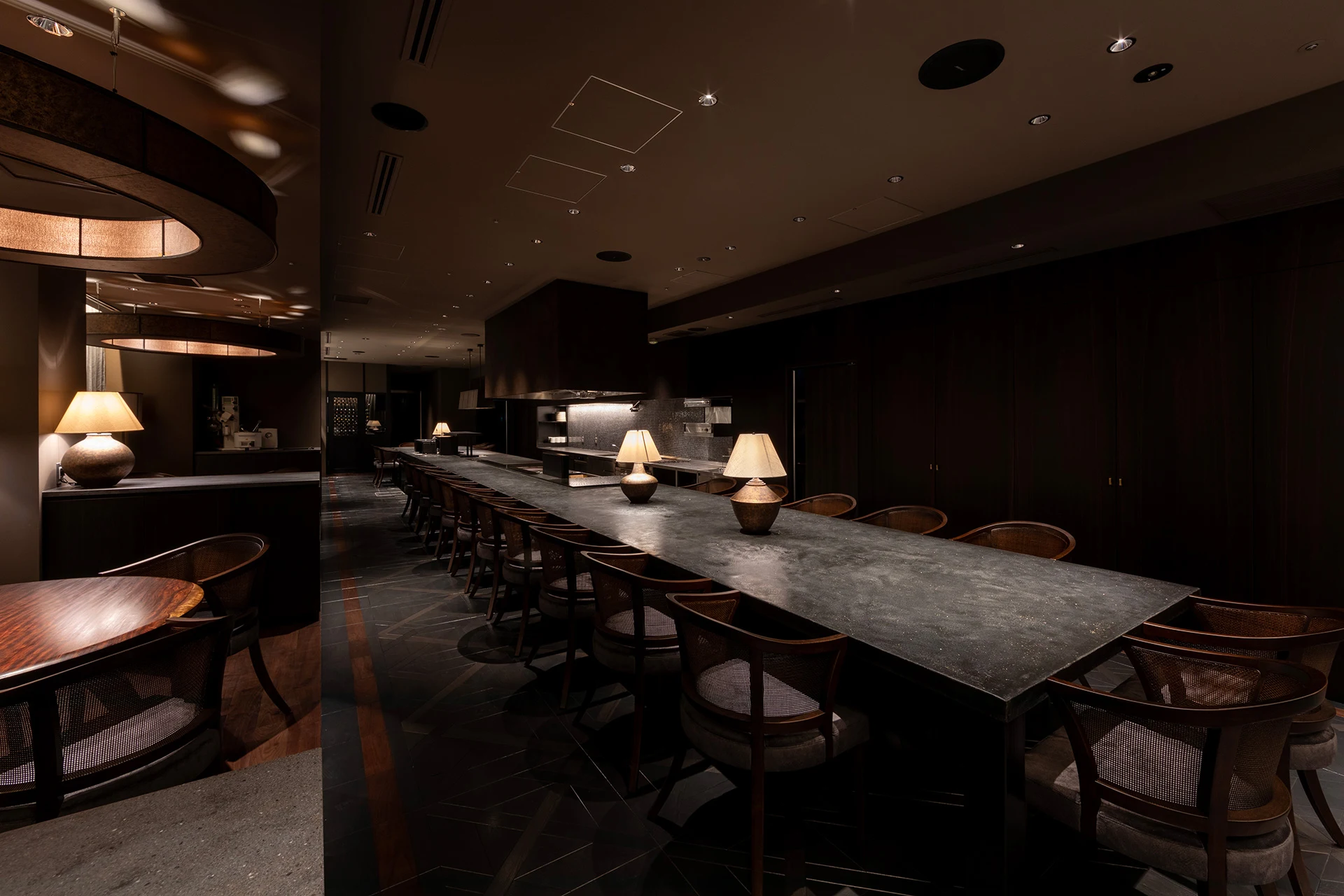
The room at Ranzan keeps its voice low. Warm light, natural materials, and uncluttered design give the meal enough quiet for pacing to register; the counter and the pass do not need to compete with the bowl. Service follows omotenashi in the old sense, attention before interruption. Staff explain the sequence, then step back so the next temperature, cut, or broth can do its work. In an intimate dining room, that restraint changes the scale of attention. A piece of seasonal sashimi can arrive as an opening note, not a spectacle. A grilled fish can hold the middle of the meal without being made larger than it is.
Restraint as the house method
Ranzan matters because it keeps kaiseki from becoming a decorative idea. The kitchen treats seasonality, sourcing, technique, pacing, and sequence as working terms, and Zhan’s role is to keep those terms aligned through service. When the menu changes with spring greens, summer seafood, fall roots, or winter citrus, the discipline is not novelty. It is the long way through a meal, one decision at a time, until the final rice, miso, and dessert have closed the Katsura sequence.
Questions
Frequently asked
What kind of restaurant is Ranzan?
Ranzan is a Redwood City restaurant serving authentic kaiseki ryori, with tasting menus built as a progression of courses rather than separate plates.
Who is the chef behind the kitchen?
Executive Chef Jason Zhan leads the kaiseki program at Ranzan, working with seasonality, restraint, and course order as part of the meal.
What is Ranzan known for?
The menu centres on seasonal sashimi, grilled seasonal fish, and simmered dishes in gentle broths, with published tasting menus that move through starter, soup, sashimi, simmered, grilled, steamed, fried, rice, miso, and dessert courses.
Is a reservation needed?
Reservations are essential, and bookings are handled through OpenTable.
What should visitors expect on price and dress?
Ranzan sits at the highest price tier, with an approximate spend of $263 per person, and the dress code is smart casual.
The field
How it compares
| Place | Cuisine | Notes | Awards |
|---|---|---|---|
| Ranzan | Authentic Kaiseki Ryori | Redwood City, $$$$ | · |
| Alchemist | Avant-Garde Molecular Gastronomy with Social Commentary | Copenhagen | Michelin 2 Stars, World's 50 Best |
| DiverXO | Avant-Garde Spanish Tasting Menu | Madrid | Michelin 3 Stars, World's 50 Best |
| DSTAgE | Avant-Garde Spanish Tasting Menus | Madrid | Michelin 2 Stars |
| Emeril’s | Modern Creole-Cajun Fine Dining | New Orleans | Michelin 2 Stars, World's 50 Best |
| Florilège | Modern French-Japanese Plant-Based Fine Dining | Tokyo | Michelin 2 Stars, World's 50 Best |
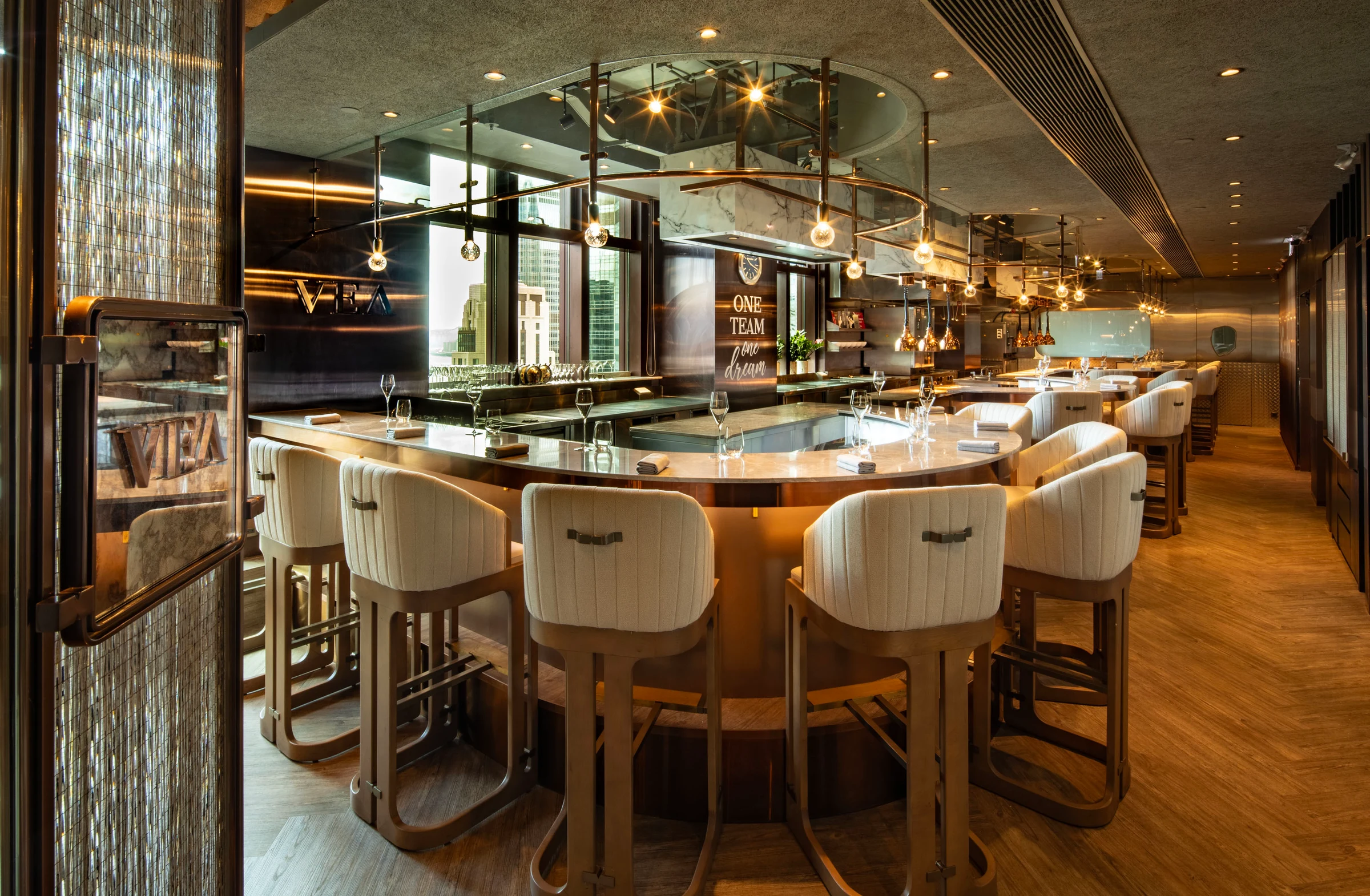
| Vea | Modern Chinese-French Fusion | Hong Kong | Michelin 1 Star, World's 50 Best |
Similar places
Avant-Garde Molecular Gastronomy with Social Commentary
Alchemist
Copenhagen, Denmark
★★ · 50 Best
Avant-Garde Spanish Tasting Menu
DiverXO
Madrid, Spain
★★★ · 50 Best
Avant-Garde Spanish Tasting Menus
DSTAgE
Madrid, Spain
★★
Modern Creole-Cajun Fine Dining
Emeril’s
New Orleans, United States
★★ · 50 Best
Modern French-Japanese Plant-Based Fine Dining
Florilège
Tokyo, Japan
★★ · 50 Best
Modern Chinese-French Fusion
Vea
Hong Kong, Hong Kong
★ · 50 Best