From the people index
Recommended by
One trusted voice points here.
- Michelin Plate · 2026
- Opinionated About Dining Casual in Europe Recommended · 2026
- Opinionated About Dining Casual in Europe Ranked #189 · 2025
- Michelin Plate · 2025
- Opinionated About Dining Casual in Europe Ranked #193 · 2024
- Michelin Plate · 2024
- Opinionated About Dining Casual in Europe Highly Recommended · 2023
A Former Tram Depot and the Argument for Rooted Milanese Cooking
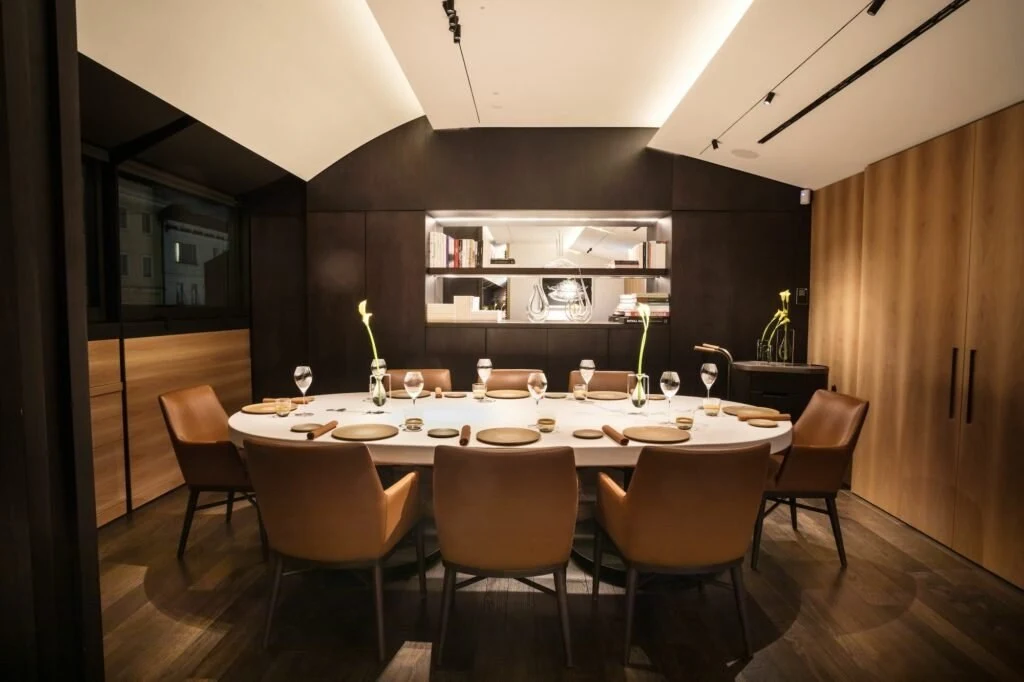
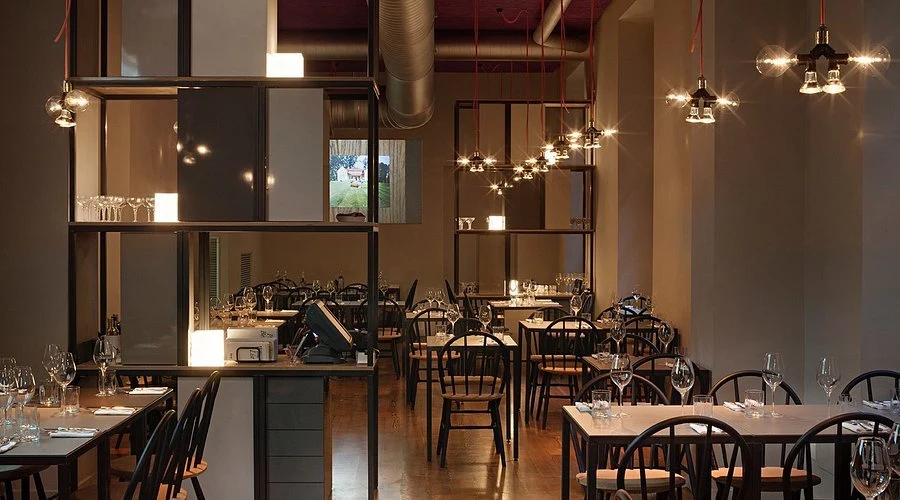
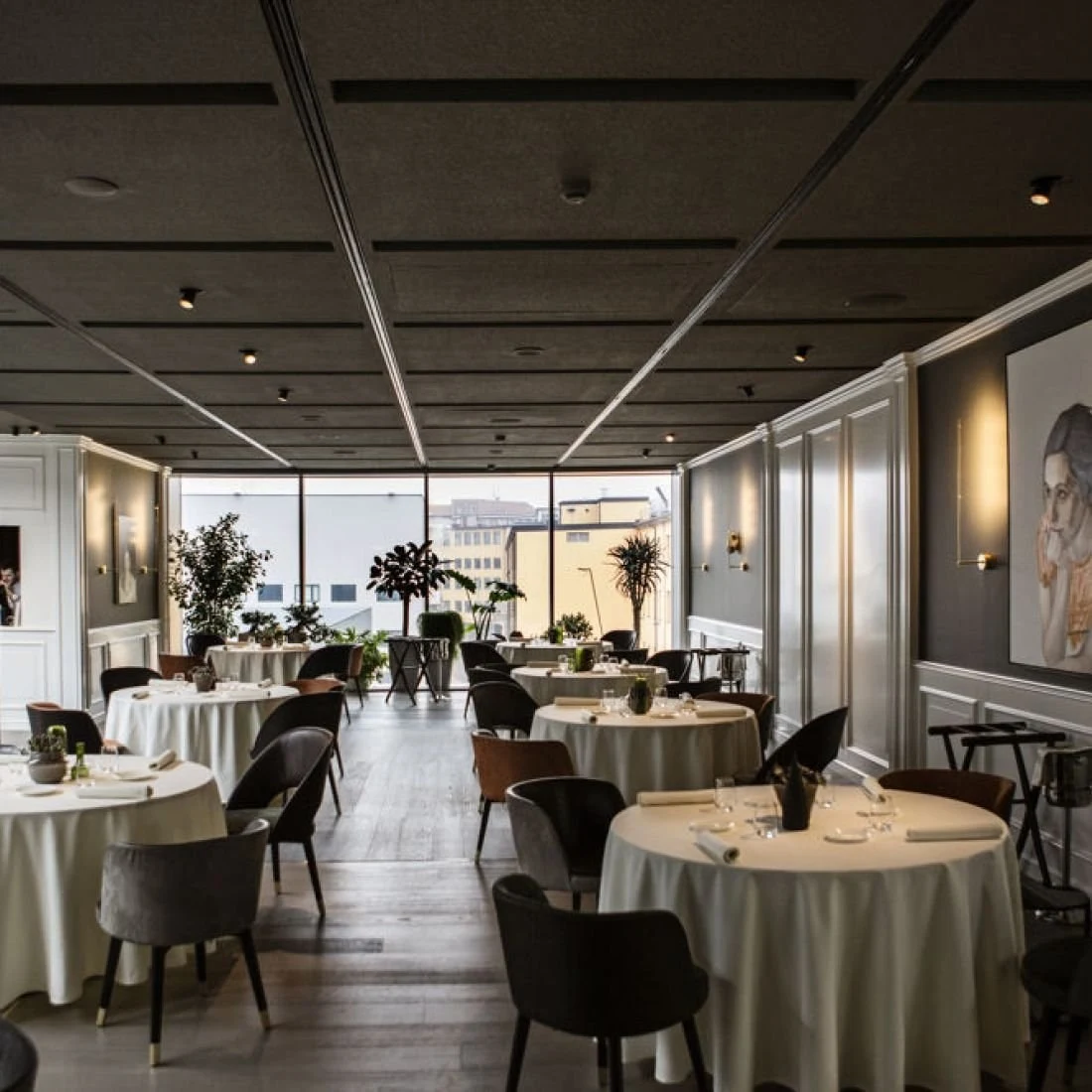
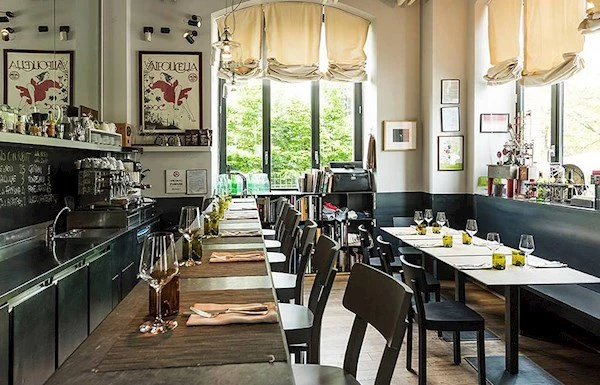
The approach to Ratanà tells you something before you reach the door. Via Gaetano de Castillia runs through Porta Nuova, the district that reorganised itself most dramatically around the Bosco Verticale towers, the pair of tree-clad residential buildings that have become shorthand for Milan's recent architectural ambitions. The restaurant sits directly opposite that complex, inside a renovated structure that has served successively as a cinema and a tram depot. The bones of those previous lives are still legible in the space: the proportions, the industrial ceiling, the sense that this building has absorbed decades of the city's working rhythm. Some seating wraps around a counter; in warmer months, a terrace opens onto the adjoining public park. The setting is casual without being careless, and the energy in the room runs at what the awards panel at Opinionated About Dining, which ranked Ratanà at #189 among casual European restaurants in 2025, might reasonably call rhythm and dynamism.
Where Milan's Pasta Tradition Gets Its Most Precise Treatment
Milan's relationship with pasta is more specific than the general Italian enthusiasm for it. The city's culinary identity was shaped by rice, risotto alla milanese, coloured with saffron and finished with bone marrow, remains the dish most closely associated with the metropolitan table, but Milanese cooks have long worked with stuffed and shaped pastas, and with preparations that carry the weight of the city's historical trade connections. What distinguishes the more considered mid-range restaurants from casual trattorias in this city is how those preparations are handled: whether they lean on accumulated recipe memory or treat the same ingredients as material for a contemporary kitchen to renegotiate.
At Ratanà, Chef Cesare Battisti's approach to Italian flavour is explicitly contemporary in method while remaining specific to place. The old Milan-style risotto arrives with gremolata and roast jus, a preparation that references the ossobuco tradition (gremolata is the classic finish for both), collapsing two monuments of Milanese cooking into a single dish that neither replicates nor abandons its source material. That kind of precision, applied to a dish most diners think they already understand, is a more demanding exercise than novelty for its own sake. It asks the kitchen to know the original well enough to depart from it credibly, and it asks the diner to notice the departure.
The mondeghili arrive in cartoccio, the traditional Milanese meatball, here served in a paper parcel that concentrates and holds the aromatics during the final stage of cooking. Mondeghili are historically a dish of thrift, made from leftover braised meats, and their reappearance on contemporary menus across the city signals a broader shift in how Milan's restaurants have repositioned local working-class recipes as objects of attention rather than apology. The cartoccio format adds a small theatrical element to the service but is also functionally sound: it keeps the texture intact and delivers the dish at the right temperature. Across Milan's mid-range tier, where restaurants like Verso Capitaneo are also working with creative frameworks, the treatment of traditional recipes as starting points rather than finished texts has become a reliable signal of kitchen seriousness.
The Pricing Tier and What It Signals
Milan's restaurant market has stratified considerably. At the upper end, a cluster of multi-course tasting menus occupies a tier defined by long preparation times, reduced seating, and price points that require advance commitment: Enrico Bartolini, Cracco in Galleria, Andrea Aprea, and Seta all operate in the €€€€ bracket, with the kitchen-to-dining-room ratio and service choreography that corresponds to that positioning. Ratanà prices at €€€, which places it in a different competitive frame entirely. The OAD ranking at #189 in 2025 confirms consistent recognition within the casual European category, not proximity to the Michelin-starred tier where venues like Osteria Francescana in Modena or Uliassi in Senigallia operate.
That distinction matters for the reader making a booking decision. Ratanà does not try to occupy the same conversational space as Dal Pescatore in Runate or Enoteca Pinchiorri in Florence. The Michelin Plate (awarded in both 2024 and 2025) signals cooking quality that the Guide recognises as worth noting without placing it in the starred category. For a city visitor managing a mixed itinerary, one or two serious fine-dining evenings alongside meals that are specifically good rather than ceremonially expensive, Ratanà fills a position that is structurally necessary but not always well-served in European city guides.
The Schiscèta Lunch and the Midday Rhythm
At midday, the kitchen runs a format it calls the schiscèta, using the Milanese dialect word for a packed lunch. The name carries deliberate self-awareness: it references the tradition of the factory worker's box lunch, which was brought to work and eaten quickly, and it signals that the restaurant's relationship with the city's social history is considered rather than decorative. A compressed lunch service that finishes by 2:30 pm fits the Porta Nuova district's working population, the neighbourhood's transformation has brought corporate offices and design studios alongside the residential towers, and it gives Ratanà a double function that many restaurants in the area lack. The lunch format is a different register from the evening, and diners choosing between the two are not choosing between versions of the same experience.
Comparable midday seriousness in the Italian casual tier appears at venues across the country, Quattro Passi in Marina del Cantone runs a different but comparably considered coastal Italian lunch offer, but the Milanese schiscèta framing is specific to this city's industrial heritage and takes that heritage straight rather than at a nostalgic remove.
Positioning Within the Broader Italian Scene
Italy's most decorated restaurants now operate across formats that would have seemed contradictory a decade ago: Atelier Moessmer Norbert Niederkofler in Brunico works from an Alpine-produce framework that has nothing to do with urban Milanese cooking; New York's Le Bernardin and Atomix operate in reference systems informed by entirely different culinary cultures. Ratanà's value is its specificity: it has no interest in those wider conversations and makes no claim to participate in them. The city it cooks for is Milan, and the version of Milan it addresses is the one built on trams, cinemas, risotto, and packed lunches. That narrowness of focus is, in this context, a form of discipline.
Know Before You Go
- Address: Via Gaetano de Castillia, 28, 20124 Milano MI, Italy
- Cuisine: Modern Milanese & Lombard
- Price range: €€€
- Hours: Monday to Sunday, 12:00 to 2:30 pm and 7:00 to 11:00 pm
- Awards: Michelin Plate (2024, 2025); Opinionated About Dining Casual in Europe #189 (2025), #193 (2024), Highly Recommended (2023)
- Google rating: 4.4 from 3,288 reviews
- Neighbourhood: Porta Nuova, opposite Bosco Verticale
- Terrace: Outdoor seating overlooking the public park, available seasonally
- Lunch format: Compressed midday service (schiscèta) runs Monday to Sunday, finishing at 2:30 pm
Questions
Frequently asked
Who works at Ratanà?
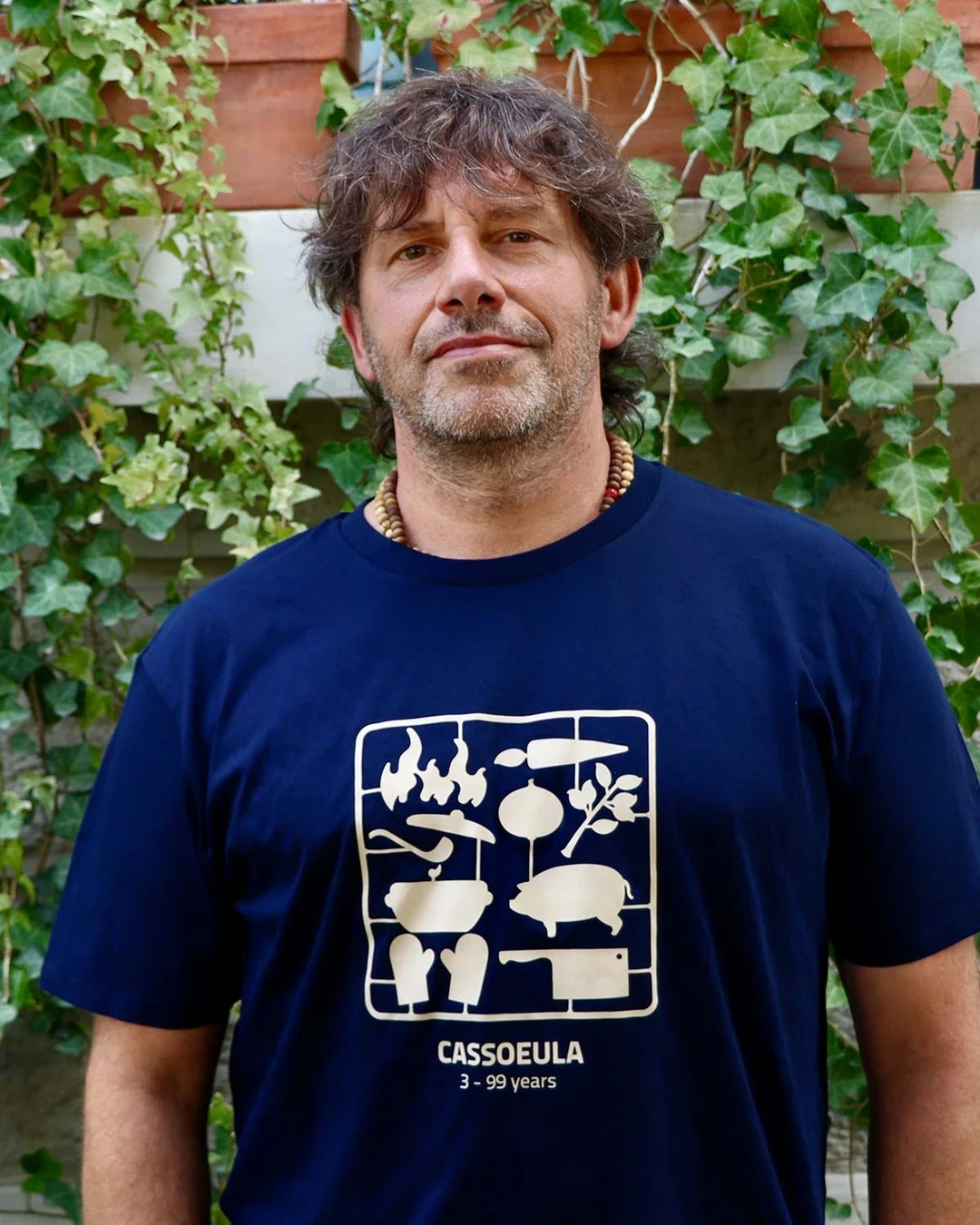
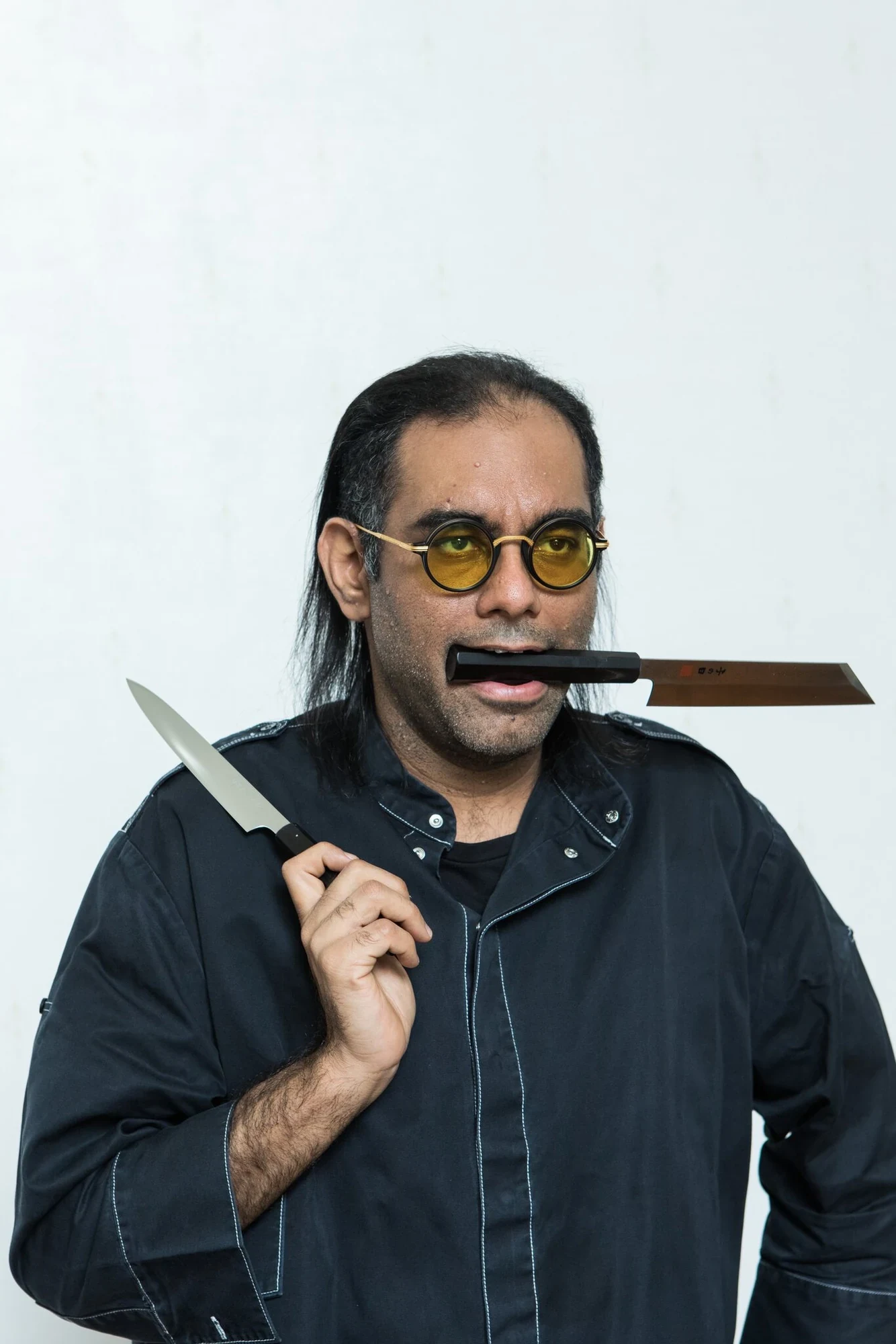
Made By profiles Cesare Battisti (Chef) at Ratanà.
How expensive is Ratanà?
Ratanà is listed at a price level of $$$.
Where is Ratanà and what does it serve?
Ratanà is in Isola, Milan, serving Modern Milanese & Lombard.
The field
How it compares
| Place | Cuisine | Notes | Awards |
|---|---|---|---|
| Ratanà | Modern Milanese & Lombard | Isola, $$$ | · |
| Andrea Aprea | Modern Italian Fine Dining | Milan | Michelin 2 Stars |
| Contraste | Modern Italian Fine Dining | Milan | Michelin 1 Star |
| Dry Milano | Neapolitan Pizza & Cocktails | Milan | · |
| Enrico Bartolini | Modern Italian Fine Dining | Milan | Michelin 3 Stars, World's 50 Best |
| Il Luogo di Aimo e Nadia | Modern Italian Regional | Milan | · |
| Seta | Modern Italian Fine Dining | Milan | Michelin 2 Stars |
In residence
Similar places
Modern Italian Fine Dining
Andrea Aprea
Milan, Italy
★★
Modern Italian Fine Dining
Contraste
Milan, Italy
★
Neapolitan Pizza & Cocktails
Dry Milano
Milan, Italy
Modern Italian Fine Dining
Enrico Bartolini
Milan, Italy
★★★ · 50 Best
Modern Italian Regional
Il Luogo di Aimo e Nadia
Milan, Italy
Modern Italian Fine Dining
Seta
Milan, Italy
★★