Made ByRestaurant
Restaurant Chastè

Chef in Residence
Josh Scherer
Chef
- 01CuisineSwiss Contemporary Fine Dining
- 02CityTarasp, Switzerland
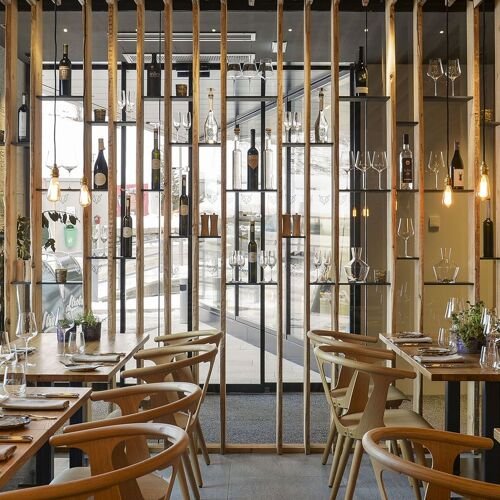
Restaurant Chastè sits within a family-run Relais & Châteaux property in Tarasp, deep in the Swiss Engadine valley, and holds a Michelin Plate for its classic French kitchen. The dining room occupies traditional pine-panelled rooms that mirror the surrounding Alpine architecture, with the Swiss National Park as immediate backdrop. For classic French cooking in an authentically rural Swiss setting, it occupies a tier of its own in the Lower Engadine.
At a glance
- Cuisine
- Swiss Contemporary Fine Dining
- Price
- $$$$
- Neighborhood
- Tarasp
- Rating
- 4.9 (263)
<h2>Classic French in the Engadine: What Chastè Represents</h2><p>The further you travel from Geneva or Lausanne, the rarer classic French cooking becomes in Switzerland. The major culinary benchmarks, <a href="https://www.enprimeurclub.com/restaurants/hotel-de-ville-crissier-crissier-restaurant">Hotel de Ville Crissier in Crissier</a> and <a href="https://www.enprimeurclub.com/restaurants/cheval-blanc-by-peter-knogl-basel-restaurant">Cheval Blanc by Peter Knogl in Basel</a>, are concentrated in the urban west and north. In the Graubünden, the Swiss fine dining conversation has moved toward modern European creativity, with <a href="https://www.enprimeurclub.com/restaurants/schloss-schauenstein-furstenau-restaurant">Schloss Schauenstein in Fürstenau</a> representing that direction at the highest level. Restaurant Chastè, by contrast, holds to a different register: the French bistro and classical table tradition, sustained inside a Relais & Châteaux property at the edge of the Swiss National Park. It is a deliberate anachronism, and in the context of the Engadine, that positioning carries its own coherence.</p><h2>The Bistro Tradition and What It Actually Means</h2><p>The word bistro is among the most abused in European hospitality. It has been applied, often interchangeably, to anything from a Paris zinc-counter with a chalkboard to a polished metropolitan room with a €90 set lunch. The distinction worth preserving is simpler: a genuine bistro tradition prioritises the integrity of a dish over its spectacle. Stocks are made from bones, not powder. Sauces are reduced, not assembled. The room exists to support the food and the conversation around it, not to perform itself.</p><p>That cooking culture, which shaped bourgeois French dining through the nineteenth and much of the twentieth century, is now something of a minority position in the fine dining world. The contemporary Swiss restaurant scene has largely oriented toward the modern and creative, <a href="https://www.enprimeurclub.com/restaurants/memories-bad-ragaz-restaurant">Memories in Bad Ragaz</a>, <a href="https://www.enprimeurclub.com/restaurants/focus-atelier-vitznau-restaurant">focus ATELIER in Vitznau</a>, and IGNIV Zürich by Andreas Caminada all operate in that creative register, with price points and formats that reflect it. A kitchen holding to classical French standards in a mountain village sits at a noticeable remove from that peer group. It is also, for a particular type of traveller, exactly what is wanted.</p><h2>The Setting: Traditional Pine Rooms and Alpine Context</h2><p>Tarasp is a village on the floor of the Lower Engadine valley, overshadowed, literally, by Tarasp Castle, one of the most photographed fortresses in Graubünden. The property housing Restaurant Chastè is family-run and built around the regional vernacular: pine-panelled rooms, the heavy timber aesthetic of the Engadine farmhouse, and the quietness that comes with proximity to the Swiss National Park. The park's boundary begins close by, which shapes both the character of the landscape and the low-density tourism that defines the area.</p><p>Dining inside rooms of this kind, warm wood, low ceilings, a sense of shelter against the mountain cold, is not incidental to the experience of French classical cooking. The bistro tradition was always partly about interiority: the restaurant as refuge, as a place insulated from the world outside. In Paris that meant the street; in the Engadine it means something more dramatic. The setting at Chastè earns that framing without overstating it.</p><h2>Michelin Recognition and Peer Positioning</h2><p>Restaurant Chastè has held a Michelin Plate in both 2024 and 2025. In Michelin's current shorthand, the Plate denotes quality cooking that does not yet carry the distinctions of a star but that the inspectors consider worth the visit. Within the Graubünden, that places Chastè in a different tier from the starred mountain properties, but also in a different mode: those kitchens are largely operating in modern creative formats, while Chastè's identity is explicitly classical. The comparison that makes more sense is with classic French tables elsewhere in Switzerland and in comparable European settings, such as <a href="https://www.enprimeurclub.com/restaurants/waterside-inn-bray-restaurant">Waterside Inn in Bray</a> or <a href="https://www.enprimeurclub.com/restaurants/deugnie-emilie-baudour-restaurant">d'Eugénie à Emilie in Baudour</a>, where the question is not innovation but execution depth.</p><p>The kitchen at Chastè is led by chef Josh Scherer. Chef credentials at classical French tables function differently from the modernist lineage that drives the narrative at many contemporary Swiss restaurants. Here the relevant measure is craft consistency: sauce work, product sourcing, timing. Those are the axes on which a Michelin inspector assesses a kitchen of this type, and the consecutive Plate recognitions suggest the standard is being held.</p><p>The property's Relais & Châteaux membership is also a relevant point.</p><h2>The Engadine Table: Context and Comparison</h2><p>Engadine's dining scene is shaped by two intersecting forces: the extreme seasonality of an Alpine resort corridor, and the cultural specificity of the Romansh-speaking valley, which has its own food traditions distinct from German or French Swiss cooking. Most restaurants in the area work with that local identity, incorporating Bündner products and regional references. A classical French kitchen operating within this frame is a deliberate choice rather than a default, and it places Chastè in a niche that is small but coherent.</p><p></p><p>For those travelling from St. Moritz, roughly 30 kilometres up the valley, <a href="https://www.enprimeurclub.com/restaurants/da-vittorio-st-moritz-st-moritz-restaurant">Da Vittorio in St. Moritz</a> represents the Italian luxury end of the Engadine dining spectrum, while <a href="https://www.enprimeurclub.com/restaurants/7132-silver-vals-restaurant">7132 Silver in Vals</a> offers a modern Swiss reference point further west. <a href="https://www.enprimeurclub.com/restaurants/bocca-fina-tarasp-restaurant">Bocca Fina</a>, also in Tarasp, provides a Swiss-Italian alternative within the immediate village context. <a href="https://www.enprimeurclub.com/restaurants/einstein-gourmet-sankt-gallen-restaurant">Einstein Gourmet in Sankt Gallen</a> and <a href="https://www.enprimeurclub.com/restaurants/colonnade-lucerne-restaurant">Colonnade in Lucerne</a> offer further points of reference for the broader eastern Swiss fine dining circuit.</p><h2>Planning Your Visit</h2><p>Restaurant Chastè sits within the Schloss Hotel Tarasp at Sparsels, 7553 Tarasp. The property is reachable by car from Scuol, the nearest train station on the Rhaetian Railway line, which connects to the main Swiss rail network via Landquart. Reservation is recommended. The price tier sits at the €€€€ level. Google reviewers rate the restaurant at 4.9 across 263 reviews.</p><h2>What to Eat at Restaurant Chastè</h2><p>The kitchen's offering will follow seasonal availability and the rotation typical of a classical French table in an Alpine property. The cuisine type is Classic French, which, at a Michelin Plate level in this context, will centre on technique-driven cooking: precise saucing, properly sourced protein, and the kind of disciplined execution that the bistro tradition at its finest has always required. For a kitchen of this designation in this setting, the standard to look for is consistency across the meal rather than a single signature dish. The consecutive Michelin recognition across 2024 and 2025 suggests the kitchen is meeting that standard.</p>
Know before you go
- Dress code
- smart_casual
- Reservations
- recommended
- Parking
- on_site_lot
Frequently asked
Who runs the kitchen at Restaurant Chastè?
The chef associated with Restaurant Chastè is Josh Scherer.
Is Restaurant Chastè more mid-range or high-end?
Pricing at Restaurant Chastè is listed as €€€.
What should I eat at Restaurant Chastè?
The kitchen runs a classic French menu shaped by Alpine seasonality and the traditions of a family-run Relais & Châteaux property in the Lower Engadine. The Michelin Plate recognition in both 2024 and 2025 points to cooking that rewards attention to technique over novelty. Given the regional context and the proximity to Swiss National Park, expect the menu to reflect what is available locally across each season rather than a fixed signature dish. Confirm current offerings directly through the hotel contact at chaste@relaischateaux.com or +41 (0)81 861 30 60.
Where exactly is Restaurant Chastè?
Restaurant Chastè is located at Sparsels, 7553 Tarasp, Switzerland, Tarasp.
Is Restaurant Chastè Michelin-listed?
Restaurant Chastè has received recognition including: Michelin Plate (2025); HIGHLIGHTS: • FAMILY-RUN PROPERTY • PICTURESQUE ENGADINE CHARM • TRADITIONAL PINE ROOMS • SWISS NATIONAL PARK DIRECTIONS & ACCESS: Website and contact information E-mail: chaste@relaischa….
Address
Sparsels, 7553 Tarasp, Switzerland
Tarasp
How it compares
- Price
- $$$$
- Awards
- Michelin Plate
- Notes
- Tarasp, Swiss Contemporary Fine Dining
- Price
- $$$$
- Awards
- 1 recognition
- Notes
- Tarasp, Swiss Contemporary Fine Dining
- Price
- $$$$
- Awards
- Michelin Plate
- Notes
- Samnaun Dorf, Modern French-Mediterranean Fine Dining
- Price
- $$$$
- Awards
- Michelin Plate
- Notes
- St. Moritz, Alpine Brasserie with Global Twists
- Price
- $$$
- Awards
- Michelin Plate
- Notes
- Trun, Traditional Swiss Alpine
- Price
- $$$$
- Awards
- Michelin Plate
- Notes
- Davos Platz, Modern Mediterranean Fine Dining
In residence
Similar places
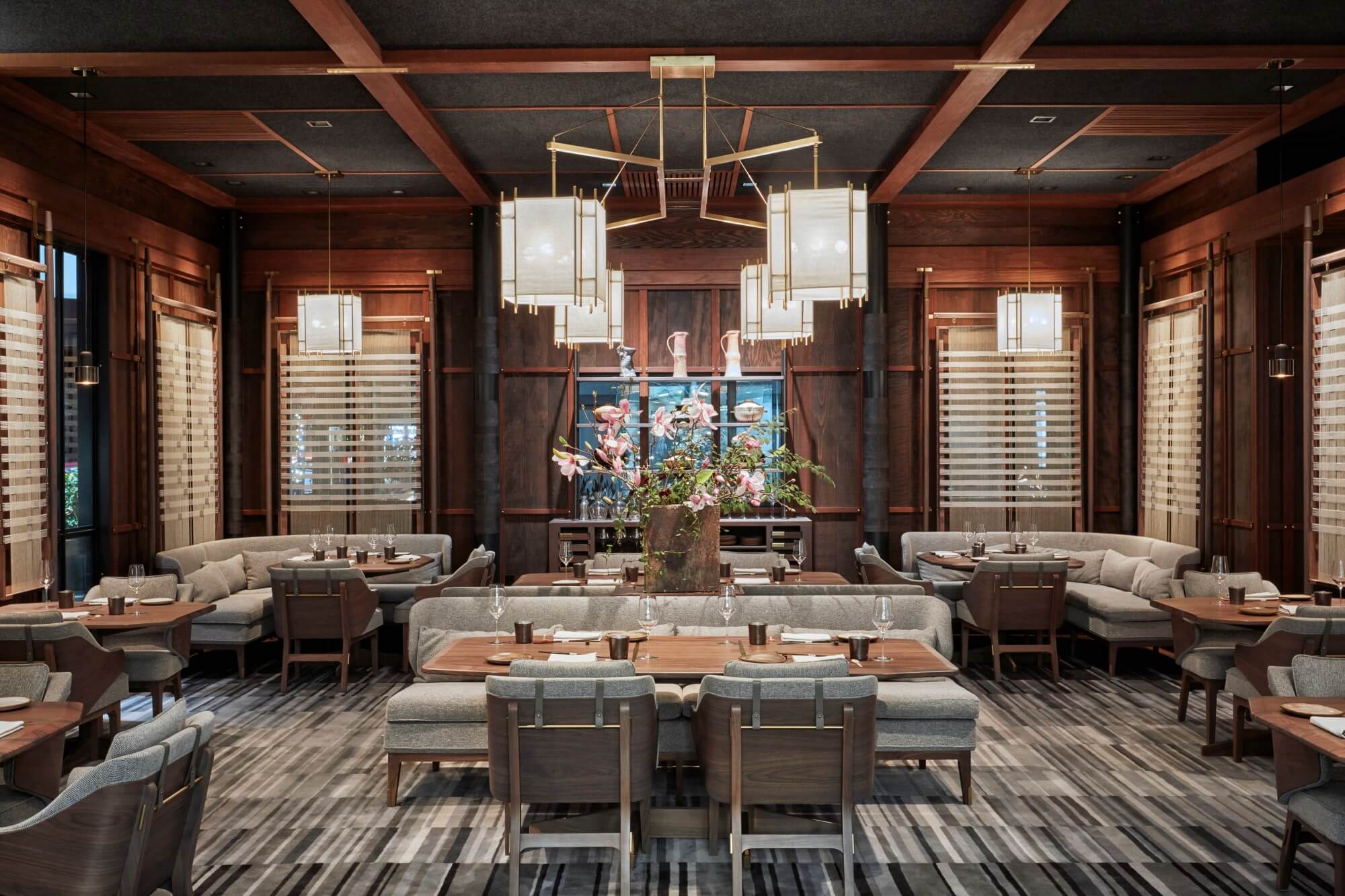
Japanese-influenced Californian Kaiseki
Single Thread Farm
Healdsburg, United States
★★★ · 50 Best
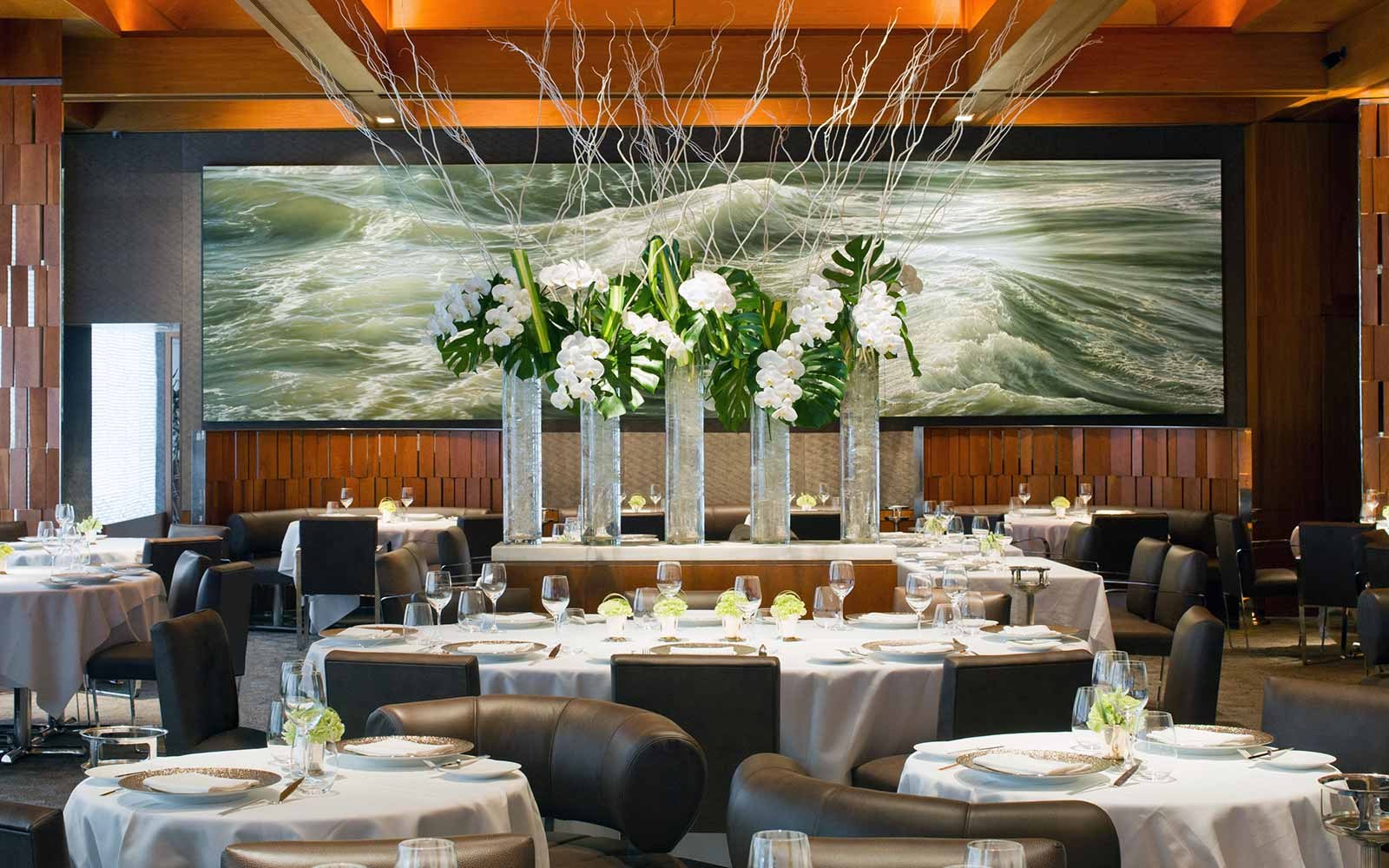
French Seafood Fine Dining
Le Bernardin
New York City, United States
★★★ · 50 Best
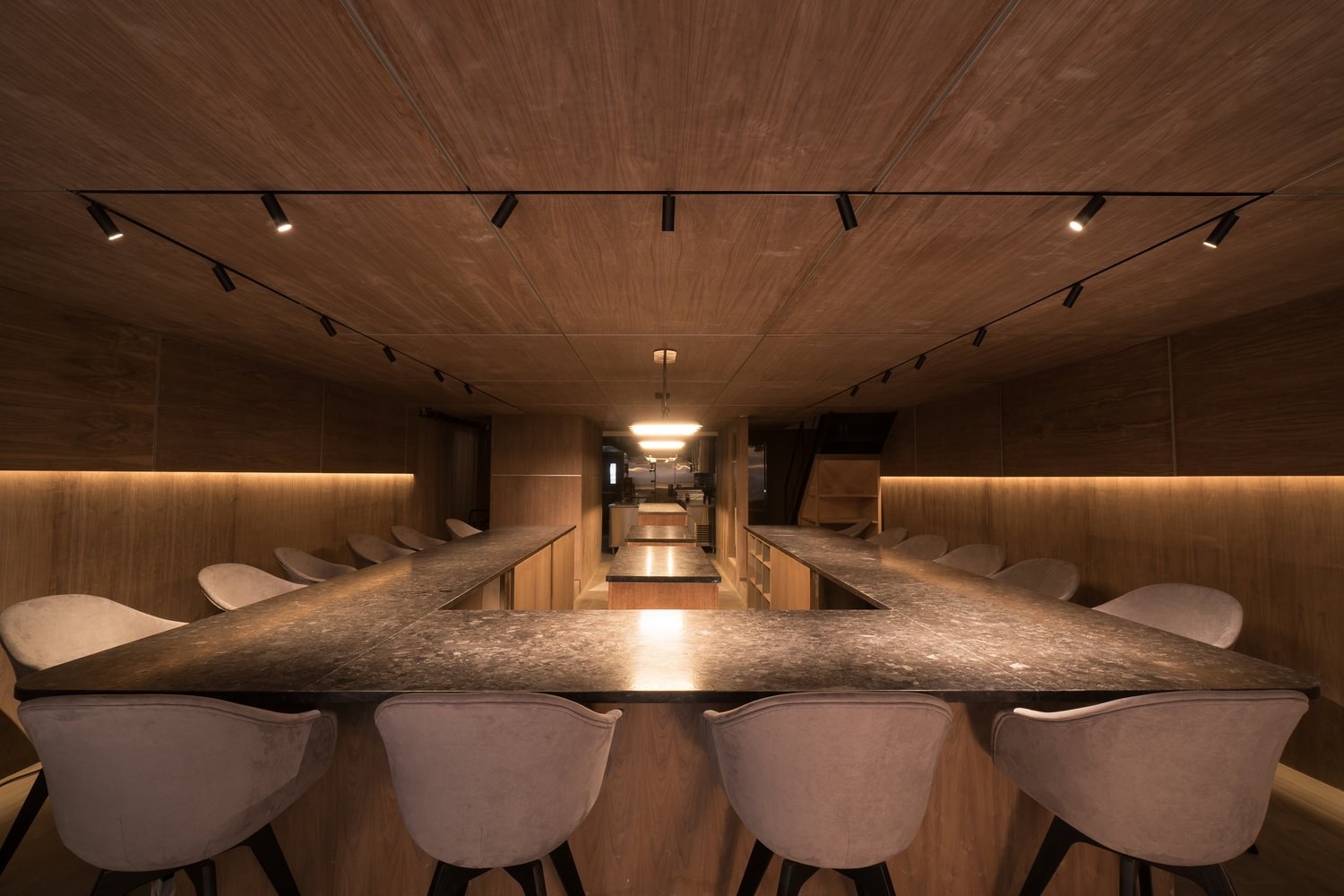
Modern Korean Tasting Menu
Atomix
New York City, United States
★★ · 50 Best
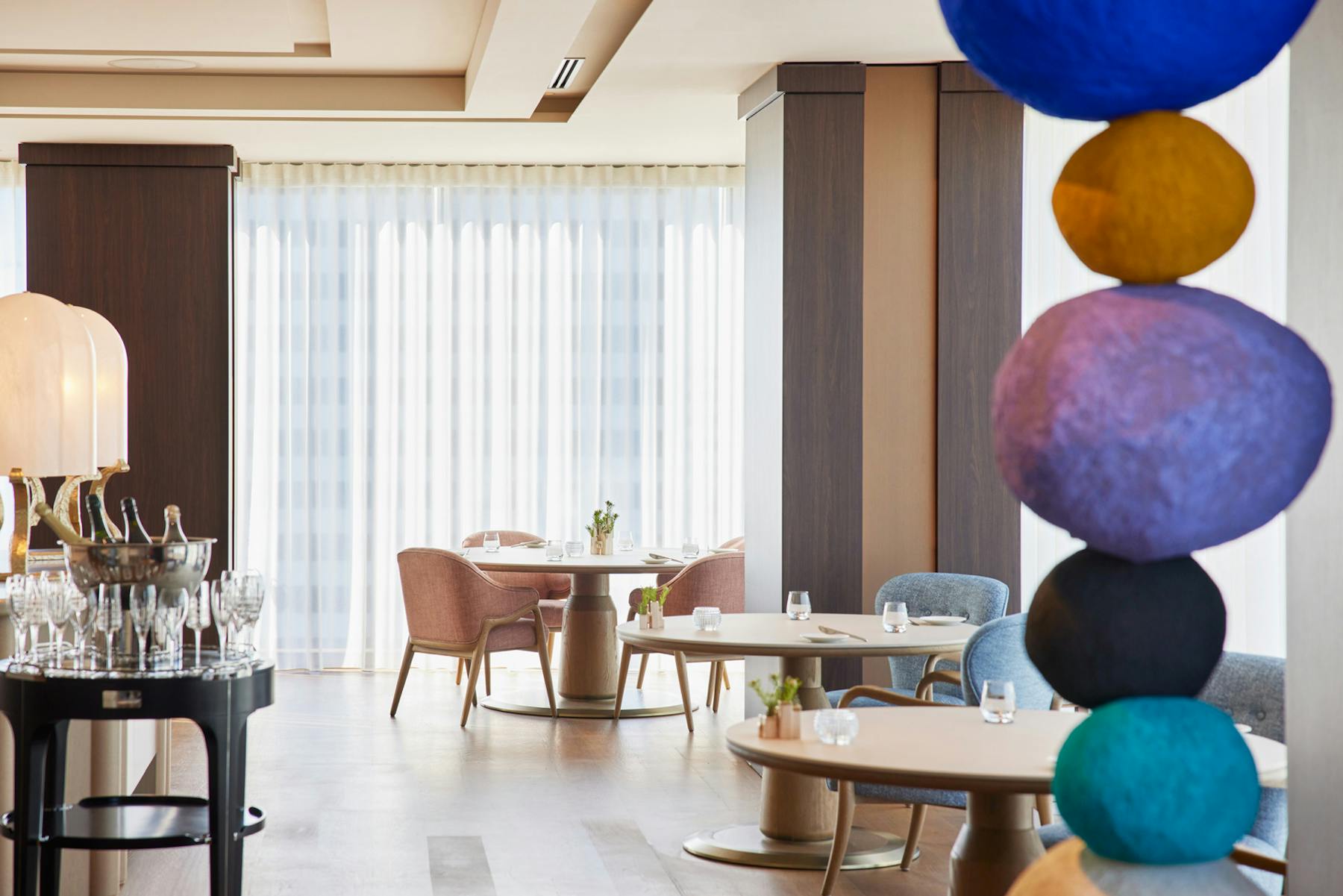
French
Sézanne
Tokyo, Japan
★★★ · 50 Best
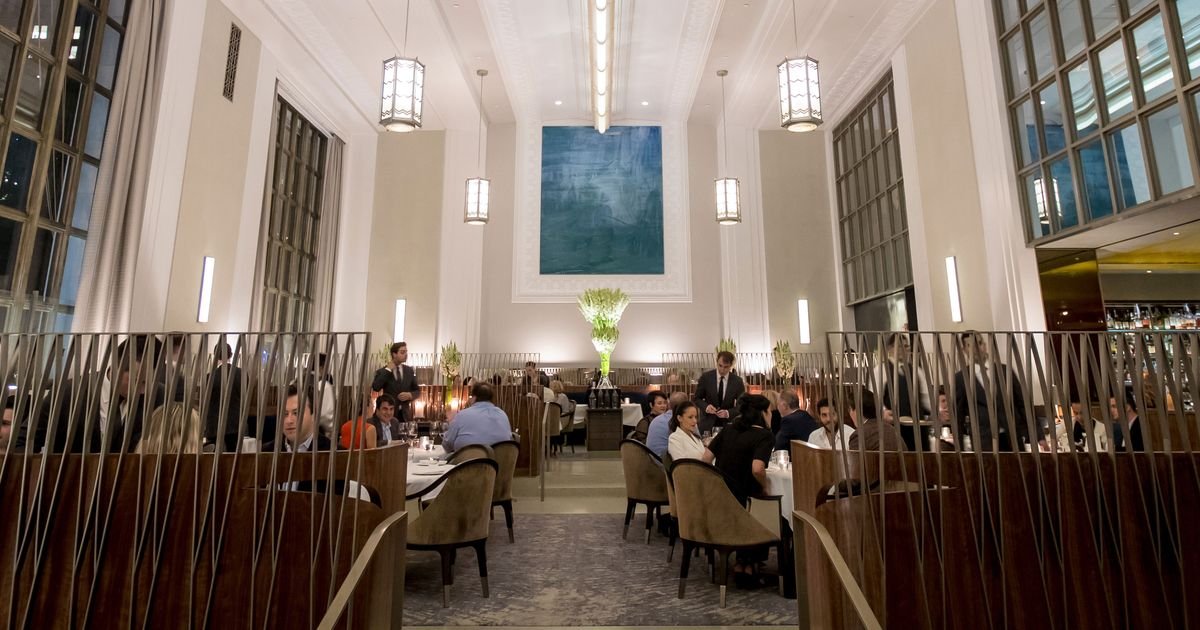
Contemporary Plant-Based Fine Dining
Eleven Madison Park
New York City, United States
★★★ · 50 Best
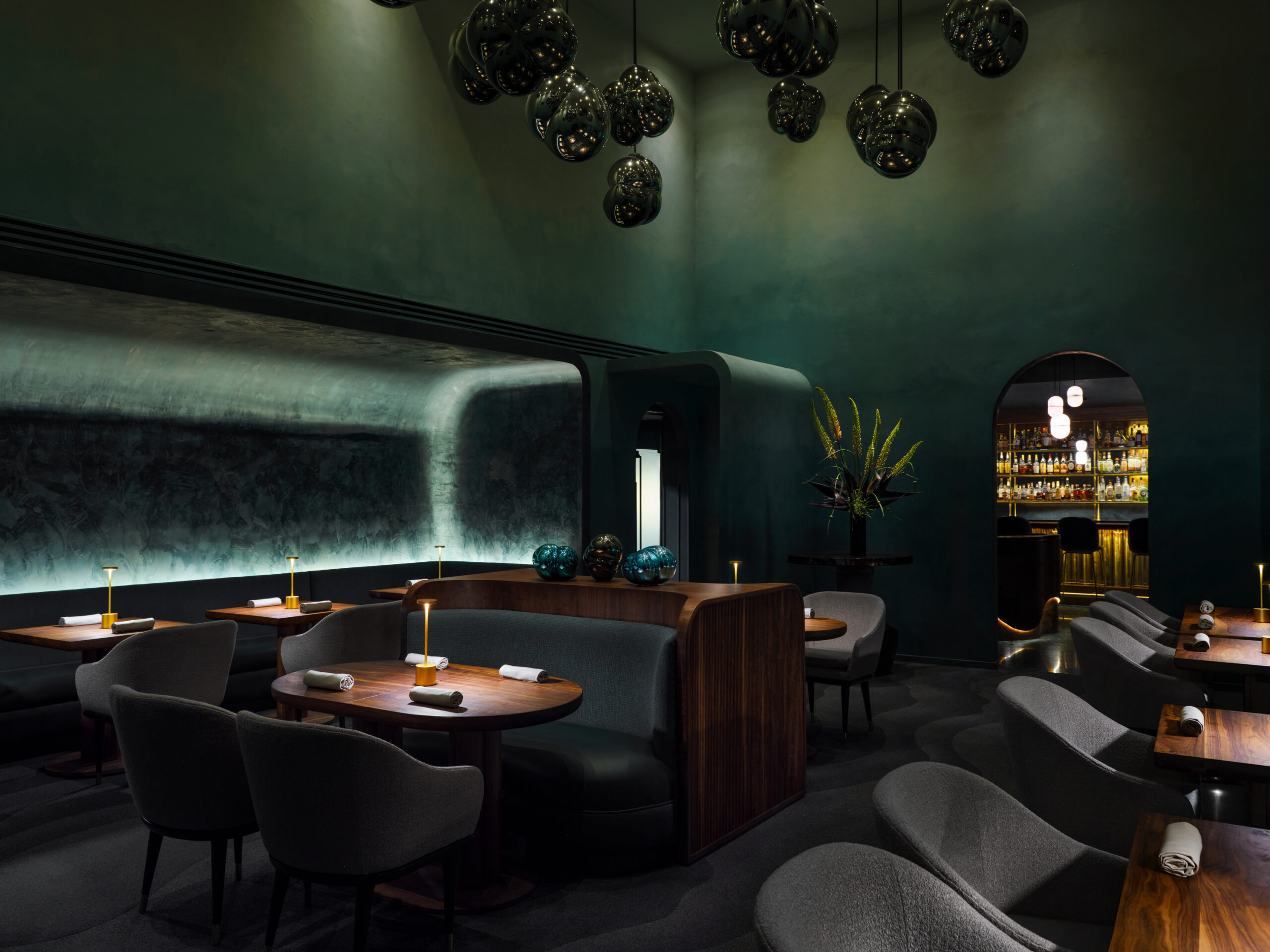
Modern Seafood Fine Dining
Providence
Los Angeles, United States
★★★ · 50 Best