Rietine
- 01CityGaiole in Chianti, Italy

- Falstaff Winery - Listed · 2026
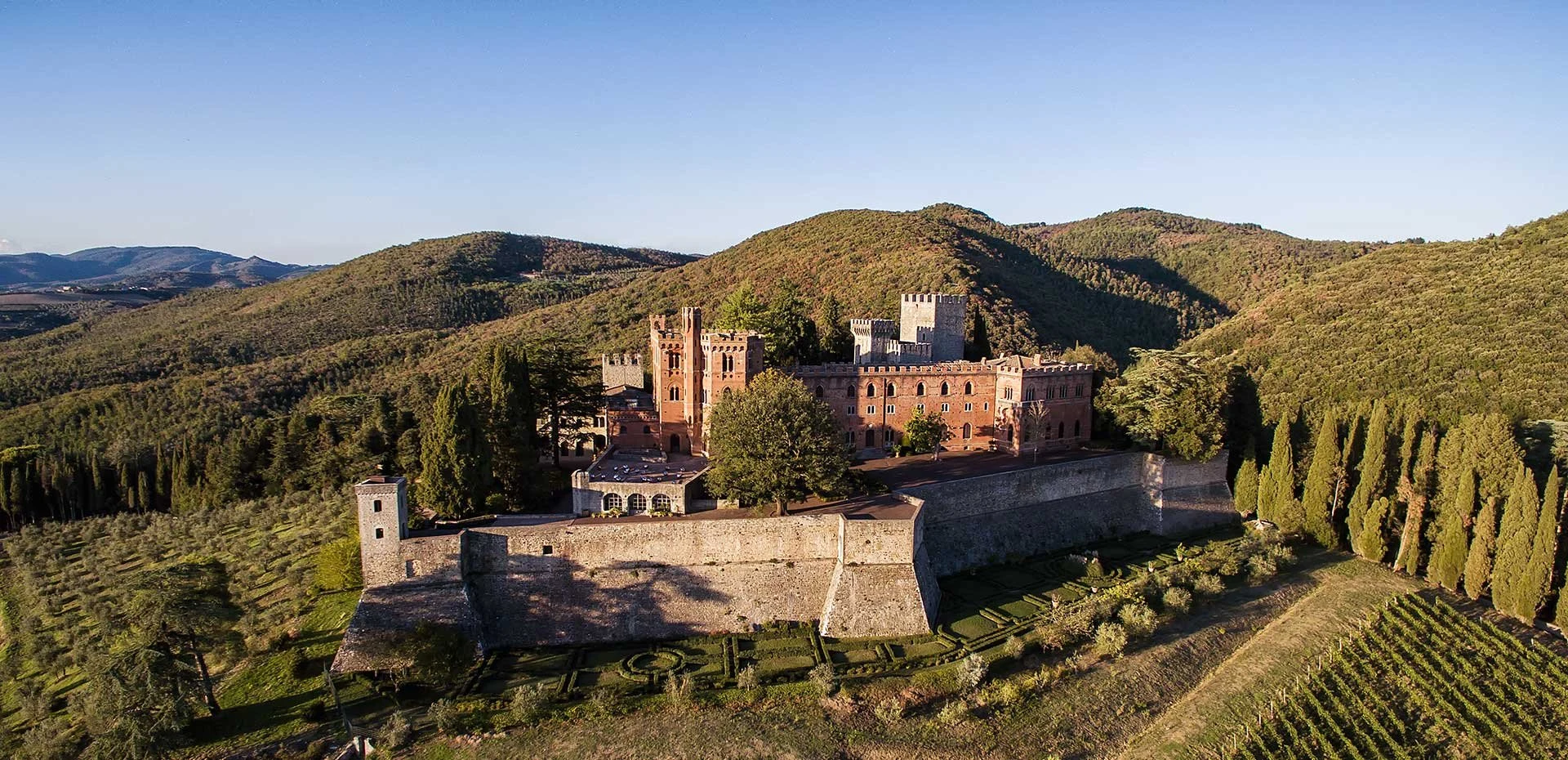
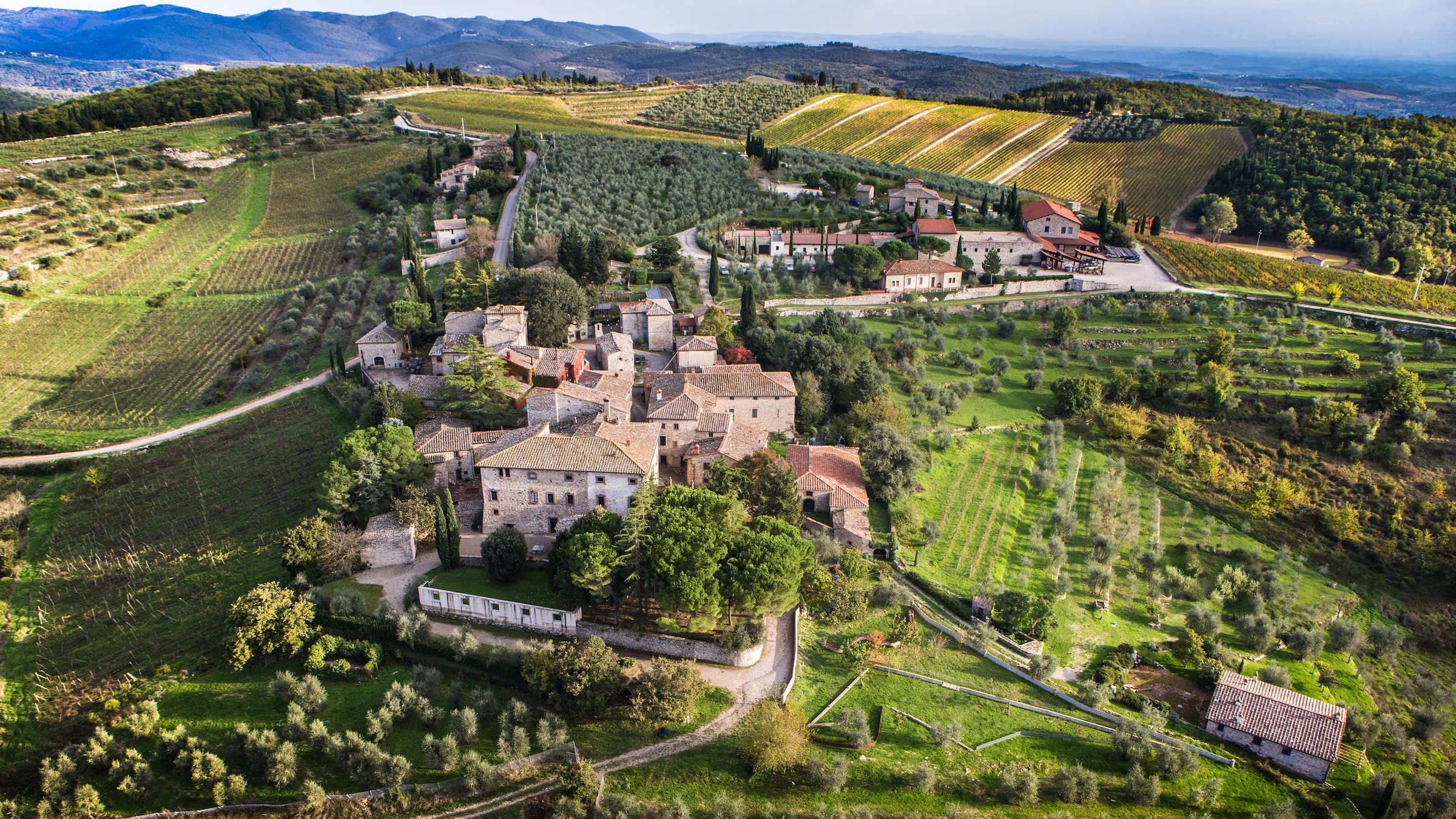
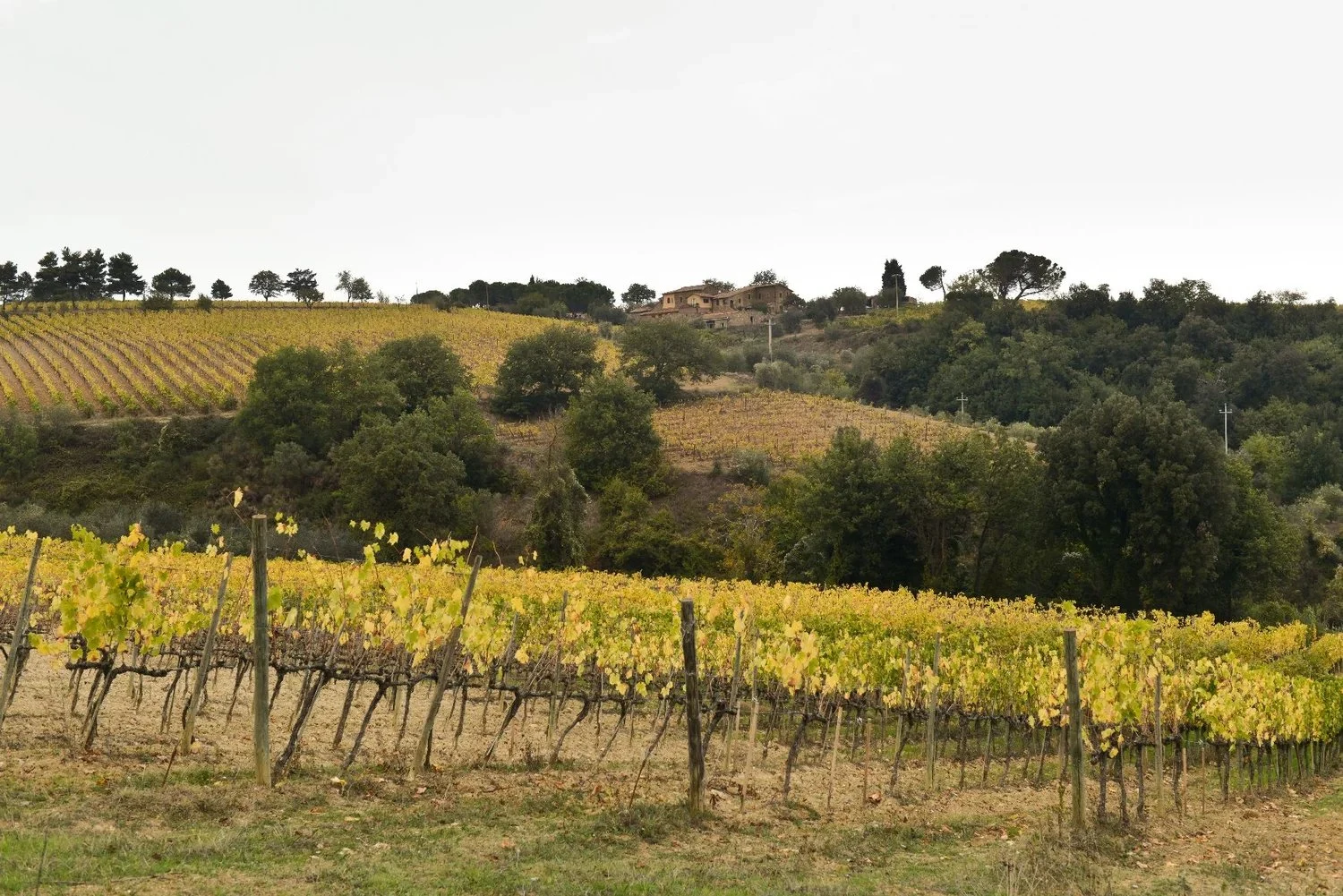
Approaching Rietine means entering Chianti Classico at a quieter register: a small, artisan estate in Gaiole in Chianti where the emphasis is on wine, landscape and a rural hillside setting rather than a large-scale tourism format. The first impression is not built around spectacle, but around a sense of proportion: a place where the cellar, the vineyards and the surrounding hills remain close to one another, and where hospitality follow the rhythm of the estate rather than the other way around. The picture is intentionally simple: a traditional cellar above the vineyards and an intimate on-site tasting area looking out over rolling hills.
Rietine’s setting is its central argument. It is a Chianti Classico estate in Gaiole in Chianti with a quiet atmosphere and a close connection between cellar, vineyard and view. The price level is listed as $$$, but the appeal is less about luxury staging than about a calm rural wine setting. In that sense, its value lies in the way the visit frames Chianti Classico: not as a crowded checklist stop, but as a hillside encounter with wine, terrain and the slower texture of the countryside.
Hillside Chianti Classico without the tour-bus tempo
Rietine fits the quieter side of Chianti Classico hospitality. Rather than presenting itself through a large visitor-centre experience, the estate is defined by small scale, a traditional cellar above the vineyards and an intimate tasting area facing the hills. This is the kind of format where the landscape is not incidental. The view, the slope and the feeling of being on a working rural estate all help shape the visit, giving it a compact and grounded character.
That makes the visit best understood through atmosphere and place. The draw is not a named award, a restaurant-style format or a detailed menu programme; it is the combination of Chianti Classico context, vineyard views and a calm rural setting in Gaiole in Chianti. The experience reads as deliberately restrained, which can be an advantage for travellers who want the estate itself to remain the focus. Instead of a heavily programmed stop, Rietine offers a more direct way to spend time with the landscape and the wines in their own setting.
Readers mapping the area can pair this page with broader research into other Gaiole in Chianti dining and wine options, while keeping Rietine in mind as a smaller, landscape-focused estate experience. It is especially useful as a point of contrast: a place to consider when the desired pace is unhurried, the surroundings matter, and the purpose of the visit is to stay close to the essentials of cellar, vineyard and view.
A compact estate format built around cellar, vineyard and view
Rietine’s hospitality details point to an intimate on-site tasting area rather than a large, high-volume venue. The traditional cellar sits above the vineyards, and the surrounding hills are part of the experience rather than mere background. That physical arrangement matters because it keeps the visit spatially connected: the tasting area, the cellar and the vines are understood together, not as separate pieces of a broader hospitality operation.
The relevant expectation is quietness. This is a small, artisan Chianti Classico estate with a rural atmosphere focused on wine and landscape. Visitors should read that smallness positively, as part of the character of the place. The appeal is not in abundance of facilities or elaborate staging, but in the feeling of being somewhere contained, calm and rooted in its hillside position. For wine travellers, that can make the estate feel more personal in scale, even when the practical details of the visit should still be checked directly before planning around it.
The setting also supports a slower Gaiole in Chianti itinerary. Wine travellers can use Rietine as one rural point of reference while comparing it with other unnamed local options, especially when the goal is a calm estate atmosphere rather than a heavily staged hospitality circuit. In a broader day of exploring the area, it functions best as a quieter anchor: a stop chosen for its sense of place, its hillside perspective and its compact estate identity.
Who should put it on a Gaiole wine route
Rietine is strongest for travellers who value a quiet Chianti Classico estate setting, hillside views and a small-scale atmosphere. The core appeal is the relationship between the traditional cellar, the vineyards below and the rolling landscape around Gaiole in Chianti. It suits visitors who are less interested in a polished, high-volume tourism environment and more interested in how a modest estate setting can express the character of the area through wine and place.
The editorial call is simple. Choose Rietine when the day calls for a low-key, artisan wine estate with an intimate tasting area and a rural sense of place. It is best approached with expectations aligned to calmness, landscape and direct estate character rather than elaborate hospitality extras. For more structured plans, compare it with other Gaiole in Chianti options and confirm current visit details directly.
Questions
Frequently asked
How expensive is Rietine?
Rietine is listed at a price level of $$$.
The field
How it compares
| Place | Notes |
|---|---|
| Rietine | Rietine, $$$ |
| Barone Ricasoli (Brolio) | Gaiole in Chianti |
| Castello di Ama | Gaiole in Chianti |
| Castello di Lucignano | Gaiole in Chianti |
| Fattoria di Rietine | Gaiole in Chianti |
| Fietri | Gaiole in Chianti |
| Ricasoli | Gaiole in Chianti |