Izakaya Rintaro
- 01CuisineModern Japanese Izakaya
- 02CitySan Francisco, United States
From the people index
Recommended by
7 trusted voices point here.

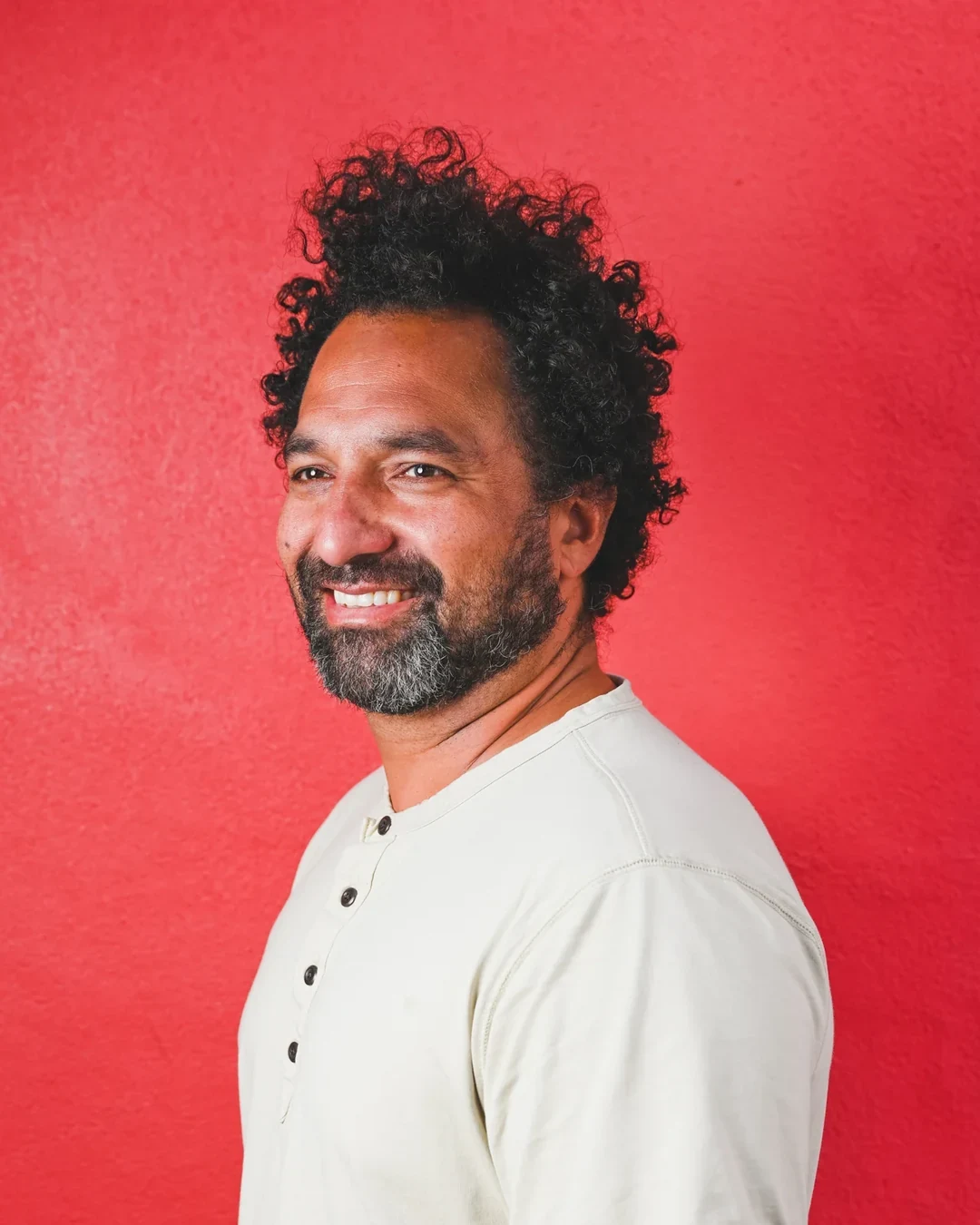
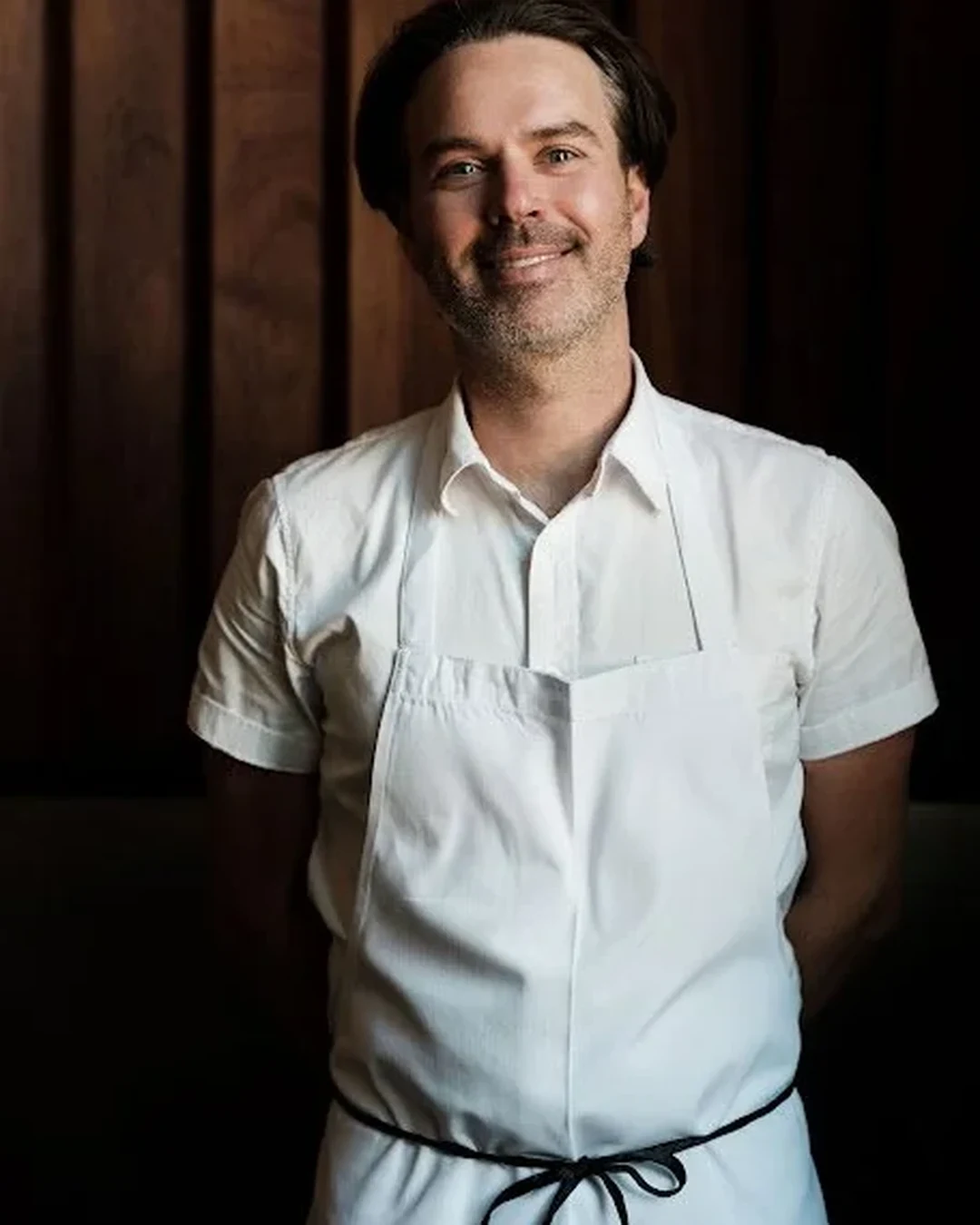
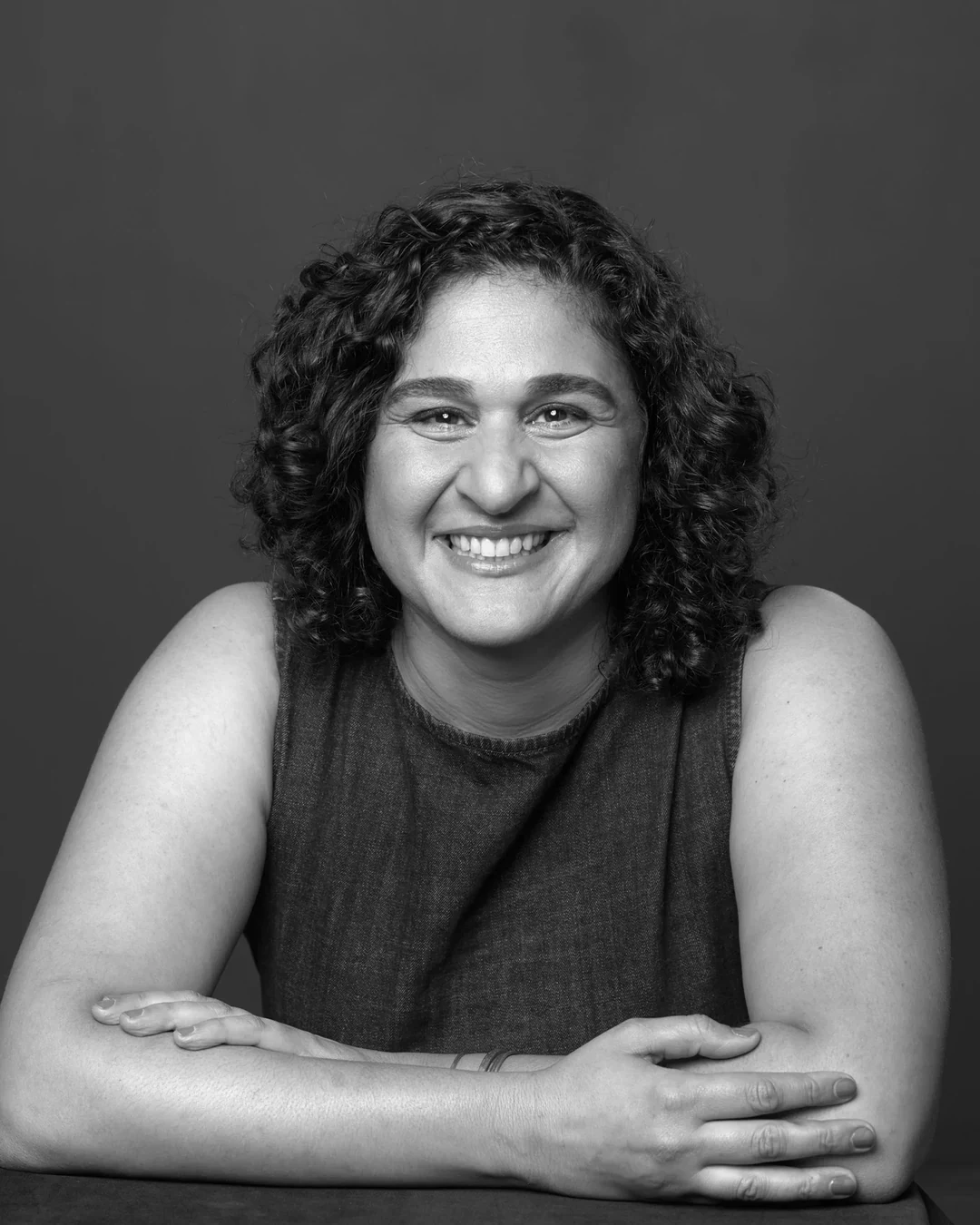
House tofu, udon, binchotan yakitori
- Michelin Bib Gourmand · Michelin Guide
- New York Times Best Restaurants in San Francisco · 2026
- Michelin Bib Gourmand · 2026
- San Francisco Chronicle Top 100 Bay Area Restaurants #74 · 2026
- Resy Best of the Hit List · 2025
- Michelin Bib Gourmand · 2025
- Pearl Recommended Restaurant · 2025
- Opinionated About Dining Casual in North America Recommended · 2023
Charcoal at the Mission pass
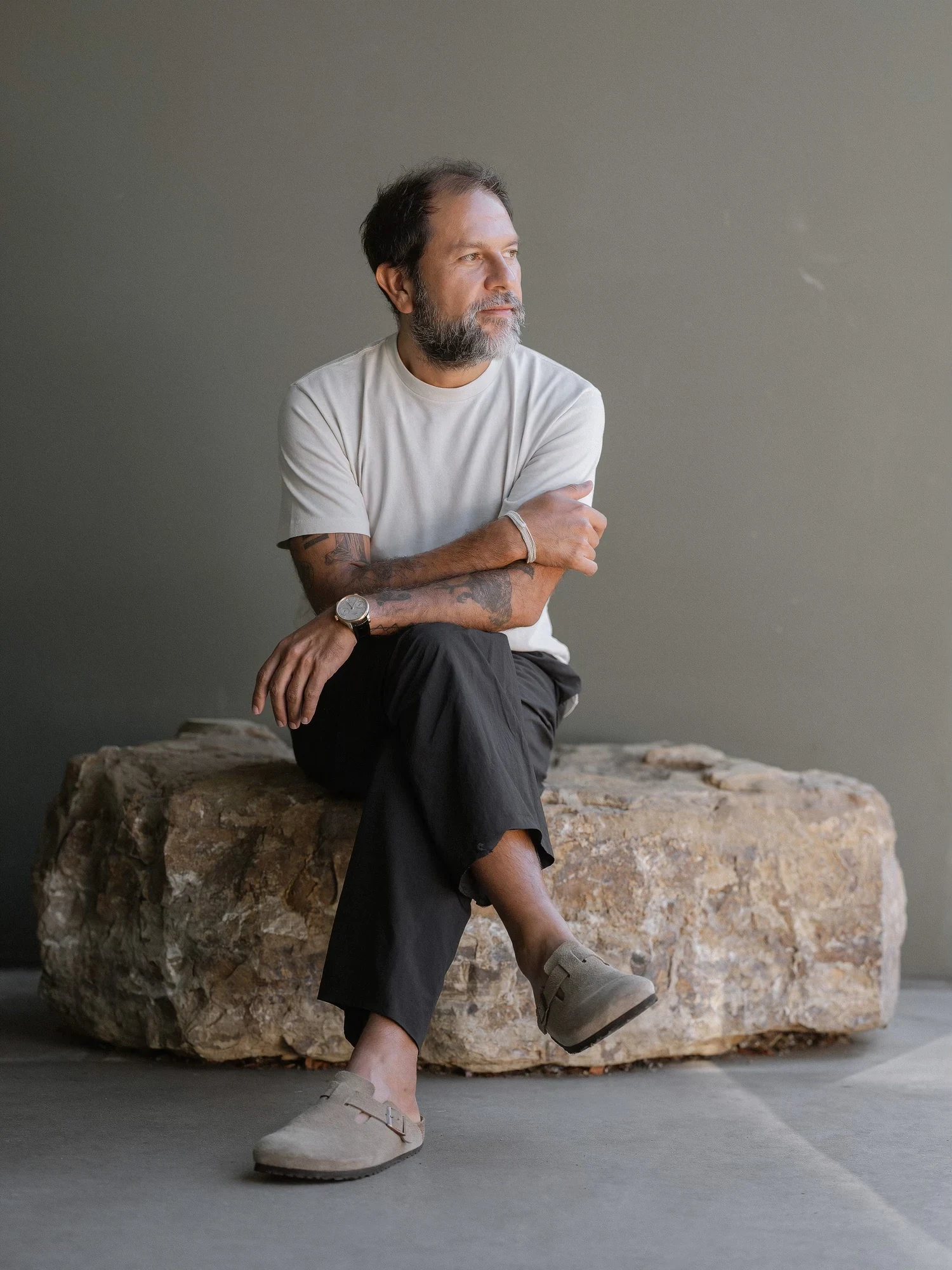
Binchotan catches cleanly before service while Sylvan Mishima Brackett, chef and owner of Izakaya Rintaro in San Francisco, sets the small-plates rhythm around the grill. He opened the restaurant in 2014 after a life split between Kyoto and Northern California, and the room still carries both places without turning either into decoration. Brackett was born in Kyoto to a Japanese mother and an American father, then grew up in the Sierra Nevada foothills, in a Japanese-style homestead his family built in Nevada City. Trips back to Japan kept the method close. Later, in Tokyo, he trained with a soba master and learned kaeshi, the seasoning base that gives soba broth its depth and discipline. In California, he worked as creative director at Chez Panisse, where the sourcing logic of the Bay Area sharpened rather than softened his Japanese frame. Rintaro is the address where those lines meet: an izakaya built for skewers, tofu, udon, pickles, sake, and the quick exchange between the pass and the table. The restaurant has been Michelin Recommended since 2016 and received a Bib Gourmand in the 2025 Michelin Guide, with seating bench-side. The tofu is made here. The udon is made here. The fire is watched by hand.
Udon, tofu, and white charcoal
The program at Rintaro begins with house work that many restaurants buy in: tofu, udon, umeshu, umeboshi, and fresh pickles. Brackett’s kitchen uses Japanese method against California ingredients with what he has called life and vitality, including wasabi from Half Moon Bay, bamboo shoots from Livermore, and herring from Monterey. The menu moves in the izakaya order of appetite rather than ceremony, small plates arriving for the table as they are ready. Yakitori comes off binchotan white charcoal, prized for heat without smoke or odor, and the skewers can include thigh, liver, heart, and cartilage. Teba no karaage, kake udon, homemade tofu, gyoza with wings, tonkatsu, and fish over rice sit in the same grammar: cut cleanly, seasoned directly, sent when the texture is right. The sake program supports that pace, with carafes and staff guidance rather than a formal cellar performance. Umeshu belongs to the kitchen’s own fermenting habit, not to a separate flourish.
The Sunday letter
Find new places through the people who run them.
Our Sunday email brings you the chefs, winemakers and hoteliers behind our newest stories. See a sample before you subscribe.
See a sample of the Sunday emailOne email a week. Unsubscribe from any issue.
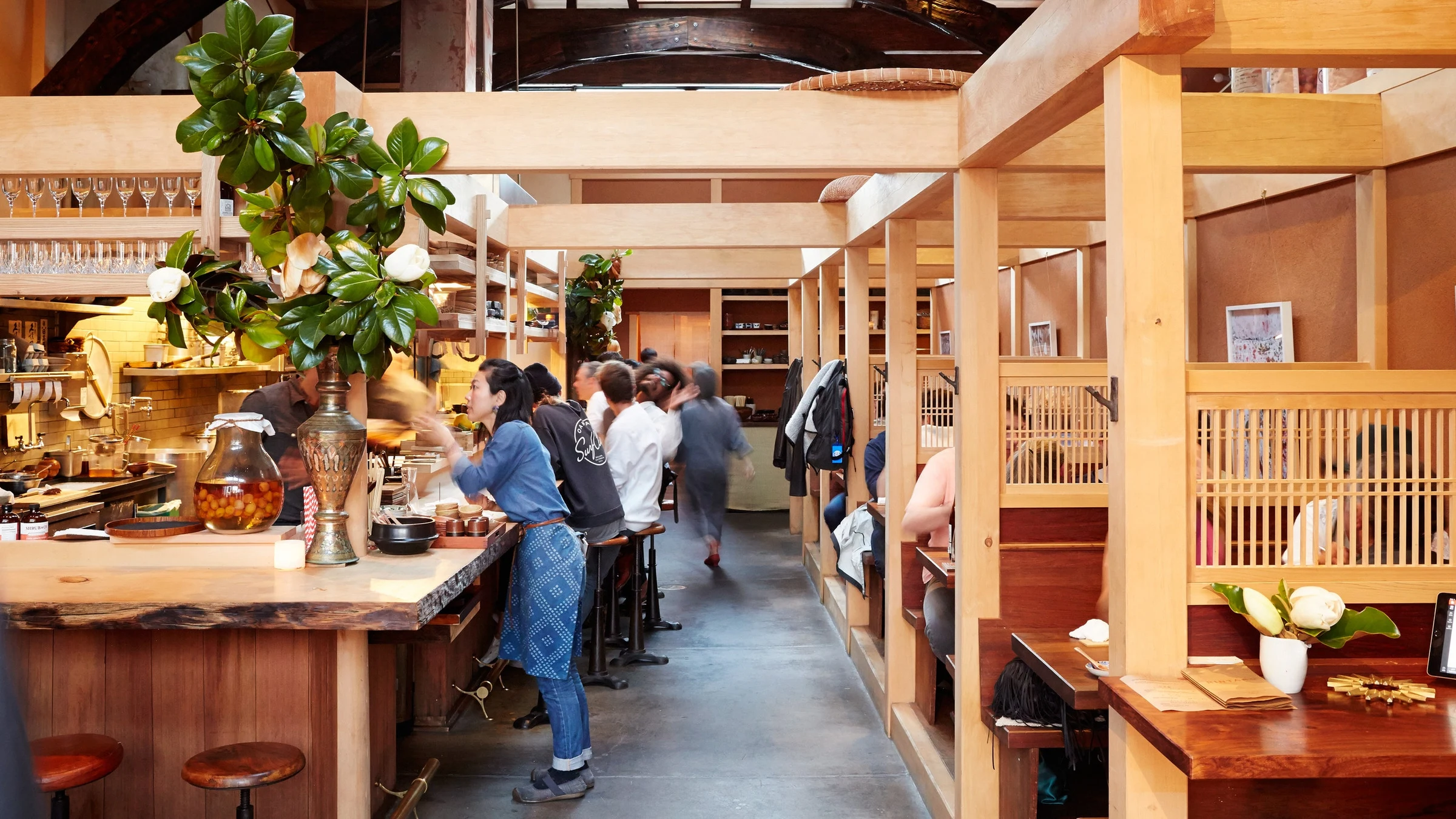
Redwood booths and a cedar bar
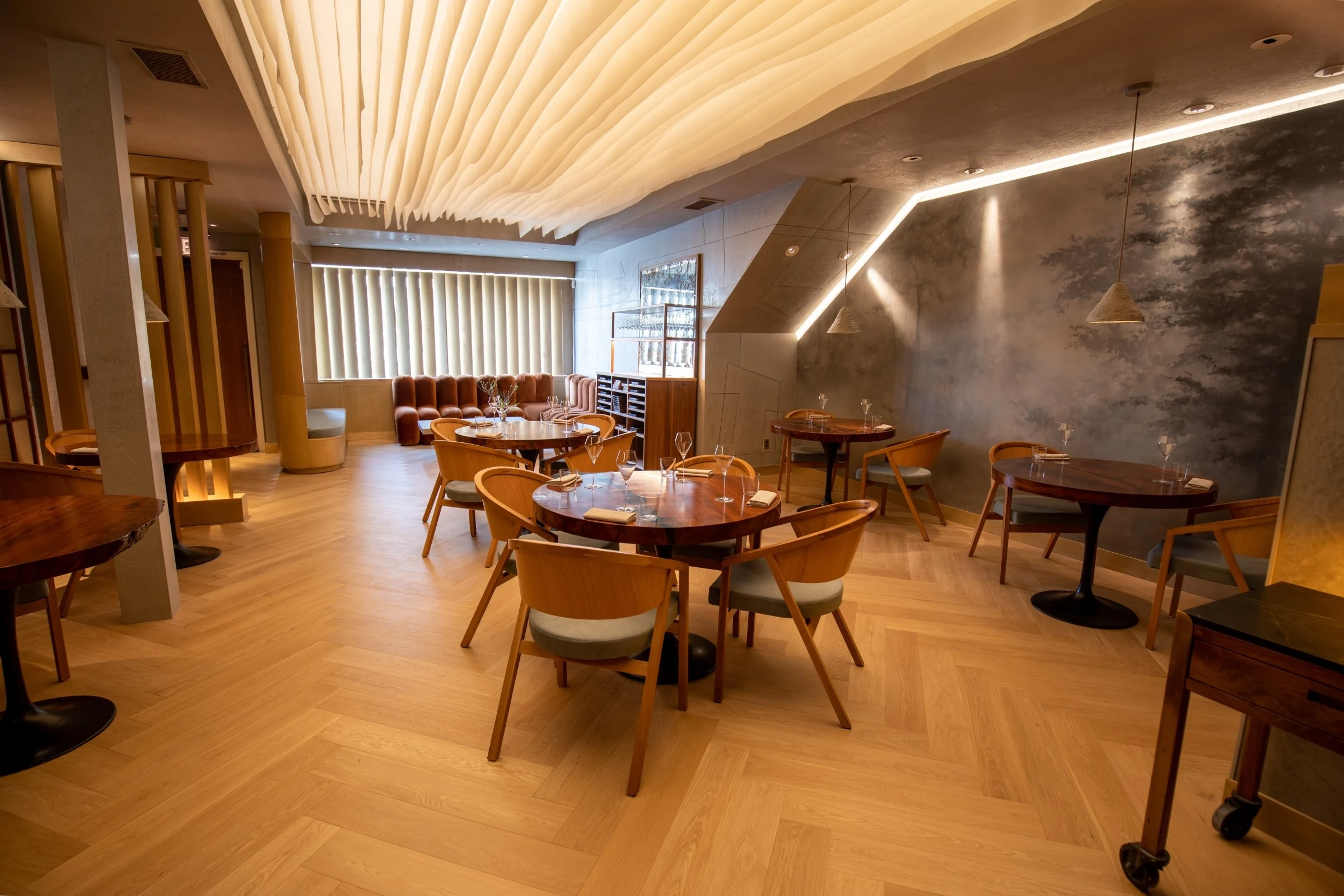
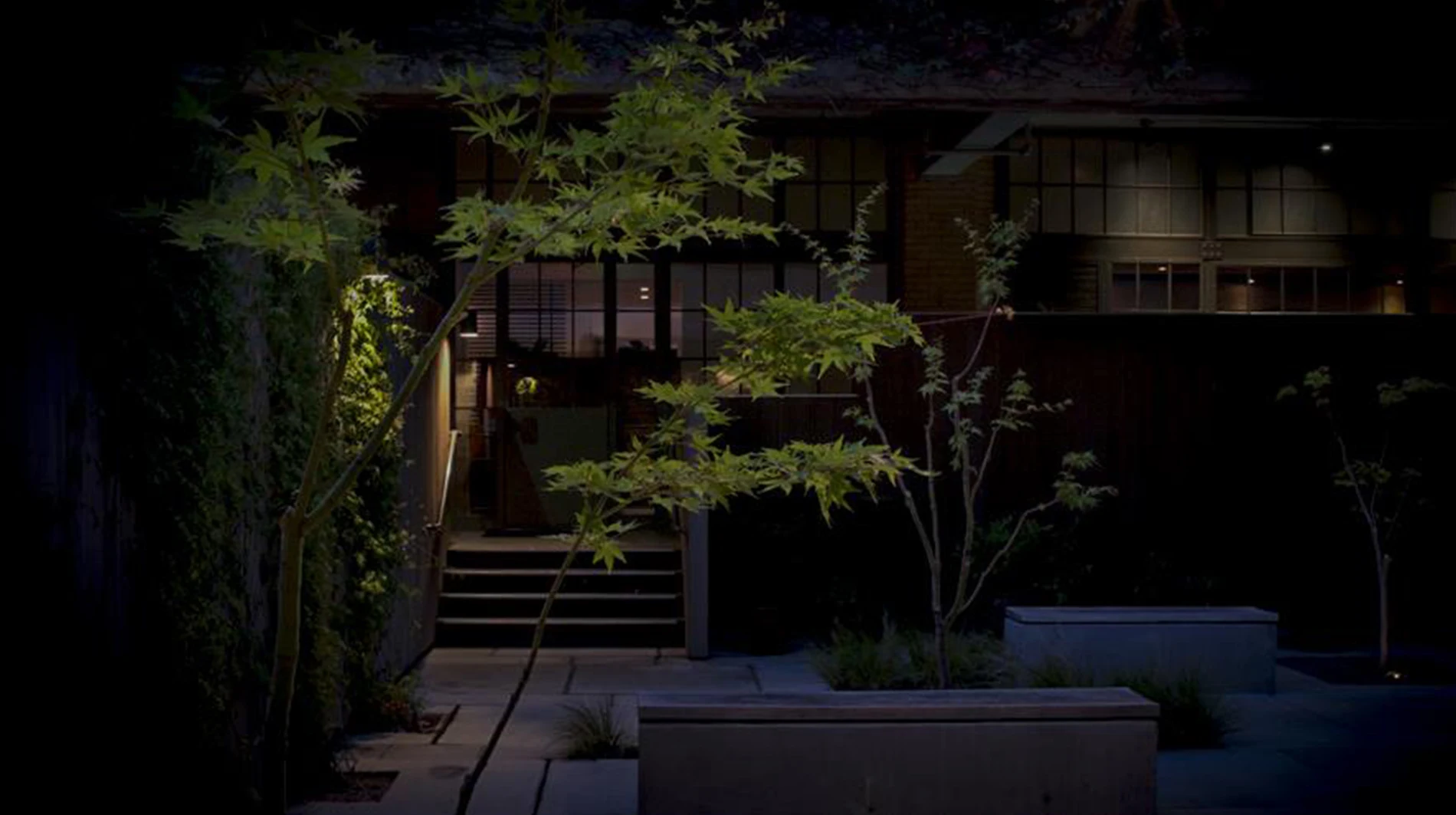
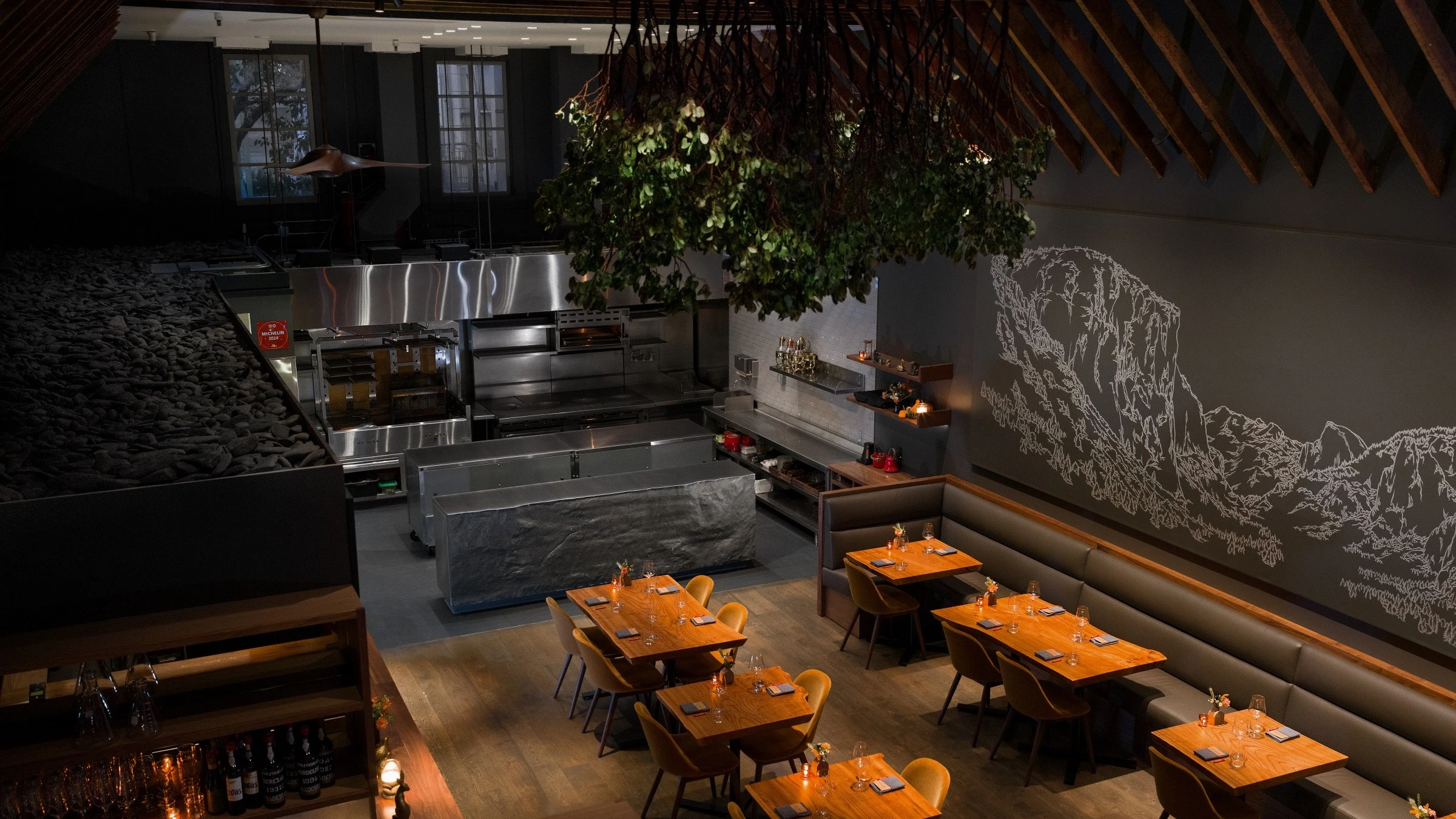
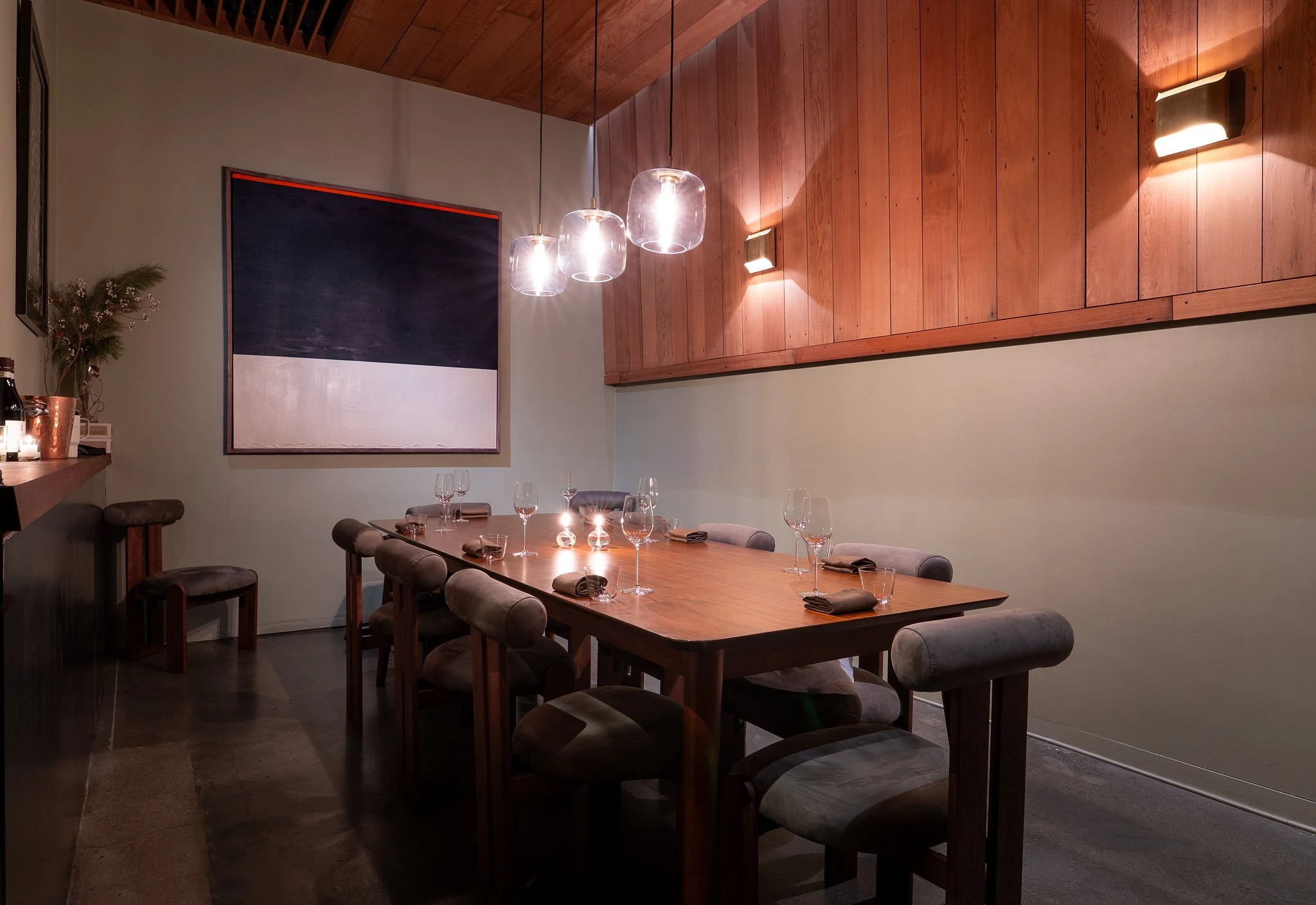
The room was made by Leonard Brackett, Sylvan’s father, who trained as a temple carpenter in Kyoto. He used redwood from old wine tanks and cedar from the Oregon coast for the beams, bar slab, booths, and tables, giving the restaurant a built-by-hand stillness before the first plate lands. The bar is Hinoki cedar. The booths are redwood. A plant-filled courtyard loosens the narrow Mission room, and the sound stays lively without breaking the concentration at the counter. The place feels less designed than joined, each surface carrying a trace of the tool. That matters when the food is this close to the hand: a skewer turned over charcoal, a bowl of kake udon, a square of tofu under bonito flakes.
A cookbook from the same bench
Brackett released Rintaro: Japanese Food from an Izakaya in California on October 10, 2023, extending the restaurant’s method into written form without separating it from service. The book includes the house’s translations of izakaya cooking into California produce, from shira-ae variations to roasted green tea panna cotta. For now, the clearest next trace of the kitchen is still the one that returns each night to charcoal, udon dough, and Rintaro’s homemade tofu.
Questions
Frequently asked
Who is behind Izakaya Rintaro?
Sylvan Mishima Brackett is the chef and owner of Izakaya Rintaro. He opened the restaurant in 2014 in San Francisco’s Mission District.
What kind of food does Rintaro serve?
Rintaro is a modern Japanese izakaya built around skewers, tofu, udon, pickles, sake, and small plates that arrive as they are ready.
What dishes is the restaurant known for?
The menu includes teba no karaage, homemade tofu, yakitori, and kake udon.
What recognition has Izakaya Rintaro received?
The restaurant has been Michelin Recommended since 2016 and received a Bib Gourmand in the 2025 Michelin Guide.
How does booking work?
Reservations are recommended, and the restaurant uses Resy for bookings.
The field
How it compares
| Place | Cuisine | Notes | Awards |
|---|---|---|---|
| Izakaya Rintaro | Modern Japanese Izakaya | Mission, $$$ | · |
| Atelier Crenn | Contemporary French Fine Dining | San Francisco | Michelin 3 Stars, World's 50 Best |
| Benu | Modern Asian Fusion Fine Dining | San Francisco | Michelin 3 Stars, World's 50 Best |
| Lazy Bear | Modern American Tasting Menu | San Francisco | Michelin 2 Stars, World's 50 Best |
| Quince | Modern French Fine Dining | San Francisco | Michelin 3 Stars, World's 50 Best |
| Saison | Modern Fire-Forward Fine Dining | San Francisco | Michelin 2 Stars, World's 50 Best |
| Sons & Daughters | New Nordic Fine Dining | San Francisco | Michelin 2 Stars, World's 50 Best |
Similar places
Contemporary French Fine Dining
Atelier Crenn
San Francisco, United States
★★★ · 50 Best
Modern Asian Fusion Fine Dining
Benu
San Francisco, United States
★★★ · 50 Best
Modern American Tasting Menu
Lazy Bear
San Francisco, United States
★★ · 50 Best
Modern French Fine Dining
Quince
San Francisco, United States
★★★ · 50 Best
Modern Fire-Forward Fine Dining
Saison
San Francisco, United States
★★ · 50 Best
New Nordic Fine Dining
Sons & Daughters
San Francisco, United States
★★ · 50 Best
The Sunday letter
Get the next Made By story in your inbox.
We send one email every Sunday morning with the places and people we covered that week.
See a sample of the Sunday emailOne email a week. Unsubscribe from any issue.