- Opinionated About Dining Top Restaurants in Japan Recommended · 2026
- Opinionated About Dining Top Restaurants in Japan Ranked #515 · 2025
- Tabelog 100 #21: 3.7pts · 2025
- Opinionated About Dining Top Restaurants in Japan Ranked #445 · 2024
- Opinionated About Dining Top Restaurants in Japan Recommended · 2023
Italian at Altitude: Tokyo's Franco-Japanese Cooking Scene and Where Hamasaki Sits
Tokyo's Italian restaurant scene has, over the past two decades, fragmented into tiers that bear little resemblance to how Italian food is positioned anywhere else. At the leading end, a cluster of counters and intimate dining rooms operate on strictly timed seatings, often omakase or near-omakase in format, where the kitchen's seasonal instincts rather than a printed menu drive the meal. These rooms sit alongside Michelin-decorated French addresses like HAJIME in Osaka and kaiseki institutions in the way that Tokyo's dining public processes them: as precision cooking first, national cuisine second. Ristorante Hamasaki is a Tokyo restaurant serving refined Italian cuisine, with an essential reservation policy and an average price of about $150 per person.
The Opinionated About Dining Japan list has tracked this restaurant's trajectory clearly: a recommended listing in 2023, a #445 rank in 2024, and a #515 position in 2025 against a much-expanded field. A Google review average of 4.5 across 186 reviews adds a consumer-side signal that aligns with the critical one. For a city where Italian restaurants number in the hundreds, that combination of recognition and sustained diner approval marks a specific tier.
The Setting: Jingumae and the Togo Memorial Hall Complex
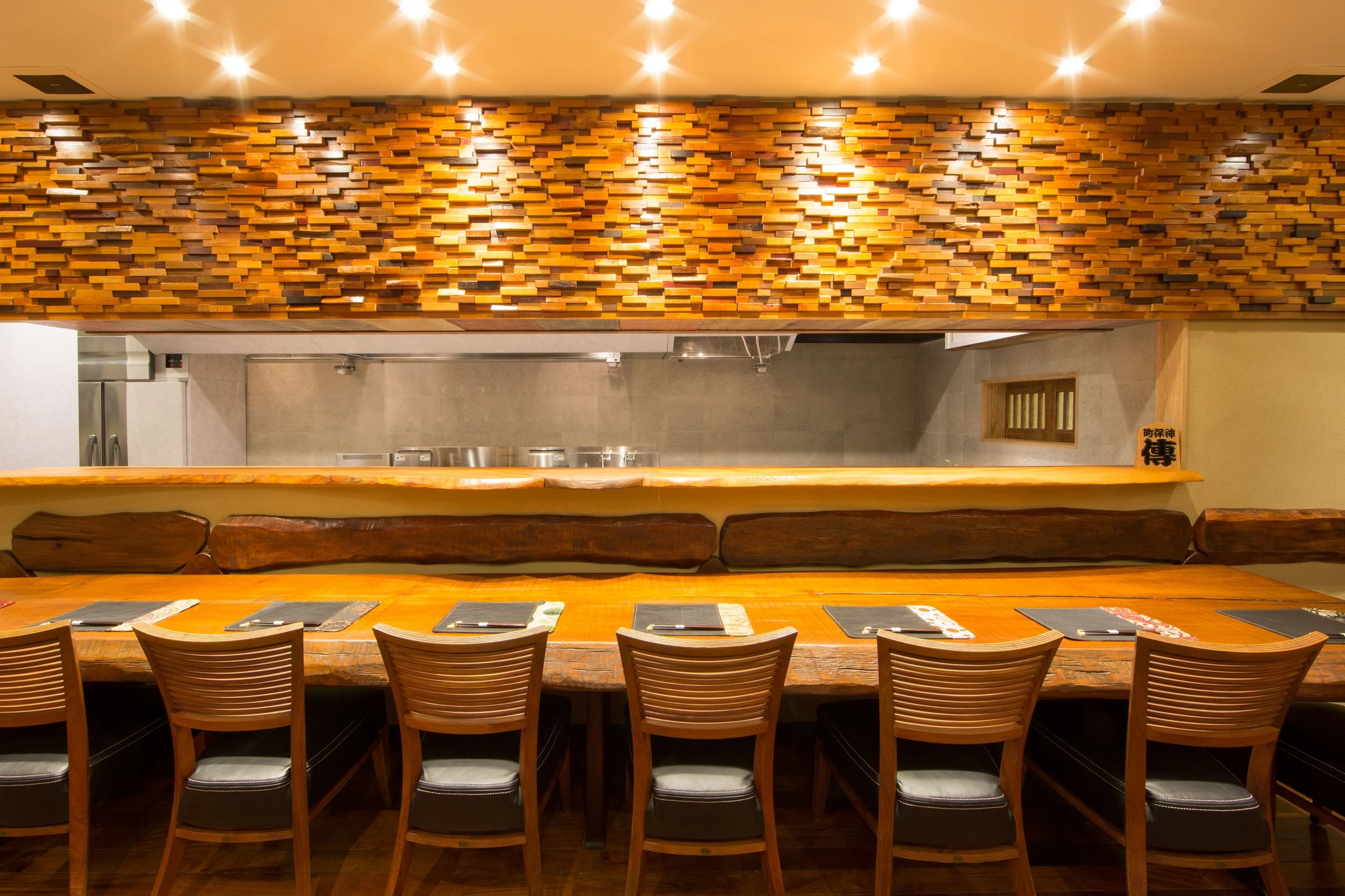
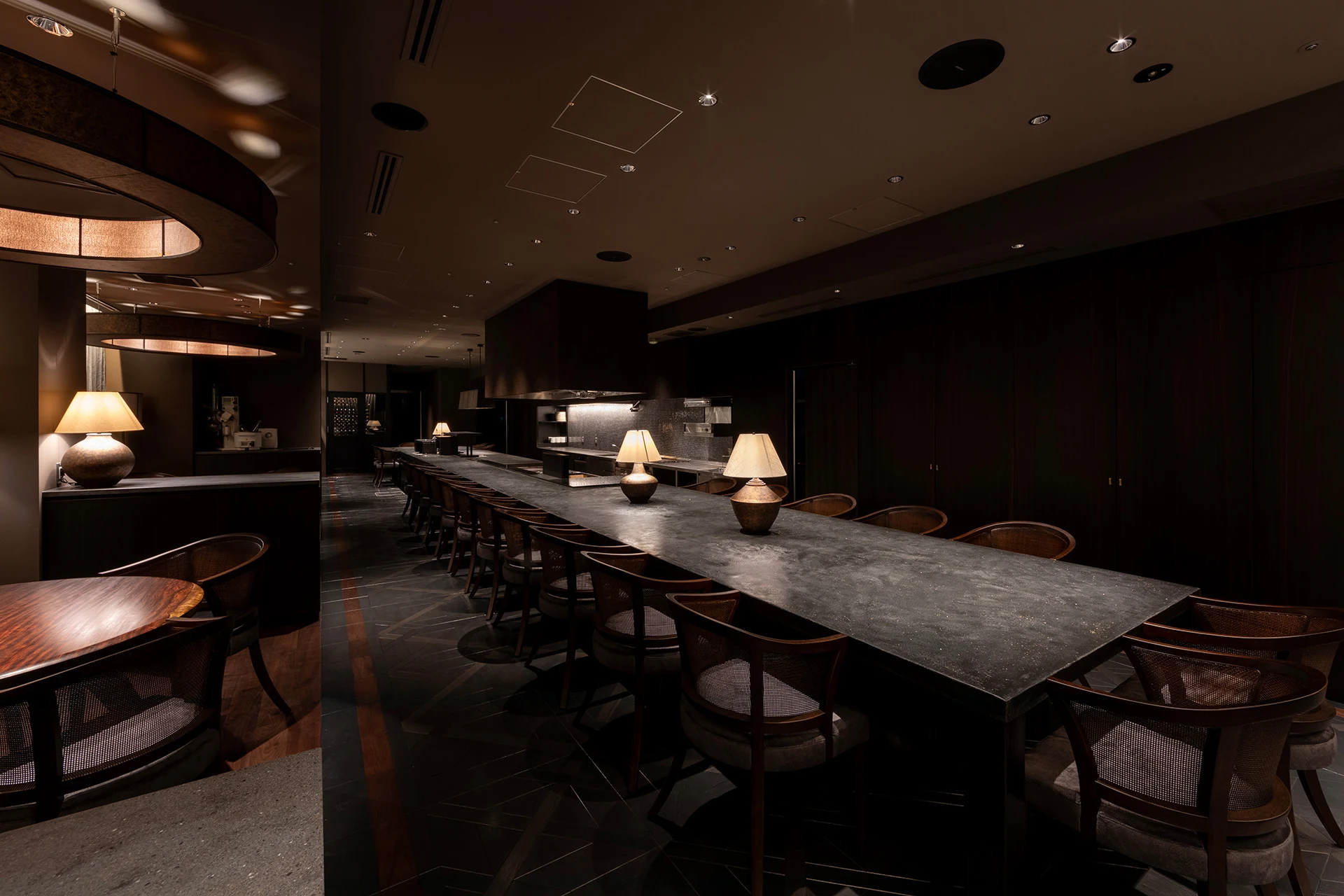
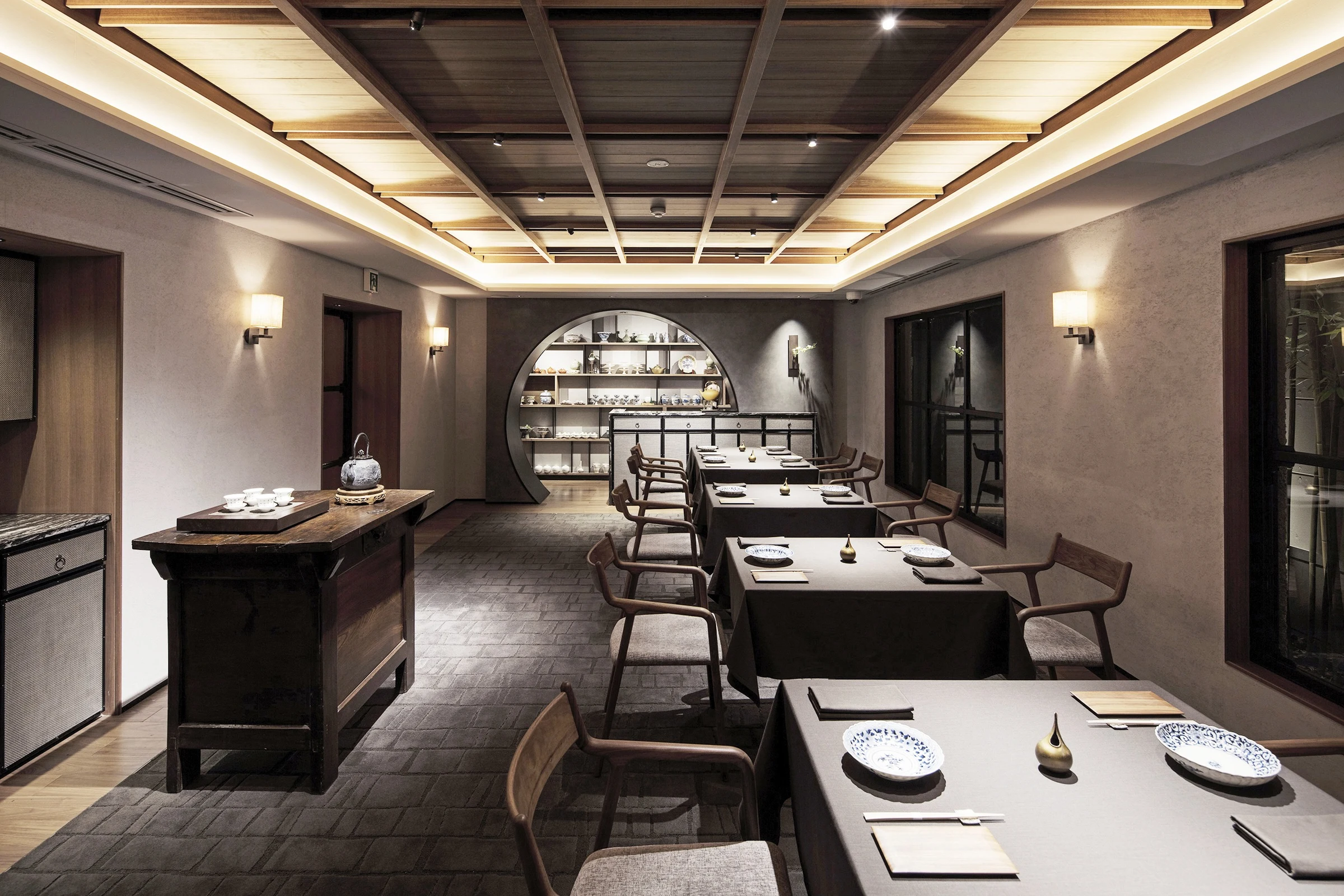
The address places Ristorante Hamasaki in a part of Tokyo that rewards those who look past the retail density of Omotesando. The restaurant occupies the second floor of the Togo Memorial Hall complex in Jingumae 1-chome, a building associated with Admiral Heihachiro Togo and used for formal ceremonies and private events. The choice of location is itself a contextual statement: a European cooking format installed inside a space with deep Japanese ceremonial associations. The physical separation from the street-level commercial noise of the surrounding neighbourhood creates a quieter register before the meal begins. In cities where restaurant atmosphere is often manufactured through interior design spend, an address with pre-existing architectural gravity does something different.
Comparable positioning shows up in how Tokyo's other serious Italian rooms handle location. Aroma Fresca and Principio both use address and spatial framing as part of the dining proposition. The second-floor elevation at Hamasaki functions similarly: the climb removes the diner from the sidewalk world, and what follows operates in a different acoustic and visual register.
Service Architecture: How the Week Is Structured
The operating calendar is worth understanding before any booking attempt. Monday is closed. Tuesday and Wednesday run dinner only, with a single 6 to 8 pm seating. Thursday through Sunday add a lunch window (12 to 1:30 pm) to the same evening slot. That structure limits the restaurant to roughly ten seatings a week, which is consistent with how small-format Italian rooms at this level in Tokyo manage quality. The constraint is a signal: the kitchen is not scaling for volume.
This approach is not unusual in the upper tier of Tokyo's Italian scene. PRISMA and Gucci Osteria da Massimo Bottura Tokyo both operate within similarly controlled frameworks where the seating count and service windows are part of the product. Weekend lunch, running Saturday and Sunday, is likely the most accessible entry point for first-time visitors.
Chef Ryuichi Hamasaki and the Italian-Japanese Tradition
Tokyo's most respected Italian rooms are often shaped by chefs who trained in Italy before returning to Japan and applying Japanese sourcing instincts to Italian structure. That tradition has produced some of the most technically assured Italian cooking outside Italy, and it shows up consistently in the OAD Japan rankings. Chef Ryuichi Hamasaki fits within that cohort: the restaurant carries his name, and the progression from recommended listing to a ranked position on a field as competitive as OAD Japan suggests sustained kitchen consistency. For editorial comparison, the same ranking system has recognised cenci in Kyoto and akordu in Nara as part of the broader Italian-in-Japan scene, and Hamasaki's trajectory aligns with how those rooms have been received.
The Italian-in-Japan format has its own international reference points. 8 1/2 Otto e Mezzo Bombana in Hong Kong represents the Michelin-heavy end of how Italian cooking positions itself in East Asia. Tokyo's version is more diffuse and harder to categorise from outside, but rooms like Hamasaki and AlCeppo collectively form a layer of the city's dining that runs parallel to its better-known kaiseki and sushi tiers.
The Sensory Register: What to Expect in the Room
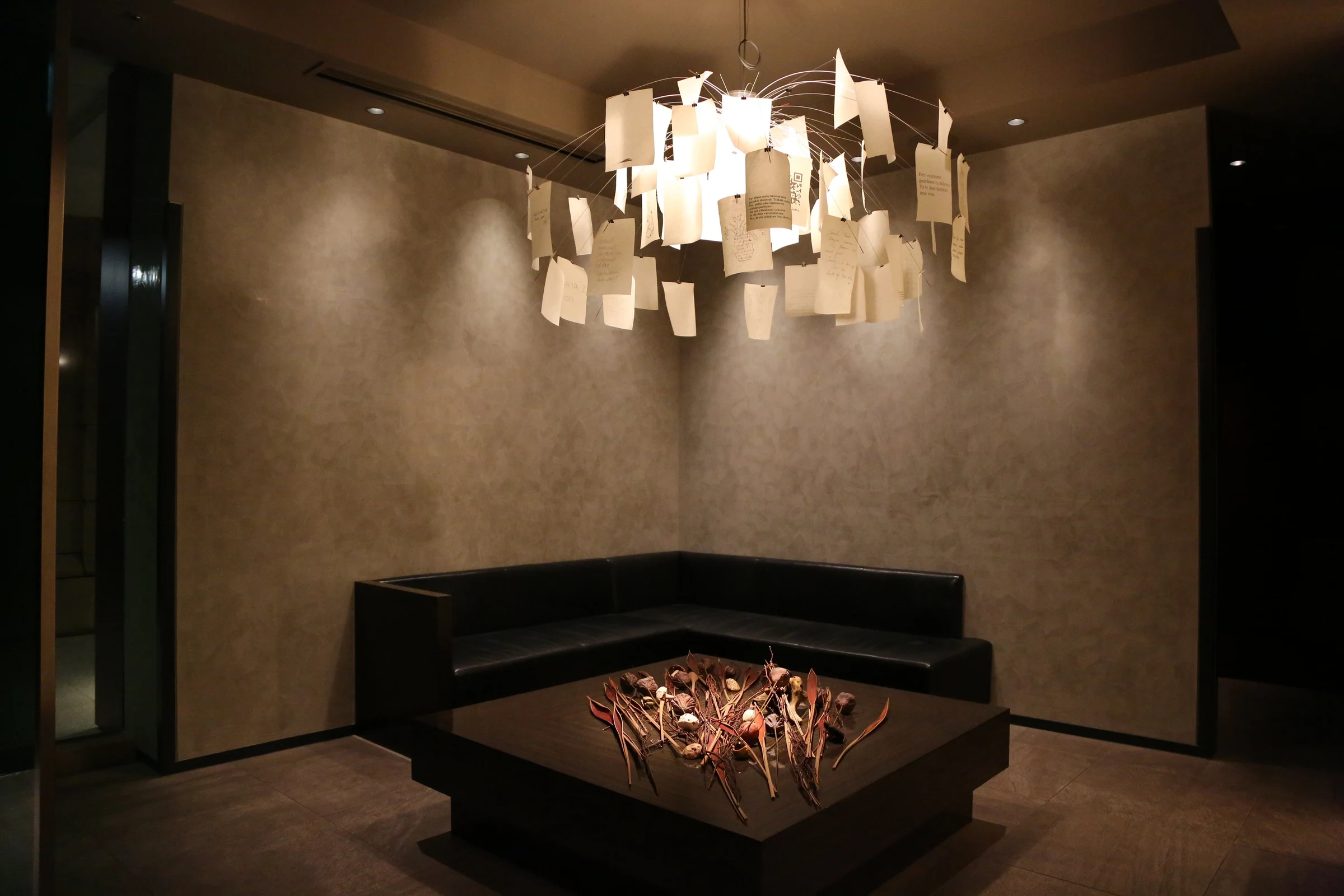
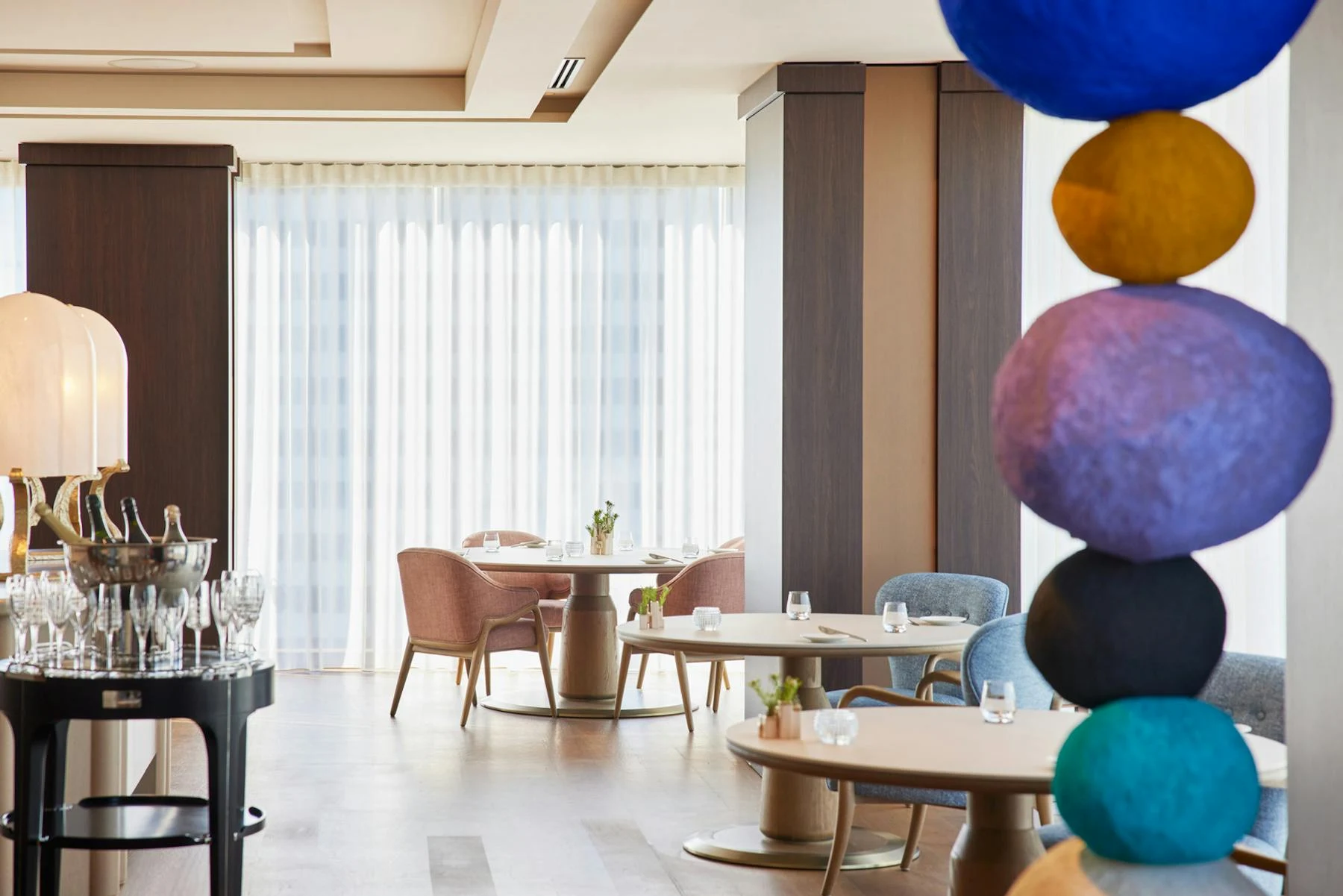
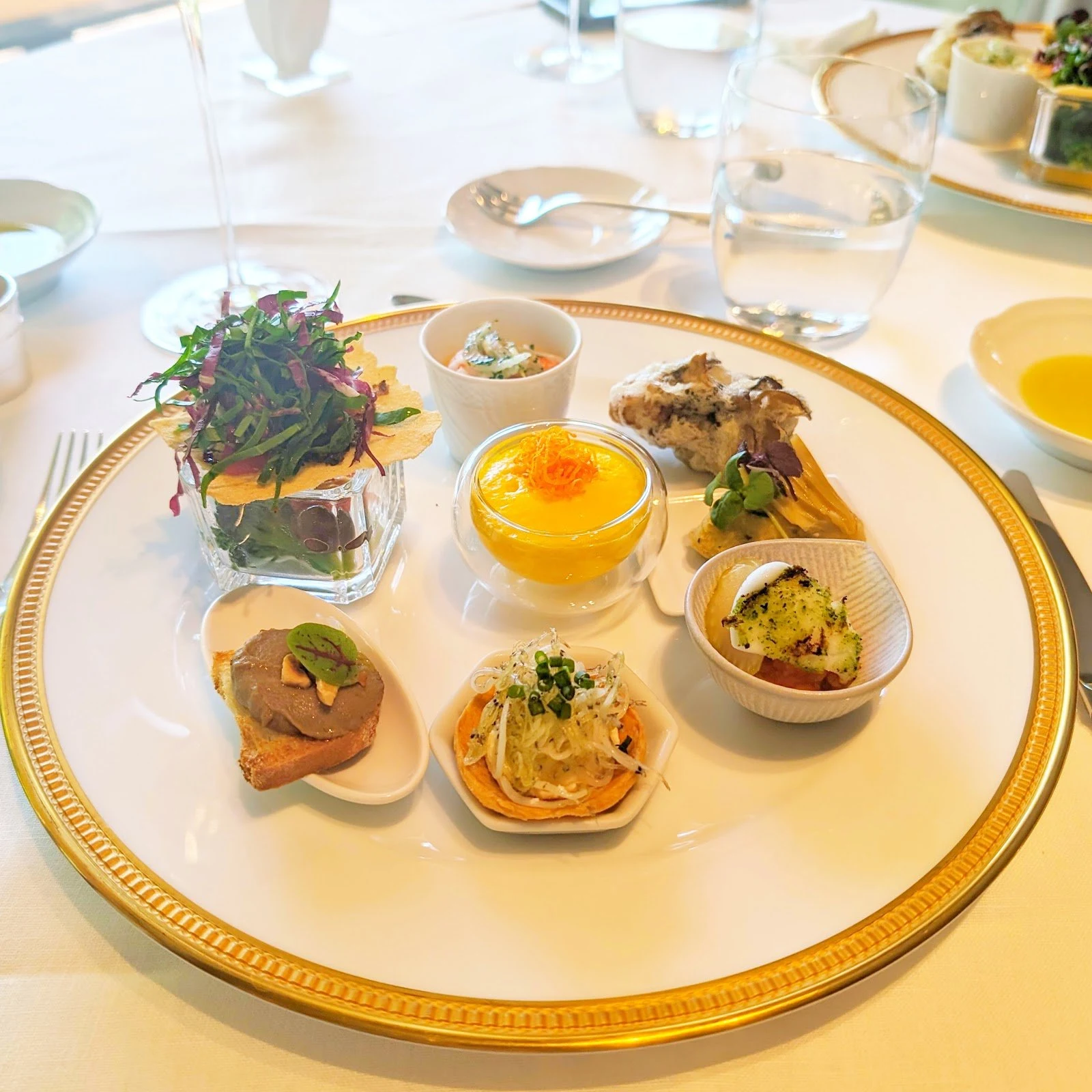
What can be said with confidence is structural. A second-floor room inside a memorial hall building carries a particular atmospheric weight: lower ambient noise than street-level restaurants, likely a more formal spatial arrangement, and a visual remove from the city. Italian cooking at this level in Tokyo typically involves precise plating, seasonal produce sourced with the same rigour applied in Japanese kitchens, and a pacing that honours the two-hour seating window rather than rushing through it. The 6 to 8 pm dinner window, running exactly two hours, is tight for a multi-course format and suggests a well-rehearsed sequence. Lunch, at 90 minutes (12 to 1:30 pm), would typically support a shorter or condensed version of the same approach.
For broader context on how Tokyo's dining scene distributes across the city, see Tokyo restaurants, hotels, bars, wineries, and experiences guides. For those extending the trip, Gion Sasaki in Kyoto, Goh in Fukuoka, 1000 in Yokohama, and 6 in Okinawa represent the range of what serious dining outside Tokyo looks like across Japan.
Planning Your Visit
Reservations: Essential. Contact the restaurant directly or through a hotel concierge familiar with the Jingumae dining scene. Given the limited weekly seatings, lead time of several weeks should be assumed. Hours: Tuesday–Wednesday, dinner only (6 to 8 pm); Thursday–Sunday, lunch (12 to 1:30 pm) and dinner (6 to 8 pm); Monday closed. Location: Second floor, Togo Memorial Hall, Jingumae 1-chome–5-3, Shibuya, Tokyo. Budget: About $150 per person. Dress: Smart casual.
Questions
Frequently asked
Who works at Ristorante Hamasaki?
Made By profiles Ryuichi Hamasaki (Chef) at Ristorante Hamasaki.
How expensive is Ristorante Hamasaki?
Ristorante Hamasaki is listed at a price level of $$$$.
Where is Ristorante Hamasaki and what does it serve?
Ristorante Hamasaki is in Shibuya, Tokyo, serving Refined Italian.
The field
How it compares
| Place | Cuisine | Notes | Awards |
|---|---|---|---|
| Ristorante Hamasaki | Refined Italian | Shibuya, $$$$ | · |
| Den | Modern Japanese Kaiseki | Tokyo | Michelin 2 Stars, World's 50 Best |
| Florilège | Modern French-Japanese Plant-Based Fine Dining | Tokyo | Michelin 2 Stars, World's 50 Best |
| Narisawa | Modern Japanese Satoyama Fine Dining | Tokyo | Michelin 2 Stars, World's 50 Best |
| Quintessence | Modern French Fine Dining | Tokyo | Michelin 3 Stars |
| Sazenka | Modern Chinese Fine Dining | Tokyo | Michelin 3 Stars, World's 50 Best |
| Sézanne | Modern French Fine Dining | Tokyo | Michelin 3 Stars, World's 50 Best |
In residence

Similar places
Modern Japanese Kaiseki
Den
Tokyo, Japan
★★ · 50 Best
Modern French-Japanese Plant-Based Fine Dining
Florilège
Tokyo, Japan
★★ · 50 Best
Modern Japanese Satoyama Fine Dining
Narisawa
Tokyo, Japan
★★ · 50 Best
Modern French Fine Dining
Quintessence
Tokyo, Japan
★★★
Modern Chinese Fine Dining
Sazenka
Tokyo, Japan
★★★ · 50 Best
Modern French Fine Dining
Sézanne
Tokyo, Japan
★★★ · 50 Best