From the people index
Recommended by
One trusted voice points here.
- 3 Michelin Keys · Michelin Guide
- Mr & Mrs Smith Smith Seal of Approval · 2026
- Virtuoso Luxury Hotel Partner · 2026
- Travel + Leisure 100 Favorite Hotels in the World #8 · 2026
- La Liste Top Hotels: 99pts · 2026
- World's 50 Best Best Hotels 51-100 #62: 100pts · 2026
- Forbes 5-Star · 2026
- Forbes 5-Star · 2025
- Michelin 3 Keys · 2025
- Michelin 3 Keys · 2024
The Weight of the Address
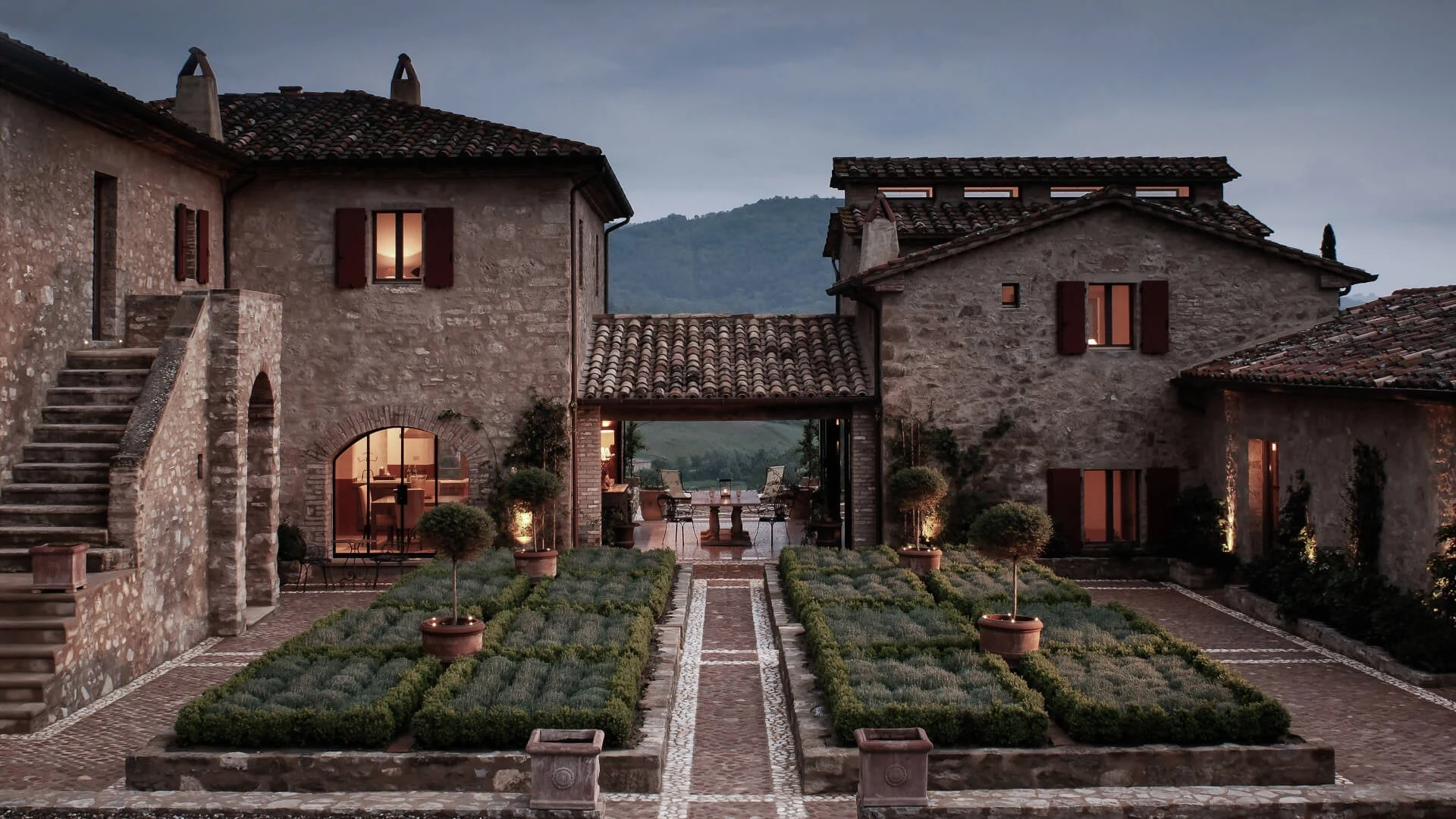
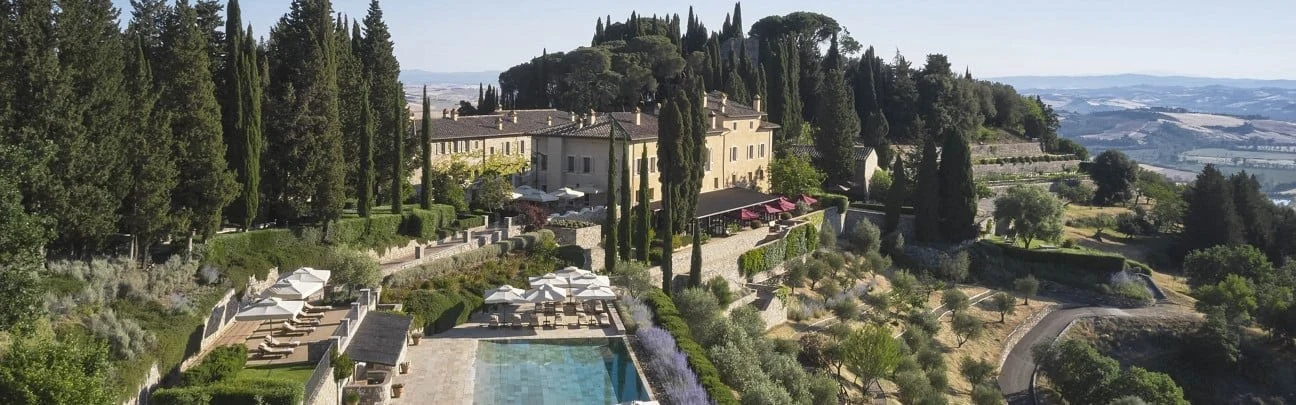
The approach to Castiglion Del Bosco sets the register immediately: a dirt road through dense woodland, past wild boar and deer, winding upward until the medieval borgo materialises from the tree line. There are no manicured hedges signalling arrival, no grand gate framed for a photograph. The estate simply reveals itself, which is the point. Within the UNESCO Natural and Cultural Park of Val d'Orcia, the 5,000-acre property carries the kind of address that does much of the editorial work on its own, with protected landscape, documented history stretching back nine centuries, and proximity to the Brunello di Montalcino production zone that defines Tuscan fine wine globally.
Among Montalcino's upper-tier accommodation options, properties like Castello Banfi - Il Borgo and Castello di Velona Resort Thermal SPA & Winery compete within the same zone of wine-anchored luxury, but Castiglion Del Bosco occupies a different scale entirely. Where most Tuscan estate hotels work within a contained footprint, this property's 5,000 acres of intact agricultural land, active vineyards, working forests, ancient farmhouses, push it into a comparable set that includes destination resorts where the land itself is the primary amenity.
What the Estate Actually Contains
The borgo functions as the operational heart. Its stone buildings include the medieval church of San Michele Arcangelo, which holds a 1345 altar fresco by Pietro Lorenzetti, a detail that most hotels would frame as a headline attraction, but here sits quietly among the estate's other reference points. The 42 suites, ranging from 580 to nearly 2,000 square feet, are arranged through the borgo's historic buildings, decorated in Tuscan ochres, olive greens, and deep reds, with textiles sourced from Florentine producers and furniture selections overseen by Chiara Ferragamo. Suite terraces frequently exceed the interior footprint, which shifts the logic of the accommodation: the room is where you sleep; the terrace and the landscape beyond it are where the stay happens.
Beyond the suites, 11 restored private villas scatter the estate, each converted from 17th- and 18th-century Tuscan farmhouses. Ranging from three to six bedrooms, they include fully equipped kitchens designed by Florence interior designer Riccardo Barthel, heated infinity pools, terraces, and gardens. Some include pizza ovens and tennis courts. This villa tier places Castiglion Del Bosco in a conversation with Italy's most operationally serious private-estate hotels, comparable in concept to properties like Borgo Egnazia in Puglia or Castello di Reschio in Umbria, where the accommodation is structured around the idea of temporary ownership rather than hotel occupancy.
Dining Inside the Production Zone
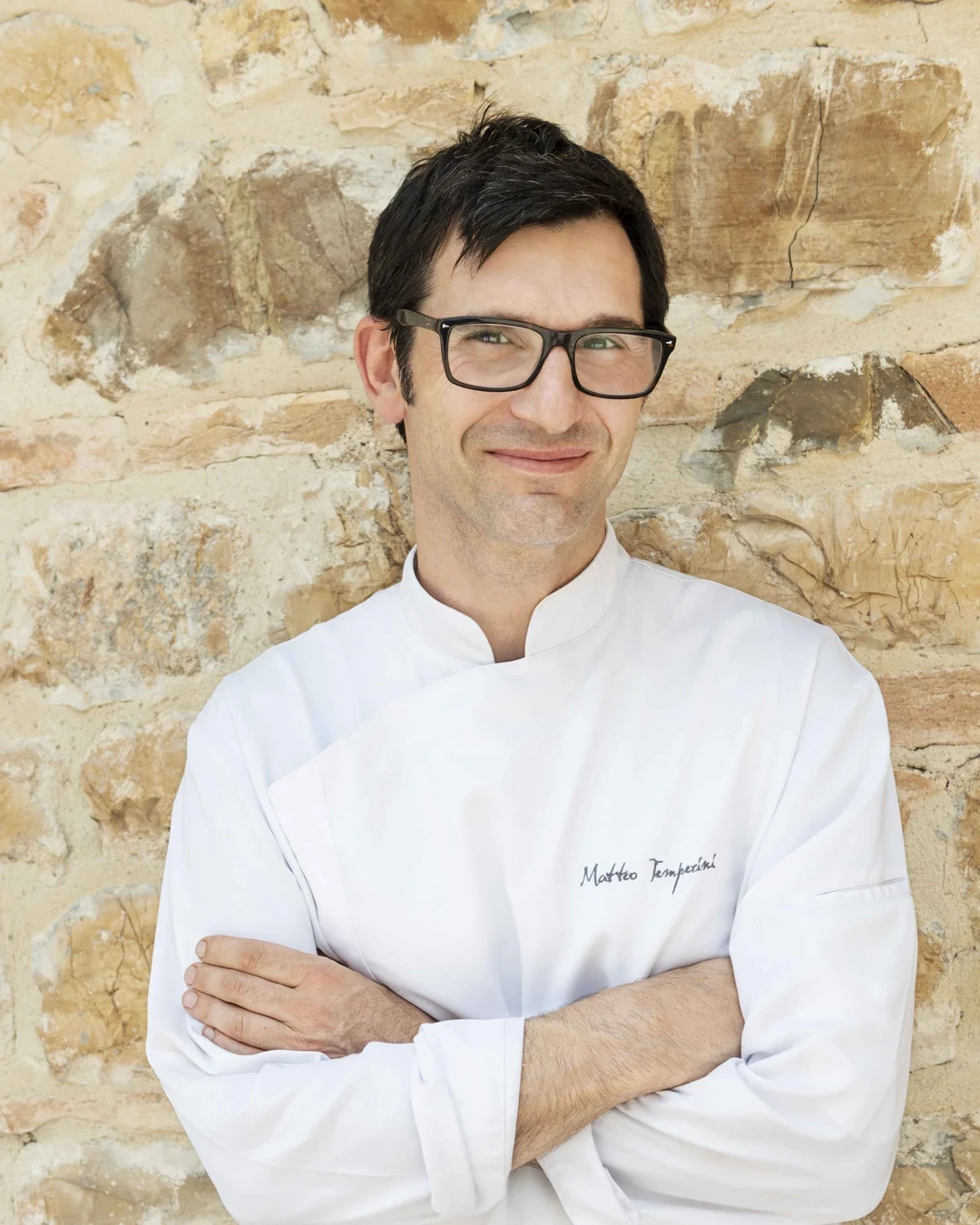
The dining split at Castiglion Del Bosco follows a model now common among leading Italian resort estates: one fine-dining anchor, one relaxed all-day option. Ristorante Campo del Drago holds a Michelin star and is run by executive chef Matteo Temperini, whose background includes time in Paris, Monaco, and Positano, a lineage that positions the kitchen at the intersection of classical French technique and southern Italian coastal cooking, applied to Tuscan ingredients. The second restaurant, Osteria La Canonica, operates seasonally from April through November and draws its menu from the estate's organic kitchen garden, pairing regional dishes with Val d'Orcia views. The difference in formality between the two is significant: La Canonica reads as the estate at rest, while Campo del Drago is the more formal dining room.
The estate's own Brunello di Montalcino winery adds a dimension that most hotel dining programs cannot replicate. Oenophiles visiting in September can participate in the annual harvest, a logistical anchor that makes late summer and early autumn a particularly dense period for the property. The winery also hosts seminars and tastings throughout the season, which means that wine engagement here goes beyond the standard hotel cellar or sommelier service.
The Golf Factor and the Activity Stack
Italy has one private 18-hole golf course, and it is here. Designed by former professional golfer and architect Tom Weiskopf, The Club at Rosewood Castiglion Del Bosco operates as an exclusive members' facility, with hotel guests eligible to apply for a Membership Discovery experience that includes a personal tour and a round on the course. The existence of this facility within the estate is central to the property's positioning: it filters the guest profile toward travellers for whom a private course in a UNESCO landscape represents meaningful value.
The broader activity programme is extensive without being forced. Truffle hunting, landscape painting, hiking and mountain biking across miles of marked trails, horse riding, bocce courts, yoga, and guided historical tours of nearby Val d'Orcia villages all operate from the estate. Siena, and the world-famous Palio horse race, sits within an hour's drive. La Canonica Cooking School, housed in the former village rectory, offers classes in Tuscan cuisine. The Spa uses treatments from Florence's Officina Profumo Farmaceutica di Santa Maria Novella alongside Swiss brand La Prairie, placing it at the intersection of heritage Italian pharmacy culture and contemporary alpine luxury.
Location Intelligence
Getting to Castiglion Del Bosco requires planning. Florence is approximately 90 minutes by road; Rome around two and a half hours; Pisa roughly two hours. For those arriving privately, the estate has a helipad, with flight times of approximately 45 minutes from Siena or the Grosseto private airport. The dirt-road approach through forested terrain is a defining detail: this is a remote property, and the experience of arrival is inseparable from the experience of being there. Guests looking for a base from which to explore Tuscany's northern art cities daily will find the logistics demanding; guests prepared to treat the estate as the destination will find the remoteness is the asset.
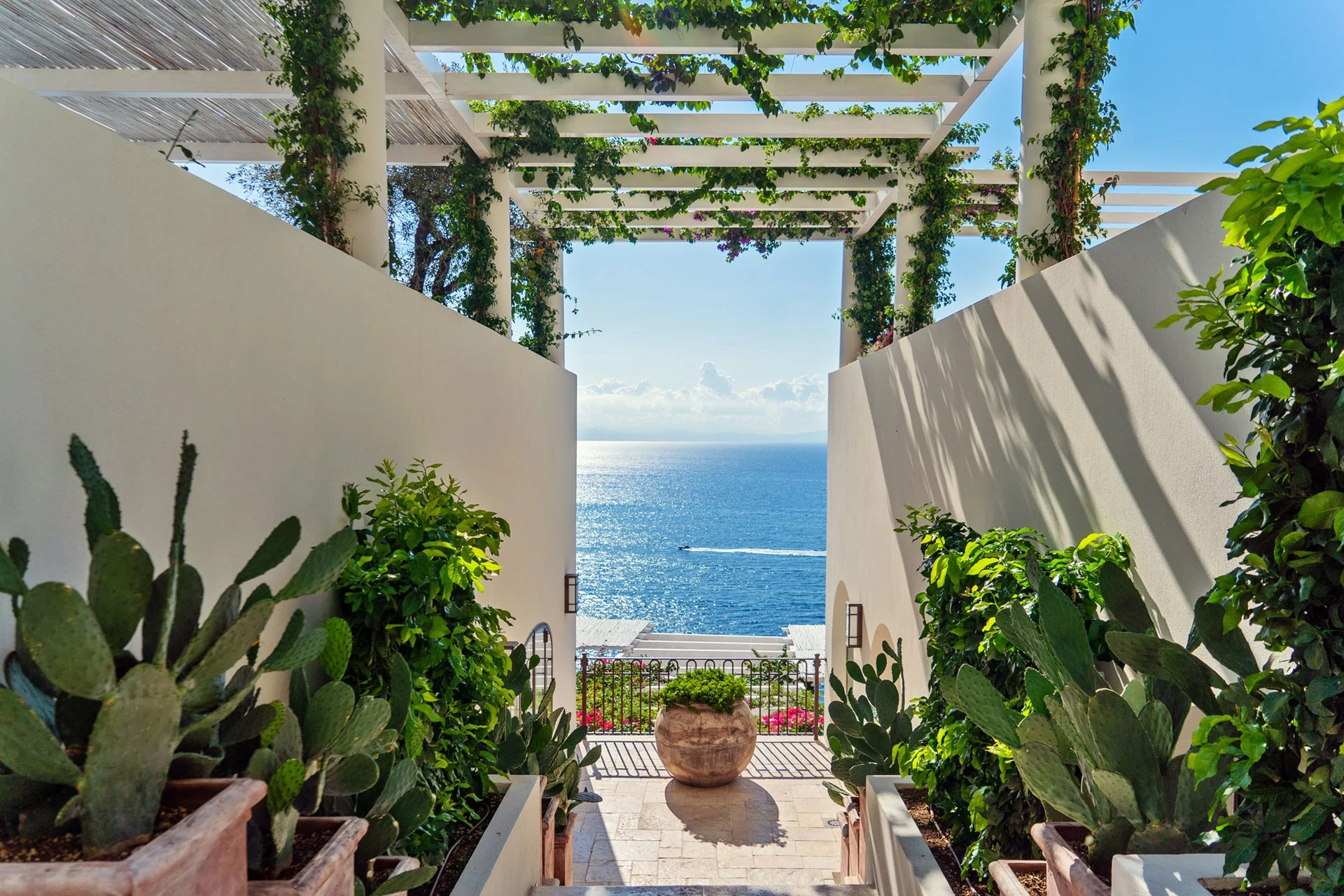
Outside Tuscany, Il Pellicano in Porto Ercole and Borgo Santandrea on the Amalfi Coast represent the coastal Italian counterpart to what Castiglion Del Bosco offers inland. Urban Italy alternatives in the luxury tier include Four Seasons Hotel Firenze, Aman Venice, and Bulgari Hotel Roma, all excellent in their own right, but operating from an entirely different premise than an active agricultural estate.
The property holds Michelin's 3 Keys designation (2024), placing it among the most formally recognised hotel properties in Italy.
Planning Your Stay
Rosewood Castiglion Del Bosco sits at SP103, 53024 Castiglion del Bosco SI, Montalcino. Published nightly rates for suites begin around $3,514, positioning it firmly at the top of the Tuscan market. Booking should be treated as advance planning rather than spontaneous, especially for harvest season in September and the spring opening of La Canonica in April. Guests intending to play the golf course should inquire about the Membership Discovery experience at the point of booking. For those considering the villa tier, lead time matters more: the 11 villas range in size and configuration, and specific properties like Villa Alba and Villa Oddi carry distinct character differences worth matching to your group.
Questions
Frequently asked
What recognition does Rosewood Castiglion Del Bosco hold?
Rosewood Castiglion Del Bosco holds 3 Michelin keys.
Who works at Rosewood Castiglion Del Bosco?
Made By profiles Matteo Temperini (Chef) at Rosewood Castiglion Del Bosco.
How expensive is Rosewood Castiglion Del Bosco?
Rosewood Castiglion Del Bosco is listed at a price level of $$$$.
The field
How it compares
| Place | Awards | Notes |
|---|---|---|
| Rosewood Castiglion Del Bosco | Michelin 3 Keys | Castiglion del Bosco / Montalcino, $$$$ |
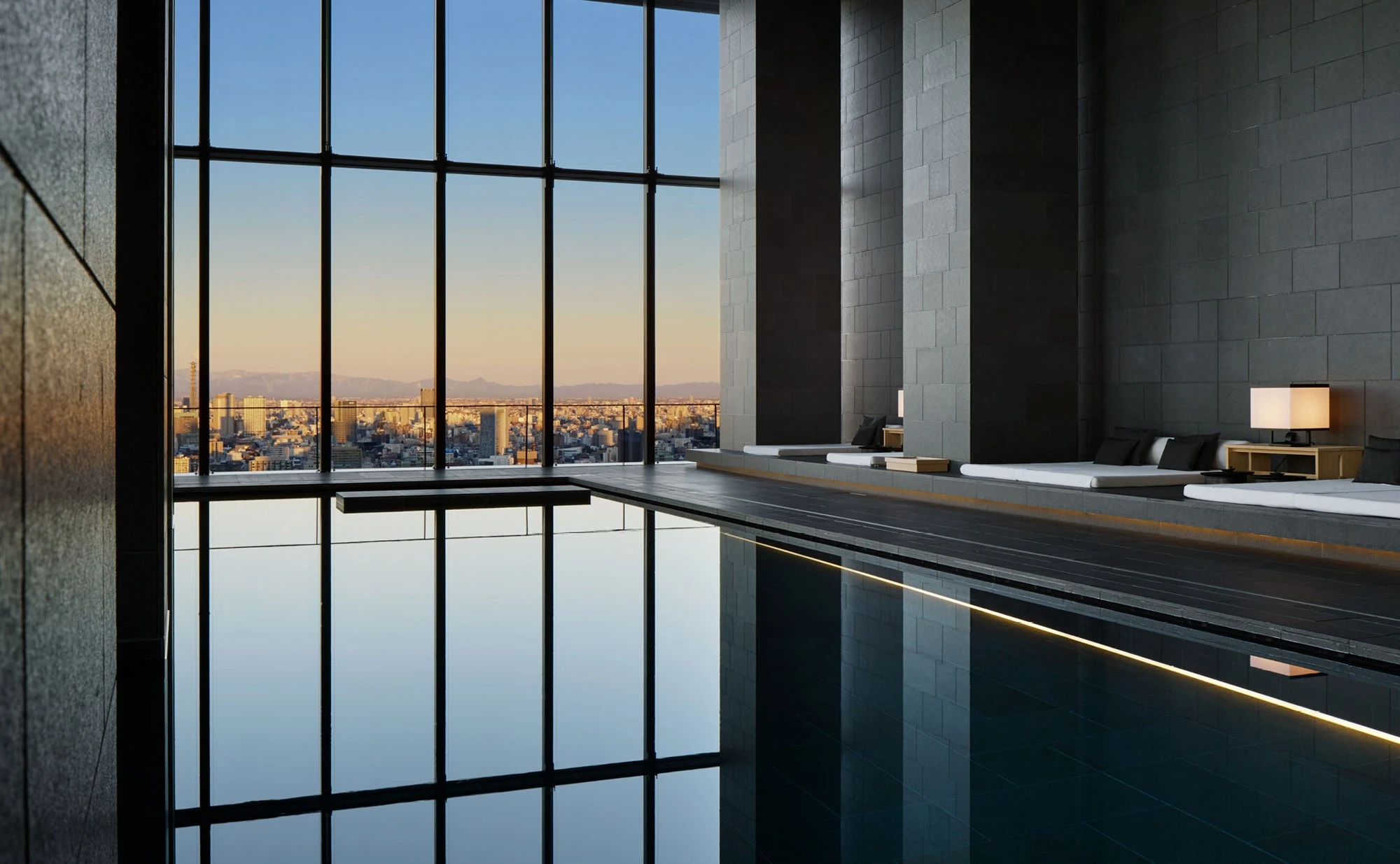
| Aman Tokyo | Michelin 2 Keys, World's 50 Best | Tokyo |
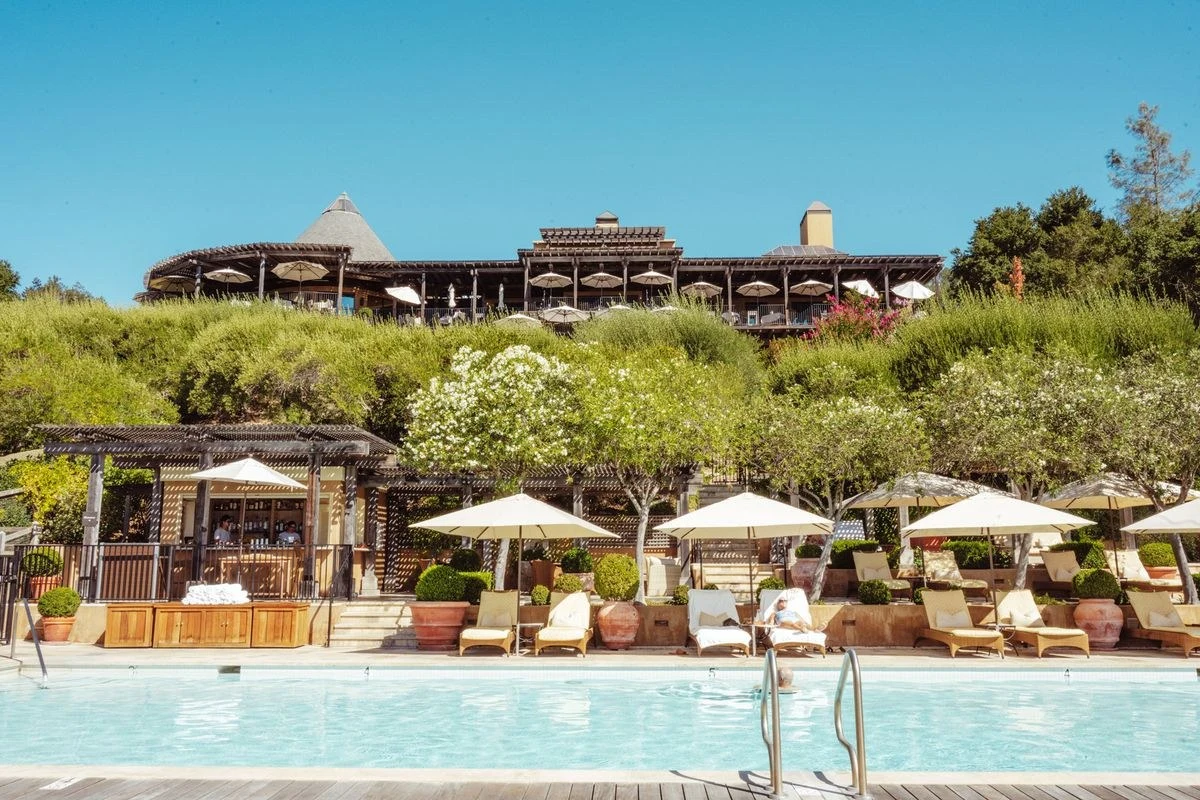
| Auberge du Soleil | Michelin 3 Keys | Napa |
| Borgo Santandrea | Michelin 2 Keys, World's 50 Best | Amalfi Coast |
| Castello di Reschio | Michelin 3 Keys, World's 50 Best | Lisciano Niccone |
| The Connaught | Michelin 3 Keys, World's 50 Best | London |
| The Dolder Grand | Michelin 2 Keys | Zürich |