- 3 Michelin Keys · Michelin Guide
- Forbes Recommended · 2026
- Mr & Mrs Smith Smith Seal of Approval · 2026
- La Liste Top Hotels: 98pts · 2026
- Virtuoso Luxury Hotel Partner · 2026
- Michelin 3 Keys · 2025
- AFAR Best New Hotels · 2025
- Robb Report The 50 Greatest Luxury Hotels on Earth #15 · 2025
- Michelin 3 Keys · 2024
Stone, Water, and Six Centuries of Austrian Hospitality
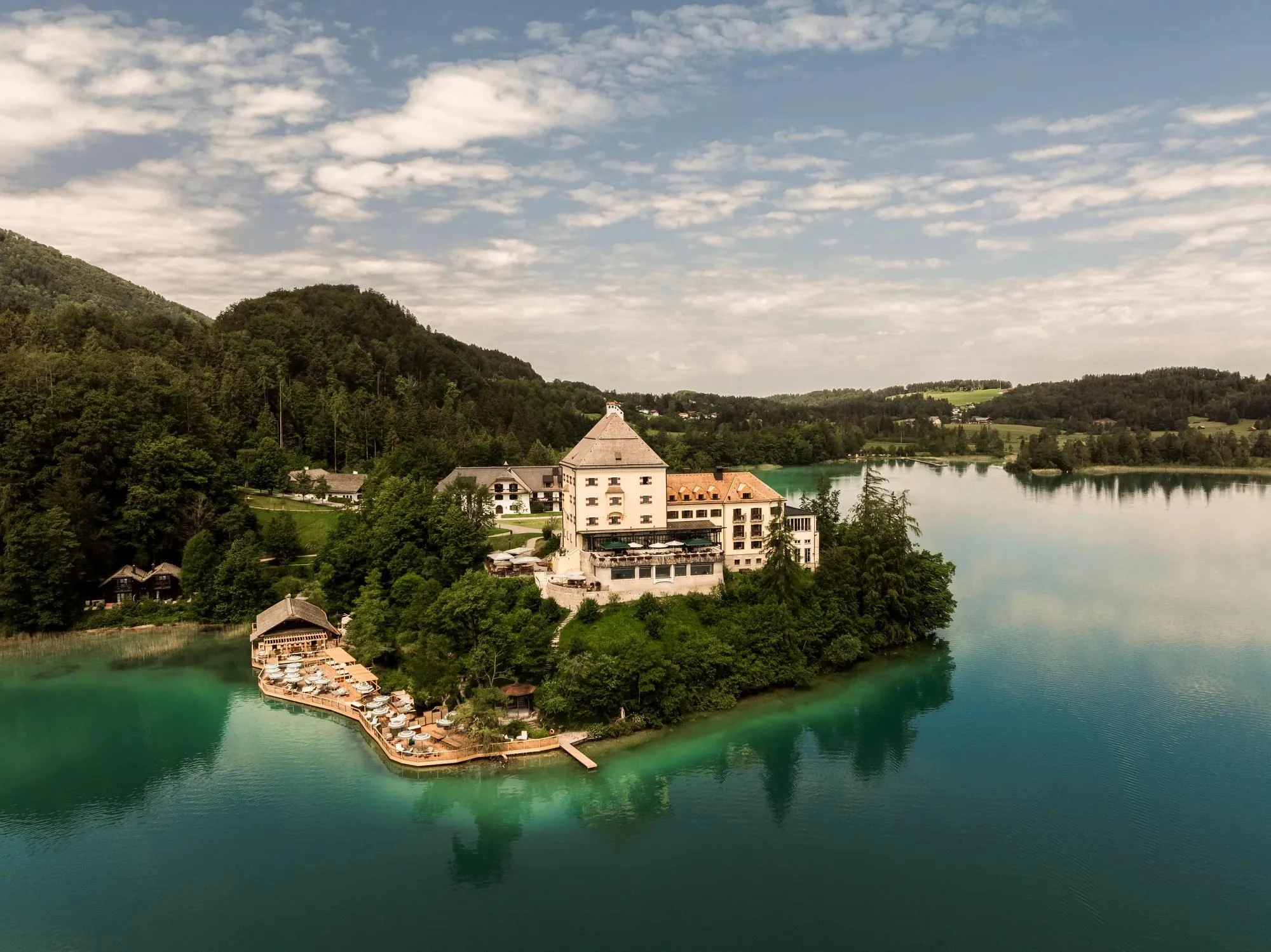
Approaching Rosewood Schloss Fuschl from the lakeside road, the castle reads less like a hotel arrival and more like a historical fact: a 15th-century structure that has absorbed centuries of Austrian political and cultural life, and now presents itself to guests who arrive expecting luxury but often find something more disorienting, the sense that the building itself has opinions about how a property should be run. The turrets are not decorative gestures. The stonework carries genuine age. The lake, Fuschlsee, presses close to the foundations on one side while the Salzkammergut mountains frame the opposite view. Before a guest enters the lobby, the architecture has already established the terms of the stay.
That physical authority is precisely what makes Rosewood's stewardship here consequential. The group reopened the property in July 2024 following a comprehensive restoration. At Schloss Fuschl, the answer appears to be the former: Rosewood's stated approach under its A Sense of Place concept commits to protecting existing heritage while modernising the guest experience, and the 110 rooms, suites, and chalets span enough typological range, castle rooms with period detailing, contemporary lakeside suites, freestanding chalets in the grounds, to suggest that the design team made deliberate choices rather than applying a single template throughout.
What the Restoration Actually Did
Heritage hotel restoration in Austria operates within a specific tradition. The country's castle-hotel category, from Carinthian lakeside properties like Falkensteiner Schlosshotel Velden in Velden am Wörthersee to the urban concentration of Schloss Mönchstein in Salzburg, has learned that authentic historic fabric and contemporary comfort are not naturally compatible and that the gap between them is where most projects fail. The properties that work are those that treat the original structure as a constraint to design within rather than a backdrop to design against.
Schloss Fuschl has centuries of continuous occupation to work with, and the restoration had to account for spaces that have served radically different purposes across different centuries. The Great Hall and library, now available as guest spaces, retain the proportional logic of rooms built for a different social order, high ceilings, material thickness, light admitted in deliberate quantities. That these spaces now function as areas for relaxation rather than administration or assembly does not diminish the architectural argument they make; it just changes the audience. The property's 37-acre grounds, which include formal gardens and walking trails along the lakeshore, provide a further layer of spatial generosity that is harder to manufacture than interior design.
The 42 suites and 6 chalets within the 110-room count give the property a higher-than-average proportion of large-format accommodation for its category. The chalets in particular represent a typology that castle hotels in the Alps have increasingly adopted: freestanding structures within the grounds that offer residential-scale privacy without the full autonomy of a villa rental. For guests who find the castle's communal corridors and shared spaces to be the point of staying in a historic property, the rooms and suites inside the main structure will read correctly. For those who want proximity to the setting with more spatial separation, the chalets answer that preference.
The Salzkammergut Position
Lake Fuschl sits within the Salzkammergut, the Austrian lake district that extends east of Salzburg into the Styrian Alps. It is a smaller, quieter lake than the Wolfgangsee or the Attersee, which means the immediate environment around the property carries less tourist infrastructure and more unmediated landscape. The drive from Salzburg takes under 30 minutes, which places Schloss Fuschl in the category of properties close enough to the city to use it as a resource without being embedded in it, a structural advantage that separates it from urban castle hotels like Hotel Sacher Wien in Vienna, which operate within a very different set of urban pressures.
Salzburg's density of cultural programming, particularly around the festival season in July and August, makes proximity to the city commercially significant. Guests attending the Salzburg Festival have historically required accommodation across a wide radius, and a property of Schloss Fuschl's calibre, 30 minutes out, represents a legitimate alternative to city-centre options. The seasonal calendar extends further: hiking in the surrounding mountains is a spring and summer activity, while skiing access and Christmas markets become relevant draws between November and February. The private beach and marina add water sports and boat excursions to the activity inventory during warmer months.
For context within the Austrian alpine hotel category, Schloss Fuschl sits in a comparable set that includes wellness-led mountain properties like Alpen-Wellness Resort Hochfirst in Obergurgl, Aktiv & Wellnesshotel Bergfried in Tux, and DAS EDELWEISS in Grossarl. What distinguishes the castle-hotel format from those properties is the weight of architectural authority: a mountain wellness resort can be rebuilt; a 15th-century lakeside castle cannot be replicated. The comparative advantage is structural, not programmatic.
Dining and Wellness in a Historic Frame
The dining programme at Schloss Fuschl operates across multiple venues, with the direction oriented toward Austrian culinary traditions. In the Salzkammergut region, that means a cuisine built around freshwater fish from the surrounding lakes, game from the alpine forests, and dairy from mountain farms, a larder that is geographically coherent and seasonally legible. The property's dining offering spans fine dining focused on Austrian specialties and more casual lakeside formats, a split that matches the range of guest motivations at a resort of this scale.
The Asaya spa, Rosewood's integrative wellness concept, is present here in both indoor and outdoor configurations, including an infinity pool positioned relative to the lake. Alpine wellness traditions in Austria have a documented history, the region's thermal and hydrotherapy culture predates modern spa programming by centuries, and the Asaya concept at properties like Schloss Fuschl attempts to locate contemporary wellness practice within that regional context rather than import a generic international format.
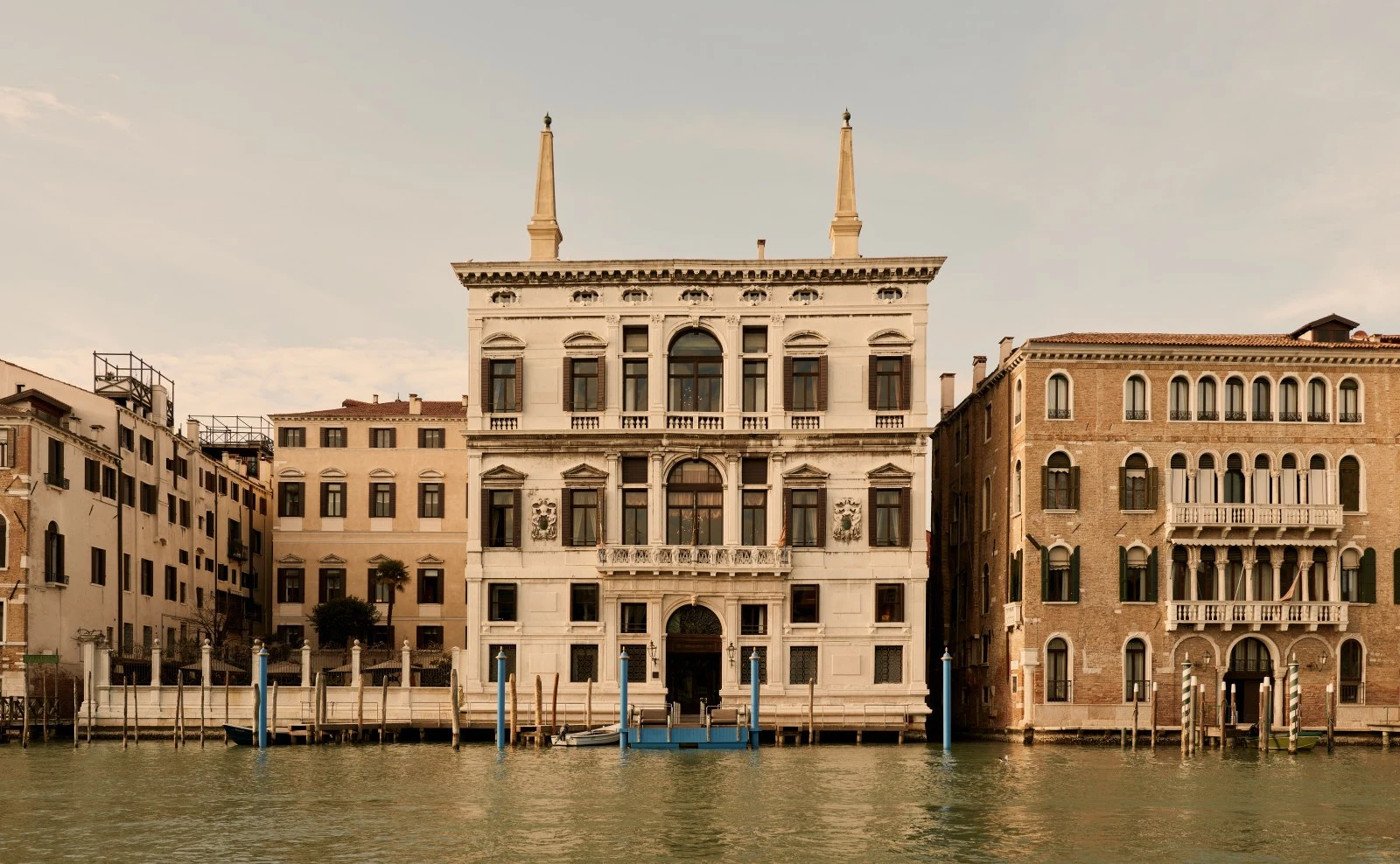
Combination of Michelin 3 Keys recognition and a strong awards profile places Schloss Fuschl in the upper tier of Austrian hotel recognition. For comparison, properties like Grand Tirolia Kitzbühel and Hotel Schloss Seefels in Techelsberg operate in adjacent segments of the Austrian luxury lake and alpine hotel market. Internationally, Rosewood's castle restoration approach finds parallels in how groups like Aman treat heritage structures: compare the brand's handling of Aman Venice, where a historic palazzo functions as a framework for contemporary luxury.
Planning a Stay
Schloss Fuschl sits at Schloss-Straße 19, 5322 Hof bei Salzburg, approximately 25 to 30 minutes by car from Salzburg's city centre and Salzburg Airport. Given its position within the Rosewood portfolio, booking through Rosewood's central reservation system or directly via the property's website is the standard approach; advance planning is necessary for summer visits. The 98-room count, while substantial for a castle property, fills against strong seasonal demand. The 42 suites and 6 chalets represent the higher-capacity accommodation options and will attract longer leads on booking windows. Guests considering Austrian alternatives in different formats can reference Hotel Almhof Schneider in Lech, Naturhotel Waldklause in Längenfeld, or for a different kind of architectural property, Augarten Art Hotel in Graz.
Questions
Frequently asked
What recognition does Rosewood Schloss Fuschl hold?
Rosewood Schloss Fuschl holds 3 Michelin keys.
Who works at Rosewood Schloss Fuschl?
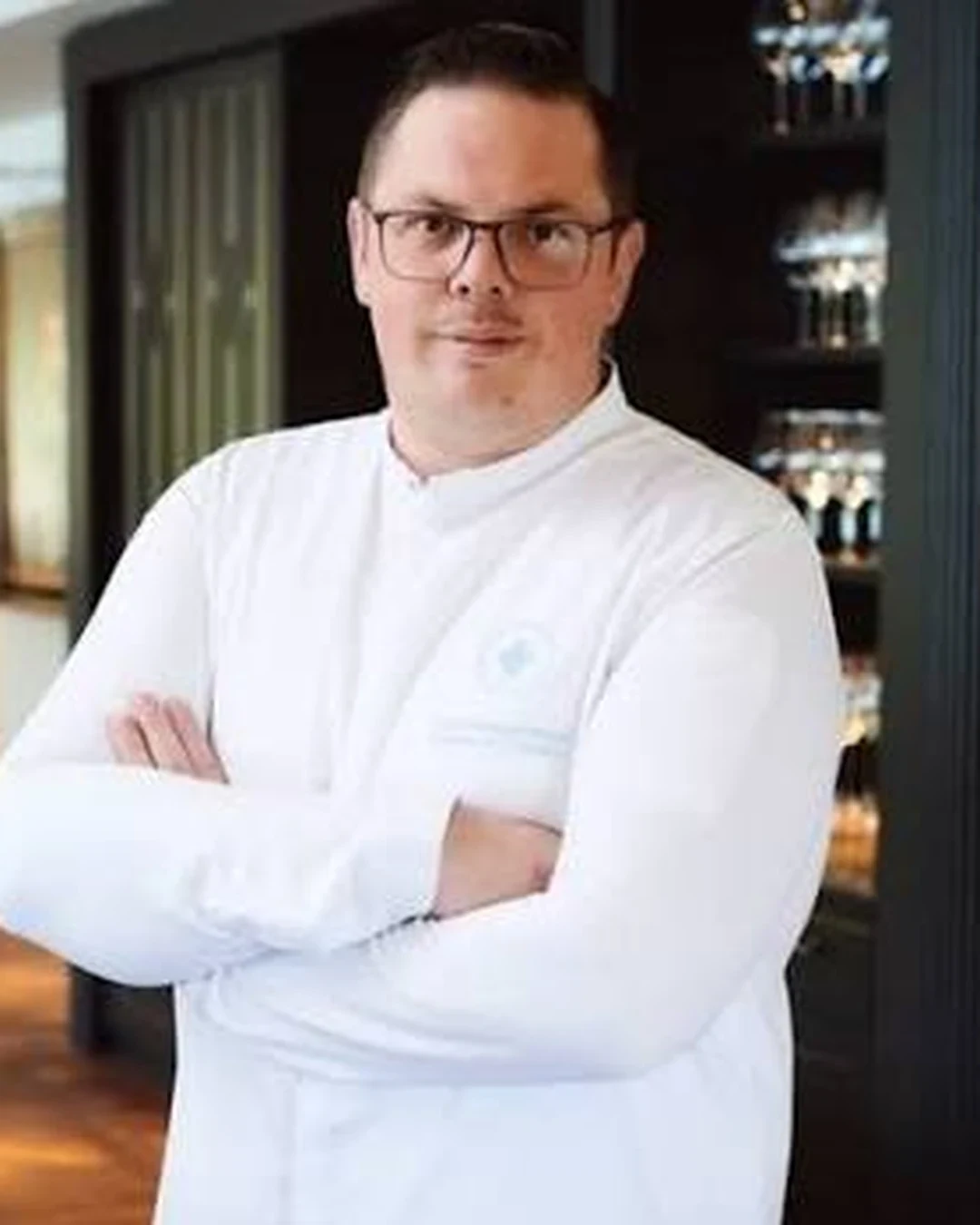
Made By profiles Julian Schwamberger (Chef) at Rosewood Schloss Fuschl.
How expensive is Rosewood Schloss Fuschl?
Rosewood Schloss Fuschl is listed at a price level of $$$$.
The field
How it compares
| Place | Awards | Notes |
|---|---|---|
| Rosewood Schloss Fuschl | Michelin 3 Keys | Hof bei Salzburg, Salzburg District, $$$$ |
| Aman Venice | Michelin 3 Keys, World's 50 Best | Venice |
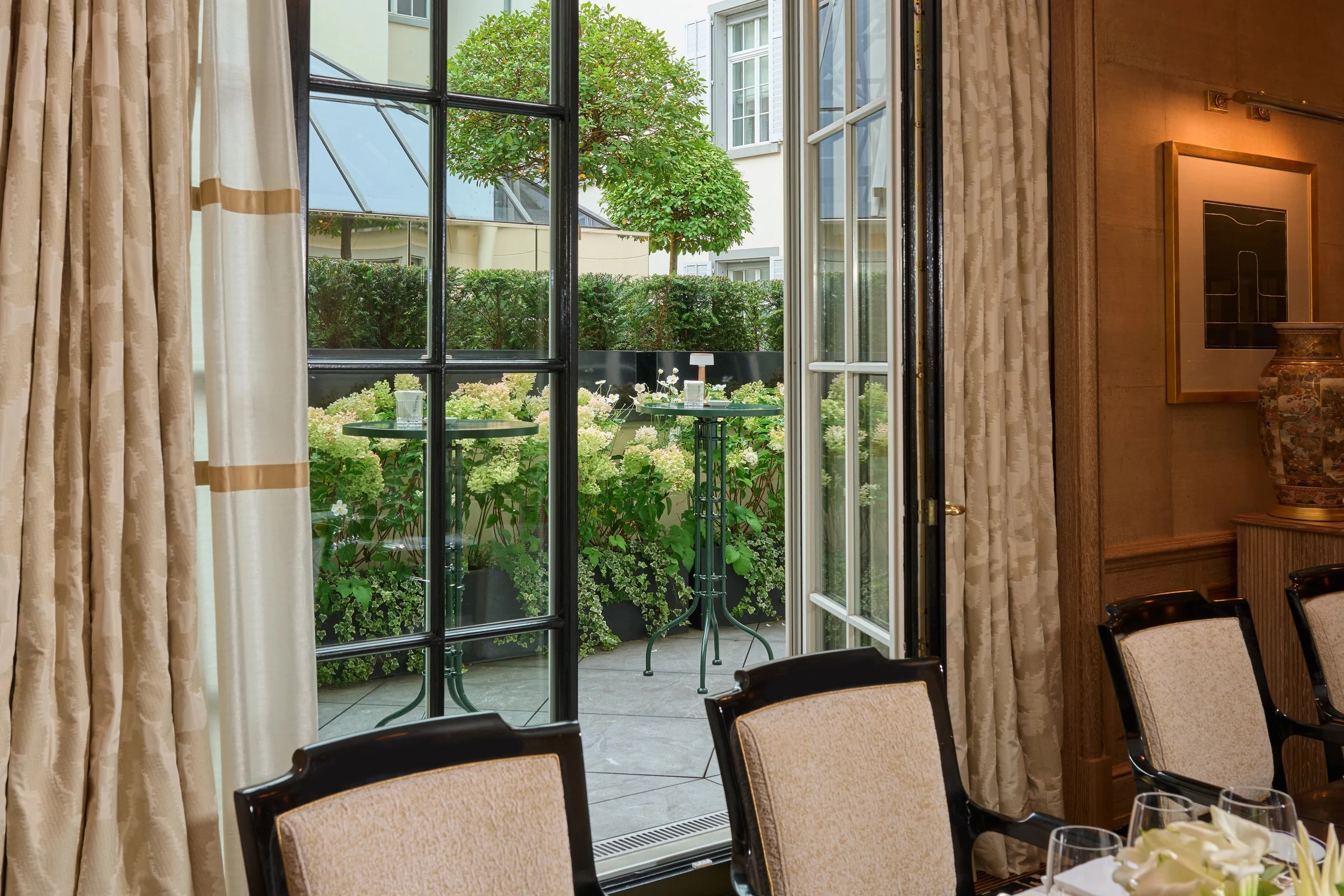
| Baur au Lac | Michelin 3 Keys | Zürich |
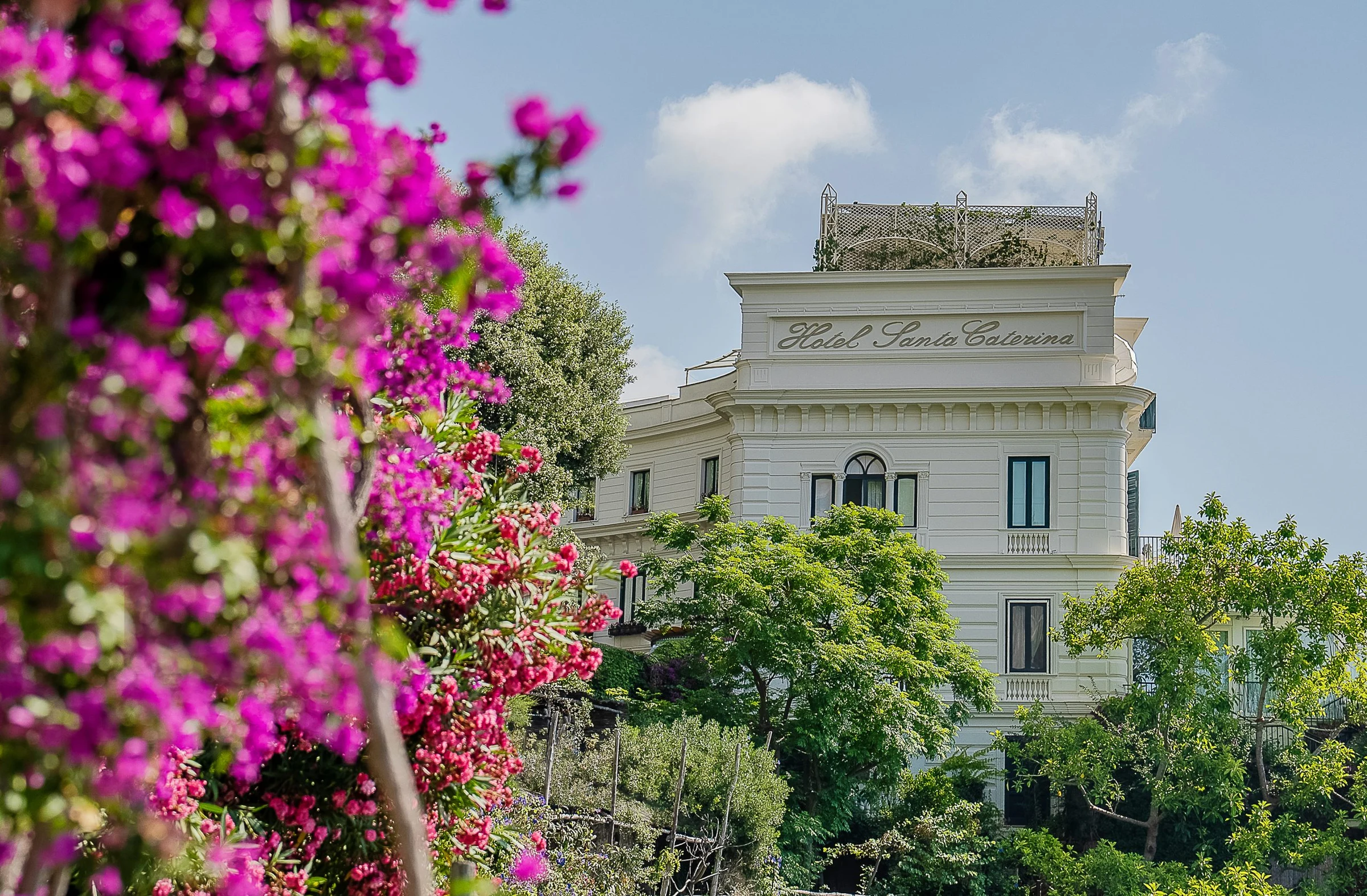
| Hotel Santa Caterina | Michelin 2 Keys | Amalfi Coast |
| JK Place Roma | Michelin 2 Keys | Rome |
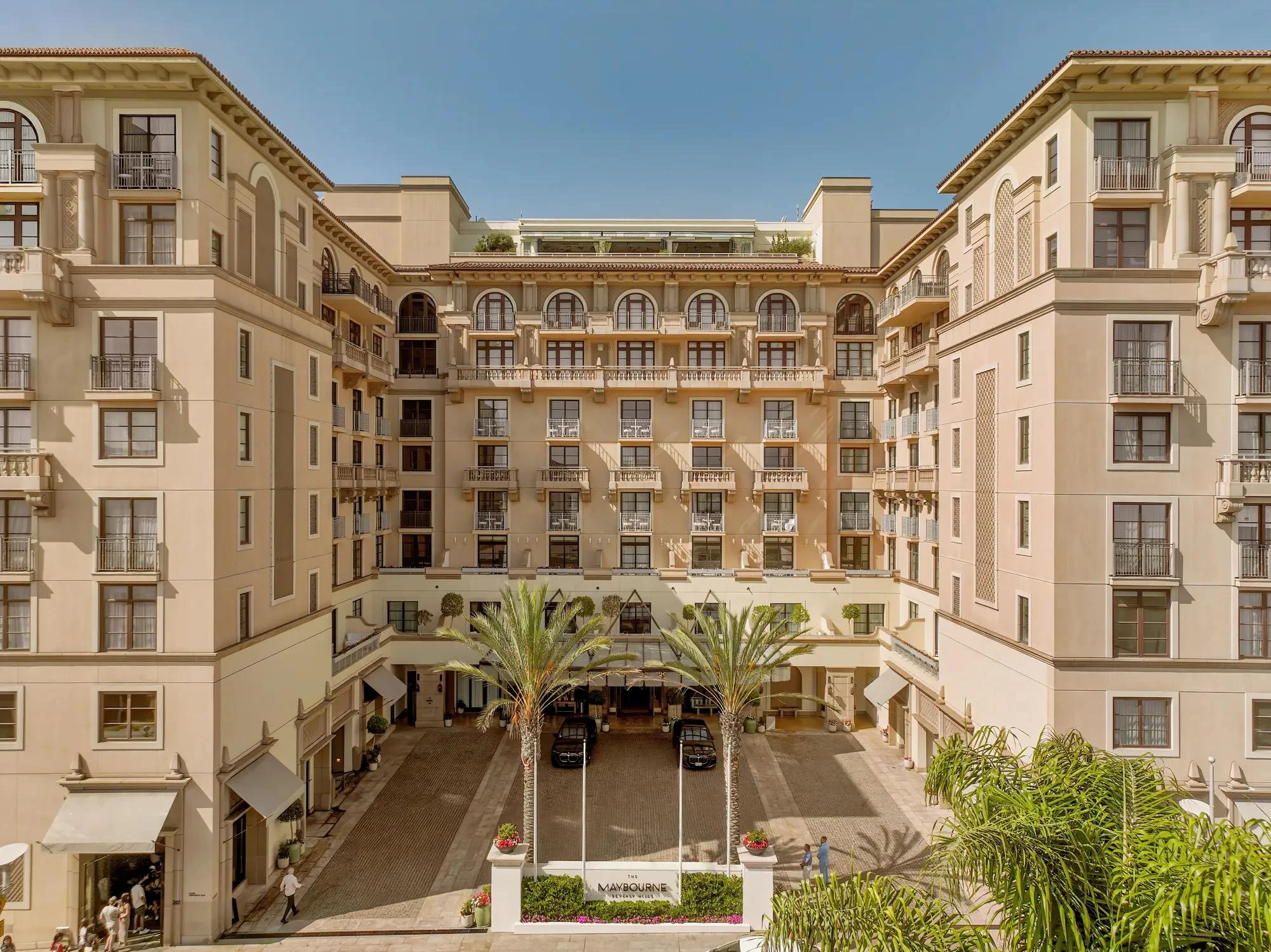
| The Maybourne Beverly Hills | Michelin 2 Keys | Los Angeles |
| The Sukhothai Bangkok | Michelin 2 Keys | Bangkok |