Royal Palace Seafood Restaurant
- 01CuisineTraditional Cantonese Seafood
- 02CityHaymarket, Australia
From the people index
Recommended by
One trusted voice points here.
Haymarket's Seafood Benchmark
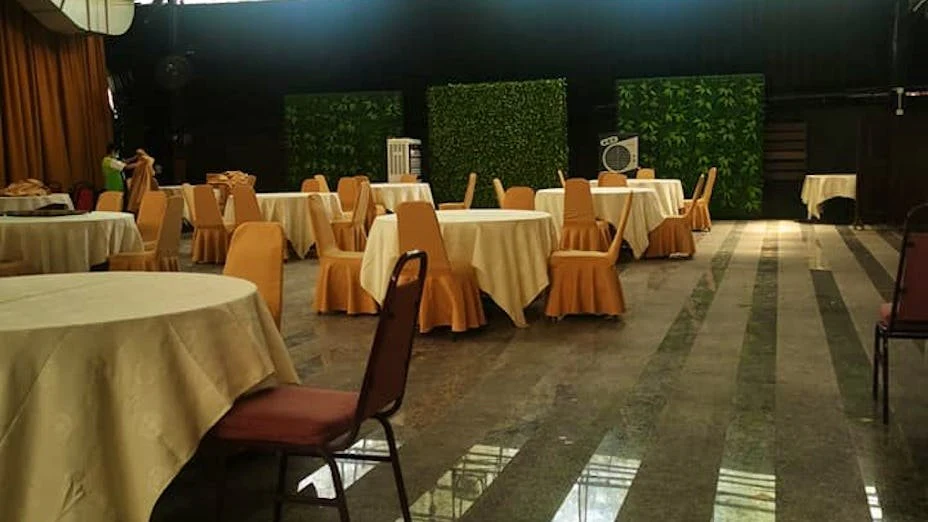
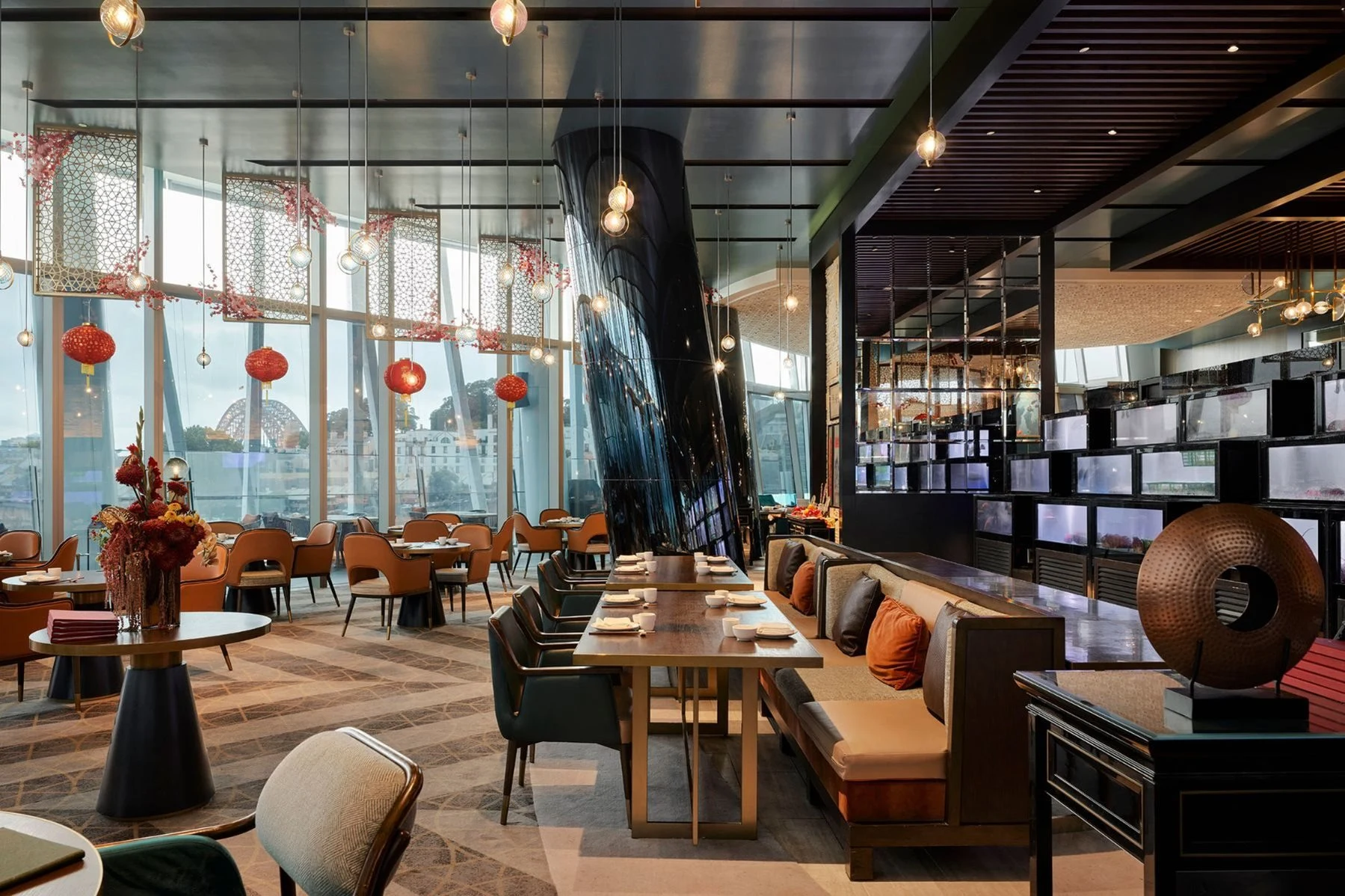
Late on a Friday in Haymarket, the section of Sussex Street between Goulburn and Hay runs at a different register than the rest of central Sydney. The footpath narrows between restaurants whose front windows glow with tanks of live mud crabs, lobsters, and abalone. Inside the larger rooms, the noise is specific: the clatter of bamboo steamers, the percussion of wok handles against burner rings, tables of eight sharing dishes from a rotating Lazy Susan. Royal Palace Seafood Restaurant, at 393-399 Sussex St, sits within this corridor as one of its most enduring addresses.
The cultural logic of a place like this is worth understanding before you arrive. Cantonese seafood dining in this format, live tanks, whole fish, market-weight pricing for premium shellfish, is not a Sydney invention. It replicates a model that has operated in Hong Kong's Sai Kung waterfront and Guangzhou's seafood streets for generations: the customer selects a live animal, agrees a price by weight, and the kitchen executes a preparation that is meant to showcase the ingredient rather than obscure it. The cooking tradition privileges freshness over elaboration, and the room's size and noise are part of the grammar, not a compromise. When Sydney's Chinatown corridor adopted this format from the 1980s onward, it was bringing a fully-formed dining culture into a new city rather than adapting something for a local palate.
Where Golden Century Sits in Sydney's Chinese Dining Tier
Sydney's Chinese restaurant landscape has fractured considerably over the past two decades. The city now has specialized hot-pot houses, Shanghainese dumpling specialists, Sichuan operations serving a demographic that barely overlapped with the Cantonese community that built Haymarket's earlier reputation, and newer Cantonese venues in the suburbs of Eastwood, Burwood, and Hurstville that compete on ingredient sourcing and regional specialization. Within this more complex picture, the large-format Cantonese seafood house in Haymarket itself occupies a specific and slightly paradoxical position: it is simultaneously more tourist-facing than it was twenty years ago and more deeply embedded in local institution status.
Golden Century's comparable set within the city is not the progressive Australian restaurants, the kind of rooms represented by Rockpool in Sydney or the seafood-focused approach of Saint Peter, but the other large Cantonese operations that compete directly for the same post-theatre, late-night, and family-banquet bookings. Flower Drum in Melbourne occupies an analogous position in that city's Chinese dining history: a room with decades of patronage by both the Chinese community and a broader dining public, now carrying the weight of its own reputation. The comparison is instructive because both venues have had to maintain credibility across generations of diners with different expectations.
The Live-Tank Format and What It Demands of the Diner
The experience at a venue like this is participatory in a way that tasting-menu restaurants are not. The selection of a live crab or lobster from the tank requires a decision, species, size, preparation method, that shapes the meal before the kitchen is involved. This is not incidental to the Cantonese seafood tradition; it is the tradition. The preparation options typically range from steamed with ginger and shallot (which shows the animal's sweetness without intervention) to wok-fried with XO sauce or black bean (which layers the shellfish against a fermented, deeply savory background). The right choice depends on the quality of what is in the tank on a given night, and experienced diners in this format often ask staff which animals are in leading condition before committing.
The menu extends beyond the live tanks to a broader Cantonese repertoire: whole steamed fish, roasted meats, clay-pot preparations, and the kind of congee and noodle dishes that sustain the kitchen's late-night trade. Haymarket's Chinese restaurants, including nearby Chat Thai for a different regional tradition, collectively serve a function in Sydney that goes beyond tourism, they provide the late infrastructure for the city's hospitality workers, the post-shift meal that requires a kitchen open past midnight.
The Late-Night Position
One of Golden Century's most documented attributes is its extended hours, which have historically made it a reference point for Sydney's restaurant industry as a place to eat after service ends elsewhere. This positions it in a category that has few direct comparators in Australian dining: the large-format, credible Chinese seafood house that operates on a schedule closer to Hong Kong than to Sydney's standard service windows. It is a different calculation than the approach taken by destination dining rooms like Brae in Birregurra or Attica in Melbourne, where the experience is constructed around a single sitting. Here, the room turns across multiple service windows, and a significant portion of the patronage arrives after 10pm.
That late-night positioning also reflects something about the venue's audience. Industry workers across Sydney, chefs finishing double shifts, floor staff after busy Fridays, have historically converged on Golden Century in a way that functions as an informal professional endorsement. A room that feeds the people who feed the rest of the city carries a specific kind of credibility, one that operates independently of formal award structures.
Planning Your Visit
Golden Century is located at 393-399 Sussex St in Haymarket, within walking distance of Town Hall and Central stations, which makes it accessible without a car from most parts of the inner city. The room is large by Sydney standards, which means walk-in tables are more available than at smaller venues, though weekend evenings and large group bookings should be approached with some lead time. Pricing for the live-seafood selection is typically market-rate and charged by weight, so the final bill for a table ordering from the tanks can vary significantly depending on what is selected. For context on Australian seafood dining in a different register, Ormeggio at The Spit in Mosman and Salt Water Restaurant in Cairns represent the chef-driven end of the spectrum. For those travelling further afield within Australia, Pipit in Pottsville, Provenance in Beechworth, Aloft in Hobart, Blackwood Pantry in Cronulla, Wills Domain in Yallingup, Hentley Farm in Seppeltsfield, Laura at Pt Leo Estate in Merricks, Botanic in Adelaide, and Lizard Island Resort in Lizard Island each anchor their respective regions. Internationally, the live-seafood dining format at this scale has counterparts at rooms like Le Bernardin in New York City and the communal dining ethos echoed at Lazy Bear in San Francisco, though the cultural register is entirely different.
Questions
Frequently asked
How expensive is Royal Palace Seafood Restaurant?
Royal Palace Seafood Restaurant is listed at a price level of $$.
Where is Royal Palace Seafood Restaurant and what does it serve?
Royal Palace Seafood Restaurant is in Haymarket, Haymarket, serving Traditional Cantonese Seafood.
The field
How it compares
| Place | Cuisine | Notes | Awards |
|---|---|---|---|
| Royal Palace Seafood Restaurant | Traditional Cantonese Seafood | Haymarket, $$ | · |
| Coque | Modern Spanish Fine Dining | Madrid | Michelin 2 Stars |
| Florilège | Modern French-Japanese Plant-Based Fine Dining | Tokyo | Michelin 2 Stars, World's 50 Best |
| Jade Palace Seafood Restaurant | Traditional Cantonese Seafood | Singapore | · |
| L'Enclume | Modern British Farm-to-Table | Cartmel | Michelin 3 Stars |
| Sézanne | Modern French Fine Dining | Tokyo | Michelin 3 Stars, World's 50 Best |
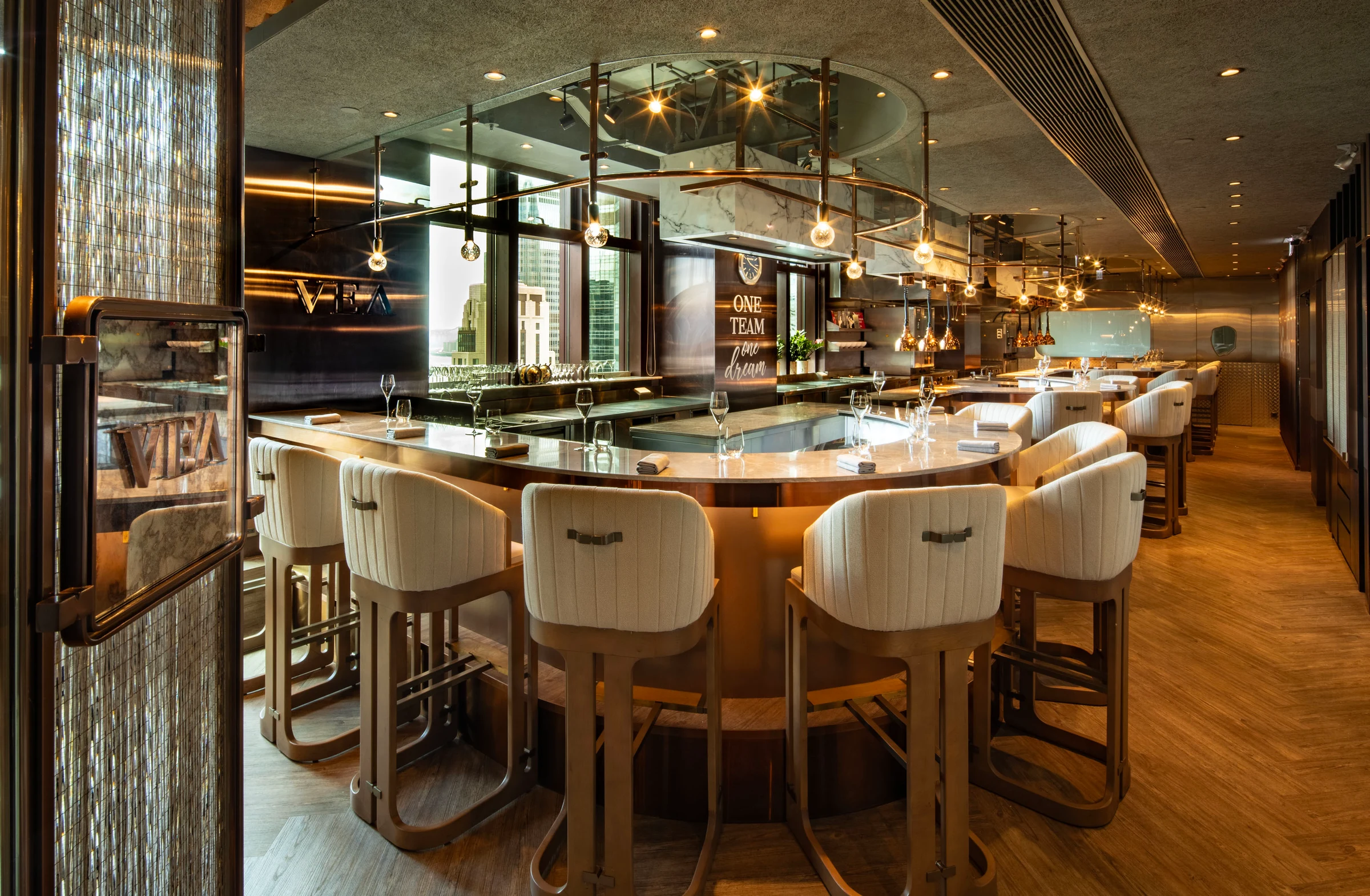
| Vea | Modern Chinese-French Fusion | Hong Kong | Michelin 1 Star, World's 50 Best |
Similar places
Modern Spanish Fine Dining
Coque
Madrid, Spain
★★
Modern French-Japanese Plant-Based Fine Dining
Florilège
Tokyo, Japan
★★ · 50 Best
Traditional Cantonese Seafood
Jade Palace Seafood Restaurant
Singapore, Singapore
Modern British Farm-to-Table
L'Enclume
Cartmel, United Kingdom
★★★
Modern French Fine Dining
Sézanne
Tokyo, Japan
★★★ · 50 Best
Modern Chinese-French Fusion
Vea
Hong Kong, Hong Kong
★ · 50 Best