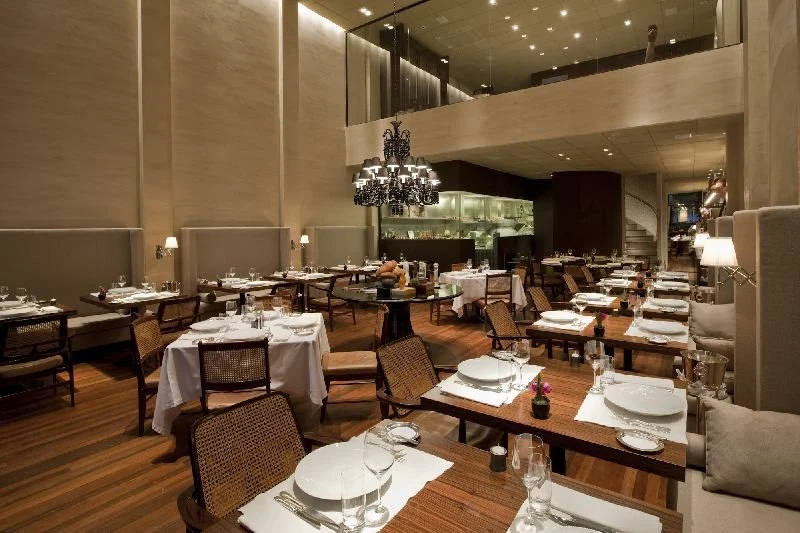
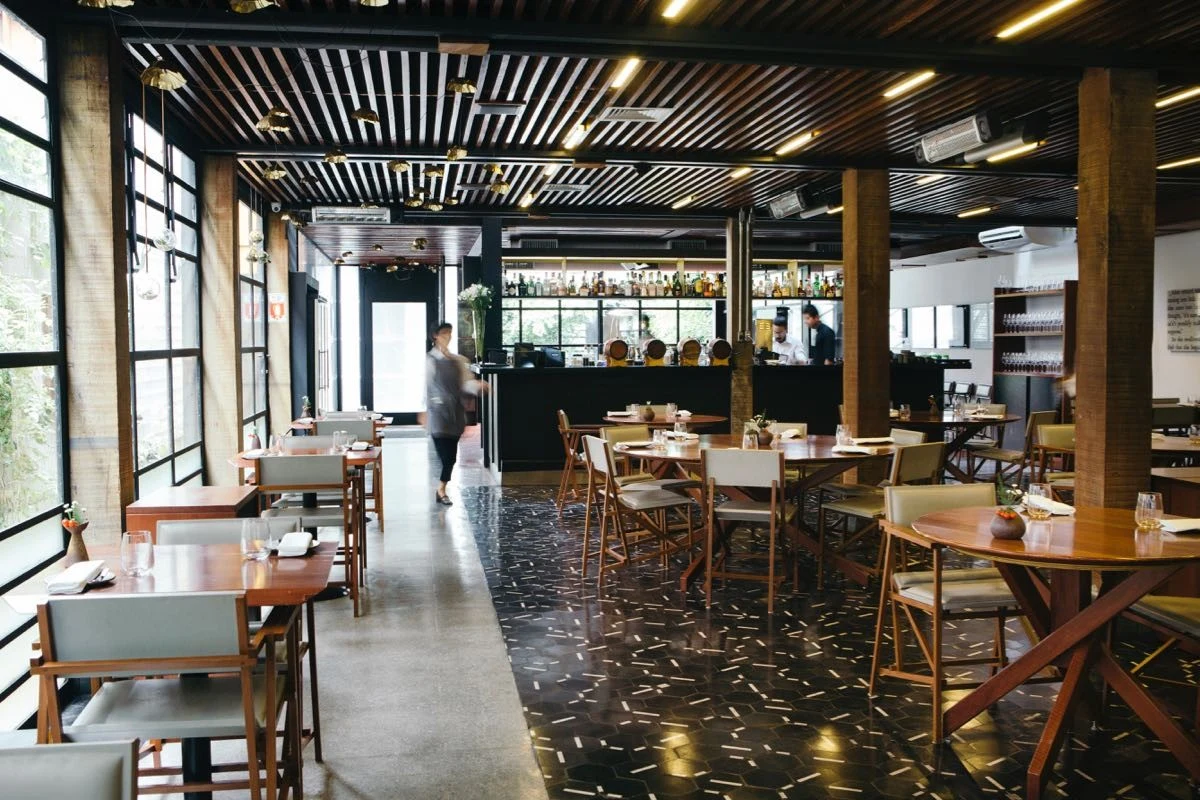
Ryo Gastronomia
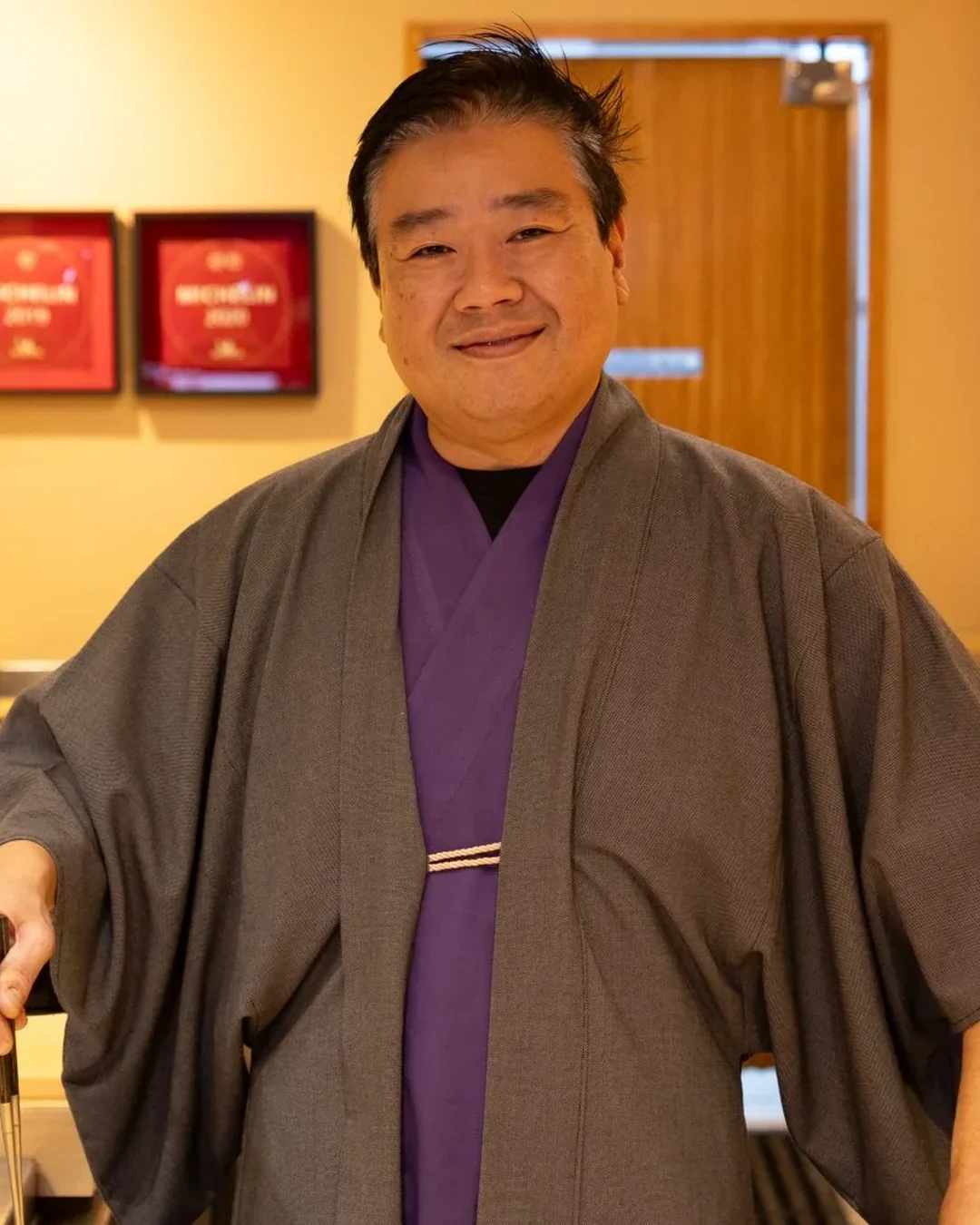
In Residence
Edson Yamashita
Chef
- 01CuisineKaiseki-Ryori Omakase
- 02CitySão Paulo, Brazil
- 03RecognitionOne Michelin Star
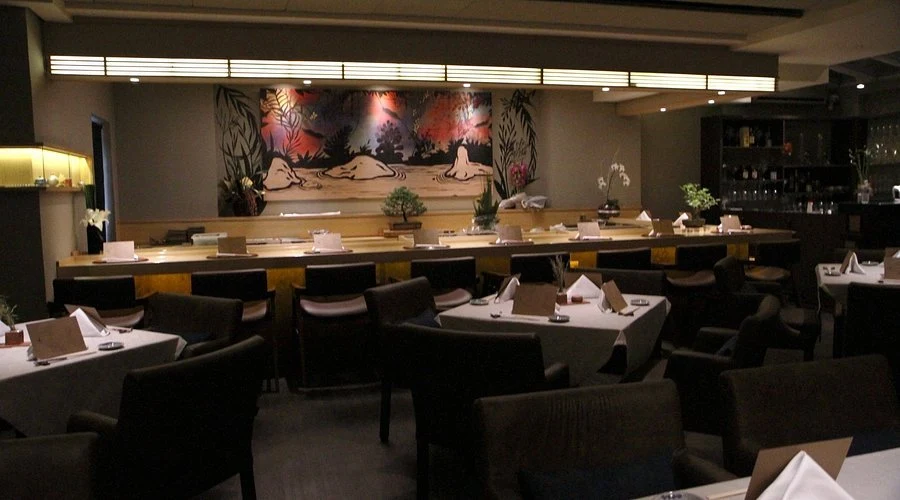
- 1 Michelin Star · Michelin Guide
- Michelin 1 Star · 2025
Japanese Fine Dining in São Paulo's Most Competitive Postcode
Itaim Bibi has long been the address where São Paulo's serious Japanese restaurants cluster. The neighbourhood carries decades of Nikkei settlement history, and that demographic weight translated, over time, into the kind of ingredient infrastructure, specialist importers, trusted domestic producers, generational fishmongers, that allows a kitchen to work at high precision. Ryo Gastronomia sits on Rua Pedroso Alvarenga, inside that supply network, and its 2025 Michelin star confirms its place in São Paulo's Japanese dining scene.
Where the Food Comes From, and Why That Question Matters Here
In the conversation around premium Japanese cooking outside Japan, ingredient provenance is rarely a direct story. The leading counters and dining rooms in cities like São Paulo work with a patchwork of sources: some Japanese imports cleared through São Paulo's specialist distributors, some domestic Brazilian produce that rewards the kitchen willing to identify and commit to it. Brazil's coastal geography, from the cold southern waters off Santa Catarina to the warmer Atlantic off São Paulo state, provides a different but genuinely interesting set of fish and seafood. The question a Michelin-level Japanese kitchen in this city has to answer is not whether to use imported Japanese product, but how honestly and intelligently to blend both traditions in a way that reflects where the restaurant actually is.
Chef Edson Yamashita's background places him inside the Japanese-Brazilian community that has shaped Nikkei cooking in São Paulo for generations. That lineage matters as context for understanding how Ryo Gastronomia approaches the sourcing equation, not as a venue portrait of a chef's personal philosophy, but as a signal that the kitchen operates from deep familiarity with both the Japanese culinary canon and the Brazilian produce calendar. A restaurant in this price tier, holding a Michelin star in its first 2025 cycle, is making deliberate choices about what arrives on the plate and from which direction. Those choices are the editorial subject here.
São Paulo's Japanese dining scene has grown considerably more stratified in recent years. At the lower end, conveyor belts and casual sushi chains proliferate across every neighbourhood. In the middle register, approachable Japanese restaurants with solid domestic sourcing hold strong, Jun Sakamoto at the $$$ tier remains a reference point for serious sushi without the full fine-dining overhead. At the leading, a smaller group of addresses, Kinoshita, Kuro, and now Ryo Gastronomia, occupy the $$$$ bracket where expectations around product quality, service cadence, and kitchen technique are set by an international peer group, not a local one.
The Itaim Bibi Context
The neighbourhood around Rua Pedroso Alvarenga functions as São Paulo's most concentrated fine-dining corridor. Within a few blocks of Ryo Gastronomia, you will find the kind of competition that sharpens a kitchen: Evvai, D.O.M., and a rotating cast of serious addresses across multiple cuisines all compete for the same pool of São Paulo's most attentive diners and visiting international guests. This competitive density is not incidental. It means a Japanese restaurant in Itaim Bibi operates under constant comparative pressure, from neighbours working entirely different cuisines at the same price point and with overlapping regulars.
That pressure has historically been productive for the neighbourhood's Japanese kitchens. KANOE and Kan Suke are among the other Japanese addresses worth tracking in the wider São Paulo scene, alongside Huto, which operates in an adjacent register. Each addresses the Brazilian-Japanese sourcing question differently, and the range of approaches across these kitchens makes São Paulo more interesting for Japanese dining than any single venue could on its own.
A Word on Price and What It Signals
The $$$$ designation at Ryo Gastronomia places it in a bracket where the meal is not primarily a feeding exercise. At this level in São Paulo's fine-dining economy, you are paying for a sequence: the progression of courses, the pacing, the product quality at each stage, and the accumulated judgement that went into assembling what arrives in front of you. A Google rating of 4.6 across 358 reviews is a meaningful signal at this price point. The score suggests consistent execution rather than occasional brilliance.
For context on what Michelin recognition means in the current São Paulo cycle: the 2025 guide represented the most closely watched expansion of the city's starred restaurants in recent years, and a first star in that environment carries more weight than it might in a more established guide city. The inspectors are not distributing stars liberally. A single star in 2025 São Paulo is a signal that the kitchen has cleared a credibility threshold that most addresses at the $$$$ price point do not.
Placing Ryo Gastronomia in the Broader Brazilian Fine Dining Picture
São Paulo functions as the country's fine-dining capital, but premium restaurants elsewhere in Brazil have been building credentials steadily. Lasai in Rio de Janeiro represents the kind of sourcing-led cooking that has raised the conversation nationally. Regional kitchens like Manga in Salvador and Orixás North Restaurant in Itacaré are advancing a different argument about what Brazilian produce can do. Further south, Mina in Campos do Jordão, Primrose in Gramado, and Castelo Saint Andrews in Gramado contribute to a national scene that is genuinely more interesting than it was a decade ago.
Within this broader map, Ryo Gastronomia represents a specific proposition: a Japanese kitchen in a city with one of the world's largest Nikkei communities, working at a price tier and technical level that invites direct comparison with Japanese restaurants in other world cities. The nearest international reference points are the kind of kaiseki and omakase rooms that have reshaped fine dining in Tokyo over the past two decades, places like Myojaku and Azabu Kadowaki in Tokyo, where seasonal ingredient discipline and technical restraint define the kitchen's ambition.
Planning Your Visit
Ryo Gastronomia is in Itaim Bibi, one of São Paulo's most navigable upmarket neighbourhoods for dining. The address is central enough that rideshare services are the practical default for most visitors. Given the 2025 Michelin star, booking lead times should be treated with seriousness, starred restaurants in São Paulo at this price tier typically require reservations made several weeks in advance, and that window will likely extend as the guide's recognition spreads internationally.
Questions
Frequently asked
What recognition does Ryo Gastronomia hold?
Ryo Gastronomia holds 1 Michelin star.
Who works at Ryo Gastronomia?
Made By profiles Edson Yamashita (Chef) at Ryo Gastronomia.
How expensive is Ryo Gastronomia?
Ryo Gastronomia is listed at a price level of $$$$.
Where is Ryo Gastronomia and what does it serve?
Ryo Gastronomia is in Pinheiros, São Paulo, serving Kaiseki-Ryori Omakase.
The field
How it compares
| Place | Awards | Cuisine | Notes |
|---|---|---|---|
| Ryo Gastronomia | Michelin 1 Star | Kaiseki-Ryori Omakase | Pinheiros, $$$$ |
| A Casa do Porco | World's 50 Best | Modern Brazilian Pork-Centric | São Paulo |
| D.O.M. | Michelin 2 Stars, World's 50 Best | Modern Brazilian Amazonian Fine Dining | São Paulo |
| Evvai | Michelin 3 Stars, World's 50 Best | Modern Italian-Brazilian Fusion | São Paulo |
| Jun Sakamoto | Michelin 1 Star | Japanese Omakase | São Paulo |
| Maní | Michelin 1 Star, World's 50 Best | Modern Creative Brazilian | São Paulo |
| Tuju | Michelin 3 Stars, World's 50 Best | Modern Brazilian Fine Dining | São Paulo |
In residence
Similar places
Modern Brazilian Pork-Centric
A Casa do Porco
São Paulo, Brazil
50 Best
Modern Brazilian Amazonian Fine Dining
D.O.M.
São Paulo, Brazil
★★ · 50 Best
Modern Italian-Brazilian Fusion
Evvai
São Paulo, Brazil
★★★ · 50 Best
Japanese Omakase
Jun Sakamoto
São Paulo, Brazil
★
Modern Creative Brazilian
Maní
São Paulo, Brazil
★ · 50 Best
Modern Brazilian Fine Dining
Tuju
São Paulo, Brazil
★★★ · 50 Best