Sangervasio
- 01CityPalaia, Italy
- Falstaff Winery - Listed · 2026
Approach matters in this part of Tuscany. The wine experience is not separated from the village fabric: stone buildings, cellar rooms and the quiet of a medieval hilltop hamlet shape the first impression before a glass is poured. Sangervasio belongs to that older Tuscan model in which wine is read through settlement, agriculture and light rather than through a tasting-room script alone.
The estate sits in Palaia, in the Pisa Hills, where Tuscan wine tourism tends to be less about grand-room spectacle and more about the relationship between countryside, cellar and local hospitality. That context suits a small-production property with organic farming, a family name attached to the operation, and a visitor format built around guided tasting, estate tasting and tour-and-tasting experiences. The useful lens here is terroir expression: not a technical claim about a single soil type, but the broader way a hill-country site, historic village buildings and sea-influenced Tuscan agriculture frame the wines.
San Gervasio gives the tasting a village structure, not a showroom one
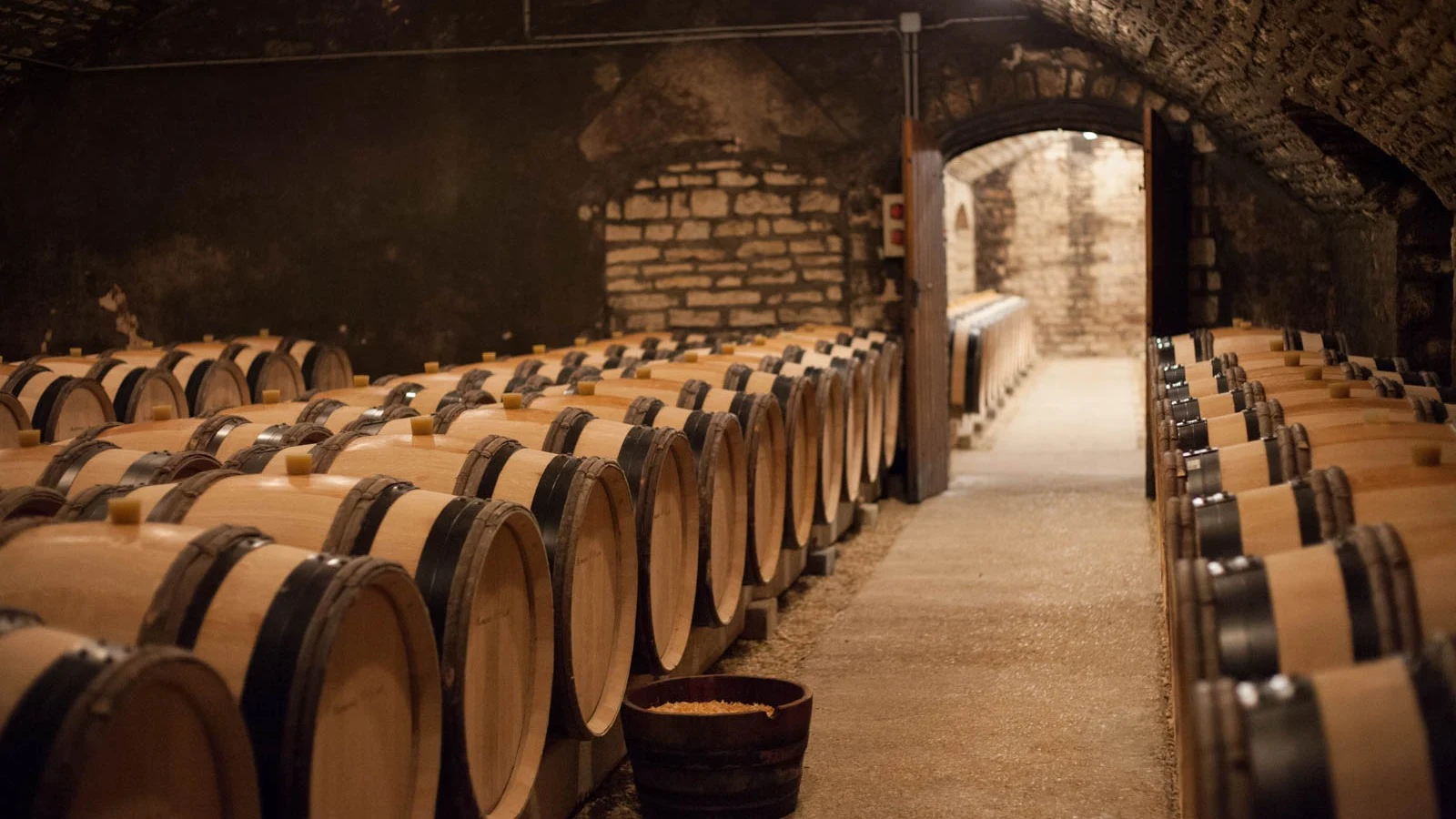
Tuscany has many estates that sell scenery before substance. The stronger visits are the ones where the built environment helps explain the wines without overproducing the encounter. Sangervasio’s setting in the medieval hamlet of San Gervasio gives the experience that kind of structure. Historic buildings, barrel-room elements and village-cellar spaces make the production setting part of the visit, while the Antico Granaio provides the hospitality endpoint after the hamlet and winemaking rooms have done their work.
The format is small and quiet, with guided components rather than a drop-in bar atmosphere. That matters for readers planning around wine education rather than casual sampling. A tour can connect the vineyard backdrop, cellar spaces and finished wines into one conversation, which is where this style of Tuscan hospitality earns its place. The estate’s public profile also extends beyond local word of mouth: it appears in Falstaff’s winery directory and has a hospitality presence under the Ristoro Sangervasio name, useful signals for travellers sorting serious winery visits from generic countryside stops.
The grape picture is broad enough to show both regional grounding and international influence. Sangiovese anchors the Tuscan red conversation, while Merlot and Cabernet Sauvignon point to the long-established Super Tuscan vocabulary of the wider region. Chardonnay, Sauvignon Blanc and Vermentino widen the frame into white-wine territory, with Vermentino especially suited to Tuscany’s coastal and maritime associations. The estate also lists still red, still white, sparkling and dessert styles, so the visit is not confined to a single narrow expression.
Organic farming and native yeasts place the emphasis on site rather than polish
In contemporary Tuscan wine, organic farming can be either a farming discipline or a branding shortcut. Here it is a meaningful part of the editorial read because the property pairs organic production with native-yeast fermentations and a small scale. Those details do not automatically make a wine better, but they do suggest an estate more interested in translating site conditions than standardising flavour through a highly managed cellar signature.
The appellation marker, Chianti Colline Pisane DOCG, is also worth reading carefully. The Pisa Hills occupy a different mental map from the Chianti heartland more familiar to first-time Tuscany travellers. That difference is useful: Palaia can deliver a quieter, more rural wine route, with a landscape language shaped by hills, vineyards and historic agricultural settlements rather than trophy-cellar tourism. Sangervasio fits that register, especially for visitors who want Tuscany’s wine culture with fewer theatrical cues.
Food pairing is part of the estate’s visitor proposition, which places the winery in the modern Tuscan category where tasting and table increasingly overlap. That does not turn the experience into a restaurant review; it makes the hospitality model clearer. The wines are presented in a setting where local food, cellar rooms and landscape work together, reflecting the wider shift in Italian wine tourism from production-only visits to slower, more contextual estate encounters.
How to place it within a Palaia wine itinerary
For a Palaia itinerary, Sangervasio suits travellers who want a calm, educational estate visit with historic architecture in the frame. The visit type is by reservation, the dress code is casual, and the tour duration runs about 60 to 90 minutes. It works for solo exploration, wine education, small group outings and special-occasion planning, while children and dogs are not the natural fit for the format.
Readers building a wider Palaia map can pair the winery research with Our full Palaia wineries guide, then cross-check food, lodging and evening options through Our full Palaia restaurants guide, Our full Palaia hotels guide, Our full Palaia bars guide and Our full Palaia experiences guide. Other Palaia winery pages to keep on the same research list include Liquori Morelli, Usiglian del Vescovo and Villa Saletta. For a broader Italian and European winery index, useful reference points include 3GP SRL in Treviso, 47 Anno Domini in Trebaseleghe, A Mano Wine in Noci, a6mani in Fragagnano, Abbadia Ardenga in Torrenieri, »der Steiner« Hans Steiner in Podersdorf am See and & Handwein in Mannheim.
The critical reason to go is not a trophy list or a famous winemaker biography. It is the coherence of place: an organic winery in a medieval Tuscan hamlet, working at small scale, with a tasting route that lets the village, cellar and vineyard setting carry much of the argument.
Questions
Frequently asked
How expensive is Sangervasio?
Sangervasio is listed at a price level of $$.
The field
How it compares
| Place | Notes | Awards |
|---|---|---|
| Sangervasio | San Gervasio, $$ | · |
| Ata Rangi | Martinborough | World's 50 Best |
| Domaine Bruno Clair | Marsannay-la-Côte | · |
| Domaine de la Romanée-Conti | Vosne-Romanée | · |
| Liquori Morelli | Palaia | · |
| Usiglian del Vescovo | Palaia | · |
| Villa Saletta | Palaia | · |